Used 2019 Toyota Alphard cars for sale
Alphard Buying Guide
The Toyota Alphard is a luxury L-class minivan that debuted in 2002. It was initially designed as a "high-end minivan", with its sibling vehicle, the Vellfire, added in the second generation in 2008. The third generation in 2015 introduced a double-wishbone rear suspension and the top-class Executive Lounge. The fourth generation in 2023 evolved into a new era, further pursuing "the joy of comfortable travel." The division of generations is organized as 2002/2008/2015/2023 in the official Toyota vehicle gallery. The attractiveness of the Alphard throughout all its generations lies in its spacious rear seat, quietness, ease of boarding and disembarking, and the high reliability typical of Japanese cars.
First-generation Alphard (Series 10, 2002-2008) - The first generation that established the "luxury minivan" market.
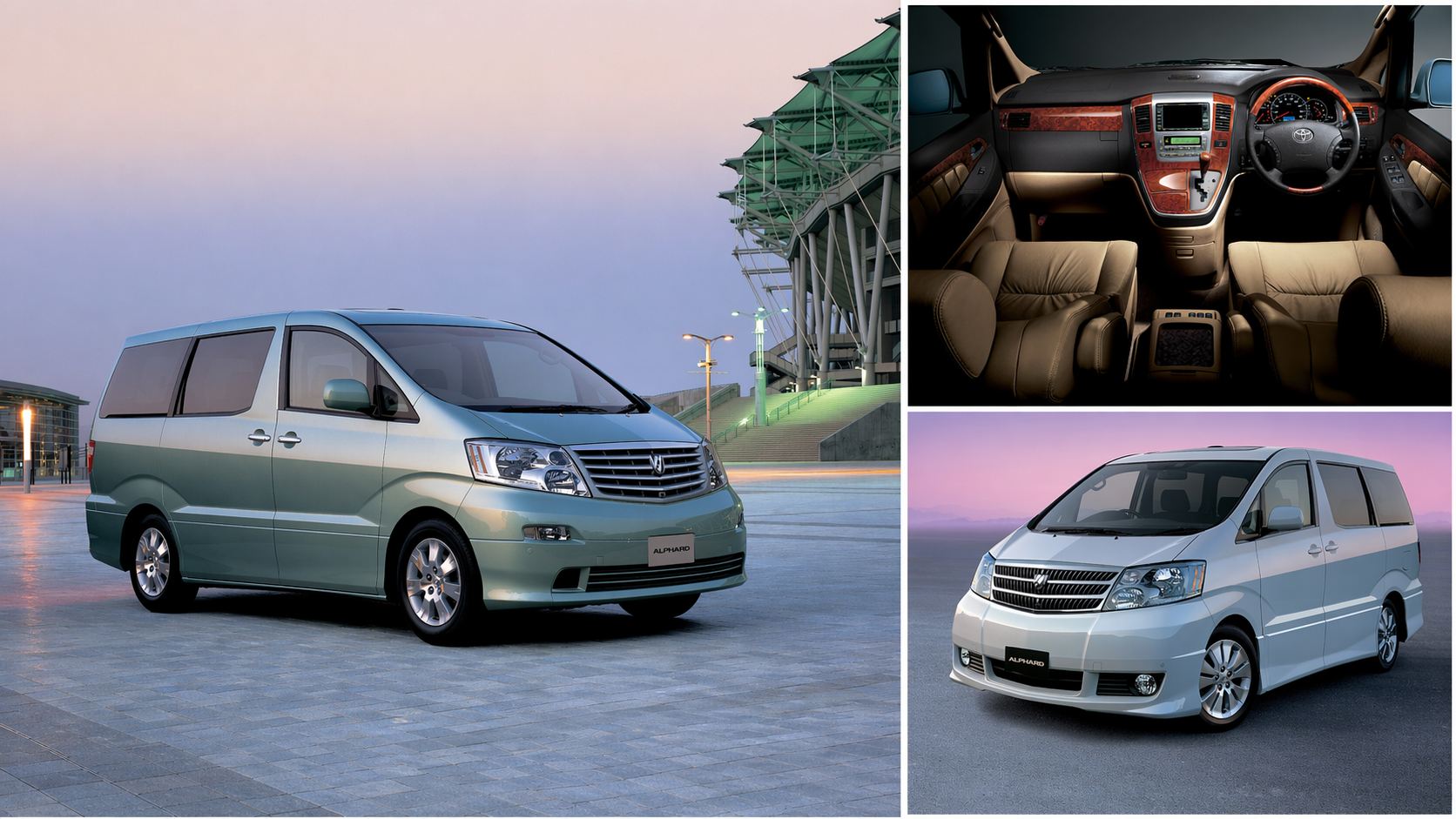
The charm of the first-generation Alphard
The unique presence of the first generation, achieving both spaciousness and a sense of high class.
The first-generation Alphard, launched in Japan in 2002, was a model aimed at being the "ultimate minivan." After witnessing the success of the first-generation Nissan Elgrand (E50), which was introduced in 1997, Toyota launched the Alphard as a luxury vehicle aimed not only for family use, but also for chauffeuring and VIP usage. It was equipped with a 3.0L V6 and a 2.4L straight-four engine, and higher grades featured electric sliding doors and high-quality second-row seats, setting it apart from traditional mass-market minivans. In particular, the decision to offer a more affordable 2.4L model became a significant differentiation from the Elgrand. Furthermore, in 2003, it added the world’s first hybrid minivan, and in the 2005 model update, a 5-speed automatic transmission was adopted for the 3.0L model, marking an ambitious evolution. In the Japanese market, it further expanded the new demand for luxury minivans initially pioneered by the Elgrand, and as a used car, it possesses the charm of a "prominent large appearance," "comfortable rear seats," and "relatively simple mechanics." Even from a contemporary perspective, while the model may show its age in terms of its design year, it’s a generation where one can appreciate the origins of "what makes an Alphard."
Drawbacks of the First-Generation Alphard
The fuel efficiency, safety features, and performance are appropriate for the current era.
While the first generation boasts a captivatingly spacious interior, its shortcomings become clear when viewed by modern standards. The vehicle is large, and even with a 2.4L engine, it's not exactly sprightly. The 3.0L V6, while powerful, tends to be heavy on fuel consumption and maintenance costs. Due to its long sales period, there's a considerable variation in condition among used units. It is necessary to carefully check the condition of the sliding door, air conditioning, electrical system, suspension, and undercarriage. The safety features are basic for its time, and it's not from a generation where one can expect the latest preventive safety systems. While its quietness and comfort were excellent for a luxury minivan, compared to later generations, there is oldness in its body rigidity, ride quality, and seat support. While it might be tempting to opt for cheaper used models, you will need to budget for post-purchase maintenance.
Rival of the first-generation Alphard
Nissan Elgrand (E51)
The main rival of the first-generation Alphard was the second-generation Nissan Elgrand (E51) from the same period. The Elgrand was praised for its V6 engine and the unique ride stability and luxury offered by its FR-base, while the Alphard countered with the room efficiency of its FF-base, the cost-performance of its 2.4L model and ease of handling. That is, if you prioritize driving and performance, the Elgrand is the better choice. If you value living space in the second and third rows and usability in Japanese urban areas, the first-generation Alphard is the way to go. Even in today’s used car market, the first-generation Alphard has an advantage due to its high circulation and ease of obtaining parts, making it easier to maintain in the long term.
Specifications of the First Generation Alphard
Size: Length approximately 4,800mm × Width approximately 1,805mm × Height approximately 1,935mm Engine: 2.4L (2AZ-FE) / 3.0L V6 (1MZ-FE) / 2.4L Hybrid Transmission: 4AT / 5AT (for V6 after 2005) / Electronically Controlled CVT (Hybrid) Drive System: FF, 4WD, E-Four (Hybrid) Seating Capacity: 7-seater/8-seater
Second Generation Alphard (20 series, 2008-2015) ~A generation that exuded luxury and stood alongside the Vellfire.
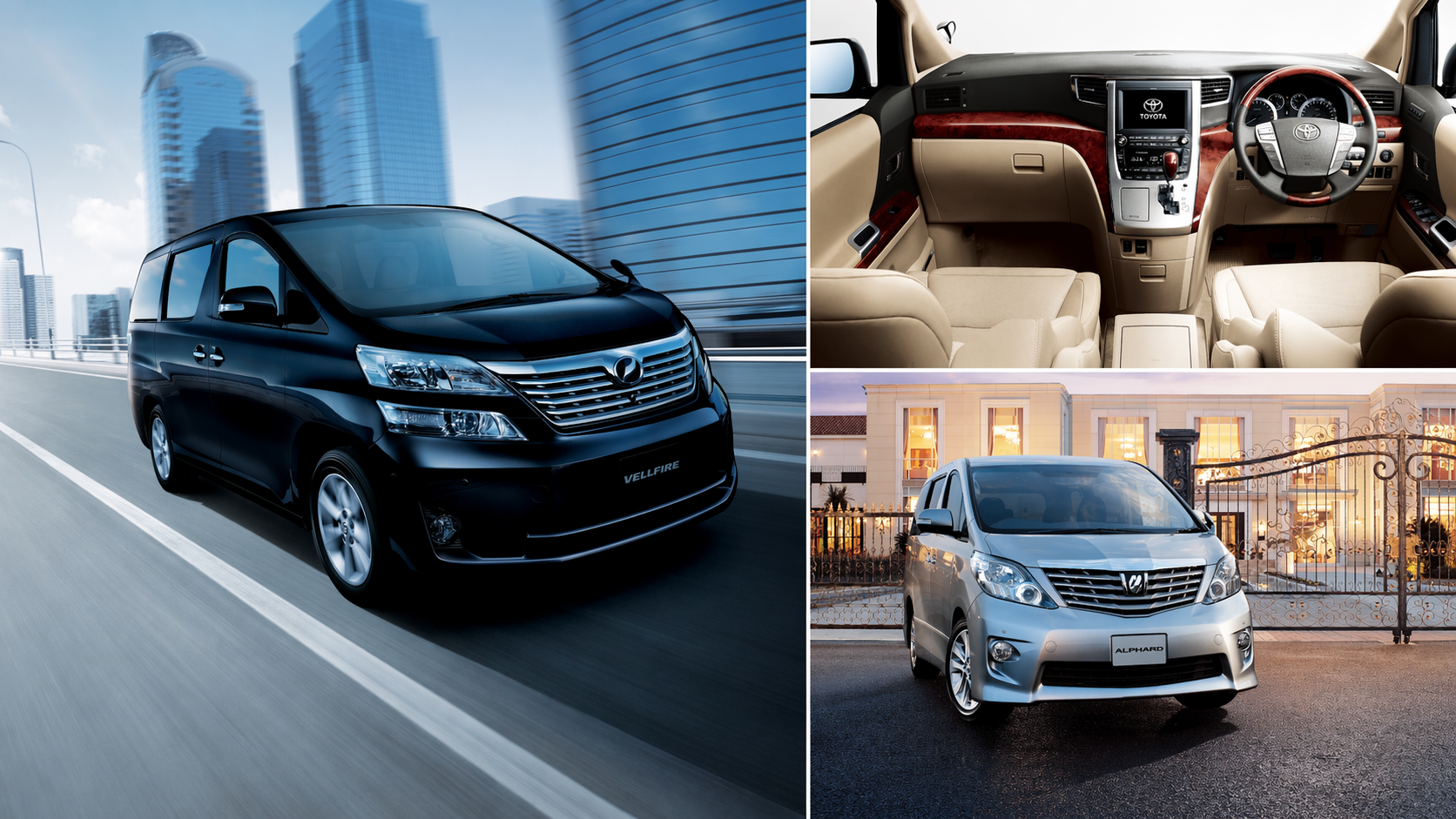
The Appeal of the Second Generation Alphard
A high-quality luxury minivan with a choice of a 2.4L+CVT or a 3.5L V6 for easy selection.
In the second generation of 2008, the Alphard and Vellfire were launched as sibling models. According to Toyota's official release, the Alphard is designed for the quality-conscious, while the Vellfire is aimed at users seeking more individuality. The Alphard is equipped with a 2.4L 2AZ-FE + Super CVT-i and a 3.5L 2GR-FE + 6 Super ECT, catering to a wide range of users, from those wishing to cut costs to those seeking high power and plenty of reserve. From 2011, the hybrid model was also reintroduced, adding a quieter and more environmentally-friendly option. The quality of the interior and exterior has increased since the first generation, with improvements in quietness and comfort. In particular, the rear seat area has been further refined, enhancing comfort for chauffeuring purposes and long-distance travel. In the used car market, many of these models are still fully equipped to meet modern standards and effortlessly demonstrate the charm of luxury minivans.
Drawbacks of the second-generation Alphard
There is a significant difference in character between the 2.4L and 3.5L models, with clear discrepancies in price and maintenance cost.
While the second generation model has a high-quality product power, the characters of the 2.4L and 3.5L versions differ significantly. The 2.4L version is sufficient for practical use, but due to its large body, you may feel a lack of power when fully loaded or at high speeds. On the other hand, the 3.5L V6 is very smooth and comfortable, but the costs of fuel, taxes, and consumables like tires and brakes will increase. Moreover, as the model year advances, it's crucial to carefully assess factors like the power sliding doors, air suspension, electrical systems of luxury-grade versions, the condition of the CVT or AT, and the wear of the suspension. While the car has a high-class exterior, compared to third-generation models onwards, advanced safety equipment is limited. The core product appeal remains being a "comfortable and luxurious minivan".
Rival of the second generation Alphard
Honda Elysion / Nissan Elgrand (Early E52)
The second generation Alphard can be compared to the Honda Elysion and the early Nissan Elgrand (E52 series). The Elysion exhibits Honda's trademark appeal for performance with a low center of gravity, while the Elgrand also enjoys stable handling and a luxurious feel due to its front-wheel-drive base and low center of gravity, rivaling the market-leading Alphard/Vellfire. However, the second generation Alphard maintains its throne through the comfort of its rear seats, a wide range of grades, and the strength of Toyota's sales and service network. Particularly noteworthy is the Alphard's decision to maintain its elevated "overlooking" driving position. While the Elgrand sought to lower its center of gravity and vehicle height, the Alphard satisfied the desires of those seeking a large-sized minivan. From a used car practical point of view, considering the abundance of parts and maintenance information, the Alphard is an extremely attractive choice.
Specifications of the second-generation Alphard
Size: Approximately 4,850mm in length × 1,830mm in width × 1,890mm in height Engine: 2.4L (2AZ-FE) / 3.5L V6 (2GR-FE) / 2.4L Hybrid Transmission: Super CVT-i, 6AT, Electronic CVT (Hybrid) Drive system: FF, 4WD Seating capacity: 7 / 8
The Third Generation Alphard (30 Series, 2015-2023) - Evolving from a "Luxury Minivan" to an "Ultra-Luxury Mobile Space"
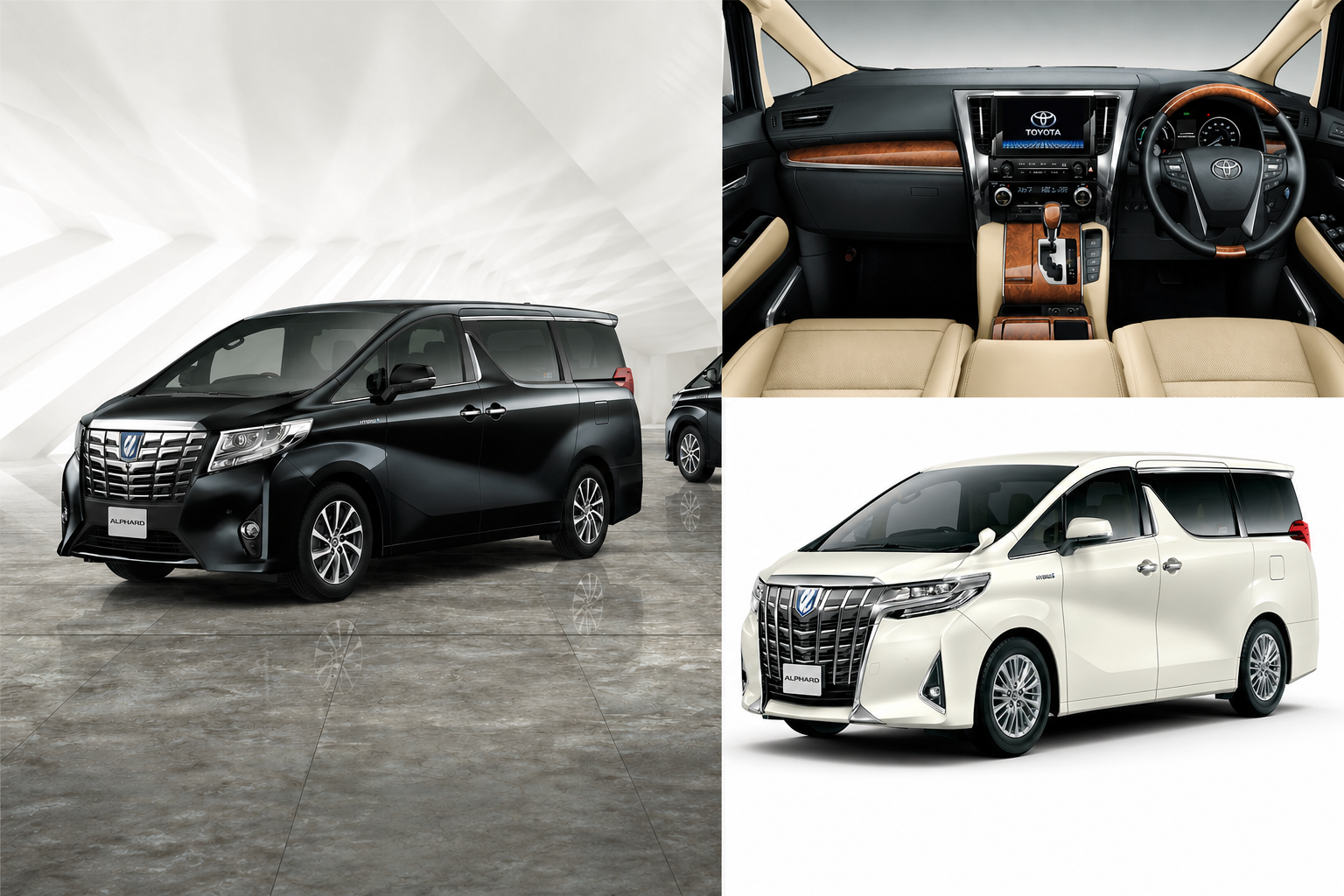
The Appeal of the Third Generation Alphard
Significant enhancement of rear seat comfort with Double Wishbone configuration and the Executive Lounge.
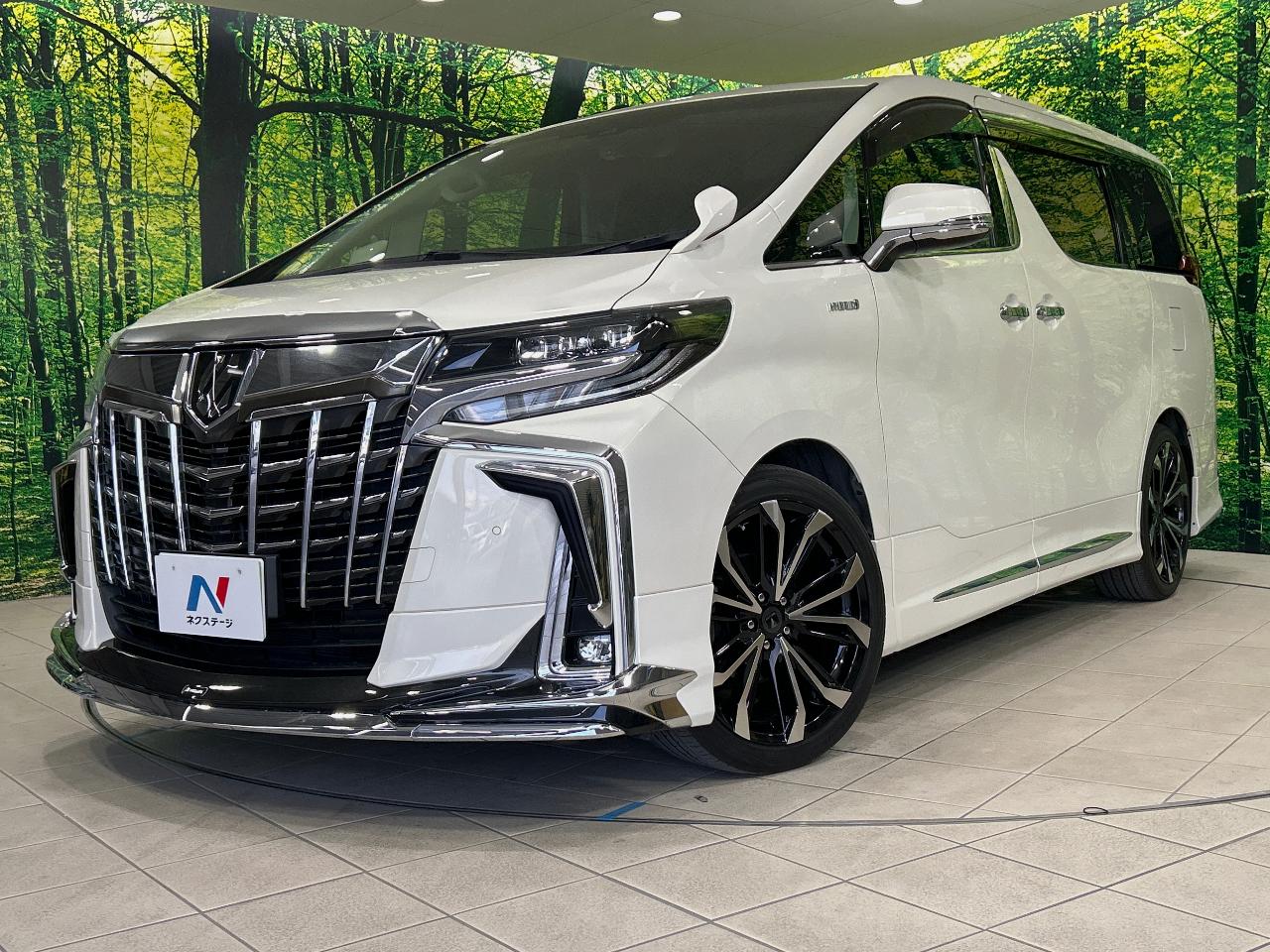
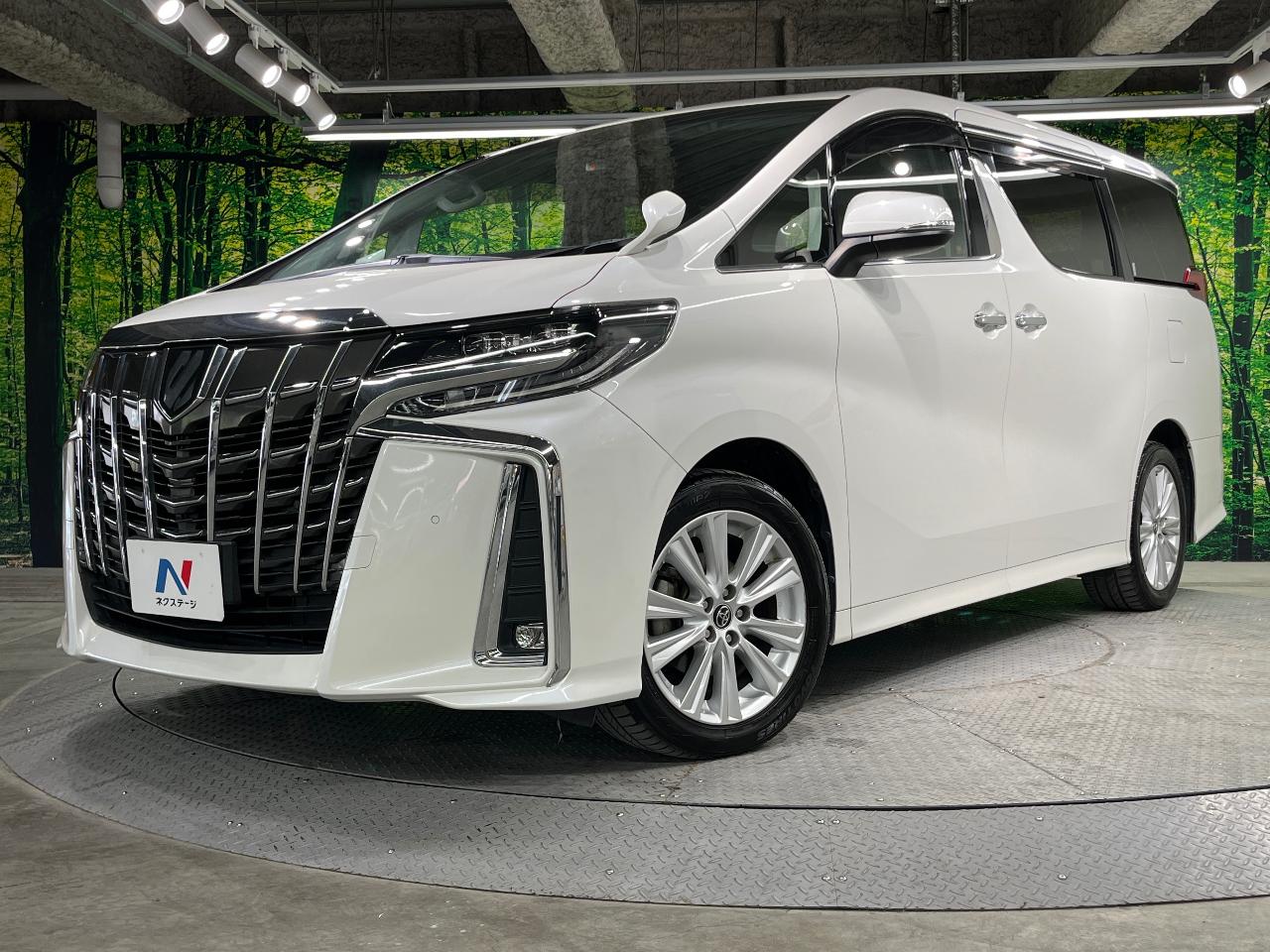
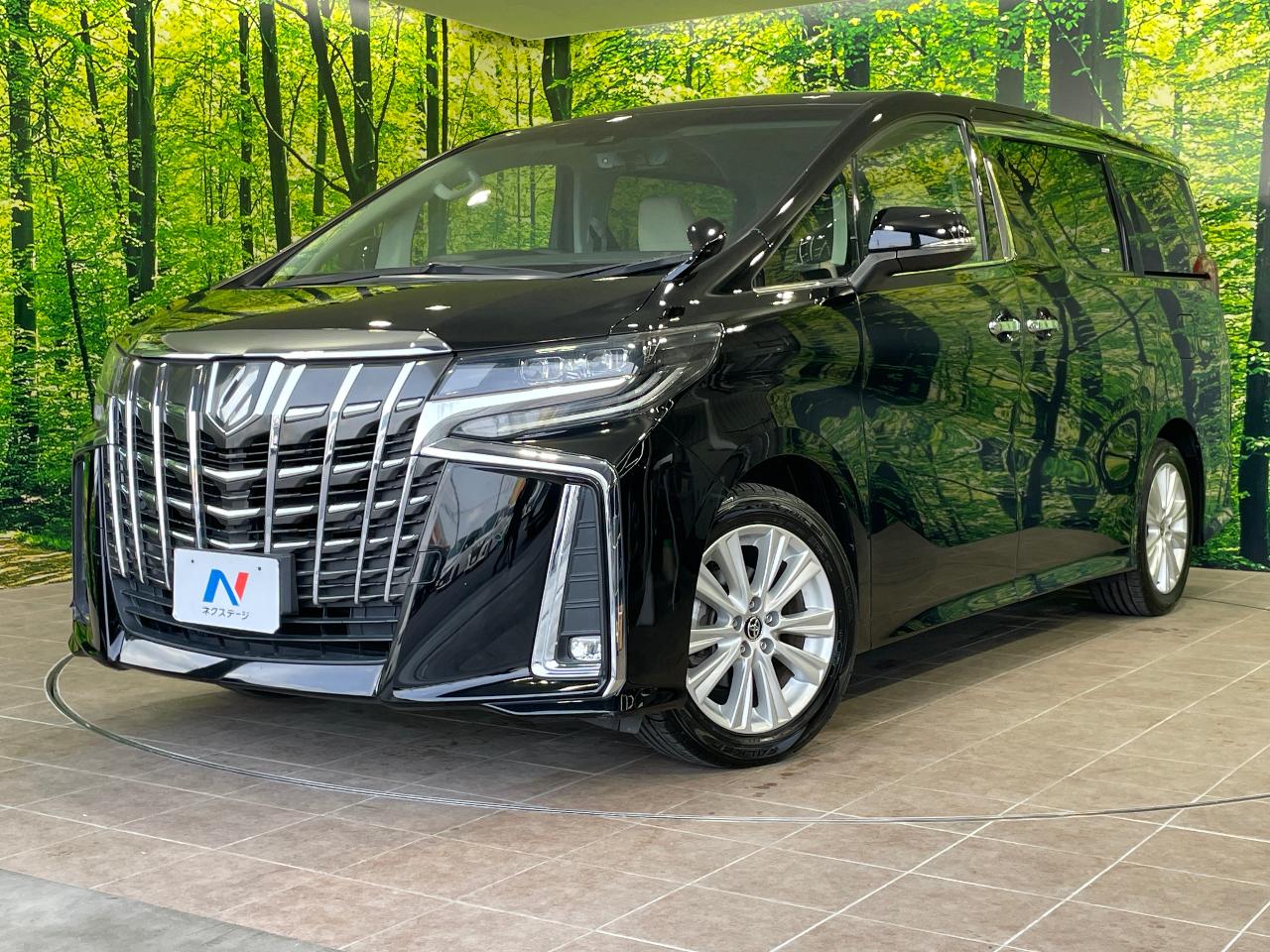
The third generation from 2015 greatly enhanced the appeal of the Alphard. In this generation, the new double wishbone type rear suspension and the highest grade "Executive Lounge" were introduced, taking the Alphard from a "minivan" to a "luxury saloon-like vehicle". The powertrain mainly consists of three types: a 2.5L gasoline, 3.5L V6, and a 2.5L hybrid which was particularly popular in Japan. The 3.5L model notably gained overwhelming smoothness with the upgrade to an 8-speed AT in 2018. The second row is more solid and quiet, and ride comfort has improved. This generation is ideal for pick-ups, family trips, and business use by people who value the "quality of the journey" itself. After minor changes, popularity of Alphard and Vellfire reversed, with an increase in demand overseas. The Alphard also gained popularity due to the good resale value, with the monthly loan repayment being similar to middle-class models like the Noah/Voxy. In the current used car market, there is a variety of choices, with significant differences in the early and late models, aerodynamic types, and Executive Lounge types.
Drawbacks of the Third Generation Alphard
With an increase in size and equipment, it's essential to assess maintenance costs and individual differences.
While the third generation is high in completion, increased body size and equipment have made the maintenance cost and distinction of individual differences important. The 2.5L is easy to handle, but the 3.5L clearly offers more ease when fully loaded or driving at high speed. On the flip side, the 3.5L is heavier on fuel consumption and taxes, and costs increase further with 4WD. Furthermore, there is a significant difference in equipment depending on the early and late models and the grade, requiring a thorough check of factors like the existence and generation of Toyota Safety Sense (evolved to the second generation after 2018), seat specifications, and electrical systems. This vehicle ranks high in appeal as a luxury minivan, but used units that appear inexpensive have potential breakdown risks with their equipment and interior wear, requiring confirmation.
Rival of the third-generation Alphard
Nissan Elgrand (Later Model) / Honda Odyssey
The third-generation Alphard had few real competitors, such as the later models of the Nissan Elgrand and the Honda Odyssey from around the same period. The Elgrand was attractive for its driving performance, but due to Nissan's strategic confusion, it did not undergo model changes and became outdated. It's also hard to call the Odyssey a direct rival as it was smaller and lower than the Alphard, and in terms of rear seat luxury and market momentum, the Alphard was overwhelmingly superior. The third generation effectively established the standard for luxury minivans, and its presence is still significant today.
Specifications of the third generation Alphard
Size: Approximately 4,915mm in length x 1,850mm in width x 1,895mm in height Engine: 2.5L (2AR-FE) / 3.5L V6 (2GR-FKS) / 2.5L Hybrid Transmission: Super CVT-i / 6AT / 8AT (3.5L from 2018 onwards) / Electronic CVT Drive System: FF, 4WD Seating Capacity: 7 or 8 people Fuel Economy: Approximately 12.8km/L for 2.5L, approximately 10.8km/L for 3.5L (calculated using later WLTC measurements)
4th Generation Alphard (40 Series, 2023–) - Current Luxury Minivan at the Pinnacle of Comfort
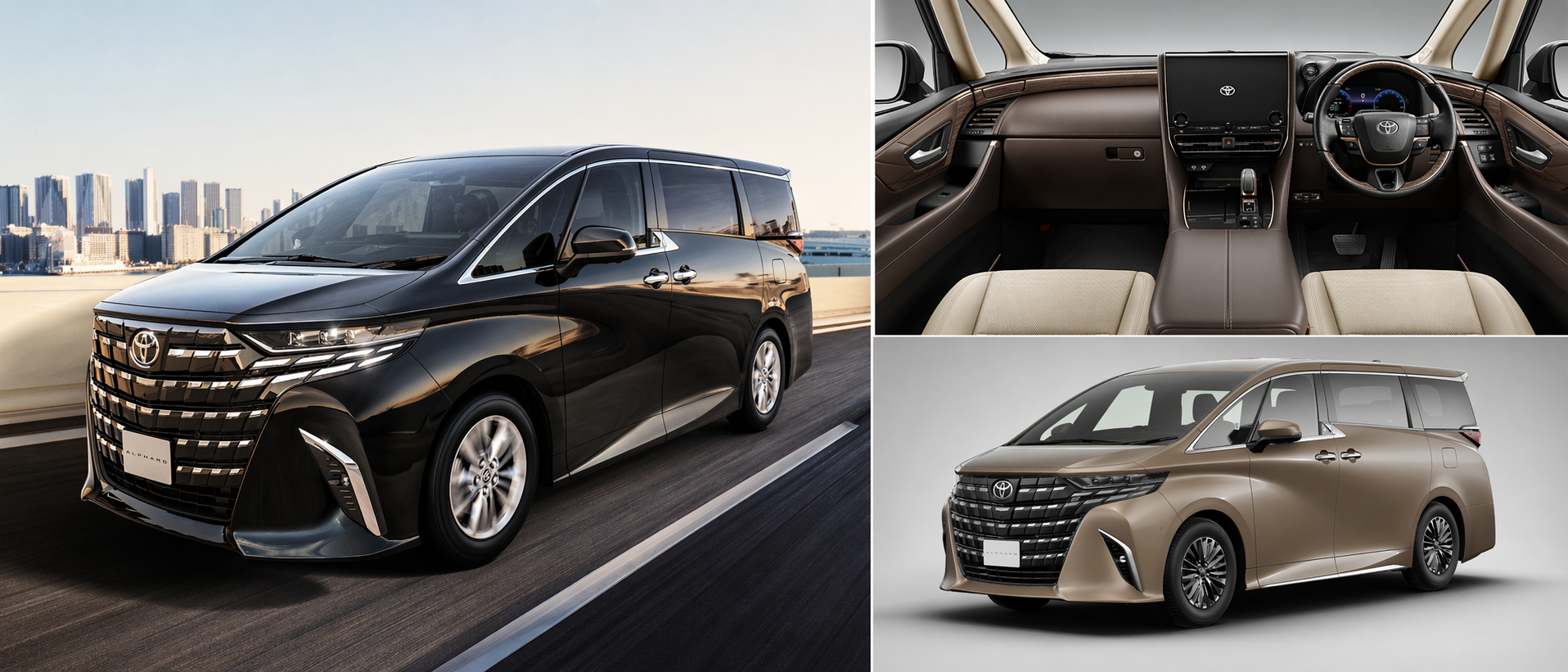
The charm of the fourth-generation Alphard
Current luxury minivan, centered around a 2.5L hybrid, elevates the quality of travel even further.
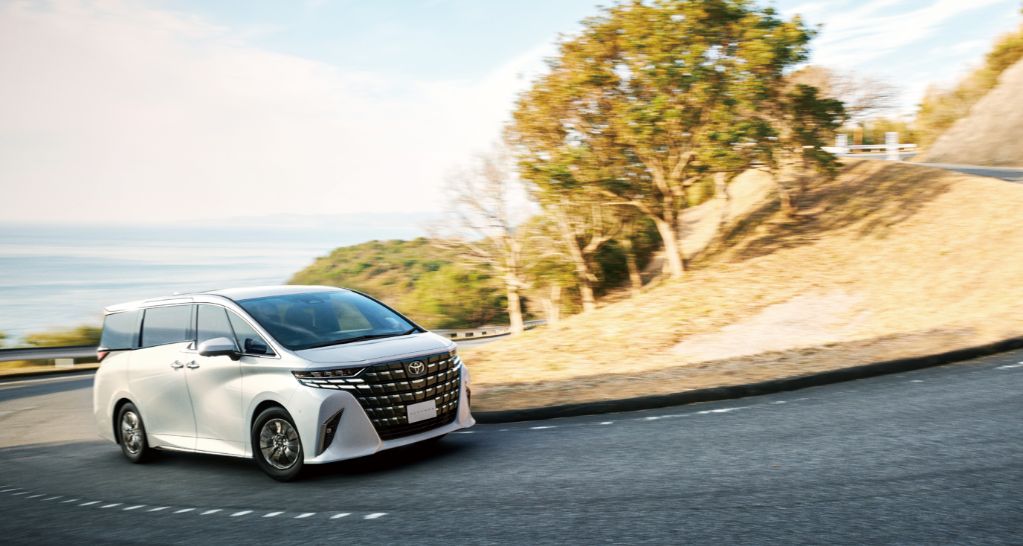
The fourth generation, launched in 2023, was completely revamped with the concept of "joy of comfortable mobility", renewing both the Alphard and Vellfire. According to Toyota official, the mainstay hybrid uses the 2.5L A25A-FXS Toyota Hybrid System, achieving 16.5km/L with the Executive Lounge E-Four. The reliable 2.5L gasoline model (2AR-FE) remains in the lineup, with a more powerful PHEV to be added from 2025. With improvements to rear seat comfort, ride comfort and quietness, the Alphard has been further refined as an "ultra-luxury mobile space". The exterior has a more commanding front mask, and the interior has been designed with even stronger emphasis on a chauffeur-style approach. This fourth generation most succinctly embodies the essence of the Alphard across all generations.
Drawbacks of the 4th Generation Alphard
With increasing prices, minivans are no longer an affordable option.
To put it bluntly, the main drawback of the current Alphard is its price. According to Toyota's official price list during the 2024 PHEV add-on, the Hybrid Executive Lounge E-Four climbs to the level of around 9 million yen, falling more into the realm of a luxury chauffeur car rather than a standard family minivan. Furthermore, from this generation onward, the "8-seater (bench seat)" option was discontinued, necessitating a note that all cars are exclusively equipped with 7-seater (captain's seat) configurations. The body size is also large, causing concerns on narrow roads and parking spaces in urban areas. Although the powertrain and safety equipment are advanced, this comes with an increased range of electronic controls and high-performance features, making the long-term repair costs harder to predict compared to previous generations. Expect high prices in the second-hand market, making it not a "cost-effective choice".
Rivals of the Fourth Generation Alphard
Lexus LM / Mercedes-Benz V-Class
The fourth generation Alphard competes with the Lexus LM and luxury import minivans/MPVs both domestically and abroad. The LM leans more towards luxury, while the V-Class charms with its European driving feel and brand appeal. On the other hand, the Alphard has carved out its own niche as a "Japanese luxury minivan" with its comfort, ease of boarding and disembarking, and the sophistication of its hybrid system. While the price ranges are getting closer, it still has a strong competitive edge in the balance of practicality and luxury. However, the arrival of the new Nissan Elgrand has been announced for 2026. There is keen interest in how much the first new Elgrand model in 16 years can shake up Alphard's stronghold - a market that originally belonged to the Elgrand.
Specifications of the 4th Generation Alphard
Size: Length approximately 4,995mm x Width approximately 1,850mm x Height approximately 1,935mm Engine: 2.5L Hybrid (A25A-FXS) / 2.5L Gasoline (2AR-FE) / 2.5L PHEV Transmission: Electric CVT (for Hybrid) / Super CVT-i (for Gasoline) Drive System: 2WD, E-Four, 4WD Maximum System Output: 250ps (for Hybrid) / 306ps (for PHEV) Fuel Efficiency: 16.5~17.7km/L (Hybrid WLTC Mode) Seating Capacity: 7 persons (*No 8-seater option)
Search By Maker
- Abartha
- Airman
- Alfa Romeo
- AMG
- Aston martin
- Audi
- Bentley
- BMW
- BMW ALPINA
- BYD
- Cadillac
- CAT
- CATERHAM
- Caterpillar
- Chevrolet
- Chrysler
- Citroen
- Daihatsu
- Daimler
- Denyo
- Dodge
- DS Automobiles
- Ferrari
- Fiat
- Ford
- GM
- GMC
- Hino
- Hitachi
- Honda
- Hyundai
- Infiniti
- Iseki
- Isuzu
- Jaguar
- Jeep
- Kawasaki
- Kobelco
- Komatsu
- Kubota
- Lamborghini
- Lancia
- Land Rover
- Lexus
- Lincoln
- Lotus
- Maserati
- Mazda
- Mercedes Benz
- MG
- Mitsubishi
- Mitsubishi Fuso
- Mitsuoka
- Nissan
- Opel
- Others
- Peugeot
- Pontiac
- Porsche
- RANGE ROVER
- Renault
- Rolls-Royce
- Rover
- Saab
- Sakai
- Smart
- Subaru
- Sumitomo
- Suzuki
- TCM
- TESLA
- Toyota
- Volkswagen
- Volvo
- YAMAHA
- Yanmar
Search for Toyota Cars by Model
- 86
- Allex
- Allion
- Alphard
- Alphard G
- Alphard Hybrid
- Alphard V
- Altezza
- Altezza Gita
- Aqua
- Aristo
- Auris
- Avalon
- Avensis
- Axio
- bB
- Belta
- Blade
- Brevis
- C-HR
- Caldina
- Caldina Van
- Cami
- Camroad
- Camry
- Camry Gracia
- Camry Hybrid
- Carina
- Carina ED
- Cavalier
- Celica
- Celica XX
- Celsior
- Century
- CH-R
- Chaser
- Coaster
- Coaster Big Van
- Coaster R
- Comfort
- Corolla
- Corolla Axio
- Corolla Celles
- Corolla Cross
- Corolla Fielder
- Corolla FX
- Corolla II
- Corolla Levin
- Corolla Rumion
- Corolla Runx
- Corolla Sedan
- Corolla Spacio
- Corolla Sport
- Corolla Sports
- Corolla Touring
- Corolla Touring Wagon
- Corolla Van
- Corolla Wagon
- CorollaCross
- Corona
- Corona Exiv
- Corona Premio
- Corona Sf
- Corona Van
- Corsa
- Crassic
- Cresta
- Crown
- Crown Athlete Series
- Crown Comfort
- Crown Crossover
- Crown Estate
- Crown Hardtop
- Crown Hybrid
- Crown Majesta
- Crown Royal Series
- Crown Sedan
- Crown Sports
- Crown Station Wagon
- Crown Van
- Curren
- Cynos
- Deliboy
- Duet
- Dyna
- Dyna Route Van
- Dyna Truck
- Dyna Urban Supporter
- Dyna Van
- Esquire
- Estima
- Estima Emina
- Estima Hybrid
- Estima L
- Estima Lucida
- Estima T
- Fielder
- FJ CRUISER
- FORKLIFT
- Fun Cargo
- Gaia
- GR YARIS
- GR86
- Gracia Wagon
- Grand Hiace
- Granvia
- Harrier
- Harrier Hybrid
- Hiace
- Hiace Commuter
- Hiace Regius
- Hiace Truck
- Hiace Van
- Hiace Wagon
- HIGHLANDER
- Hilux
- Hilux Pick up
- Hilux Sports Pickup
- Hilux Surf
- Hilux Surf Van
- Hilux Truck
- HIMEDIC
- Ipsum
- iQ
- Isis
- IST
- KLUGER
- Kluger Hybrid
- Kluger L
- Kluger V
- Land Cruiser
- Land Cruiser 250
- Land Cruiser 70
- Land Cruiser Cygnus
- Land Cruiser Prado
- Landcruiser 70
- Landcruiser 80
- Liteace Noah
- Liteace Truck
- Liteace Van
- Liteace Wagon
- Mark II
- Mark II Blit
- Mark II Qualis
- Mark II Van
- Mark II Wagon
- Mark X
- Mark X Zio
- Masterace Surf
- Megacruiser
- MR-S
- MR2
- Nadia
- Noah
- OPA
- Others
- Passo
- Passo sette
- Pixis
- Pixis Epoch
- PIXIS VAN
- Platz
- Porte
- Prado
- Premio
- Prius
- Prius alpha
- Prius PHV
- Prius α
- Probox
- Probox Van
- Probox Wagon
- Progress
- Pronard
- Publica
- Quick Delivery
- Ractis
- Raize
- Raum
- RAV4
- RAV4 J
- RAV4 L
- RAV4 PHV
- Regius Van
- Regius Wagon
- Regiusace Commuter
- Regiusace Van
- Roomy
- Rush
- SAI
- Scepter
- Scepter Wagon
- Sequoia
- Sera
- Sienta
- Soarer
- Spade
- Sparky
- Sprinter Carib
- Sprinter Marino
- Sprinter Sedan
- Sprinter Trueno
- Sprinter Van
- Sprinter Wagon
- Starlet
- Starlet Van
- Succeed
- Succeed Van
- Succeed Wagon
- Supra
- TANK
- Tercel
- Touring Hiace
- Townace Noah
- Townace Truck
- Townace Van
- Townace Wagon
- Toyoace
- Toyoace Route Van
- Toyoace Truck
- Toyoace Urban Supporter
- Toyota Others
- Tundra
- Vanguard
- Vellfire
- Vellfire Hybrid
- Verossa
- Vista Ardeo
- Vista Sedan
- Vitz
- Voltz
- Voxy
- Will Cypha
- Will Vi
- Will VS
- Windom
- Wish
- Yaris
- Yaris Cross