


Used Isuzu Cars for Sale — 9 listed
Set your destination to see the total price including shipping (C&F).
9 Results
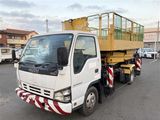
Ref# UW-6a0e681f61157
YAMAKATSU CO.,LTD
2005 Isuzu Elf PB-NKR81AN
- Mileage
- 60,894 km
- Year
- 2005/6
- Engine
- 4,800cc
- Trans.
- Automatic
FOBPrice$4,941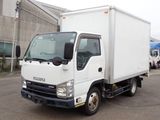
Ref# UW-mtv24odzp26l
TOMISHO CO.,LTD
2013 Isuzu Elf Truck TKG-NHS85AN
1.5ton Panel van *4JJ1*
- Mileage
- 66,670 km
- Year
- 2013/11
- Engine
- 2,990cc
- Trans.
- Automatic
FOBPrice$5,856.08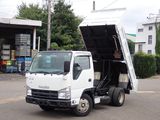
Ref# UW-mtv247h819gn
TOMISHO CO.,LTD
2012 Isuzu Elf Truck SKG-NKR85AN
3ton Dump Full-flat low floor *4JJ1*
- Mileage
- 109,509 km
- Year
- 2012/3
- Engine
- 2,990cc
- Trans.
- Manual
FOBPrice$9,891.05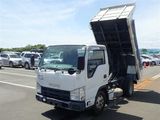
Ref# UW-6a98d8ee5fe9d
TOMISHO CO.,LTD
2013 Isuzu Elf Truck TKG-NKR85AN
3ton Fully low floor Dump *4JJ1*
- Mileage
- 109,867 km
- Year
- 2013/11
- Engine
- 2,990cc
- Trans.
- Automatic
FOBPrice$9,949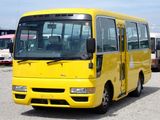
Ref# UW-mu3d3l69vvpa
TOMISHO CO.,LTD
2004 Isuzu Journey KK-SBVW41
Toddler bus *4D33*
- Mileage
- 254,721 km
- Year
- 2004/8
- Engine
- 4,200cc
- Trans.
- Manual
FOBPrice$10,102.33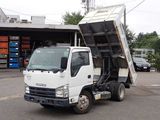
Ref# UW-6a98d872e0959
TOMISHO CO.,LTD
2011 Isuzu Elf SKG-NKR85AN
3ton Dump Full-flat low floor *4JJ1*
- Mileage
- 119,306 km
- Year
- 2011/12
- Engine
- 2,990cc
- Trans.
- Manual
FOBPrice$10,610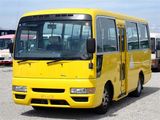
Ref# UW-6a98d8ec33655
TOMISHO CO.,LTD
2004 Isuzu Journey Bus KK-SBVW41
Kindergarten bus
- Mileage
- 254,721 km
- Year
- 2004/8
- Engine
- 4,160cc
- Trans.
- Manual
FOBPrice$10,622
Ref# UW-6a98d8667c111
TOMISHO CO.,LTD
2014 Isuzu Elf Truck TKG-NJR85AD
2ton Full flat low Dump *4JJ1*
- Mileage
- 63,259 km
- Year
- 2014/9
- Engine
- 2,990cc
- Trans.
- Manual
FOBPrice$11,541.6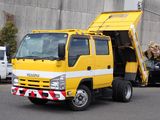
Ref# UW-6a98d882a949b
TOMISHO CO.,LTD
2011 Isuzu Elf Truck BKG-NJR85AD
1.75ton Double cab Dump *4JJ1*
- Mileage
- 97,102 km
- Year
- 2011/7
- Engine
- 2,990cc
- Trans.
- Manual
FOBPrice$12,016.79


Used Isuzu Car Import and Purchase Guide: An Overview of Popular Models and How to Choose.
Isuzu Motors is a Japanese automobile manufacturer that traces its roots back to 1916 when a predecessor company began planning automobile manufacturing. The current company, Tokyo Automobile Industry, was established in 1937. Isuzu has a long history of developing trucks, buses, and diesel engines since before World War II, and today it focuses on products such as the Elf small truck, Forward medium truck, Giga large truck, buses, and commercial vans like the Como in the Japanese market. In the past, it also produced passenger cars such as the Bellett, 117 Coupe, Gemini, and Piazza, as well as SUVs like the Bighorn. Currently, it produces the D-MAX pickup truck, which is part of the Wizard lineage, and its derived vehicle, the MU-X, for individual customers in Thailand. In the Japanese used car market, there is a wide variety of options centered around commercial vehicles, including model year, vehicle type, loading capacity, vehicle configuration, engine type, and 2WD/4WD choices, requiring careful comparison based on usage. Internationally, the Elf series is known as the N-Series, and other models such as the D-MAX and MU-X are also available. When importing used Isuzu vehicles from Japan, it is crucial to distinguish between domestic specifications and international specifications.
Reasons Why Isuzu Used Cars Are Popular Overseas
Isuzu is a commercial vehicle manufacturer that offers a range of vehicles including small to large trucks, buses, and vans, and also markets the D-MAX and MU-X overseas. When it comes to used vehicles, key selection points include not only the condition of the vehicle itself but also the suitability of the vehicle type for its intended use, specifications of the diesel engine, bodywork, and the availability of parts and maintenance services.
A lineup of commercial vehicles that can be selected based on用途, centered around the Elf, Forward, and Giga models.
One of the key features of Isuzu is the wide range of commercial vehicles available, from the lightweight Elf, the medium-duty Forward, to the heavy-duty Giga, allowing customers to choose based on load capacity and purpose. The Elf is used for deliveries and small logistics, the Forward for medium-distance transport and customized vehicles, while the Giga is utilized for long-distance transport and applications like dump trucks and tractors. Even with the same model name, the wheelbase, cab shape, drive type, maximum payload capacity, and types of customization can vary significantly, so it is essential to check the specific vehicle type individually when considering used vehicles. When importing to overseas markets, it is also important to verify the payload capacity and vehicle dimensions suitable for local uses, check for signs of overloading, and inspect the condition of the frame for rust or repairs, as well as the operational status of auxiliary equipment like PTOs.
Diesel technology including D-CORE and a wide range of engine offerings.
Isuzu has been developing diesel engines for many years, and various engines with different displacements and applications are used in commercial vehicles, such as the 4JJ1, 4JZ1, 4HK1, and 6UZ1. The D-CORE series of diesel engines has been developed with a focus on torque, fuel efficiency, and lightweight compactness, and is deployed across a range of commercial vehicles from small to large sizes. In the case of used vehicles, not only the engine model but also the specifications of emissions-related equipment such as fuel injection, turbo, EGR, and DPD vary by model year. It is practical to check oil management, injectors, turbo, cooling systems, DPD regeneration history, and also to consider whether the importing country can service the same engine type and secure consumables and replacement parts.
Global model lineup of D-MAX and MU-X for overseas markets, along with the old SUV models.
Isuzu currently does not produce passenger cars in Japan, but overseas it offers the 1-ton pickup D-MAX and the MU-X, which is based on the D-MAX. In the past, Isuzu sold four-wheel drive vehicles in Japan, such as the Bighorn, MU, and Wizard, and these models were marketed under different names overseas, like the Trooper for the Bighorn and the Amigo for the MU. It is important not to assume that models sharing the same overseas name have the same specifications, as names, engines, emissions standards, and safety features can vary by market. When purchasing used SUVs from Japan, checking the four-wheel drive switching mechanism, undercarriage rust, turbo and fuel injection systems, and the history of past recalls and service campaigns against the vehicle's identification number can help reduce uncertainties after purchase.
This is the popular used car from Isuzu.
We will introduce Isuzu used vehicles that are likely to be candidates for purchase and export from Japan, including commercial vehicles, buses, and classic SUVs/passenger cars. The internationally recognized model names will also be included.
Elf (Overseas Name: N-Series)
The Elf is a compact truck that was introduced in 1959 and is widely used in Japan for various industries such as delivery, construction, and equipment work. It comes in numerous configurations, including flatbed, van, dump, and refrigerated vehicles, with variations in payload capacity, wheelbase, 2WD/4WD options, and transmission types depending on the model. In the used car market, there are many vehicles equipped with the 4JJ1 or 4JZ1 engines, and potential buyers often want to check not just the bed and body, but also the condition of the frame, leaf springs, DPD, PTO, clutch, and automatic transmission. There are markets abroad where it is sold under the name N-Series.
Elf Mio
The Elf Mio is a model in the Elf series, designed specifically as a compact truck suitable for regular driver's license requirements. It features a convenient size for urban delivery and small business vehicle use, but as a used vehicle, it is still relatively new in terms of model year, making it important to confirm any variations in specifications. When purchasing, please check not only the vehicle's gross weight, maximum loading capacity, and license classification but also the weight and intended use after modifications. Since the Japanese license classification is not directly applicable in export destinations, decisions should be based on the local registration categories and loading regulations.
Forward (marketed as F-Series internationally)
The Forward is a medium-duty truck that was introduced in 1970 and continues to be the core model of Isuzu's medium commercial vehicles. It is highly versatile, available in various configurations such as flatbed, wing, refrigerated truck, dump, and crane-equipped models, with many units equipped with the representative 4HK1 diesel engine available in circulation. When considering used vehicles, it is essential to check not only the mileage but also the load from the body configuration, as well as the condition of the frame, suspension, clutch, transmission, DPD, turbo, and air brake system. Additionally, since vehicle dimensions and weight classifications may differ from Japan in the import destination, it's crucial to verify registration requirements in advance.
Giga
The Giga is a large truck that was first introduced in 1994. It comes in various body types, including cargo, dump, mixer, and tractor, and is equipped with high-displacement diesel engines, such as the 6UZ1. Many units have been used for long-distance transport and high payloads, so when purchasing a used model, it's important to check not only the engine and transmission but also the differential, air suspension, fifth wheel, PTO, and any frame distortions or corrosion based on its intended use. Since the transportation costs and handling at ports are significant for large vehicles, it's crucial to compare total costs, including vehicle price and shipping conditions.
Como
The Como is a one-box vehicle designed for business use, currently marketed by Isuzu as a commercial van. Its spacious cargo area makes it suitable for deliveries, shuttle services, and service vehicles. It is an OEM version of the Nissan Caravan (NV350). Since the base vehicle and specifications vary by model year, it's important not to rely solely on the Isuzu name when identifying parts. Always check the model number and engine. For used vehicles, it's advisable to examine the condition of the cargo floor and interior paneling, as well as the sliding door, back door, air conditioning, diesel exhaust system, and look for signs of overloading or prolonged idling.
Erga
The Elga is a vehicle designed for large route and shuttle bus applications. As it is used in urban route buses, it is essential to consider not only the mileage but also the operational history, which often involves frequent starting and stopping, when evaluating used models. Depending on the model year, differences may occur in the engine, transmission, safety equipment, and emission control systems, with options for hybrid and electric vehicles available. If you are considering export, please check the local registration requirements regarding overall length, width, passenger capacity, as well as the operational status of door mechanisms, air suspension, brakes, air conditioning, and wheelchair-related facilities.
Gala
The Gala is a large sightseeing and highway bus that was first introduced in 1996. It features amenities for long-distance travel and has a spacious luggage compartment, primarily used for tourism, intercity transport, and shuttle services. When checking used buses, it's important to inspect not only the engine and transmission but also the air suspension, retarder, heating and cooling systems, entry and exit doors, as well as corrosion in the seating, interior, and underfloor luggage compartments. Since the import and registration conditions can vary significantly based on the bus's body dimensions and seating layout, it is necessary to verify the vehicle registration information against the actual specifications before determining the eligibility for export.
Bighorn (also known as Trooper, etc.)
The Big Horn is a full-fledged four-wheel drive SUV that debuted in 1981 and is widely known overseas as the Trooper. In Japan, both diesel and gasoline variants, including the second-generation UBS model, have been available and used for off-road driving and recreational purposes. When purchasing a used vehicle, it's important to check the 4WD switch, transfer case, rust on the undercarriage and frame, suspension, and oil management of the turbo diesel engine. Certain 3.0L diesel models are subject to past service campaigns and recalls, so it's advisable to verify the history of any corrective actions based on the vehicle identification number.
Wizard (marketed as Rodeo in North America)
The Wizard is an SUV that was sold from the 1990s to the early 2000s, and it is a 5-door model that shares its chassis with the MU. It was marketed under different names such as Rodeo in various overseas markets, so it's essential to verify not only the Japanese name but also the model and engine specifications when searching for parts. In the Japanese used car market, there are vehicles equipped with a 3.0L diesel engine, and it’s important to check the fuel injection system, turbo, engine oil condition, 4WD mechanism, and underbody rust. Like the Big Horn, there is official recall and service campaign information for the model years in question, so please make sure to check this before purchase.
Gemini
The Gemini is a compact passenger car that was introduced in 1974. Initially, it was developed as a global car in collaboration with GM and was exported overseas. Over the generations, it underwent significant structural changes from rear-wheel drive (FR) to front-wheel drive (FF), and by the late 1990s, there were also OEM supply vehicles from Honda, making it challenging to specify the exact model just by the name "Gemini." Currently, it has a strong character as a classic car, and when importing used models overseas, it is essential to prioritize checks on body corrosion, rubber and plastic parts, fuel systems, electrical components, air conditioning, and the availability of replacement parts.
Popular Isuzu Used Car Engines
Isuzu used cars mainly feature diesel engines. Here, we introduce five representative models centered around commercial vehicles circulating in Japan.
4JJ1 (Elf, etc.)
The 4JJ1 is a 2,999cc inline 4-cylinder diesel engine that has primarily been used in small trucks like the Elf. It features electronic control common rail and a turbocharger, focusing on low-end torque and drivability for commercial vehicles. Depending on the model year and specifications, the turbo, exhaust gas aftertreatment, and control mechanisms vary, and the output is not consistent. When assessing used vehicles, it’s important to check the engine oil change history, injectors, turbo, EGR, DPD regeneration status, and cooling system. Since the Elf has significant variations in body configuration and operating environment, it's practical to consider not only the mileage but also idle time and load conditions when making an evaluation.
4JZ1 (used in Elf, some Elf Mio models, etc.)
The 4JZ1 is a 3.0L class inline 4-cylinder diesel engine used in the current generation of Elf models. Isuzu has made maintenance information available for vehicles equipped with the 4JZ1, allowing buyers to check inspection details specific to each model when selecting used cars from newer model years. Since it is used in various applications from small delivery vans to different types of special vehicles, it is important to check not only the condition of the engine itself but also the specifications of exhaust-related systems such as DPD, as well as warning history related to oil levels and oil pressure, including after-treatment systems like urea SCR. Additionally, whether diagnostic access to the same generation of electronic control systems is possible at the destination, or if specialized parts can be procured, are also crucial factors to consider.
4HK1 (used in some Forward and Elf models)
The 4HK1 is a 5,193cc inline 4-cylinder diesel engine and is one of the representative engines for the Forward series. It is featured as a main engine option for the Forward in Isuzu's rebuilt product information, and it is also used in some models of the Elf. While it provides the necessary torque for payload in medium-sized vehicles, its usage conditions vary significantly for long-distance transport, refrigerated trucks, and crane vehicles. When purchasing a used vehicle, it is essential to check the condition of the injectors, turbo, EGR, DPD, cooling system, and oil leaks, as well as the engine brake and auxiliary components. Even within the same 4HK1 engine model, control systems and after-treatment devices differ based on the model year and regulatory classification, so please verify the model number and emission gas symbols.
6UZ1 (such as Giga)
The 6UZ1 is a straight-six diesel engine with a total displacement of 9,839cc, designed for large vehicles like the Giga. Some current Giga specifications incorporate electronic control common rail and variable-capacity turbo technology, focusing on low-end torque and combustion efficiency essential for large trucks. When examining used vehicles, it is important to check the oil consumption, cooling system, fuel injection, turbo, exhaust after-treatment system, and engine mounts, as they are built for long-distance and heavy-duty use. Even if the engine is functioning normally, large vehicles can incur significant repair costs in the transmission, differential, braking system, and air system, making it crucial to review the inspection records for the entire powertrain.
4JJ3 (D-MAX, MU-X: International Specification)
The 4JJ3 is a 2,999cc inline 4-cylinder diesel engine used in overseas models such as the current D-MAX and MU-X. The official D-MAX display vehicle from Isuzu shows an example with a maximum output of 140 kW and a maximum torque of 450 N·m, but the output and emission specifications vary by country and grade. This is not intended to be a typical used engine for regular sale in Japan, but rather a reference model for comparing Isuzu vehicles in overseas specifications. When purchasing, please check for compatibility with local emissions equipment, fuel quality, diagnostic tools, and the supply system for replacement parts, and be cautious not to treat it as the same as the 3.0L engine for the Elf in Japan.
Important points to consider when importing used Isuzu vehicles from Japan.
Isuzu used vehicles have a high proportion of commercial vehicles, which means that even within the same model name, specifications such as model type, maximum payload, wheelbase, body configuration, engine, and drive type can vary significantly. Before purchasing, please verify the vehicle identification number, year of first registration, model number, engine type, emission standard, 2WD/4WD status, and the manufacturer and specifications of the body configuration. For models such as Elf, Forward, and Giga, check for signs of frame rust or repairs, evidence of overloading, and the status of DPD, SCR, turbo, PTO, and transmission according to the intended use. For older models like the Big Horn and Wizard, the 4WD system and any official recall or service campaign history are also critical. Additionally, confirm the model year and emission regulations of the country of import, registration conditions for right-hand drive vehicles, vehicle dimensions and weight classifications, as well as parts procurement and diagnostic environments in the local area to avoid mixing domestic specifications with overseas versions like the D-MAX and MU-X.
If you're looking to import used Isuzu vehicles from Japan, choose UCARWORLD.
At UCARWORLD, you can find used Isuzu vehicles listed by partner dealerships across Japan. Commercial vehicles like the Elf, Forward, and Giga can vary significantly in function based on factors such as body type, payload capacity, configuration, and drivetrain, even with the same model name. Therefore, it is essential to compare the listed vehicle information alongside the year and price to narrow down your options effectively. If you have a vehicle of interest, you can inquire with the dealership about its specifications and condition, and check the total purchase amount including shipping costs. The entire process, from ordering to invoice issuance and payment, can be completed online, allowing you to proceed with the purchase without coming to Japan. When searching for Isuzu commercial vehicles, consider not only the vehicle price but also compare payload capacity, configuration details, and engine type to find a model that suits your needs.