


Used Toyota Noah for Sale — 682 listed
Set your destination to see the total price including shipping (C&F).
682 Results

Ref# UW-69d47e0a32590
DIYATA JAPAN CO.,LTD
2007 Toyota Noah DBA-AZR65G
X 4WD
- Mileage
- 108,100 km
- Year
- 2007/5
- Engine
- 2,000cc
- Trans.
- Automatic
FOBPrice$1,900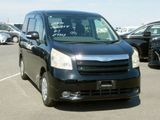
Ref# UW-mupasc6v5hu2
DIYATA JAPAN CO.,LTD
2009 Toyota Noah DBA-ZRR70G
X
- Mileage
- 107,500 km
- Year
- 2009/11
- Engine
- 2,000cc
- Trans.
- Automatic
FOBPrice$3,500
Ref# UW-6a0e685e216f2
YAMAKATSU CO.,LTD
2016 Toyota Noah DAA-ZWR80W
HYBRID Si
- Mileage
- 97,155 km
- Year
- 2016/6
- Engine
- 1,800cc
- Trans.
- Automatic
FOBPrice$8,400
Ref# UW-6a0e6848d7580
YAMAKATSU CO.,LTD
2017 Toyota Noah DBA-ZRR80W
Si W BYE B
- Mileage
- 85,434 km
- Year
- 2017/3
- Engine
- 2,000cc
- Trans.
- Automatic
FOBPrice$9,264
Ref# UW-6a0e681b6f8fe
YAMAKATSU CO.,LTD
2018 Toyota Noah DBA-ZRR80W
Si W BYE B
- Mileage
- 108,945 km
- Year
- 2018/3
- Engine
- 2,000cc
- Trans.
- Automatic
FOBPrice$9,635
Ref# UW-6a0e6819a719d
YAMAKATSU CO.,LTD
2020 Toyota Noah DBA-ZRR80G
X
- Mileage
- 60,134 km
- Year
- 2020/3
- Engine
- 2,000cc
- Trans.
- Automatic
FOBPrice$12,353
Ref# UW-6a0e681d2a440
YAMAKATSU CO.,LTD
2021 Toyota Noah 3BA-ZRR80G
X
- Mileage
- 49,065 km
- Year
- 2021/2
- Engine
- 2,000cc
- Trans.
- Automatic
FOBPrice$13,279
Ref# UW-6a979633940c4
INSPIRE LLC
2007 Toyota Noah DBA-ZRR70W
S
- Mileage
- 92,595 km
- Year
- 2007/11
- Engine
- 1,986cc
- Trans.
- CVT
FOBPrice$2,853
Ref# UW-6aa8b9cc7576d
INSPIRE LLC
2011 Toyota Noah DBA-ZRR75W
Si
- Mileage
- 118,190 km
- Year
- 2011/6
- Engine
- 1,986cc
- Trans.
- CVT
FOBPrice$3,784
Ref# UW-mvd23o247ewl
INSPIRE LLC
2011 Toyota Noah DBA-ZRR75G
X Smart Edition
- Mileage
- 124,494 km
- Year
- 2011/2
- Engine
- 1,986cc
- Trans.
- CVT
FOBPrice$4,187
Ref# UW-mv1lzuiruj4r
INSPIRE LLC
2013 Toyota Noah DBA-ZRR70G
X G Edition
- Mileage
- 71,030 km
- Year
- 2013/11
- Engine
- 1,986cc
- Trans.
- CVT
FOBPrice$4,653
Ref# UW-6a8bb7f9cdf6b
INSPIRE LLC
2013 Toyota Noah DBA-ZRR70W
Si
- Mileage
- 109,610 km
- Year
- 2013/6
- Engine
- 1,986cc
- Trans.
- CVT
FOBPrice$4,777
Ref# UW-6a9e2d6fc6c61
INSPIRE LLC
2011 Toyota Noah DBA-ZRR70W
50th Anniversary Special Edition Si Raish
- Mileage
- 72,707 km
- Year
- 2011/10
- Engine
- 1,986cc
- Trans.
- CVT
FOBPrice$4,963
Ref# UW-6ab73a3e1afd8
INSPIRE LLC
2012 Toyota Noah DBA-ZRR70W
Si
- Mileage
- 90,735 km
- Year
- 2012/9
- Engine
- 1,986cc
- Trans.
- CVT
FOBPrice$5,211
Ref# UW-6a76a0a2c8a82
INSPIRE LLC
2011 Toyota Noah DBA-ZRR70W
50th Anniversary Special Edition Si Raish
- Mileage
- 86,070 km
- Year
- 2011/9
- Engine
- 1,986cc
- Trans.
- CVT
FOBPrice$5,242
Ref# UW-mv8rlyvvz82k
INSPIRE LLC
2012 Toyota Noah DBA-ZRR70W
50th Anniversary Special Edition Si Raish
- Mileage
- 75,812 km
- Year
- 2012/3
- Engine
- 1,986cc
- Trans.
- CVT
FOBPrice$5,273
Ref# UW-6aaa0b70514c4
INSPIRE LLC
2014 Toyota Noah DBA-ZRR80G
X
- Mileage
- 115,960 km
- Year
- 2014/9
- Engine
- 1,986cc
- Trans.
- CVT
FOBPrice$5,273
Ref# UW-6aa616a02f24c
INSPIRE LLC
2012 Toyota Noah DBA-ZRR70W
50th Anniversary Special Edition Si Raish
- Mileage
- 81,070 km
- Year
- 2012/2
- Engine
- 1,986cc
- Trans.
- CVT
FOBPrice$5,583
Ref# UW-6a8fac906a540
INSPIRE LLC
2014 Toyota Noah DBA-ZRR80W
Si
- Mileage
- 117,615 km
- Year
- 2014/2
- Engine
- 1,986cc
- Trans.
- CVT
FOBPrice$5,583
Ref# UW-mulwy03nsncm
INSPIRE LLC
2014 Toyota Noah DBA-ZRR70G
X Special Edition
- Mileage
- 75,288 km
- Year
- 2014/1
- Engine
- 1,986cc
- Trans.
- CVT
FOBPrice$5,769
Ref# UW-6aa221f016ffb
INSPIRE LLC
2011 Toyota Noah DBA-ZRR70W
50th Anniversary Special Edition Si Raish
- Mileage
- 72,050 km
- Year
- 2011/8
- Engine
- 1,986cc
- Trans.
- CVT
FOBPrice$6,204
Ref# UW-6a642b3e2c8e1
INSPIRE LLC
2014 Toyota Noah DBA-ZRR80W
Si
- Mileage
- 96,510 km
- Year
- 2014/12
- Engine
- 1,986cc
- Trans.
- CVT
FOBPrice$7,010
Ref# UW-6aadffdc73716
INSPIRE LLC
2016 Toyota Noah DBA-ZRR80W
Si
- Mileage
- 79,253 km
- Year
- 2016/6
- Engine
- 1,986cc
- Trans.
- CVT
FOBPrice$7,569
Ref# UW-muyr5k0u5vc0
INSPIRE LLC
2016 Toyota Noah DBA-ZRR80W
Si
- Mileage
- 76,800 km
- Year
- 2016/10
- Engine
- 1,986cc
- Trans.
- CVT
FOBPrice$7,742
Ref# UW-mv1lzxa0fu8r
INSPIRE LLC
2015 Toyota Noah DBA-ZRR80W
Si
- Mileage
- 102,251 km
- Year
- 2015/9
- Engine
- 1,986cc
- Trans.
- CVT
FOBPrice$7,755
Ref# UW-6ab73a3f596fe
INSPIRE LLC
2014 Toyota Noah DBA-ZRR80W
Si
- Mileage
- 86,500 km
- Year
- 2014/1
- Engine
- 1,986cc
- Trans.
- CVT
FOBPrice$7,755
Ref# UW-6ab4972245b84
INSPIRE LLC
2016 Toyota Noah DAA-ZWR80W
Hybrid Si Double Bybee
- Mileage
- 114,196 km
- Year
- 2016/8
- Engine
- 1,797cc
- Trans.
- CVT
FOBPrice$7,879
Ref# UW-6aa0d0a45a45c
INSPIRE LLC
2014 Toyota Noah DBA-ZRR80W
Si
- Mileage
- 124,580 km
- Year
- 2014/7
- Engine
- 1,986cc
- Trans.
- CVT
FOBPrice$7,879
Ref# UW-6aab5bc237978
INSPIRE LLC
2014 Toyota Noah DBA-ZRR80W
Si
- Mileage
- 86,140 km
- Year
- 2014/5
- Engine
- 1,986cc
- Trans.
- CVT
FOBPrice$8,437
Ref# UW-6a7a94ea78e30
INSPIRE LLC
2016 Toyota Noah DBA-ZRR80W
Si
- Mileage
- 92,700 km
- Year
- 2016/5
- Engine
- 1,986cc
- Trans.
- CVT
FOBPrice$8,623
Ref# UW-mv8rm4p3m1nx
INSPIRE LLC
2016 Toyota Noah DBA-ZRR80W
Si
- Mileage
- 106,635 km
- Year
- 2016/7
- Engine
- 1,986cc
- Trans.
- CVT
FOBPrice$8,747
Ref# UW-6ab49720c49e1
INSPIRE LLC
2015 Toyota Noah DAA-ZWR80G
Hybrid X Delight Plus
- Mileage
- 81,290 km
- Year
- 2015/5
- Engine
- 1,797cc
- Trans.
- CVT
FOBPrice$8,934
Ref# UW-6a9a3989cdd58
INSPIRE LLC
2014 Toyota Noah DAA-ZWR80G
Hybrid X
- Mileage
- 73,140 km
- Year
- 2014/11
- Engine
- 1,797cc
- Trans.
- CVT
FOBPrice$8,934
Ref# UW-6a94f2f664151
INSPIRE LLC
2016 Toyota Noah DBA-ZRR80W
Si
- Mileage
- 60,240 km
- Year
- 2016/6
- Engine
- 1,986cc
- Trans.
- CVT
FOBPrice$8,934
Ref# UW-mv8rmcj7vb86
INSPIRE LLC
2018 Toyota Noah DBA-ZRR80W
Si Double Bybee
- Mileage
- 126,000 km
- Year
- 2018/5
- Engine
- 1,986cc
- Trans.
- CVT
FOBPrice$9,244
Ref# UW-6a85203b88d86
MaccaLi inc
2014 Toyota Noah DBA-ZRR85G
G
- Mileage
- 76,640 km
- Year
- 2014/9
- Engine
- 1,986cc
- Trans.
- CVT
FOBPrice$9,244
Ref# UW-mv8rm17tbfqu
INSPIRE LLC
2014 Toyota Noah DBA-ZRR80G
G
- Mileage
- 52,375 km
- Year
- 2014/10
- Engine
- 1,986cc
- Trans.
- CVT
FOBPrice$9,368
Ref# UW-muugwaoa07zs
INSPIRE LLC
2018 Toyota Noah DBA-ZRR80W
Si Double Bybee
- Mileage
- 121,760 km
- Year
- 2018/9
- Engine
- 1,986cc
- Trans.
- CVT
FOBPrice$9,554
Ref# UW-6a9a394b31b62
INSPIRE LLC
2016 Toyota Noah DBA-ZRR80W
Si Double Bybee
- Mileage
- 76,000 km
- Year
- 2016/12
- Engine
- 1,986cc
- Trans.
- CVT
FOBPrice$9,554
Ref# UW-6a93a1ab0dfed
INSPIRE LLC
2016 Toyota Noah DAA-ZWR80W
Hybrid Si Double Bybee
- Mileage
- 88,610 km
- Year
- 2016/11
- Engine
- 1,797cc
- Trans.
- CVT
FOBPrice$9,554
Ref# UW-muvwvgsp232c
INSPIRE LLC
2015 Toyota Noah DAA-ZWR80G
Hybrid G
- Mileage
- 73,270 km
- Year
- 2015/3
- Engine
- 1,797cc
- Trans.
- CVT
FOBPrice$9,988
Ref# UW-mv1m00z7ahzt
INSPIRE LLC
2016 Toyota Noah DBA-ZRR80W
Si Double Bybee
- Mileage
- 75,970 km
- Year
- 2016/11
- Engine
- 1,986cc
- Trans.
- CVT
FOBPrice$10,298
Ref# UW-6ab1f4048b6ba
MaccaLi inc
2014 Toyota Noah DBA-ZRR85G
G
- Mileage
- 72,677 km
- Year
- 2014/11
- Engine
- 1,986cc
- Trans.
- CVT
FOBPrice$10,298
Ref# UW-6ab1f3fccc21f
INSPIRE LLC
2018 Toyota Noah DBA-ZRR80G
X
- Mileage
- 80,669 km
- Year
- 2018/4
- Engine
- 1,986cc
- Trans.
- CVT
FOBPrice$10,298
Ref# UW-6aab5bc26044d
INSPIRE LLC
2014 Toyota Noah DBA-ZRR80W
Si
- Mileage
- 54,400 km
- Year
- 2014/5
- Engine
- 1,986cc
- Trans.
- CVT
FOBPrice$10,298
Ref# UW-6aa37448da57d
INSPIRE LLC
2015 Toyota Noah DAA-ZWR80G
Hybrid G
- Mileage
- 80,406 km
- Year
- 2015/8
- Engine
- 1,797cc
- Trans.
- CVT
FOBPrice$10,609
Ref# UW-mv8rma8qg30o
INSPIRE LLC
2017 Toyota Noah DBA-ZRR80W
Si Double Bybee
- Mileage
- 89,988 km
- Year
- 2017/12
- Engine
- 1,986cc
- Trans.
- CVT
FOBPrice$10,919
Ref# UW-mv073bwiqvio
INSPIRE LLC
2016 Toyota Noah DBA-ZRR80G
G
- Mileage
- 29,869 km
- Year
- 2016/7
- Engine
- 1,986cc
- Trans.
- CVT
FOBPrice$10,919
Ref# UW-muoshlexqpwx
INSPIRE LLC
2018 Toyota Noah DBA-ZRR80W
Si Double Bybee
- Mileage
- 91,298 km
- Year
- 2018/11
- Engine
- 1,986cc
- Trans.
- CVT
FOBPrice$10,919
Ref# UW-6aae0022cb59c
INSPIRE LLC
2018 Toyota Noah DAA-ZWR80W
Hybrid Si Double Bybee
- Mileage
- 101,610 km
- Year
- 2018/7
- Engine
- 1,797cc
- Trans.
- CVT
FOBPrice$10,919


Noah Purchase Guide

The Toyota Noah is a three-row minivan popular for its 5-number width (overall width of 1,695mm on most grades) optimized for Japanese road conditions, its spacious interior, and the practicality of its low-floor sliding door. Starting off as the sibling model of the "Townace/Liteace Noah" (1996–2001), it became an independent model in 2001 (first generation), and has evolved into its second (2007–2014) and third (2014–2021) generations. Appreciated for its easy-to-handle 2.0L gasoline engine, flexible 7/8-seater arrangements, and options of FF/4WD, the third generation also introduced a hybrid option. Its size is perfect for narrow roads and multi-level parking lots, and the accumulation of practical features enhances its value as a "family vehicle".
Townace/Liteace Noah (1996-2001) - The origin of the box-style package

The Appeal of TownAce/LiteAce Noah
Low-floor, wide-opening sliding doors and the efficiency of a "box" design.
This generation, the original model, maximizes interior space with its boxy, angular design. Its low floor and wide-opening sliding doors make everyday boarding and child seat usage simple, and offer easy access to the third row in a natural posture. The manageable torque of its 2.0L petrol engine, the choice between FR/4WD, and versatile 2-3 row seat layouts accommodate various needs, like "family/transportation/hobbies". The broad field of view from the seating position and maneuverability contribute to the feeling of security in urban areas and narrow streets. Its easy-to-use physical dashboard switches and intuitive controls simplify operation, while its maintenance items are straightforward. This generation established the "practicality-first box" concept that was later passed on to the Noah/Voxy models. In Japan, the Honda Step Wagon, which debuted in 1996, redefined the 2.0L class minivan with its passenger car-based front-wheel-drive low floor chassis, sliding doors, and third-row seats. This generation of Noah continues to use the commercial vehicle-based FR chassis, providing superior durability. However, to match the Step Wagon as a passenger minivan, we will have to wait for the next generation.
Drawbacks of TownAce/LiteAce Noah
The collision safety and quietness are "appropriate for the times", and the fuel efficiency is modest.
The body structure and safety equipment meet the standards of the time, so compared to the current generation, the front overhang and passive safety are limited. Its high-speed sound insulation and straight-line stability do not match modern minivans. Older models tend to show signs of aging, especially around the suspension bushes, dampers, cooling hoses, and accessory belts; corrosion on the lower body and sliding door rails should also be noted. The operation of the 4WD and automatic transmission, as well as engine idling vibrations and exhaust noises, are points to check. Fuel efficiency is roughly 10-12 km per liter in 10/15 mode, and maintenance costs tend to be higher than for the latest generation. When buying, give priority to the maintenance history and the replacement history of consumables.
Rival of Townace/Liteace Noah
Nissan Serena (C23) / Honda Stepwagon (First Generation)
As box-shaped minivans of the same period, the Serena C23 stood out with its boxy feel and practical equipment, while the first generation of the Stepwagon rose to prominence with its low floor and spacious interior. Although the later released Stepwagon has the edge in terms of performance and comfort, the Townace/Liteace Noah competes with its "solid usability and maintainability". It's worth choosing based on the balance of price and condition, parts availability, and the ease of understanding daily maintenance.
Specs of Townace/Liteace Noah
Size Guide: Total length approximately 4,400-4,600mm × total width 1,695mm × total height approximately 1,850-1,900mm Engine: 2.0L Inline 4 Gasoline (AT focused) Transmission: 4-speed automatic (main) Drive system: FR, 4WD Seating capacity: 7/8 passengers Fuel economy reference: 10-12km/L (equivalent to 10-15 mode)
First Generation Noah (2001–2007) - Increased Quietness and Practicality through Specialized Model Development

The charm of the first-generation Noah
The ease of handling a 2.0L x 4AT, combined with a low-floor and spacious interior.
Revamped both exterior and interior designs and packages as a special model of minivan, not based on a commercial vehicle. Optimized the balance of low to mid-speed torque and silence in city driving by adopting front-wheel drive and 2.0L straight 4 (direct injection D-4 series) × 4AT. The floor is low, the sliding door opening is wide, and with fold-up storage in the third row, luggage space can be used flexibly. The high point of view for driving, good visibility, and responsive handling are reassuring for urban driving. It is well equipped with seven/eight seats, flexible seating arrangements, ample storage and power outlets around the front seats, all essential for everyday family transportation. Improved interior quality and sound insulation make for a "smooth ride" that remains comfortable even on long drives.
Drawbacks of the first generation Noah
Early direct injection care, 4AT cruising rotation, advanced safety not yet maintained.
Due to its original design, the direct-injection D-4 tends to produce intake and EGR dirt more easily, stemming from fuel quality or bias towards short-distance driving. Regular cleaning and proper oil management are essential for reliable operation. The 4-speed automatic transmission runs at a slightly higher engine speed during highway cruising, underperforming the succeeding models in terms of fuel efficiency and quietness. Advanced safety features and driver assistance are not well-equipped, and anti-skid and collision damage mitigation brakes are not expected. When considering a used model, pay close attention to the quality of the engine idle, the smoothness of the automatic transmission shifts, the extent of rust prevention on the undercarriage, the performance of the air conditioning, and the fit of the sliding door.
The rival of the first-generation Noah
Nissan Serena (C24) / Honda Stepwgn (2nd generation)
The Serena C24 excels in interior spaciousness and equipment, while the second generation Stepwagon impresses with its nimble handling and convenience, making it a close match. The Noah boasts a balance of size and practical features, and its ease of maintenance and wide availability are its weapons, making it easy to find well-maintained examples. If you mainly drive in urban areas, choose front-wheel drive; for snowy regions, go for 4WD. Select a 7/8 seater with a seat mechanism that suits your family structure for greater satisfaction.
First Generation Noah Specifications
Size: Total Length Approximately 4,560–4,700mm × Total Width 1,695mm × Total Height Approximately 1,850–1,875mm Engine: 2.0L inline 4-cylinder 1AZ-FSE (Direct Injection D-4) Transmission: 4-speed Automatic Drive System: FF, 4WD Seating Capacity: 7/8 Passengers Fuel Economy: Approximately 10–13km/L (10・15 Mode)
2nd Generation Noah (2007-2014) ~ New Engine x CVT for "Silent and Smooth" experience

The Charm of the Second Generation Noah
2.0L 3ZR-FAE x CVT, the perfect balance of low floor and ample space.
By combining the new generation 2.0L straight-4 valve-matic with a Super CVT-i, acceleration to cruising is gentle and quiet. You can experience improved fuel efficiency and silence in both city and highway driving. With a low floor, low center of gravity, and high rigidity body, the ride comfort is improved while ensuring ample interior length. The second row has generous sliding room, making it easier to ensure legroom even with child seats or tall passengers. Features such as electric sliding doors and plenty of storage space, including a third row that folds up for storage, have been inherited and improved. This is perfect for family events, from everyday life to trips.
Disadvantages of the Second Generation Noah
Maintenance perspective on CVT and the "transition period" of safety equipment
The CVT is generally smooth, but maintenance history (fluid management) is crucial for vehicles with high mileage. Pay attention to heat load management when driving uphill or under heavy load. Safety features vary by model year and grade, including anti-skid measures and side airbags. It's essential to identify which features are included when buying used. Be sure to check the condition of the suspension bushes, sliding door rails, door lock actuator operation, and the cooling efficiency of the air conditioner.
The second-generation Noah's rival
Nissan Serena (C25/C26 early model) / Honda Stepwgn (RG series)
This generation of 2.0L class minivans is highly regarded for their performance. The Serena is aggressive with its idling stop and interior comfort features, while the Step Wagon competes with its drivability and load capacity. The Noah is appreciated for its "orthodox styling", "balance of silence, comfort, and fuel economy", and "easy handling despite being 5-number wide". Its high overall score for urban use, along with overwhelming information on maintenance and abundance of parts, contributes to the peace of mind for owners.
Specifications of the 2nd Generation Noah
Size: Total length approximately 4,595–4,620mm × total width 1,695mm × total height approximately 1,820–1,870mm Engine: 2.0L inline 4 3ZR-FAE (Variable valve mechanism) Transmission: CVT (Super CVT-i) Drive system: FF, 4WD Seating capacity: 7/8 passengers Fuel efficiency reference: approximately 12–15km/L (10・15 mode/JC08 transition period)
Third Generation Noah (2014-2021)~Advancing "Economy and Quietness" with Added Hybrid

The Charm of the Third-Generation Noah
1.8L Hybrid x e-CVT added, significantly improving fuel efficiency and quietness.
In addition to the gas 2.0L (3ZR-FAE×CVT), we have added the long-awaited 1.8L hybrid (2ZR-FXE×e-CVT). Assisted by electric power in stop-and-go city traffic, it significantly improves the smoothness of start-up, quietness, and practical fuel economy. Long distances are made comfortable through platform rigidity, noise insulation, and a reevaluation of seat design. Advanced safety equipment, such as collision damage mitigation brakes, have been progressively expanded, reinforcing the "peace of mind" required for family transportation. While the third-row seating still primarily uses a flip-up design, the usability of the cargo floor has been polished, making it smooth to load things like strollers and camping gear.
Drawbacks of the Third Generation Noah
Hybrid vehicle weight and price, cargo space limitations due to flip-up storage.
While hybrids offer the significant advantages of quiet operation and fuel efficiency, they inevitably come with increased weight and price. Situations where the engine revolutions tend to increase can readily occur under continuous hill climbing or when the car is fully loaded with multiple passengers. The pop-up third row seats stick out laterally, so caution is required since they may interfere with large objects loaded widthwise. Also, there is a performance difference in advanced safety features depending on the model year, so it's important to verify the version of the equipment when purchasing a used car. However, the ADAS of this generation of Noah/Voxy used an infrared laser instead of a millimeter-wave radar until the end and did not adopt ACC, which made it seem inferior compared to Serena or Step Wagon launched around the same time. Checking the maintenance history of the CVT and brakes, as well as the condition of the auxiliary battery/cooling lines in hybrids, will provide you with reassurance.
Rival of the third-generation Noah
Nissan Serena (C27 early model) / Honda StepWagon (RP1/3)
The Serena leads the pack with advanced driving support and versatile interior utilities, while the Step Wagon showcases nimbleness with its low-floor package and 1.5L turbo (later edition). The Noah competes with its manageable 5-number width, quiet and economical hybrid system, and practical amenities for families. Its easy maneuverability in urban areas and foreseeable maintenance costs make it an easy choice.
Specifications of the 3rd Generation Noah
Size: Approximately 4,695mm in length × 1,695mm in width × 1,825–1,870mm in height Engine: Gasoline: 2.0L 3ZR-FAE straight-four × CVT Hybrid: 1.8L 2ZR-FXE × e-CVT (with motor assist) Drive Method: FF, 4WD (mainly for gasoline models) Passenger Capacity: 7/8 seats Fuel Economy (Estimate): Gasoline: Approximately 14–16km/L (JC08 period) Hybrid: Approximately 23–24km/L (JC08 period)