


Used Land Rover Cars for Sale — 217 listed
Set your destination to see the total price including shipping (C&F).
217 Results
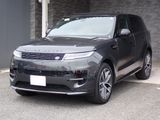
Ref# UW-6a98d8bed58c6
TOMISHO CO.,LTD
2025 Land Rover RANGE ROVER SPORTS 3CA-L123WB
D300 Autobiography
- Mileage
- 8,386 km
- Year
- 2025/3
- Engine
- 2,990cc
- Trans.
- Automatic
FOBPrice$78,472.83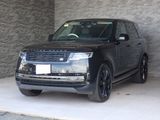
Ref# UW-6a98d8767be00
TOMISHO CO.,LTD
2024 Land Rover Range Rover 3CA-LK93WA
D300 HSE SWB
- Mileage
- 10,482 km
- Year
- 2024/1
- Engine
- 2,990cc
- Trans.
- Automatic
FOBPrice$96,161.22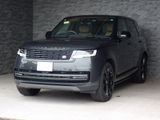
Ref# UW-mtv23yr1hgqp
TOMISHO CO.,LTD
2025 Land Rover Range Rover 7CA-LK93WB
Autobiography D300 SWB
- Mileage
- 8,289 km
- Year
- 2025/7
- Engine
- 2,990cc
- Trans.
- Automatic
FOBPrice$110,807.11
Ref# UW-mvyhp7atpurh
INSPIRE LLC
2019 Land Rover Range Rover Evoque DBA-LV2XB
SE
- Mileage
- 45,500 km
- Year
- 2019/3
- Engine
- 1,995cc
- Trans.
- Automatic
FOBPrice$10,610
Ref# UW-mvvmsujuojvd
INSPIRE LLC
2016 Land Rover Range Rover Evoque CBA-LV2A
HSE
- Mileage
- 57,800 km
- Year
- 2016/11
- Engine
- 1,998cc
- Trans.
- Automatic
FOBPrice$10,610
Ref# UW-6ab739c4a7222
INSPIRE LLC
2019 Land Rover Range Rover Evoque 3DA-LZ2NA
S
- Mileage
- 44,980 km
- Year
- 2019/12
- Engine
- 1,999cc
- Trans.
- Automatic
FOBPrice$16,318
Ref# UW-6a6d659d10c5b
INSPIRE LLC
2019 Land Rover Range Rover Evoque 5BA-LZ2XA
S
- Mileage
- 30,000 km
- Year
- 2019/6
- Engine
- 1,997cc
- Trans.
- Automatic
FOBPrice$16,318
Ref# UW-muxbzqq0qolf
INSPIRE LLC
2019 Land Rover Range Rover Evoque 5BA-LZ2XA
S
- Mileage
- 44,512 km
- Year
- 2019/6
- Engine
- 1,997cc
- Trans.
- Automatic
FOBPrice$16,380
Ref# UW-mw1dotz4u8b0
INSPIRE LLC
2019 Land Rover Range Rover Evoque 5BA-LZ2XA
S
- Mileage
- 39,200 km
- Year
- 2019/10
- Engine
- 1,997cc
- Trans.
- Automatic
FOBPrice$16,815
Ref# UW-mv06z7a581xa
INSPIRE LLC
2019 Land Rover Range Rover Evoque 5BA-LZ2XA
R-Dynamic S
- Mileage
- 34,955 km
- Year
- 2019/6
- Engine
- 1,997cc
- Trans.
- Automatic
FOBPrice$17,435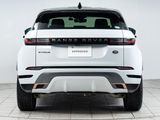
Ref# UW-6aa373766b006
INSPIRE LLC
2019 Land Rover Range Rover Evoque 5BA-LZ2XA
First Edition
- Mileage
- 61,545 km
- Year
- 2019/7
- Engine
- 1,997cc
- Trans.
- Automatic
FOBPrice$17,683
Ref# UW-mw1dot4ooxew
INSPIRE LLC
2019 Land Rover Range Rover Evoque 3DA-LZ2NA
S
- Mileage
- 66,300 km
- Year
- 2019/8
- Engine
- 1,999cc
- Trans.
- Automatic
FOBPrice$18,180
Ref# UW-mvvmsvzcdwz3
INSPIRE LLC
2019 Land Rover Range Rover Evoque 5BA-LZ2XA
S
- Mileage
- 39,000 km
- Year
- 2019/6
- Engine
- 1,997cc
- Trans.
- Automatic
FOBPrice$18,180
Ref# UW-6a7fd9ee4ca85
INSPIRE LLC
2019 Land Rover Range Rover Evoque 3DA-LZ2NA
SE
- Mileage
- 52,500 km
- Year
- 2019/8
- Engine
- 1,999cc
- Trans.
- Automatic
FOBPrice$18,180
Ref# UW-6a433491cfc14
INSPIRE LLC
2020 Land Rover Range Rover Evoque 5BA-LZ2XA
SE
- Mileage
- 29,780 km
- Year
- 2020/12
- Engine
- 1,995cc
- Trans.
- Automatic
FOBPrice$18,428
Ref# UW-mva7y630lnuc
INSPIRE LLC
2019 Land Rover Range Rover Evoque 7BA-LZ2XAP
SE
- Mileage
- 49,722 km
- Year
- 2019/5
- Engine
- 1,990cc
- Trans.
- Automatic
FOBPrice$18,490
Ref# UW-6a48aae31d50a
INSPIRE LLC
2023 Land Rover Discovery Sport 3CA-LC2ND
SE D200
- Mileage
- 18,460 km
- Year
- 2023/8
- Engine
- 1,997cc
- Trans.
- Automatic
FOBPrice$19,793
Ref# UW-6a34b3c62f140
INSPIRE LLC
2019 Land Rover Range Rover Evoque 5BA-LZ2XA
R-Dynamic S
- Mileage
- 59,010 km
- Year
- 2019/6
- Engine
- 1,997cc
- Trans.
- Automatic
FOBPrice$19,793
Ref# UW-mut1km6691tb
INSPIRE LLC
2021 Land Rover Range Rover Evoque 5BA-LZ2XA
S P200
- Mileage
- 12,425 km
- Year
- 2021/12
- Engine
- 1,995cc
- Trans.
- Automatic
FOBPrice$20,041
Ref# UW-mv4ghf2tmu48
INSPIRE LLC
2022 Land Rover Range Rover Evoque 5BA-LZ2XA
S P200
- Mileage
- 40,843 km
- Year
- 2022/9
- Engine
- 1,995cc
- Trans.
- Automatic
FOBPrice$20,351
Ref# UW-6a9cdb8de59bd
INSPIRE LLC
2019 Land Rover Range Rover Evoque 5BA-LZ2XA
R-Dynamic S
- Mileage
- 29,853 km
- Year
- 2019/12
- Engine
- 1,997cc
- Trans.
- Automatic
FOBPrice$20,413
Ref# UW-mvzwuj2erhht
INSPIRE LLC
2023 Land Rover Discovery Sport 5BA-LC2XC
Urban Edition P250
- Mileage
- 31,500 km
- Year
- 2023/6
- Engine
- 1,997cc
- Trans.
- Automatic
FOBPrice$20,910
Ref# UW-mvn1p9chf93m
INSPIRE LLC
2019 Land Rover Range Rover Evoque 5BA-LZ2XA
SE
- Mileage
- 33,800 km
- Year
- 2019/12
- Engine
- 1,997cc
- Trans.
- Automatic
FOBPrice$20,910
Ref# UW-mvk73haqc7ao
INSPIRE LLC
2020 Land Rover Range Rover Evoque 3DA-LZ2NA
R-Dynamic S
- Mileage
- 45,600 km
- Year
- 2020/1
- Engine
- 1,999cc
- Trans.
- Automatic
FOBPrice$20,910
Ref# UW-6a9b8a3dddad4
INSPIRE LLC
2019 Land Rover Range Rover Evoque 5BA-LZ2XA
R-Dynamic S
- Mileage
- 31,390 km
- Year
- 2019/6
- Engine
- 1,997cc
- Trans.
- Automatic
FOBPrice$21,158
Ref# UW-mv1lw51kzthu
INSPIRE LLC
2020 Land Rover RANGE ROVER VELAR LDA-LY2NA
R Dynamic S 180PS
- Mileage
- 37,300 km
- Year
- 2020/3
- Engine
- 1,999cc
- Trans.
- Automatic
FOBPrice$21,716
Ref# UW-6a2f6d4634d1b
INSPIRE LLC
2019 Land Rover Range Rover Evoque 3DA-LZ2NA
R-Dynamic S
- Mileage
- 33,550 km
- Year
- 2019/8
- Engine
- 1,999cc
- Trans.
- Automatic
FOBPrice$21,778
Ref# UW-6ab739c54187d
INSPIRE LLC
2019 Land Rover Range Rover Evoque 5BA-LZ2XA
R-Dynamic S
- Mileage
- 18,582 km
- Year
- 2019/11
- Engine
- 1,997cc
- Trans.
- Automatic
FOBPrice$22,027
Ref# UW-mulwvqdnevv4
INSPIRE LLC
2019 Land Rover Range Rover Evoque 3DA-LZ2NA
R-Dynamic S
- Mileage
- 40,880 km
- Year
- 2019/11
- Engine
- 1,999cc
- Trans.
- Automatic
FOBPrice$22,461
Ref# UW-mvfy5yrtmekl
INSPIRE LLC
2020 Land Rover Range Rover Evoque 5BA-LZ2XA
R-Dynamic HSE
- Mileage
- 41,150 km
- Year
- 2020/2
- Engine
- 1,997cc
- Trans.
- Automatic
FOBPrice$22,895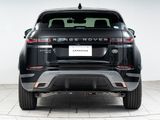
Ref# UW-6a90fdc8565c4
INSPIRE LLC
2019 Land Rover Range Rover Evoque 5AA-LZ2XHA
R-Dynamic SE
- Mileage
- 18,700 km
- Year
- 2019/10
- Engine
- 1,995cc
- Trans.
- Automatic
FOBPrice$23,454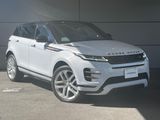
Ref# UW-muq75v6pqm5z
INSPIRE LLC
2019 Land Rover Range Rover Evoque 3DA-LZ2NA
First Edition
- Mileage
- 32,900 km
- Year
- 2019/9
- Engine
- 1,999cc
- Trans.
- Automatic
FOBPrice$23,826
Ref# UW-6aaa0b0150b96
INSPIRE LLC
2022 Land Rover RANGE ROVER VELAR 3BA-LY2XCC
R-Dynamic S P250 with Coil Suspension
- Mileage
- 50,780 km
- Year
- 2022/9
- Engine
- 1,995cc
- Trans.
- Automatic
FOBPrice$23,950
Ref# UW-mv31qxp0067x
INSPIRE LLC
2023 Land Rover Discovery Sport 5BA-LC2XC
Urban Edition P250
- Mileage
- 18,100 km
- Year
- 2023/11
- Engine
- 1,997cc
- Trans.
- Automatic
FOBPrice$24,446
Ref# UW-6a90fdc8c8408
INSPIRE LLC
2023 Land Rover Range Rover Evoque 5BA-LZ2XA
SE P200
- Mileage
- 8,480 km
- Year
- 2023/7
- Engine
- 1,995cc
- Trans.
- Automatic
FOBPrice$25,315
Ref# UW-6aa37374eff67
INSPIRE LLC
2023 Land Rover Range Rover Evoque 3CA-LZ2NB
R-Dynamic SE D200
- Mileage
- 35,060 km
- Year
- 2023/9
- Engine
- 1,997cc
- Trans.
- Automatic
FOBPrice$26,370
Ref# UW-mvzwunfu7n3m
INSPIRE LLC
2023 Land Rover Range Rover Evoque 3CA-LZ2NB
R-Dynamic S D200
- Mileage
- 26,500 km
- Year
- 2023/12
- Engine
- 1,997cc
- Trans.
- Automatic
FOBPrice$27,735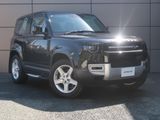
Ref# UW-mv06z1bhj5y0
INSPIRE LLC
2023 Land Rover Defender 3BA-LE62XCA
90SE P300 with Coil Suspension
- Mileage
- 57,490 km
- Year
- 2023/9
- Engine
- 1,995cc
- Trans.
- Automatic
FOBPrice$27,735
Ref# UW-mv4gh8433u62
INSPIRE LLC
2025 Land Rover Discovery Sport 3CA-LC2ND
S D200
- Mileage
- 6,400 km
- Year
- 2025/11
- Engine
- 1,997cc
- Trans.
- Automatic
FOBPrice$32,140
Ref# UW-6aa373756e048
INSPIRE LLC
2024 Land Rover Range Rover Evoque 5BA-LZ2XA
Dynamic SE P200
- Mileage
- 11,202 km
- Year
- 2024/3
- Engine
- 1,997cc
- Trans.
- Automatic
FOBPrice$32,140
Ref# UW-6a7be5d25a1ad
INSPIRE LLC
2025 Land Rover Discovery Sport 3CA-LC2ND
S D200
- Mileage
- 3,815 km
- Year
- 2025/11
- Engine
- 1,997cc
- Trans.
- Automatic
FOBPrice$32,140
Ref# UW-mvx2p99graxk
INSPIRE LLC
2022 Land Rover RANGE ROVER VELAR 3BA-LY2XAC
R Dynamic S P250 with Air Suspension
- Mileage
- 16,730 km
- Year
- 2022/10
- Engine
- 1,995cc
- Trans.
- Automatic
FOBPrice$33,195
Ref# UW-mvzwumszvimc
INSPIRE LLC
2022 Land Rover RANGE ROVER VELAR 3BA-LY2XAC
R Dynamic S P250 with Air Suspension
- Mileage
- 40,700 km
- Year
- 2022/10
- Engine
- 1,995cc
- Trans.
- Automatic
FOBPrice$33,506
Ref# UW-6a87c2c8dcacc
INSPIRE LLC
2025 Land Rover Range Rover Evoque 3CA-LZ2NB
S D200
- Mileage
- 13,196 km
- Year
- 2025/6
- Engine
- 1,997cc
- Trans.
- Automatic
FOBPrice$33,506
Ref# UW-mvzwuikndoud
INSPIRE LLC
2025 Land Rover Discovery Sport 3CA-LC2ND
Dynamic SE D200
- Mileage
- 4,400 km
- Year
- 2025/11
- Engine
- 1,997cc
- Trans.
- Automatic
FOBPrice$34,560
Ref# UW-mvu76qy1c50h
INSPIRE LLC
2024 Land Rover Range Rover Evoque 5BA-LZ2XA
Dynamic HSE P250
- Mileage
- 20,555 km
- Year
- 2024/4
- Engine
- 1,995cc
- Trans.
- Automatic
FOBPrice$34,560
Ref# UW-mvlmul9er64t
INSPIRE LLC
2025 Land Rover Range Rover Evoque 3LA-LZ15TB
Dynamic HSE P300e
- Mileage
- 3,890 km
- Year
- 2025/6
- Engine
- 1,498cc
- Trans.
- Automatic
FOBPrice$34,871
Ref# UW-6a150fe070757
INSPIRE LLC
2025 Land Rover Range Rover Evoque 3LA-LZ15TB
Dynamic HSE P300e
- Mileage
- 9,200 km
- Year
- 2025/3
- Engine
- 1,498cc
- Trans.
- Automatic
FOBPrice$34,871
Ref# UW-6ab3453c27fe7
INSPIRE LLC
2026 Land Rover Range Rover Evoque 3CA-LZ2NB
Dynamic SE D200
- Mileage
- 5,860 km
- Year
- 2026/3
- Engine
- 1,997cc
- Trans.
- Automatic
FOBPrice$35,491
Ref# UW-6aa8b95358730
INSPIRE LLC
2023 Land Rover Defender 3CA-LE72WAB
110S D300 with Air Suspension
- Mileage
- 54,817 km
- Year
- 2023/9
- Engine
- 2,993cc
- Trans.
- Automatic
FOBPrice$37,508


Used Land Rover Import and Purchase Guide: Explaining Popular Models and How to Choose
Land Rover is a British four-wheel drive vehicle brand that began with the launch of the first generation (later known as Series I) at the Amsterdam Motor Show in April 1948. Designed for agriculture and light work, its construction combined a steel box-section frame with an aluminum alloy body, which paved the way for vehicles built with off-road capabilities in mind. The Range Rover, introduced in 1970, is noted as a pioneer in the luxury SUV segment by offering both off-road performance and comfort. Model names such as Defender, Discovery, Discovery Sport, and Range Rover Evoque are still widely available in the used car market today. In terms of business structure, Land Rover was sold by Ford to Tata Motors in June 2008 and is now operated under the name Jaguar Land Rover, with some vehicle models undergoing changes in design and production during this transition. In Japan, due to longstanding official imports, there are options for gasoline, diesel, and plug-in hybrid powertrains in the used car market, allowing buyers to compare differences in model year, trim level, and drive type.
Reasons for the Popularity of Used LAND ROVER Vehicles Overseas

The reason why used Land Rovers are sought after abroad is due to their electronic control systems that enhance performance on rough terrain, the use of aluminum in their construction, and the varying names and specifications tailored to different markets. Japan has had a long history of official imports, with gasoline, diesel, and plug-in hybrid models available in the domestic market. Here, we will organize the key points to consider before purchasing from three different perspectives.
A design that incorporates terrain response to enhance driving performance.
The Discovery 3, introduced in 2004, was the first mass-produced vehicle to feature Terrain Response. Using a rotary switch on the center console, drivers can select from five modes: General Driving, Grass/Gravel/Snow, Mud & Ruts, Sand, and Rock Crawl. This automatically adjusts the vehicle's ride height, engine torque characteristics, hill descent control, traction control, and transmission settings. From this generation onward, the transfer case was changed from a lever-operated system to an electronic button operation, and the differential lock was also made electronic. The 2020 Defender introduced a Configurable Terrain Response system that allows drivers to customize settings. Additionally, since this generation includes both coil spring and air suspension options, when buying used, it's easier to assess whether the ride height adjustment functions properly or to check for operational sounds from the compressor or warning lights after driving.
Vehicle body structure centered around an aluminum monocoque (L405, L663).
The fourth generation Range Rover, known as the L405, shifted from the previous steel unibody to an all-aluminum monocoque structure, achieving a weight reduction of 420 kg compared to its predecessor. Production of the L405 took place from 2012 to 2021, with assembly at the Solihull plant in the UK. The Defender L663 also adopts a lightweight aluminum monocoque architecture called "D7x," which reportedly offers three times the torsional rigidity compared to traditional ladder frame structures. The L663 features a ZF 8-speed torque converter automatic transmission paired with a 2-speed transfer case. However, there are concerns that aluminum bodies cannot be processed in the same way as steel sheets, limiting the availability of facilities that can handle such materials in different regions. For vehicles with a repair history, it is advisable to check the finish of panel seams and rivet joints.
In North America, the LR3 and LR2 – Differentiating Vehicle Names and Body Styles in the Market.
The Discovery 3 is sold as the LR3 in North America, and the second-generation Freelander has been renamed the LR2 for the North American market. Land Rover cites the preference for alphanumeric vehicle names in North America as the reason for this change. The subsequent Discovery 4 is also referred to as the LR4 in North America. Due to potential discrepancies in names between parts searches and customs documents, it is recommended to verify using the vehicle identification number (VIN). The Defender is offered in different body styles: the short wheelbase 90 (3-door, wheelbase 2,585 mm), the long 110 (5-door, 3,022 mm), and the 130, which seats eight, allowing for different choices based on usage. Additionally, the plug-in hybrid version of the Defender was announced for the 110 for the European market in September 2020, and it differs from the specifications of the units exported from Japan. In the Japanese version, a 3.0L inline 6-cylinder diesel was added to the 110 in November 2020.
Here are the popular used cars from LAND ROVER.
Used Land Rovers can be broadly categorized into three types: the off-road Defender, the spacious Discovery, and the luxury Range Rover. Since the drivetrain and equipment can vary significantly based on the model year and type, we will take a closer look at ten representative vehicles in order.
Defender (L663, 2020-present)
The current model of the cross-country vehicle lineage that began with the first generation introduced in 1948 started receiving orders for the standard model in Japan on April 9, 2020, with both the 90 and 110 variants available. The 2024 model, which began orders on April 27, 2023, features a 5.0L V8 supercharged engine (386 kW / 525 PS, 625 Nm) for the first time in Japan, paired with an 8-speed torque converter automatic transmission. In the 2025 model announced on May 9, 2024, the 3.0L inline 6-cylinder Ingenium diesel (MHEV) has been enhanced to 350 PS / 700 Nm. This balance of off-road capability and the latest features is the reason for its popularity overseas. For used models, it's essential to check the operation of cameras and sensors for surrounding awareness, signs of aftermarket installations like roof racks, and the condition of the diesel vehicle's exhaust gas after-treatment system.
Defender (L316, 1997-2016)
This is the so-called old Defender, part of the L316 generation that ran from 1997 to 2016. The body styles available include 3/5-door station wagons and vans, single and double cab pickups, and chassis cabs, all featuring a 4WD system. The 2007 model introduced a variable geometry turbo, increasing maximum torque from 300 N·m to 359 N·m, and upgraded the transmission to a 6-speed manual, with a low-geared first gear for improved handling in low-speed conditions. In its final iteration, it was equipped with a 2.2 Tdci engine. There is demand in various countries for agricultural, tourism, and rescue applications, and buyers are also concerned about import regulations based on model year. When considering a used vehicle, factors such as rust on the chassis frame and underbody, as well as any history of modifications like lift kits, are important considerations.
Range Rover (L405, 2013-2021)
This is the fourth generation of the luxury SUV that set the standard since its first model in 1970, produced in Solihull, UK from 2012 to 2021. It was launched in Japan in March 2013, initially available in three gasoline grades: "5.0 V8 Vogue," "5.0 V8 Supercharged Vogue," and "Autobiography." In September of the same year, a 3.0L V6 supercharged version was added, followed by the long wheelbase variant in March 2014. Since December 2016, options have included the 3.0L TDV6 diesel (2,992cc / 258PS) and the P400e. The transmission is a ZF 8-speed torque converter automatic. The P400e features charging capabilities and battery status, while the LWB version is a model to check the operation of rear seat equipment.
Range Rover (L322, 2002-2013)
The third generation, known as the L322, was produced from 2002 to 2013. It was developed by Land Rover during its time under BMW ownership, with its UK release in 2001. Later on, a 4.2L V8 supercharger, similar to that of the Jaguar XK8, became available, allowing the 2.5-ton vehicle to accelerate from 0 to 100 km/h in 7.2 seconds. Due to its age, it is generally more affordable within the brand, attracting buyers seeking quality interior features. This generation marks the transition from BMW-sourced to Ford-sourced parts, so it is practical to check the model year and engine type before purchasing, as well as to review the functioning of electrical components and warning light history.
Range Rover Sport (L320/L494)
This series, focused on driving performance, consists of the first-generation L320 produced from 2005 to 2013, the second-generation L494 from 2013 to 2022, and the third-generation L461 starting in 2022. In Japan, the 2005 model was released on November 1, 2005, the 2013 model on November 30, 2013, and sales ended in May 2022. Due to a higher distribution volume compared to the Range Rover itself and being relatively easier to find for the level of equipment, these models are also considered by overseas buyers. Given the sporty nature of these vehicles, it is essential to carefully check for any modifications such as wheel upgrades or changes in ride height, as well as any resulting uneven tire wear or brake issues, along with records of accident repairs.
Range Rover Evoque (L538, 2011 - Present)
This compact SUV is based on the LRX concept unveiled at the 2008 North American International Auto Show, announced at the Paris Motor Show on September 30, 2010, and began production at the Halewood plant in the UK in July 2011. It was introduced in both 5-door and 3-door coupe versions, with a convertible model added in 2016. The all-wheel drive variant features a Haldex system, while the entry-level eD4 comes with front-wheel drive. Initially, it was available with a 2.2L diesel and a 2.0L gasoline engine, transitioning to Ingenium engines after the 2015 update. The second generation L551, introduced in 2019, comes equipped with a 48V mild hybrid system. This model is noted for potential issues with the ZF 9-speed automatic transmission, making the smoothness of gear shifts and the maintenance history of the all-wheel drive coupling important check points during test drives.
Discovery 3 / Discovery 4 (L319)
The first generation was introduced in 1989, and official imports in Japan began in October 1991. It is said that the nickname "Disco" became popular around the mid-1990s when the affordable S trim was introduced. The L319 is a common designation for the 3rd generation (2004-2009) and the 4th generation (2009-2017). The Japanese version of the 3rd generation was announced in May 2005 and came in three trims: HSE, SE, and S. The 4th generation was streamlined to SE and HSE from December 2009, featuring a 5.0L AJ-V8 Gen III engine (375 horsepower), later replaced by a 3.0L V6 supercharger. With dimensions of 4,849mm in length, 1,915mm in width, and a wheelbase of 2,885mm, many units have been used for towing and cargo, so checking for hitch usage marks and wear on the third-row seats and cargo floor can provide insights into their condition.
Discovery (L462, 2017 - Present)
The fifth generation was unveiled in October 2016 with a production model that features an expanded size, a new design, and upgraded powertrain and safety/comfort equipment. This generation shifted from the angular design of its predecessor to a more curved form, making it a popular choice for buyers looking for a vehicle that accommodates long-distance travel and multiple passengers. A notable characteristic of this generation is the significant increase in electric features, such as an electric tailgate and power-folding rear seats, as well as various camera systems, which should be tested individually on the actual vehicle. Checking the history of software updates and confirming the availability of mapping and communication functions in export destinations beforehand will help minimize discrepancies after delivery.
Discovery Sport (L550, 2015 - Present)
The model was announced on September 3, 2014, as the successor to the Freelander 2 (L359), with details revealed at the Paris Motor Show in October of the same year. With a length of 4,599mm, a width of 2,173mm (including door mirrors), a height of 1,724mm, and a wheelbase of 2,741mm, it has manageable dimensions, making it suitable for urban use, which is why it is chosen as a practical vehicle in export markets. The revised model, released in Japan in October 2019, features a new platform and most of the lineup is equipped with a 48V mild hybrid system. When considering used models, it is easier to assess their condition by checking for mild hybrid warning indicators, air conditioning performance, and electrical equipment in the rear seats.
Discovery 2 (L318, 1998-2004)
The second generation L318 was produced from 1998 to 2004 and was sold in Japan starting in 1999. The engines used for the Japanese models are all Rover's 4.0L V8 OHV gasoline engines, generating 185 PS and 34.7 kgm of torque. This model belongs to the last generation that retained the traditional ladder frame design with a secondary transfer case, appealing to buyers who prefer structures before the increase in electronic controls, especially from regions that prioritize maintenance environments like Africa, the Middle East, and Oceania. Since most vehicles are of corresponding vintage, it is essential to personally check for rust on the frame and undercarriage, signs of coolant and oil leaks, and the functionality of the air conditioning. It's also important to consider the significant fuel consumption associated with the V8 engine when choosing this vehicle.
Popular engines in used Land Rovers.

Land Rover's engines vary widely, ranging from their own designed older generation diesel engines to shared V8 gasoline engines with Jaguar, as well as the INGENIUM series. Even within the same model name, the specifications can change from year to year. Here are five key engines to consider when selecting a used model.
Td5 (Defender, Discovery 2)
The 2.5L inline 5-cylinder turbo diesel engine was introduced in 1998 as a successor to the 300 Tdi engine, installed in the Defender and Discovery (Series II), and was produced until 2007. It features a cast iron cylinder block combined with a cross-flow aluminum alloy head, and it uses Lucas-made electronically controlled unit injectors that were only previously found in large commercial vehicles. In 2004, the Discovery was replaced by the Ford AJD engine, and the Defender was replaced by the Ford ZSD in 2007, marking the end of production at Solihull that same year. This engine is the last one designed and produced by Land Rover itself. The Japanese-imported Defender features a 2003 model 2.5L inline 5-cylinder SOHC direct-injection intercooled turbo diesel engine that produces 122 horsepower and 30.6 kg·m of torque, with 5-speed manual transmission models available on the used market. As there is a persistent evaluation of potential issues with the cylinder head gasket, it is advisable to check for signs of coolant loss, white smoke, and oil contamination in the actual vehicle.
AJ133 (Range Rover, Range Rover Sport, Discovery 4)
The engine is a shared 5.0L V8 gasoline configuration, featuring an all-aluminum 90-degree V8 with a roots-type supercharger and charge cooler placed in the valley of the V bank. The Range Rover L322 adopted the direct-injection AJ133 engine in the 2010 update, offering two options: naturally aspirated at 276 kW and supercharged at 375 kW. Up until around 2020, this engine was widely used in the Range Rover, Range Rover Sport, the North American LR4, and the Velar. With a maximum torque of 625 Nm available from 2,500 rpm, it is well-suited for pushing the heavy vehicle from low revs. A noted weakness isn’t with the engine itself but with the cooling system; the plastic coolant crossover pipe and thermostat housing located beneath the supercharger and deep in the V shape are areas of concern. It is advised not to overlook any faint sweet smells in the engine bay or minor coolant losses as simply “characteristics of a high-performance vehicle.” Additionally, early models may suffer from timing chain tensioner wear and carbon build-up on the intake side due to direct injection, so it is worth checking the maintenance history for high-mileage vehicles.
TDV6/SDV6 (Discovery 4, Discovery, Range Rover Sport)
The 3.0L V6 turbo diesel engine varies in designation and output depending on the model, year, and market. In the Discovery 4, the diesel engine for the European market was changed to a 3.0L V6 twin-turbo (245 hp / 61.2 kgm). The Japanese version of the fifth-generation Discovery features a V6 turbocharged clean diesel engine that outputs 258 hp at 3,750 rpm and 600 Nm at 1,750 to 2,250 rpm, paired with an 8-speed torque converter automatic transmission. With maximum torque available at low RPMs, it excels in handling when carrying passengers in the third row or towing, making it popular in regions where long-distance travel is common. When purchasing used models, the most important aspect to check is the exhaust gas after-treatment system, as vehicles that frequently make short trips tend to put strain on the DPF. Reviewing the warning light history and regeneration records can provide valuable insights. Additionally, checking for soot accumulation in the EGR and intake ports, as well as unusual noises in the belt-driven systems, should be part of routine inspections.
INGENIUM 2.0L Inline 4-Cylinder Diesel (Discovery Sport, Range Rover Evoque)
Jaguar Land Rover has developed its own engine lineup, and since the 2018 model year, the Discovery Sport has been equipped with a 2.0-liter inline 4-cylinder diesel turbo engine (180 hp / 430 Nm). It features a 9-speed torque converter automatic transmission, and at a cruising speed of 100 km/h, the engine revolutions in top gear are just 1500 rpm, which is praised for its long-distance quietness. The 2021 model, which began receiving orders on December 10, 2020, adopted mild hybrid (MHEV) technology, increasing power to 150 kW / 204 hp and 430 Nm, which is 24 hp higher than before. In Europe, the same 2.0L inline 4 diesel engine is also offered in D150 (150 hp / 380 Nm) and twin-turbo D240 (240 hp / 500 Nm) variants, and the power output specifications do not match between the Japanese and overseas models. For used cars, it is advisable to check for warning lights related to exhaust emissions, noise during cold starts around the timing chain area, and for MHEV vehicles, the operation of the belt-driven generator and the 48V system.
INGENIUM 2.0L Inline 4-cylinder Gasoline Engine (Discovery Sport, Range Rover Evoque)
The gasoline turbo of the same series is lighter in the front than the diesel variant, and its acceleration characteristics are a highlight. In the 2018 model of the Discovery Sport, it was introduced with a 2-liter inline-4 gasoline turbo engine (240ps / 340N·m). The 2021 model has been organized into two specifications: the P200 (147kW / 200PS, 320N·m) and P250 (183kW / 249PS, 365N·m). The grade name "P + number" indicates the approximate output, making it practically convenient for verifying specifications in customs documents and parts orders. For buyers in regions wishing to avoid diesel due to fuel quality and emission regulations, this represents a realistic choice. When considering used models, pay attention to oil management; units with extended oil change intervals are reported to affect the timing chain and turbo bearings. Key items to check during a test drive include noise on cold starts, vibrations while idling, and any oil consumption.
Important Considerations When Importing Used Land Rover Vehicles from Japan

One of the challenges of choosing a Land Rover is that even with the same model name, the specifications can vary by year and type. Before negotiations, make sure to gather the vehicle identification number, initial registration date, engine type, drive method, emissions classification, and grade in writing, and cross-reference this information with photos of the actual vehicle. For cars equipped with air suspension, check that the height adjustment functions properly in both directions and confirm that no warning lights are on. For 48V mild hybrids or plug-in hybrids, it's also important to review the charging status and history of warning lights. Vehicles that have been used for off-road driving or towing may exhibit rust on the frame and undercarriage, particularly around the towing hitch, where deformation is common. Support features such as collision damage mitigation brakes should be verified through actual driving. As the regulations for model year and emissions, as well as the registration requirements for right-hand drive vehicles, vary by country, be sure to research them before making a purchase. Given the high ratio of electronic control in these vehicles, it is also reassuring to confirm whether there are local facilities capable of using specialized diagnostic tools and sourcing parts.
If you're looking to import a used LAND ROVER from Japan, choose UCARWORLD.
UCARWORLD is a platform where you can search for and purchase used cars listed by affiliated dealerships across Japan from overseas. You can narrow down your options based on criteria such as model, year, and price, and once you find a vehicle of interest, you can check the specifications, features, and photos before directly contacting the dealership. The entire process, including confirmation of the total cost (including shipping), ordering, invoice issuance, and payment, can be handled online, allowing you to organize the steps without needing to come to Japan. For vehicles like Range Rovers and Defenders, where specifications can vary significantly by year, you can make your selection by reviewing the listed information and confirming details with the dealership.