


Used Daihatsu Cars for Sale — 3,677 listed
Set your destination to see the total price including shipping (C&F).
3,677 Results
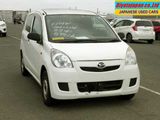
Ref# UW-6944c01bde605
DIYATA JAPAN CO.,LTD
2016 Daihatsu Mira HBD-L275V
- Mileage
- 69,600 km
- Year
- 2016/2
- Engine
- 660cc
- Trans.
- Automatic
FOBPrice$950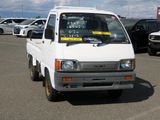
Ref# UW-6944ce14357a0
DIYATA JAPAN CO.,LTD
1993 Daihatsu Hijet Truck V-S82P
350kg
- Mileage
- 27,100 km
- Year
- 1993
- Engine
- 660cc
- Trans.
- Manual
FOBPrice$1,100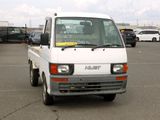
Ref# UW-6944cc63d0d19
DIYATA JAPAN CO.,LTD
1996 Daihatsu Hijet Truck V-S110P
Climber 350kg 4WD
- Mileage
- 71,000 km
- Year
- 1996
- Engine
- 660cc
- Trans.
- Manual
FOBPrice$1,100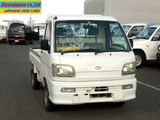
Ref# UW-694a15c46b284
DIYATA JAPAN CO.,LTD
1999 Daihatsu Hijet Truck GD-S200P
350kg
- Mileage
- 124,600 km
- Year
- 1999
- Engine
- 660cc
- Trans.
- Manual
FOBPrice$1,100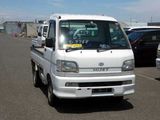
Ref# UW-694a16668e6e4
DIYATA JAPAN CO.,LTD
1999 Daihatsu Hijet Truck GD-S200P
350kg
- Mileage
- 103,600 km
- Year
- 1999
- Engine
- 660cc
- Trans.
- Manual
FOBPrice$1,300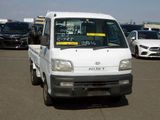
Ref# UW-6944c248df151
DIYATA JAPAN CO.,LTD
1999 Daihatsu Hijet Truck GD-S200P
350kg
- Mileage
- 86,200 km
- Year
- 1999
- Engine
- 660cc
- Trans.
- Manual
FOBPrice$1,400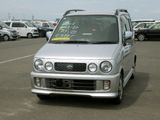
Ref# UW-6a3e0133efe6b
DIYATA JAPAN CO.,LTD
2000 Daihatsu Move GH-L900S
Custom
- Mileage
- 83,000 km
- Year
- 2000
- Engine
- 660cc
- Trans.
- Automatic
FOBPrice$1,450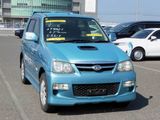
Ref# UW-699d493bc7ea6
DIYATA JAPAN CO.,LTD
2006 Daihatsu Terios Kid GF-J111G
Custom Turbo 4WD
- Mileage
- 136,000 km
- Year
- 2006/9
- Engine
- 660cc
- Trans.
- Automatic
FOBPrice$1,500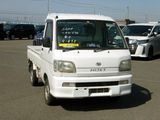
Ref# UW-6944c207f3fbc
DIYATA JAPAN CO.,LTD
1999 Daihatsu Hijet Truck GD- S210P
350kg 4WD
- Mileage
- 102,700 km
- Year
- 1999
- Engine
- 660cc
- Trans.
- Manual
FOBPrice$1,500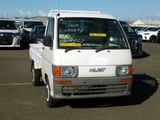
Ref# UW-6969a08c28b31
DIYATA JAPAN CO.,LTD
1997 Daihatsu Hijet Truck V-S100P
350kg
- Mileage
- 65,600 km
- Year
- 1997
- Engine
- 660cc
- Trans.
- Manual
FOBPrice$1,500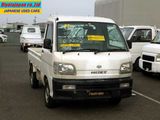
Ref# UW-6969a075542df
DIYATA JAPAN CO.,LTD
1999 Daihatsu Hijet Truck GD-S200P
350kg
- Mileage
- 89,000 km
- Year
- 1999
- Engine
- 660cc
- Trans.
- Manual
FOBPrice$1,500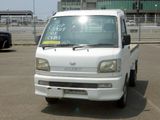
Ref# UW-6a3ceb832628c
DIYATA JAPAN CO.,LTD
2001 Daihatsu Hijet Truck GD-S210P
350kg 4WD
- Mileage
- 132,600 km
- Year
- 2001/11
- Engine
- 660cc
- Trans.
- Manual
FOBPrice$1,550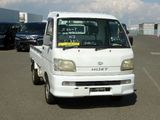
Ref# UW-694def61c0269
DIYATA JAPAN CO.,LTD
2000 Daihatsu Hijet Truck GD-S200P
350kg
- Mileage
- 106,500 km
- Year
- 2000
- Engine
- 660cc
- Trans.
- Manual
FOBPrice$1,600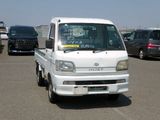
Ref# UW-694a1827425b1
DIYATA JAPAN CO.,LTD
2000 Daihatsu Hijet Truck GD-S200P
350kg
- Mileage
- 42,500 km
- Year
- 2000
- Engine
- 660cc
- Trans.
- Manual
FOBPrice$1,600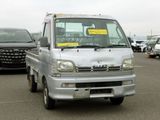
Ref# UW-694a17a70ae05
DIYATA JAPAN CO.,LTD
1999 Daihatsu Hijet Truck GD-S210P
350kg 4WD
- Mileage
- 133,200 km
- Year
- 1999
- Engine
- 660cc
- Trans.
- Automatic
FOBPrice$1,600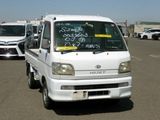
Ref# UW-6944c1c479854
DIYATA JAPAN CO.,LTD
2000 Daihatsu Hijet Truck GD-S200P
350kg
- Mileage
- 47,300 km
- Year
- 2000
- Engine
- 660cc
- Trans.
- Manual
FOBPrice$1,600
Ref# UW-694defff2b70e
DIYATA JAPAN CO.,LTD
2001 Daihatsu Hijet Truck GD-S210P
350kg 4WD
- Mileage
- 123,700 km
- Year
- 2001/9
- Engine
- 660cc
- Trans.
- Manual
FOBPrice$1,650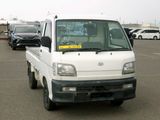
Ref# UW-6944cbe92db88
DIYATA JAPAN CO.,LTD
1999 Daihatsu Hijet Truck GD-S200P
350kg
- Mileage
- 88,200 km
- Year
- 1999
- Engine
- 660cc
- Trans.
- Manual
FOBPrice$1,700
Ref# UW-694cd1ff855e0
DIYATA JAPAN CO.,LTD
2001 Daihatsu Hijet Cargo GD-S200W
DECK VAN
- Mileage
- 150,100 km
- Year
- 2001
- Engine
- 660cc
- Trans.
- Manual
FOBPrice$1,700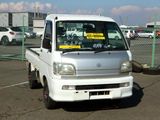
Ref# UW-694a16c9c07c4
DIYATA JAPAN CO.,LTD
1999 Daihatsu Hijet Truck GD-S210P
350kg 4WD
- Mileage
- 87,100 km
- Year
- 1999
- Engine
- 660cc
- Trans.
- Manual
FOBPrice$1,700
Ref# UW-69968b3fbd95f
DIYATA JAPAN CO.,LTD
2001 Daihatsu Hijet Truck GD-S210P
350kg 4WD
- Mileage
- 145,000 km
- Year
- 2001/11
- Engine
- 660cc
- Trans.
- Automatic
FOBPrice$1,850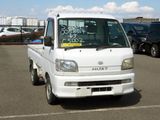
Ref# UW-ms75v845k6kj
DIYATA JAPAN CO.,LTD
2001 Daihatsu Hijet Truck GD-S200P
350kg
- Mileage
- 84,500 km
- Year
- 2001/4
- Engine
- 660cc
- Trans.
- Automatic
FOBPrice$1,900
Ref# UW-6a2295270a6fb
DIYATA JAPAN CO.,LTD
2001 Daihatsu Atrai GF-S220G
Turbo
- Mileage
- 120,100 km
- Year
- 2001/3
- Engine
- 660cc
- Trans.
- Automatic
FOBPrice$1,900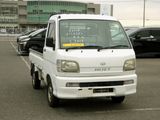
Ref# UW-69b264840439a
DIYATA JAPAN CO.,LTD
2001 Daihatsu Hijet Truck GD-S210P
350kg 4WD
- Mileage
- 103,000 km
- Year
- 2001
- Engine
- 660cc
- Trans.
- Manual
FOBPrice$1,900
Ref# UW-699fe7cb7753e
DIYATA JAPAN CO.,LTD
2001 Daihatsu Hijet Truck GD-S210P
350kg 4WD
- Mileage
- 93,100 km
- Year
- 2001/11
- Engine
- 660cc
- Trans.
- Manual
FOBPrice$1,900
Ref# UW-6944cc16b0830
DIYATA JAPAN CO.,LTD
2001 Daihatsu Hijet Truck GD-S210P
350kg 4WD
- Mileage
- 104,100 km
- Year
- 2001
- Engine
- 660cc
- Trans.
- Manual
FOBPrice$1,900
Ref# UW-6a3a41df5b61d
DIYATA JAPAN CO.,LTD
1996 Daihatsu Hijet Truck V-S110P
DUMP 350kg 4WD
- Mileage
- 122,700 km
- Year
- 1996
- Engine
- 660cc
- Trans.
- Manual
FOBPrice$1,950
Ref# UW-694defa9501ce
DIYATA JAPAN CO.,LTD
1999 Daihatsu Hijet Truck GD-S210P
350kg 4WD
- Mileage
- 93,000 km
- Year
- 1999
- Engine
- 660cc
- Trans.
- Manual
FOBPrice$1,950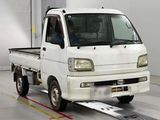
Ref# UW-muf7sgzgnfrc
DIYATA JAPAN CO.,LTD
2001 Daihatsu Hijet Truck GD-S210P
350kg 4WD
- Mileage
- 93,600 km
- Year
- 2001
- Engine
- 660cc
- Trans.
- Manual
FOBPrice$2,100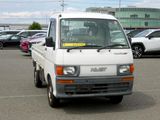
Ref# UW-mtmqkpxi15qc
DIYATA JAPAN CO.,LTD
1998 Daihatsu Hijet Truck V-S100P
350kg
- Mileage
- 96,300 km
- Year
- 1998
- Engine
- 660cc
- Trans.
- Automatic
FOBPrice$2,100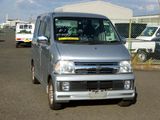
Ref# UW-mu2errvhrfq3
DIYATA JAPAN CO.,LTD
2001 Daihatsu Atrai GF-S220G
Custom Turbo
- Mileage
- 98,100 km
- Year
- 2001/12
- Engine
- 660cc
- Trans.
- Automatic
FOBPrice$2,200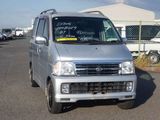
Ref# UW-mu2e6ws0y77q
DIYATA JAPAN CO.,LTD
1999 Daihatsu Atrai GF-S230G
Custom Turbo 4WD
- Mileage
- 127,000 km
- Year
- 1999
- Engine
- 660cc
- Trans.
- Automatic
FOBPrice$2,200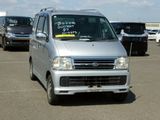
Ref# UW-6a1913b1893d6
DIYATA JAPAN CO.,LTD
1999 Daihatsu Atrai GF-S220G
Custom
- Mileage
- 64,800 km
- Year
- 1999
- Engine
- 660cc
- Trans.
- Automatic
FOBPrice$2,200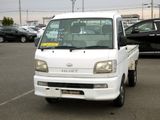
Ref# UW-69b22ec6f22ca
DIYATA JAPAN CO.,LTD
2000 Daihatsu Hijet Truck GD-S210P
350kg 4WD
- Mileage
- 35,600 km
- Year
- 2000
- Engine
- 660cc
- Trans.
- Manual
FOBPrice$2,200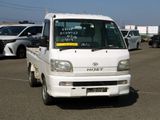
Ref# UW-699fc60ad5c99
DIYATA JAPAN CO.,LTD
2001 Daihatsu Hijet Truck GD-S210P
350kg 4WD
- Mileage
- 32,500 km
- Year
- 2001
- Engine
- 660cc
- Trans.
- Manual
FOBPrice$2,300
Ref# UW-6a34a8e73b351
DIYATA JAPAN CO.,LTD
2000 Daihatsu Hijet Truck GD-S200P
JUMBO 350kg
- Mileage
- 99,000 km
- Year
- 2000
- Engine
- 660cc
- Trans.
- Manual
FOBPrice$2,500
Ref# UW-mt1a9liiaahh
DIYATA JAPAN CO.,LTD
2019 Daihatsu Mira e:S 5BA-LA350S
B SA3
- Mileage
- 136,500 km
- Year
- 2019/7
- Engine
- 660cc
- Trans.
- Automatic
FOBPrice$2,800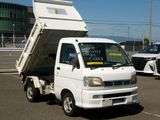
Ref# UW-mtmlwt6p1hhh
DIYATA JAPAN CO.,LTD
2000 Daihatsu Hijet Truck GD-S210P
DUMP 350kg 4WD
- Mileage
- 129,000 km
- Year
- 2000
- Engine
- 660cc
- Trans.
- Manual
FOBPrice$2,900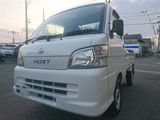
Ref# UW-6a0e683c7b31c
YAMAKATSU CO.,LTD
2012 Daihatsu Hijet Truck S201P
- Mileage
- 49,267 km
- Year
- 2012/9
- Engine
- 660cc
- Trans.
- Automatic
FOBPrice$3,829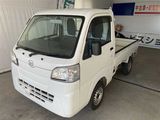
Ref# UW-6a0e683d22bf7
YAMAKATSU CO.,LTD
2014 Daihatsu Hijet Truck EBD-S510P
STD 4WD
- Mileage
- 37,037 km
- Year
- 2014/10
- Engine
- 660cc
- Trans.
- Manual
FOBPrice$4,694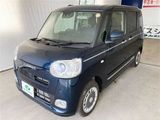
Ref# UW-6a0e6820adb91
YAMAKATSU CO.,LTD
2022 Daihatsu Move Canbus 5BA-LA850S
Theory G
- Mileage
- 6,862 km
- Year
- 2022/9
- Engine
- 660cc
- Trans.
- Automatic
FOBPrice$6,608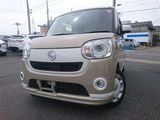
Ref# UW-6a0e683324946
YAMAKATSU CO.,LTD
2019 Daihatsu Move Canbus LA800S
- Mileage
- 27,863 km
- Year
- 2019/8
- Engine
- 660cc
- Trans.
- Automatic
FOBPrice$7,597
Ref# UW-6a0e68455bf09
YAMAKATSU CO.,LTD
2025 Daihatsu Move LA850S
- Mileage
- 2,633 km
- Year
- 2025/8
- Engine
- 660cc
- Trans.
- Automatic
FOBPrice$10,932
Ref# UW-6ab494d6e3125
INSPIRE LLC
2009 Daihatsu Move DBA-L175S
X VS
- Mileage
- 124,498 km
- Year
- 2009/5
- Engine
- 658cc
- Trans.
- CVT
FOBPrice$992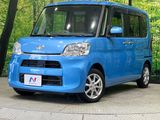
Ref# UW-mvd1ssq3ubxj
INSPIRE LLC
2014 Daihatsu Tanto DBA-LA600S
L
- Mileage
- 153,244 km
- Year
- 2014/12
- Engine
- 658cc
- Trans.
- CVT
FOBPrice$1,054
Ref# UW-6a433398eeb72
INSPIRE LLC
2010 Daihatsu Move DBA-L175S
X VS Ⅱ
- Mileage
- 101,760 km
- Year
- 2010/1
- Engine
- 658cc
- Trans.
- CVT
FOBPrice$1,054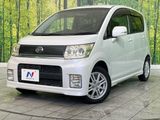
Ref# UW-6aaa094b15278
INSPIRE LLC
2009 Daihatsu Move DBA-L175S
Custom X Limited
- Mileage
- 73,859 km
- Year
- 2009/11
- Engine
- 658cc
- Trans.
- CVT
FOBPrice$1,116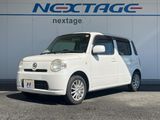
Ref# UW-mv31eiy9nq0j
INSPIRE LLC
2011 Daihatsu Mira Cocoa DBA-L675S
Cocoa X Special
- Mileage
- 100,672 km
- Year
- 2011/7
- Engine
- 658cc
- Trans.
- CVT
FOBPrice$1,240
Ref# UW-6aa6149043894
INSPIRE LLC
2013 Daihatsu Move DBA-LA100S
Custom X
- Mileage
- 137,710 km
- Year
- 2013/9
- Engine
- 658cc
- Trans.
- CVT
FOBPrice$1,302
Ref# UW-mv7c954p52ki
INSPIRE LLC
2007 Daihatsu Move DBA-L185S
L
- Mileage
- 91,876 km
- Year
- 2007/2
- Engine
- 658cc
- Trans.
- Automatic
FOBPrice$1,364


Daihatsu Used Car Import and Purchase Guide | Explanation of Popular Models and How to Choose
Daihatsu is a Japanese automobile manufacturer founded in 1907 as "Hakudo Engine Manufacturing Co., Ltd." in Osaka, and it changed its name to the current one in 1951. Today, it focuses on kei cars and small vehicles, offering models such as the Tanto, Move, Mira e:S, Taft, and Copen as light passenger cars, as well as the Hijet Truck and Hijet Cargo as light commercial vehicles, and small cars like the Rocky and Thor. While Daihatsu specializes in kei cars and small vehicles, the Japanese used car market allows for easy selection based on factors such as model year, trim level, 2WD or 4WD, naturally aspirated or turbo engine, and passenger or commercial use. However, it is important to note that the classification for kei cars may differ in import countries regarding engine displacement and dimensions, and that commercial vehicles can vary in condition depending on their payload and usage history, making it essential to verify each vehicle individually. When importing used Daihatsu cars from Japan, it is crucial to check not only the vehicle name but also the model number, engine, drivetrain, equipment, and the regulations of the importing country.
The relationship between Toyota and Daihatsu.
Daihatsu formed a business partnership with Toyota in 1967 and became a wholly-owned subsidiary of Toyota in 2016. Currently, they collaborate on vehicle development and production, mainly focusing on Daihatsu's specialty in Kei cars and compact vehicles, as well as OEM supplies. In Japan, Daihatsu produces several Toyota brand vehicles, including the Toyota "Roomy," based on the Daihatsu-developed Thor, and the "Raize," based on the Rocky. Additionally, they manufacture iconic commercial vans such as the "Probox" and "Succeed," as well as Toyota-branded Kei cars like the "Pixis Epoch," "Pixis Van," "Pixis Truck," and the "Copen GR SPORT." Regarding the Yaris, the 1.0L engine is a joint development between Toyota and Daihatsu, but Daihatsu does not produce the Yaris or Yaris Cross sold in Japan. However, in overseas markets, there are Yaris models like the Toyota "Yaris ATIV," developed by Daihatsu through their collaboration. Thus, the relationship between the two companies is characterized not just by OEM supply but also by the sharing of development and production responsibilities depending on the vehicle model. When choosing a used car, it’s important to note that there are closely related models between Toyota and Daihatsu due to this OEM supply, joint development, and production sharing. Therefore, checking not only the vehicle name but also the model number, engine, and manufacturer can help to better understand their relationships and specifications.
Reasons for the Popularity of Used Daihatsu Cars Overseas
Daihatsu focuses on compact cars, primarily kei cars in Japan, while also offering small passenger cars and commercial vehicles in overseas markets like Indonesia. When considering a used car, points of comparison include practicality due to the small body, the versatility of light commercial vehicles, and the selectable powertrains available in compact SUVs and small cars.
The interior space and ease of handling developed from lightweight cars.
Daihatsu's domestic lineup has a high ratio of kei cars, including the Tanto, Move, Mira e:S, and Taft, characterized by packaging that secures both interior and cargo space within limited vehicle dimensions. The Tanto was introduced in 2003 as a new genre of kei passenger car featuring a spacious interior, and it has become the frontier of the super high-wagon market, which boasts overwhelming popularity in Japan. For used cars, you can also choose generations equipped with slide doors. The Mira e:S debuted in 2011 as a kei passenger car focusing on low fuel consumption and affordability, comparable to hybrids, making it an easy-to-use option for commuting and daily travel. When purchasing overseas, it is not guaranteed that Japanese kei car regulations will carry over to local tax categories or registration classifications. Be sure to check vehicle dimensions, engine displacement, passenger capacity, as well as conditions such as CVT status, slide doors, electrical components, and rust on the undercarriage for 4WD vehicles.
The versatility of light commercial vehicles, centered around the Hiace.
Daihatsu launched the Hijet kei truck(mini truck) in 1960 and has been involved in the production of light commercial vehicles for a long time. Currently, they offer the Hijet Truck, Hijet Cargo, and Atrai, catering to various applications such as agriculture, delivery, construction, and services, allowing customers to choose the vehicle that best suits their needs. The truck's features can be compared based on the condition of the cargo bed and the availability of 4WD; the cargo model can be compared by cargo space and sliding doors; and the Atrai can be evaluated for its passenger-friendly features and cargo space. When considering used vehicles, it’s important not to judge the condition solely based on mileage. Check for damage to the cargo bed and interior, signs of overloading, rust on the floor and frame, and the functioning of the clutch, AT/CVT, and air conditioning. Vehicles with a long history of commercial use should prioritize the condition of the mechanical components and cargo handling areas over exterior appearance.
Options for small cars and SUVs featuring DNGA.
In addition to kei cars, Daihatsu offers compact vehicles such as the Rocky, Thor, and Gran Max. The current generation Rocky, introduced in 2019, is a compact SUV built on the new DNGA chassis, featuring varying powertrains depending on the year, including a 1.0L turbo, 1.2L gasoline, and series-style e-SMART HYBRID. The Thor is available with both 1.0L naturally aspirated and turbo options, while the Gran Max is designed for applications requiring a larger load capacity than a kei commercial vehicle. When comparing used Daihatsu vehicles, it's beneficial to expand your options to include compact cars in addition to kei cars, taking into account your required number of passengers, cargo space, road conditions, and the displacement classification in the importing country. It is also important to verify the model year and specifications since safety equipment and engines can change with improvements under the same model name.
This is the popular used car from Daihatsu.
Let's introduce representative car models that are easy to find in the Japanese used car market and clearly distinguishable by their intended use. We will compare light passenger cars, SUVs, sports cars, and commercial vehicles in a balanced manner.
Tanto
The Tanto is a kei car that was introduced in 2003, prioritizing spacious interior space as a super height model. Depending on the generation, it features varying equipment such as side or dual sliding doors and the Miracle Open Door, making it a comparably family-friendly vehicle for transportation purposes. In the used car market, the LA600S and LA650S models are available, offering options for naturally aspirated or turbo engines, as well as 2WD and 4WD. When purchasing, please check the operation of the sliding doors, the electric mechanisms, the cameras and sensors for Smart Assist, and the condition of the CVT.
Move
The Move is a kei car that debuted in 1995 and is known for its tall wagon design, combining a practical height with spacious interior for everyday travel. There are many generations, including the L150S, L175S, LA100S, and LA150S, with significant differences in engines, CVTs, and safety features depending on the model year. While many of these generations are easy to find parts and maintenance information for, older models may show variations in suspension, engine mounts, oil leaks, and the condition of the CVT and electrical components. For 4WD vehicles, it's also important to check for rust on the undercarriage due to use in snowy regions.
Mira e:S
The Mira eS is a compact car that debuted in 2011, focusing on low fuel consumption, affordability, and resource efficiency. The first generation LA300S and second generation LA350S models can be found in the used car market, making them a practical choice for commuting, business use, and daily transportation. When considering imported used cars, it's important to check for differences in the Smart Assist generation based on the model year, as well as whether it's 2WD or 4WD, accident history, and the functionality of the air conditioning system. While price is important, it's equally crucial to review the maintenance history and the condition of the tires and brakes.
Taft
The current Taft is a lightweight crossover that debuted in 2020. It features a boxy body and a higher seating position, with options for naturally aspirated or turbo engines, as well as 2WD or 4WD. Primarily based on the LA900S series, it serves as a comparably practical light SUV suitable for both everyday use and leisure activities. When considering used models, check for scratches around the glass roof, signs of water leakage, the underbody condition of 4WD vehicles, oil management in turbo models, and uneven tire wear. Depending on the import destination, the classification of light vehicles based on engine displacement may not always be advantageous, so it's essential to verify local tax classifications in advance.
Copen
The Copen is a front-wheel-drive light open sports car that debuted in 2002. The first generation L880K is equipped with a JB-DET turbo engine, while the second generation LA400K features a KF turbo engine. With a high level of individuality and the option of a 5-speed manual transmission, it has a demand that differs from typical light passenger cars. When considering a used car, it's crucial to check the operation of the electric retractable roof, water intrusion from the roof and weather strips, accident and repair history, and any modifications like suspension or exhaust changes. Since the structure and engines differ between the first and second generations, it's important not to confuse the generations when selecting parts.
Daihatsu Hijet Truck
The Hijet has been a kei truck since 1960, widely used in agriculture, construction, and delivery. There are various generations, such as the S200 and S500 series, with options for 2WD or 4WD, manual transmission, automatic transmission, or CVT, as well as standard cabins and jumbo versions. When purchasing a used vehicle, check for bed floor deformations, damage to the cab and tailgate, rust on the frame and undercarriage, the 4WD switching mechanism, as well as the clutch and transmission. For modified vehicles, ensuring the consistency between the modifications and the vehicle documentation is also important.
Daihatsu Hijet Cargo
The Hijet Cargo is a light van focused on maximizing cargo space, primarily utilized for commercial purposes such as delivery, tool transportation, and store operations. There are various models like the S300 and S700 series, and specifications for automatic transmission (AT), manual transmission (MT), continuously variable transmission (CVT), and safety features vary by year. When selecting one for import, it's essential to check for any damage to the cargo floor and interior, the functionality of the rear and sliding doors, air conditioning, electrical components, and the suspension system. For vehicles frequently used as commercial vehicles, it's important to infer not only the mileage but also the idling time and frequency of short-distance trips from the maintenance records.
Atrai
The Atrai is a light van based on the Hijet series, combining comfortable passenger features with a spacious cargo area. The current S700 series comes with turbo options across all models, available in both 2WD and 4WD. It's a vehicle that's easy to consider for leisure activities, camping, or transporting a large amount of cargo for personal use. When looking at used models, check the oil management of the turbo, the CVT, the condition of the sliding doors on both sides, and the state of the rear seats and cargo area. Since there are generations registered for commercial use, it's necessary to verify the classification as passenger or cargo based on the vehicle registration information in the destination country.
Rocky
The Rocky is a compact SUV from Daihatsu. The first generation was introduced in the 1990s, and the current generation debuted in 2019 as the second model in Daihatsu's DNGA platform for compact SUVs. The current model's OEM variant, the Toyota Raize, has become a consistent top seller in the Japanese market. The current version offers a 1.0L turbo, 1.2L naturally aspirated engine, and e-SMART HYBRID, depending on the model year and grade. When considering used cars, be sure to check the drivetrain, whether it has a hybrid system, battery condition, ADAS sensors, and the undercarriage. While the Rocky is also sold under the same name in some overseas markets, it is important to note that engines and equipment may differ by country, and should not be considered identical to the Japanese specifications.
Granmax Cargo
The Gran Max is a small commercial vehicle that was introduced in Indonesia in 2007, with the cargo and truck versions released in Japan in 2020. It is well-suited for business purposes that require a larger cargo space and load capacity than light commercial vehicles. The production of the current model of the Gran Max Cargo ended in mid-July 2026. Different body types, such as the Gran Max Minibus and Pickup, are available overseas, differing from those in Japan. When considering used cars, check the cargo floor, signs of overloading, the undercarriage, brakes, cooling system, and accident history. Also, be aware of the specification differences based on the country of sale, even under the same Gran Max name.
Popular Engines for Used Daihatsu Cars
In the used Daihatsu section, you can find engines ranging from the KF type for kei cars to small car engines and engines from past sports models. Choose based not only on the model but also on the vehicle type, year, and forced induction method.
KF series (Tanto, Move, Mira e:S, Taft, Hijet, etc.)
The KF engine is a 658cc water-cooled inline 3-cylinder DOHC engine by Daihatsu, designed for light vehicles, and has been adopted in many light passenger and commercial vehicles since the late 2000s. In addition to the naturally aspirated KF-VE series, there are turbo versions such as the KF-DET and KF-VET, with variations in compression ratio, control, output, and transmission combinations depending on the model year and vehicle type. It can be found in popular models like the Tanto, Move, Mira, Taft, Hijet, Atrai, and the second-generation Copen, making it a representative engine for used car imports.
JB-DET type (first generation Copen, etc.)
The JB-DET engine is a 659cc inline 4-cylinder DOHC turbocharged engine that was used in the first-generation Copen L880K and other models. Its distinctive feature as a light vehicle engine is its 4-cylinder configuration, which is recognized as a power unit supporting the sporty characteristics of the first-generation Copen. Since production has ended quite some time ago, it's essential to check not only the engine's condition but also components such as auxiliary parts, the cooling system, the turbo, rubber parts, and previous modifications. For 5-speed manual cars, be sure to check the clutch and shift feel, while for 4-speed automatic cars, also verify the shifting performance. When purchasing a first-generation Copen overseas, it's important to consider not only the vehicle price but also year regulations and the availability of replacement parts.
K3-VE engine type (Storia, Boon, etc.)
The K3-VE type is a 1.3L inline 4-cylinder gasoline engine that has been successfully used in Daihatsu's compact cars, such as the Storia and early Boon models. Specifications vary depending on the generation and model, and there are also high-output variants within the same series, so it is essential to verify the full model number. With a displacement larger than that of kei cars, this engine has been suitable for daily driving and small passenger car applications. However, many used cars available today may be older models, so it is important to check for oil leaks, cooling systems, ignition systems, engine mounts, and the condition of the automatic transmission's shifting. While there are examples in overseas specifications, the output and combinations may not necessarily be the same as those for Japanese specifications.
1KR-VET type (Rocky, Tall, etc.)
The 1KR-VET type is a 996cc inline 3-cylinder turbo engine, used in the current generation Rocky and some versions of the Thor. Despite its small displacement, it is designed to provide low to mid-range torque with a turbocharger, making it suitable for compact SUVs and tall wagons. The Rocky debuted in 2019 with the 1.0L turbo engine, and there are model years of the Thor where you can choose between the 1.0L naturally aspirated 1KR-FE and the turbo 1KR-VET. When considering used cars, it's important to check the engine oil management, the condition of the turbo components, the cooling system, and the CVT. Also, be aware of differences in 2WD and 4WD configurations and safety equipment based on the grade. Depending on the sales region, the same model name may be paired with different engines.
WA-VE/WA-VEX models (such as Rocky)
The WA series is a relatively new line developed by Daihatsu for small cars, featuring a 1.2L inline 3-cylinder engine. The WA-VE is used for gasoline vehicles, while the WA-VEX serves as the power-generating engine for the e-SMART HYBRID. In the Rocky, the 2021 upgrade introduced a 1.2L gasoline variant and a series hybrid, where the engine does not drive the wheels directly but powers a motor with the electricity generated. For used cars, it's essential to check the maintenance history for gasoline vehicles, including the regular engine and CVT servicing, and to confirm the condition of the drive battery and electric systems for hybrid vehicles. Some models in Indonesia also utilize the WA-VE, but it's important not to confuse the specifications and features with those of the Japanese versions.
Points to Consider When Importing Used Daihatsu Cars from Japan
Daihatsu used cars can vary significantly in terms of body structure, engine, drive system, and safety features depending on the generation and model, even if they share the same name. Please verify the vehicle identification number, date of first registration, model type, engine type, whether it is 2WD or 4WD, trim level, and emission regulations before making a purchase. Since kei cars adhere to Japan's unique standards, they may not fall under the same tax or registration categories in the importing country. For commercial vehicles like the Hijet and Gran Max, check the condition of the cargo area, frame, undercarriage, and their history of heavy use. For the Rocky’s e-SMART HYBRID, also check the status of the drive battery and electrical systems. For cars with a high degree of hobby appeal, such as the Copen, it's essential to consider any history of modifications, the roof mechanism, and the availability of replacement parts for older generations. Additionally, confirm the year regulations, emission standards, registration requirements for right-hand drive vehicles, and whether the specifications can be maintained locally before placing your order.
If you're looking to import a used Daihatsu from Japan, choose UCARWORLD.
When choosing a used Daihatsu vehicle, it's important to consider not only the size of the car but also the intended use of the model. For example, the Tanto is designed for spaciousness and ease of entry and exit, the Mira eS is ideal for daily commuting, the Hijet is built for transporting goods, and the Rocky offers compact SUV versatility. Even within the same manufacturer, the roles can vary significantly. At UCARWORLD, you can explore used Daihatsu vehicles listed by partner dealerships across Japan, and compare specifications such as model year, price, 2WD or 4WD, naturally aspirated or turbo, and passenger or commercial vehicles. You can check the information on the vehicles that interest you, including features and condition, and directly contact the dealership. If you are purchasing from overseas, you can move forward with your order, invoice issuance, and payment while confirming the total amount that includes both the vehicle price and shipping costs. With Daihatsu offering a range from light passenger cars to light commercial vehicles and compact SUVs, don't choose based solely on price; instead, compare to find the best fit for your intended use and import conditions.
- Tanto (1,086)
- Move Canbus (476)
- Taft (411)
- Move (357)
- Mira e:S (260)
- Cast (251)
- Wake (123)
- Hijet Truck (108)
- Copen (104)
- Rocky (100)
- Mira Cocoa (92)
- Toll (63)
- Atrai (61)
- Daihatsu Hijet Cargo (48)
- Mira Tocot (40)
- Move Conte (34)
- Mira (23)
- Boon (13)
- Atrai Wagon (12)
- Mira Gino (5)
- Tanto exe (4)
- Hijet Cargo (1)
- Hijet Van (1)
- Midget II (1)
- Mira Custom (1)
- Move Latte (1)
- Terios Kid (1)