


Used Toyota RAV4 for Sale
Set your destination to see the total price including shipping (C&F).
936 Results


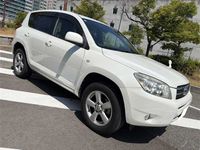
Ref# UW-mu3i3jesilyu
TRADE USER'S
2007 Toyota RAV4 DBA-ACA31W
X-Limited 4WD ☆98200km ☆Good Condition ☆
- Mileage
- 98,200 km
- Year
- 2007/11
- Engine
- 2,400cc
- Trans.
- Automatic
FOB$5,353.86
Ref# UW-mu3i3jesilyu
TRADE USER'S
2007 Toyota RAV4 DBA-ACA31W
X-Limited 4WD ☆98200km ☆Good Condition ☆
- Mileage
- 98,200 km
- Year
- 2007/11
- Engine
- 2,400cc
- Trans.
- Automatic
Price$5,353.86
Ref# UW-mu3i3gl8h4cn
TRADE USER'S
2009 Toyota RAV4 DBA-ACA31W
Style 4WD ☆SUNROOF ☆80200km ☆Good condition ☆
- Mileage
- 80,200 km
- Year
- 2009/2
- Engine
- 2,400cc
- Trans.
- Automatic
FOB$6,046.71
Ref# UW-mu3i3gl8h4cn
TRADE USER'S
2009 Toyota RAV4 DBA-ACA31W
Style 4WD ☆SUNROOF ☆80200km ☆Good condition ☆
- Mileage
- 80,200 km
- Year
- 2009/2
- Engine
- 2,400cc
- Trans.
- Automatic
Price$6,046.71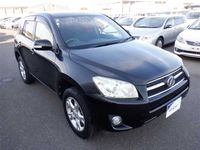
Ref# UW-6a8fa1230b1d4
MT Holdings Co., Ltd.
2012 Toyota RAV4 DBA-ACA36W
STYLE★Excellent Condition+Carrozzeria Sound System
- Mileage
- 62,388 km
- Year
- 2012/1
- Engine
- 2,360cc
- Trans.
- CVT
FOB$8,500
Ref# UW-6a8fa1230b1d4
MT Holdings Co., Ltd.
2012 Toyota RAV4 DBA-ACA36W
STYLE★Excellent Condition+Carrozzeria Sound System
- Mileage
- 62,388 km
- Year
- 2012/1
- Engine
- 2,360cc
- Trans.
- CVT
Price$8,500
Ref# UW-6a8fa10d63080
MT Holdings Co., Ltd.
2013 Toyota RAV4 DBA-ACA36W
STYLE ★Very Low Mileage with Excellent Condition!★
- Mileage
- 21,899 km
- Year
- 2013/5
- Engine
- 2,360cc
- Trans.
- CVT
FOB$9,500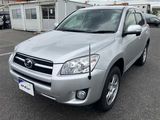
Ref# UW-6a8fa10d63080
MT Holdings Co., Ltd.
2013 Toyota RAV4 DBA-ACA36W
STYLE ★Very Low Mileage with Excellent Condition!★
- Mileage
- 21,899 km
- Year
- 2013/5
- Engine
- 2,360cc
- Trans.
- CVT
Price$9,500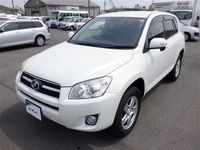
Ref# UW-6a8fa0f5473e9
MT Holdings Co., Ltd.
2015 Toyota RAV4 DBA-ACA36W
STYLE★Very Low Mile with 2023 Good Condition Tire★
- Mileage
- 33,572 km
- Year
- 2015/7
- Engine
- 2,360cc
- Trans.
- CVT
FOB$9,500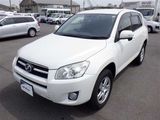
Ref# UW-6a8fa0f5473e9
MT Holdings Co., Ltd.
2015 Toyota RAV4 DBA-ACA36W
STYLE★Very Low Mile with 2023 Good Condition Tire★
- Mileage
- 33,572 km
- Year
- 2015/7
- Engine
- 2,360cc
- Trans.
- CVT
Price$9,500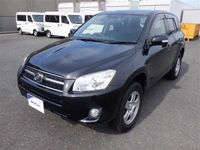
Ref# UW-6a8fa10d34935
MT Holdings Co., Ltd.
2016 Toyota RAV4 DBA-ACA36W
STYLE★Low Mileage with 2023 Good Condition Tires!★
- Mileage
- 48,407 km
- Year
- 2016/1
- Engine
- 2,360cc
- Trans.
- CVT
FOB$11,000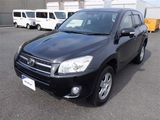
Ref# UW-6a8fa10d34935
MT Holdings Co., Ltd.
2016 Toyota RAV4 DBA-ACA36W
STYLE★Low Mileage with 2023 Good Condition Tires!★
- Mileage
- 48,407 km
- Year
- 2016/1
- Engine
- 2,360cc
- Trans.
- CVT
Price$11,000
Ref# UW-6a98e6803a10b

Ref# UW-6a98e6803a10b
INSPIRE LLC
2020 Toyota RAV4 6BA-MXAA54
X
- Mileage
- 75,454 km
- Year
- 2020/1
- Engine
- 1,986cc
- Trans.
- CVT
Price$13,443
Ref# UW-6aa3728b63257

Ref# UW-6aa3728b63257
INSPIRE LLC
2019 Toyota RAV4 6BA-MXAA52
X
- Mileage
- 79,722 km
- Year
- 2019/8
- Engine
- 1,986cc
- Trans.
- CVT
Price$13,505
Ref# UW-6a2ccab522ffe

Ref# UW-6a2ccab522ffe
INSPIRE LLC
2019 Toyota RAV4 6BA-MXAA52
X
- Mileage
- 35,132 km
- Year
- 2019/5
- Engine
- 1,986cc
- Trans.
- CVT
Price$13,755
Ref# UW-6aa766dfa86d5

Ref# UW-6aa766dfa86d5
INSPIRE LLC
2021 Toyota RAV4 6BA-MXAA52
X
- Mileage
- 56,734 km
- Year
- 2021/1
- Engine
- 1,986cc
- Trans.
- CVT
Price$14,193
Ref# UW-6a6ac19d0f92b

Ref# UW-6a6ac19d0f92b
INSPIRE LLC
2019 Toyota RAV4 6BA-MXAA52
X
- Mileage
- 55,775 km
- Year
- 2019/7
- Engine
- 1,986cc
- Trans.
- CVT
Price$14,193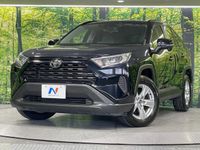
Ref# UW-6a87c2219423c

Ref# UW-6a87c2219423c
INSPIRE LLC
2020 Toyota RAV4 6BA-MXAA52
X
- Mileage
- 53,634 km
- Year
- 2020/1
- Engine
- 1,986cc
- Trans.
- CVT
Price$14,380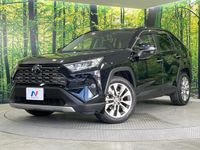
Ref# UW-6a6eb64100b00
INSPIRE LLC
2019 Toyota RAV4 6BA-MXAA54
G Zパッケージ
- Mileage
- 81,693 km
- Year
- 2019/7
- Engine
- 1,986cc
- Trans.
- CVT
FOB$14,505
Ref# UW-6a6eb64100b00
INSPIRE LLC
2019 Toyota RAV4 6BA-MXAA54
G Zパッケージ
- Mileage
- 81,693 km
- Year
- 2019/7
- Engine
- 1,986cc
- Trans.
- CVT
Price$14,505
Ref# UW-6a9f7dfddd909

Ref# UW-6a9f7dfddd909
INSPIRE LLC
2021 Toyota RAV4 6BA-MXAA54
X
- Mileage
- 72,350 km
- Year
- 2021/8
- Engine
- 1,986cc
- Trans.
- CVT
Price$14,818
Ref# UW-6a9b897b9c588
MaccaLi inc
2019 Toyota RAV4 6BA-MXAA54
アドベンチャー
- Mileage
- 110,435 km
- Year
- 2019/5
- Engine
- 1,986cc
- Trans.
- CVT
FOB$14,818
Ref# UW-6a9b897b9c588
MaccaLi inc
2019 Toyota RAV4 6BA-MXAA54
アドベンチャー
- Mileage
- 110,435 km
- Year
- 2019/5
- Engine
- 1,986cc
- Trans.
- CVT
Price$14,818
Ref# UW-6a8a65849fed0

Ref# UW-6a8a65849fed0
INSPIRE LLC
2020 Toyota RAV4 6BA-MXAA52
X
- Mileage
- 41,790 km
- Year
- 2020/7
- Engine
- 1,986cc
- Trans.
- CVT
Price$14,818
Ref# UW-69f6bcab8b079
INSPIRE LLC
2021 Toyota RAV4 6BA-MXAA54
G Zパッケージ
- Mileage
- 52,286 km
- Year
- 2021/6
- Engine
- 1,986cc
- Trans.
- CVT
FOB$14,818
Ref# UW-69f6bcab8b079
INSPIRE LLC
2021 Toyota RAV4 6BA-MXAA54
G Zパッケージ
- Mileage
- 52,286 km
- Year
- 2021/6
- Engine
- 1,986cc
- Trans.
- CVT
Price$14,818
Ref# UW-6a9643873c172

Ref# UW-6a9643873c172
INSPIRE LLC
2021 Toyota RAV4 6BA-MXAA54
G
- Mileage
- 71,280 km
- Year
- 2021/4
- Engine
- 1,986cc
- Trans.
- CVT
Price$15,006
Ref# UW-6a34b368831e4

Ref# UW-6a34b368831e4
MaccaLi inc
2019 Toyota RAV4 6BA-MXAA54
G
- Mileage
- 74,320 km
- Year
- 2019/9
- Engine
- 1,986cc
- Trans.
- CVT
Price$15,068
Ref# UW-6aa0cf7be9408
INSPIRE LLC
2019 Toyota RAV4 6BA-MXAA54
G Zパッケージ
- Mileage
- 86,630 km
- Year
- 2019/11
- Engine
- 1,986cc
- Trans.
- CVT
FOB$15,131
Ref# UW-6aa0cf7be9408
INSPIRE LLC
2019 Toyota RAV4 6BA-MXAA54
G Zパッケージ
- Mileage
- 86,630 km
- Year
- 2019/11
- Engine
- 1,986cc
- Trans.
- CVT
Price$15,131
Ref# UW-6a5d92687f945
INSPIRE LLC
2019 Toyota RAV4 6BA-MXAA54
G Zパッケージ
- Mileage
- 45,405 km
- Year
- 2019/10
- Engine
- 1,986cc
- Trans.
- CVT
FOB$15,131
Ref# UW-6a5d92687f945
INSPIRE LLC
2019 Toyota RAV4 6BA-MXAA54
G Zパッケージ
- Mileage
- 45,405 km
- Year
- 2019/10
- Engine
- 1,986cc
- Trans.
- CVT
Price$15,131
Ref# UW-6a4b1b252a1da
INSPIRE LLC
2019 Toyota RAV4 6AA-AXAH52
ハイブリッドX
- Mileage
- 51,040 km
- Year
- 2019/12
- Engine
- 2,487cc
- Trans.
- CVT
FOB$15,131
Ref# UW-6a4b1b252a1da
INSPIRE LLC
2019 Toyota RAV4 6AA-AXAH52
ハイブリッドX
- Mileage
- 51,040 km
- Year
- 2019/12
- Engine
- 2,487cc
- Trans.
- CVT
Price$15,131
Ref# UW-6a93a050e1bca

Ref# UW-6a93a050e1bca
INSPIRE LLC
2020 Toyota RAV4 6BA-MXAA52
X
- Mileage
- 74,095 km
- Year
- 2020/1
- Engine
- 1,986cc
- Trans.
- CVT
Price$15,318
Ref# UW-6a126ca69131e
MaccaLi inc
2019 Toyota RAV4 6BA-MXAA54
アドベンチャー
- Mileage
- 63,103 km
- Year
- 2019/9
- Engine
- 1,986cc
- Trans.
- CVT
FOB$15,381
Ref# UW-6a126ca69131e
MaccaLi inc
2019 Toyota RAV4 6BA-MXAA54
アドベンチャー
- Mileage
- 63,103 km
- Year
- 2019/9
- Engine
- 1,986cc
- Trans.
- CVT
Price$15,381
Ref# UW-6aacad04d42c7
INSPIRE LLC
2020 Toyota RAV4 6BA-MXAA54
アドベンチャー
- Mileage
- 63,740 km
- Year
- 2020/1
- Engine
- 1,986cc
- Trans.
- CVT
FOB$15,437
Ref# UW-6aacad04d42c7
INSPIRE LLC
2020 Toyota RAV4 6BA-MXAA54
アドベンチャー
- Mileage
- 63,740 km
- Year
- 2020/1
- Engine
- 1,986cc
- Trans.
- CVT
Price$15,437
Ref# UW-6aadfe965b784

Ref# UW-6aadfe965b784
INSPIRE LLC
2019 Toyota RAV4 6BA-MXAA52
X
- Mileage
- 30,195 km
- Year
- 2019/6
- Engine
- 1,986cc
- Trans.
- CVT
Price$15,568
Ref# UW-6aa766e4ab0ca

Ref# UW-6aa766e4ab0ca
INSPIRE LLC
2019 Toyota RAV4 6BA-MXAA54
G
- Mileage
- 54,335 km
- Year
- 2019/6
- Engine
- 1,986cc
- Trans.
- CVT
Price$15,568
Ref# UW-6a9f7df6cdb97

Ref# UW-6a9f7df6cdb97
INSPIRE LLC
2019 Toyota RAV4 6BA-MXAA52
X
- Mileage
- 34,950 km
- Year
- 2019/10
- Engine
- 1,986cc
- Trans.
- CVT
Price$15,568
Ref# UW-6a827bdf99906
INSPIRE LLC
2020 Toyota RAV4 6BA-MXAA54
G Zパッケージ
- Mileage
- 66,890 km
- Year
- 2020/3
- Engine
- 1,986cc
- Trans.
- CVT
FOB$15,568
Ref# UW-6a827bdf99906
INSPIRE LLC
2020 Toyota RAV4 6BA-MXAA54
G Zパッケージ
- Mileage
- 66,890 km
- Year
- 2020/3
- Engine
- 1,986cc
- Trans.
- CVT
Price$15,568
Ref# UW-6a165fb26fde7
INSPIRE LLC
2019 Toyota RAV4 6AA-AXAH54
ハイブリッドG
- Mileage
- 41,390 km
- Year
- 2019/11
- Engine
- 2,487cc
- Trans.
- CVT
FOB$15,568
Ref# UW-6a165fb26fde7
INSPIRE LLC
2019 Toyota RAV4 6AA-AXAH54
ハイブリッドG
- Mileage
- 41,390 km
- Year
- 2019/11
- Engine
- 2,487cc
- Trans.
- CVT
Price$15,568
Ref# UW-6aa8b891e7e7a
INSPIRE LLC
2020 Toyota RAV4 6BA-MXAA54
G Zパッケージ
- Mileage
- 77,275 km
- Year
- 2020/1
- Engine
- 1,986cc
- Trans.
- CVT
FOB$15,693
Ref# UW-6aa8b891e7e7a
INSPIRE LLC
2020 Toyota RAV4 6BA-MXAA54
G Zパッケージ
- Mileage
- 77,275 km
- Year
- 2020/1
- Engine
- 1,986cc
- Trans.
- CVT
Price$15,693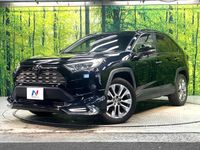
Ref# UW-6a8d08a563ba0
INSPIRE LLC
2020 Toyota RAV4 6BA-MXAA54
G Zパッケージ
- Mileage
- 58,635 km
- Year
- 2020/9
- Engine
- 1,986cc
- Trans.
- CVT
FOB$15,881
Ref# UW-6a8d08a563ba0
INSPIRE LLC
2020 Toyota RAV4 6BA-MXAA54
G Zパッケージ
- Mileage
- 58,635 km
- Year
- 2020/9
- Engine
- 1,986cc
- Trans.
- CVT
Price$15,881
Ref# UW-6a86700b907e9

Ref# UW-6a86700b907e9
INSPIRE LLC
2020 Toyota RAV4 6BA-MXAA52
X
- Mileage
- 74,035 km
- Year
- 2020/6
- Engine
- 1,986cc
- Trans.
- CVT
Price$15,881
Ref# UW-6a812a60a2740

Ref# UW-6a812a60a2740
INSPIRE LLC
2019 Toyota RAV4 6BA-MXAA54
X
- Mileage
- 70,370 km
- Year
- 2019/9
- Engine
- 1,986cc
- Trans.
- CVT
Price$15,881
Ref# UW-6a7e85588e17d
INSPIRE LLC
2020 Toyota RAV4 6AA-AXAH54
ハイブリッドX
- Mileage
- 65,740 km
- Year
- 2020/12
- Engine
- 2,487cc
- Trans.
- CVT
FOB$15,881
Ref# UW-6a7e85588e17d
INSPIRE LLC
2020 Toyota RAV4 6AA-AXAH54
ハイブリッドX
- Mileage
- 65,740 km
- Year
- 2020/12
- Engine
- 2,487cc
- Trans.
- CVT
Price$15,881
Ref# UW-6a6427be2e8ca
INSPIRE LLC
2021 Toyota RAV4 6AA-AXAH52
ハイブリッドX
- Mileage
- 57,620 km
- Year
- 2021/12
- Engine
- 2,487cc
- Trans.
- CVT
FOB$15,881
Ref# UW-6a6427be2e8ca
INSPIRE LLC
2021 Toyota RAV4 6AA-AXAH52
ハイブリッドX
- Mileage
- 57,620 km
- Year
- 2021/12
- Engine
- 2,487cc
- Trans.
- CVT
Price$15,881
Ref# UW-6a51b4ef2c85a

Ref# UW-6a51b4ef2c85a
INSPIRE LLC
2021 Toyota RAV4 6BA-MXAA54
X
- Mileage
- 45,170 km
- Year
- 2021/6
- Engine
- 1,986cc
- Trans.
- CVT
Price$15,881
Ref# UW-6a34b36a99f5d
INSPIRE LLC
2021 Toyota RAV4 6BA-MXAA54
アドベンチャー
- Mileage
- 75,180 km
- Year
- 2021/3
- Engine
- 1,986cc
- Trans.
- CVT
FOB$15,881
Ref# UW-6a34b36a99f5d
INSPIRE LLC
2021 Toyota RAV4 6BA-MXAA54
アドベンチャー
- Mileage
- 75,180 km
- Year
- 2021/3
- Engine
- 1,986cc
- Trans.
- CVT
Price$15,881
Ref# UW-6a4f0fa112c05
INSPIRE LLC
2019 Toyota RAV4 6AA-AXAH54
ハイブリッドG
- Mileage
- 73,890 km
- Year
- 2019/7
- Engine
- 2,487cc
- Trans.
- CVT
FOB$15,975
Ref# UW-6a4f0fa112c05
INSPIRE LLC
2019 Toyota RAV4 6AA-AXAH54
ハイブリッドG
- Mileage
- 73,890 km
- Year
- 2019/7
- Engine
- 2,487cc
- Trans.
- CVT
Price$15,975
Ref# UW-6a8a658c26833

Ref# UW-6a8a658c26833
INSPIRE LLC
2021 Toyota RAV4 6BA-MXAA54
G
- Mileage
- 56,200 km
- Year
- 2021/7
- Engine
- 1,986cc
- Trans.
- CVT
Price$16,025
Ref# UW-6a83cd8360c03

Ref# UW-6a83cd8360c03
INSPIRE LLC
2022 Toyota RAV4 6BA-MXAA52
X
- Mileage
- 56,700 km
- Year
- 2022/6
- Engine
- 1,986cc
- Trans.
- CVT
Price$16,069
Ref# UW-6a34b3687e3c8

Ref# UW-6a34b3687e3c8
INSPIRE LLC
2019 Toyota RAV4 6BA-MXAA54
G
- Mileage
- 22,240 km
- Year
- 2019/8
- Engine
- 1,986cc
- Trans.
- CVT
Price$16,069
Ref# UW-6a8d08a8ecd20
INSPIRE LLC
2020 Toyota RAV4 6BA-MXAA54
G Zパッケージ
- Mileage
- 80,340 km
- Year
- 2020/7
- Engine
- 1,986cc
- Trans.
- CVT
FOB$16,131
Ref# UW-6a8d08a8ecd20
INSPIRE LLC
2020 Toyota RAV4 6BA-MXAA54
G Zパッケージ
- Mileage
- 80,340 km
- Year
- 2020/7
- Engine
- 1,986cc
- Trans.
- CVT
Price$16,131
Ref# UW-6a827bdf9fa09

Ref# UW-6a827bdf9fa09
INSPIRE LLC
2020 Toyota RAV4 6BA-MXAA54
G
- Mileage
- 75,900 km
- Year
- 2020/3
- Engine
- 1,986cc
- Trans.
- CVT
Price$16,131
Ref# UW-6aa220cc0fd31

Ref# UW-6aa220cc0fd31
INSPIRE LLC
2019 Toyota RAV4 6BA-MXAA54
G
- Mileage
- 56,577 km
- Year
- 2019/7
- Engine
- 1,986cc
- Trans.
- CVT
Price$16,194
Ref# UW-6aa0ccda806f2
INSPIRE LLC
2019 Toyota RAV4 6AA-AXAH54
ハイブリッドG
- Mileage
- 85,660 km
- Year
- 2019/5
- Engine
- 2,487cc
- Trans.
- CVT
FOB$16,194
Ref# UW-6aa0ccda806f2
INSPIRE LLC
2019 Toyota RAV4 6AA-AXAH54
ハイブリッドG
- Mileage
- 85,660 km
- Year
- 2019/5
- Engine
- 2,487cc
- Trans.
- CVT
Price$16,194
Ref# UW-6a9640ef4d88a
INSPIRE LLC
2019 Toyota RAV4 6AA-AXAH54
ハイブリッドG
- Mileage
- 86,415 km
- Year
- 2019/5
- Engine
- 2,487cc
- Trans.
- CVT
FOB$16,194
Ref# UW-6a9640ef4d88a
INSPIRE LLC
2019 Toyota RAV4 6AA-AXAH54
ハイブリッドG
- Mileage
- 86,415 km
- Year
- 2019/5
- Engine
- 2,487cc
- Trans.
- CVT
Price$16,194
Ref# UW-6a8d08aaadae1
INSPIRE LLC
2021 Toyota RAV4 6BA-MXAA54
G Zパッケージ
- Mileage
- 63,400 km
- Year
- 2021/5
- Engine
- 1,986cc
- Trans.
- CVT
FOB$16,194
Ref# UW-6a8d08aaadae1
INSPIRE LLC
2021 Toyota RAV4 6BA-MXAA54
G Zパッケージ
- Mileage
- 63,400 km
- Year
- 2021/5
- Engine
- 1,986cc
- Trans.
- CVT
Price$16,194
Ref# UW-6a8bb6e9f12ee

Ref# UW-6a8bb6e9f12ee
INSPIRE LLC
2020 Toyota RAV4 6BA-MXAA52
X
- Mileage
- 17,626 km
- Year
- 2020/2
- Engine
- 1,986cc
- Trans.
- CVT
Price$16,194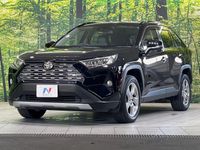
Ref# UW-6a72aabbeec55

Ref# UW-6a72aabbeec55
INSPIRE LLC
2020 Toyota RAV4 6BA-MXAA54
G
- Mileage
- 45,192 km
- Year
- 2020/10
- Engine
- 1,986cc
- Trans.
- CVT
Price$16,194


Toyota RAV4 Buying Guide

The Toyota RAV4 is a compact SUV that debuted in 1994. Unlike the traditional 4WD cross-country cars of the time, the first generation stood out as an urban-friendly SUV due to its adoption of a monocoque body and passenger car-based design. The name is said to be derived from "Recreational Active Vehicle with 4-wheel drive", embodying a model that balances outdoor spirit with practicality. With each generation, the body size has expanded, and it has grown into a popular mid-size SUV in the global market.
First-Generation Toyota RAV4 (XA10) - The Origin of the Agile Crossover SUV

The Charm of the Original Toyota RAV4
The compact and nimble character of an SUV
The allure of the first-generation RAV4 lies in its significantly more compact size than current SUVs, which allows for nimble driving. Introduced in 1994, it started with a 3-door body, and later a 5-door model was added. At the time, most SUVs were genuine 4WDs with ladder frames, but the RAV4 employed a monocoque body and passenger car-like suspension, proposing a new value as an easy-to-handle crossover SUV for city driving. For overseas used car fans, the first-generation RAV4 has appeal as a "classic SUV." Its unique, rounded compact design, rear spare tire, and playful short body bring a distinctive character not found in today's larger SUVs. The easy-to-handle 2.0L inline 4-cylinder engine, and the fun-to-drive factor if equipped with the 5MT, are also attractive points. Although this is an older model, it can be widely used for city commuting, light off-roading, and weekend leisure, making it the generation that can be described as the origin of the RAV4-like versatility.
Drawbacks of the First Generation Toyota RAV4
The age of the model and its practical limitations
The downside of the first-generation RAV4 is that it is an old model, and finding a unit in good condition has become less common. As this model was produced from 1994 to 2000, you will need to carefully check the engine, AT, clutch, suspension, rust on the undercarriage, and wear and tear on the interior when purchasing. Special attention should be paid to corrosion around the floor and suspension of units that have been used in coastal regions or snowy areas. In comparison to modern SUVs, the safety and comfort features are quite simple. Its crash safety performance, noise isolation, ride comfort, air conditioning performance, and long-distance driving comfort are greatly inferior to later generations. The 3-door model has small rear seats and cargo space, making it inconvenient for use as a family car. If purchasing overseas, the availability of parts should also be checked. While the car may be attractive if you value its novelty, if you are considering it for daily practical use, you must account for the budget, including maintenance costs.
Rivals of the original Toyota RAV4
Honda CR-V
The Honda CR-V, which debuted in the 1990s, is a notable rival of the original RAV4. While the RAV4 made its debut as a compact and fun SUV, the CR-V gained popularity as a more practical five-door SUV. The CR-V has a spacious interior which is suitable for family use or for carrying luggage. On the other hand, the original RAV4 stands out with its nimble short body and unique design, making it a more hobby-oriented model. When comparing on the international used car market, the CR-V could be your choice if practicality is what you're after, while the RAV4 would be the one to go for if uniqueness and compactness appeal to you. In particular, the three-door model of the first generation RAV4 is now rare, giving it the charm of a classic Japanese SUV. However, in some areas the CR-V has advantages such as more availability and parts supply, so always make sure to check the local maintenance environment. The RAV4 is a perfect fit for those seeking a "small and fun SUV".
Specifications of the First Generation Toyota RAV4
Engine: 2.0L Inline 4-cylinder Gasoline (3S-FE / 3S-GE) Transmission: 5MT / 4AT Drive System: 4WD / 2WD Features: Available in 3-door/5-door configurations. An early crossover SUV characterized by its monocoque structure and rear tires.
The 2nd Generation Toyota RAV4 (XA20) - An Evolved Version Emphasizing Practicality and Urban Design

The Appeal of the Second Generation Toyota RAV4
Maintaining the original model's agility while improving quality.
The second-generation RAV4 debuted in the year 2000. While inheriting the compact and agile image of the first generation, it improved the body size, interior quality, safety, and comfort. The design is more refined than the first generation, with a rounder appearance that makes it a more urban-friendly SUV. There were regions where both 3-door and 5-door models were available, allowing users to choose according to their needs. For international used car buyers, the second generation is a well-balanced generation that is not as old as the first generation, nor as large as the third generation and beyond. In Japan, it mainly features a 2.0L gasoline engine, providing performance sufficient for daily driving. Its compact body makes it easy to handle even on narrow roads and in urban areas, making it suitable for those who value everyday usability over off-road capabilities. While the uniqueness of the first generation has faded somewhat, it has become easier to use as a practical vehicle.
The downsides of the second-generation Toyota RAV4
The individuality is somewhat subdued, and the aging due to the model year is also progressing.
The second-generation RAV4's downfall is that it lacks the strong personality of the first generation. The design has modernized, but from today's perspective, it can sometimes appear somewhat mediocre. It may be slightly unsatisfactory for people who seek the uniqueness of the first-generation 3-door model and does not provide as much space as later generations when considered as a family SUV. Therefore, if one does not have a clear purchase intention, it is a model that can easily cause confusion with other generations or rival cars. Also, as these vehicles were manufactured between 2000 and 2005, they are now about 20 years old. Even if the engine is relatively rugged, wear and tear on the automatic transmission, power windows, air conditioning, suspension bushings, shock absorbers, and engine mounts are inevitable. For cars exported abroad, even if the mileage appears low, the condition varies greatly depending on the storage status and maintenance history. When choosing an inexpensive model, it's important to factor in the cost of post-purchase maintenance.
Rivals of the second-generation Toyota RAV4
Nissan X-Trail
The primary competitor to the second generation RAV4 is the first generation Nissan X-Trail. Introduced in the early 2000s, the X-Trail garnered popularity as a distinctively outdoor-oriented SUV. Its formidable 4WD functionality, waterproof interior design, and practical, square storage compartment are among its appealing features. The RAV4, on the other hand, is more like a passenger car, with ease of handling in urban environments and typical Toyota reliability being its strengths. When comparing these models as used cars, the X-Trail is suitable if you prioritize outdoor activities and cargo space, while the RAV4 is ideal if you value compactness and drivability. The RAV4's relatively manageable body size makes it an attractive SUV for urban usage. However, in foreign markets, there are regions where the X-Trail has a higher circulation, leading to regional differences in the availability of parts. When purchasing, it is recommended to compare not only the brands but also the local maintenance environments, part prices, and the condition of the vehicles.
Second Generation Toyota RAV4 Specifications
Engine: 2.0L Inline 4-Cylinder Gasoline (1AZ-FSE ※Japanese Spec D-4) Transmission: 5MT / 4AT Drive Type: 2WD / 4WD Features: Evolution towards urban design. Maintaining the agility of the first generation, while improving quality and practicality.
Third Generation Toyota RAV4 (XA30) - The Turning Point to a Larger, Global SUV

The Appeal of the Third Generation Toyota RAV4
Significant improvements in interior space and driving stability.
The third generation RAV4 debuted in 2005. From this generation onwards, the body grew larger, moving closer to a more practical mid-size SUV rather than the conventional compact SUV. Especially in overseas markets, there are specifications like a long wheelbase and vehicles equipped with a V6 engine, enhancing its character as a family car. Compared to the first and second generations, it has spacious interior and luggage capacity, making it an ideal model for long-distance travel. The appeal of this generation is its wide selection of powertrains, in addition to Toyota's typical reliability and practicality. The key offering for the Japanese specification is the 2.4L gasoline engine, while abroad, options like 2.0L, 2.4L, 2.5L, 3.5L V6, and diesel variants are available. Particularly, the V6 model for North America is robust and popular among those seeking a spacious and comfortable drive in an SUV. The biggest charm of this generation is its ability to accommodate larger cargo and family travel while retaining the ease of handling akin to passenger cars.
Drawbacks of the 3rd Generation Toyota RAV4
The original RAV4-like character has faded due to the increase in body size.
The downside of the third generation RAV4 is that it lacks the compact and nimble character of the first and second generations. While the larger body has resulted in a roomier interior, it may be more challenging to handle on narrow roads or in parking lots. The long body and V6 models of the foreign specification, in particular, are likely to have higher fuel consumption and maintenance costs. Also, the Japanese model was on sale for a long period from 2005 to 2012, resulting in a discrepancy in condition depending on the individual vehicle. For models equipped with a 2.4L engine, it would be wise to check for oil management, cooling system, automatic transmission shift shock, and wear on the suspension. If you're purchasing a foreign model with a diesel or V6 engine, the availability of parts and maintenance expertise locally is also crucial. The third generation is practical, but when purchasing, make sure to confirm if it's a Japanese or foreign specification, and what type of engine it has.
Rivals of the third-generation Toyota RAV4
Honda CR-V (3rd Generation)
The third generation RAV4's rival is the contemporaneous Honda CR-V. The CR-V was a very popular SUV in the global market, excelling in interior space, comfort, and family use. The RAV4 counters with a more powerful engine lineup, 4WD performance, and Toyota-like durability. Especially in overseas markets, the RAV4, which could select a 3.5L V6, was rated as a more powerful option than the CR-V. When comparing as second-hand cars, the CR-V stands out for comfort and practicality, while the RAV4 is notable for driving performance and a wide range of choices. Comparing Japanese specifications, the RAV4's 2.4L has an edge, while the CR-V's balance is appealing. Although both are highly reliable, they are entering a period in which wear and tear on the suspension and electrical systems are likely to show. If you plan to use it for a long term overseas, choosing the one with more abundant parts supply and maintenance records will give you peace of mind.
Specifications of the Third Generation Toyota RAV4
Engine: 2.4L Inline 4-cylinder (2AZ-FE) Transmission: CVT / 4AT / 5AT / 6MT Drive System: 2WD / 4WD Features: Enhanced body size. A global mid-size SUV with significantly expanded interior space and cargo capacity.
4th Generation Toyota RAV4 (XA40) - A practical SUV that gained popularity worldwide, despite not being introduced in Japan.

The Appeal of the 4th Generation Toyota RAV4
Modernized with a rear gate change and hybrid addition.
The 4th generation RAV4 debuted in 2012. This generation was not officially sold in Japan, but maintained popularity in overseas markets such as North America, Europe, and Oceania. A significant feature was the shift from the traditional side-opening rear door and external spare tire to a more standard top-opening rear gate. This made the cargo area more accessible in urban areas and shopping malls. Additionally, this generation introduced a hybrid model, evolving the RAV4 into a more modern SUV. The gasoline engine largely consists of inline four-cylinders, with the previous generation's V6 discontinued. This generation caters to users who prioritize fuel efficiency, practicality, safety, and ease of use in the cargo space. Although there's limited circulation in the Japanese used car market, for overseas residents searching for a used RAV4 locally, the 4th generation can be a good choice given its balance of price and features.
Drawbacks of the 4th Generation Toyota RAV4
Information and parts confirmation is necessary due to the lack of Japan specifications.
One of the shortcomings of the 4th generation RAV4 is that it's challenging to find as a used car in Japan, as it was not officially sold domestically. While this does not pose a problem for international readers purchasing locally, it means that there is a very limited circulation of these vehicles for export from Japan. When searching at used car auctions in Japan, you might primarily encounter parallel imports or unusual models. Additionally, the 4th generation model has different engines and accessories depending on the market, so it's crucial to verify the specifications when purchasing. The presence of gasoline, diesel, and hybrid engines, whether it's 2WD or 4WD, transmission, and the details of collision safety equipment vary by country. Particularly for hybrid cars, it's necessary to check the condition of the drive battery, maintenance history, cooling system, and any warning lights. Although Japanese-made vehicles are highly reliable, it's a generation where it's essential to make sure parts can be sourced according to the specifications of the country of purchase.
Rivals of the 4th Generation Toyota RAV4
Mazda CX-5
A strong competitor to the fourth generation RAV4 is the Mazda CX-5. Launched in 2012, the CX-5 gained popularity with its stylish design, driving performance, and the option for a diesel engine. While the RAV4 focuses on practicality and reliability, the CX-5 is an SUV geared towards users who value driving enjoyment and design. Comparing them as used vehicles, the RAV4 has the appealing traits of dependability typical of Toyota, easy-to-use cargo space, and the option of a hybrid variant. On the other hand, the CX-5 excels with the quality feel of its interior and exterior, and the torque sensation of the diesel version. Both are popular in overseas markets, but many might find the RAV4 simpler and more practical as an everyday vehicle. If fuel efficiency is your priority, the RAV4 Hybrid would be a clear choice, whereas if you value driving experience and design, the CX-5 would be a good choice.
4th Generation Toyota RAV4 Specifications
Engine: 2.0L / 2.5L Gasoline, 2.2L Diesel, 2.5L Hybrid Transmission: 6AT / CVT / 6MT Drive System: 2WD / 4WD / E-Four Features: Not yet released in Japan. Modern practicality achieved by abandoning rear tires and adopting a pop-up gate.
Fifth Generation Toyota RAV4 (XA50) - Regaining popularity with its rugged design and electrification

The Appeal of the 5th Generation Toyota RAV4
Enhanced driving performance and SUV feel through the adoption of TNGA.
The fifth-generation RAV4 was introduced in 2018 and revived in Japan in 2019. Adopting the TNGA-K platform, it is characterized by greater body rigidity and driving stability than its predecessor. The design has a tougher, more angular impression than the previous generation, morphing into a model that conveys a strong sense of the outdoors, despite being an urban SUV. For the Japanese market, 2.0L gasoline, 2.5L hybrid, and later plug-in hybrid options are available. The charm of this generation is the ease with which the powertrain can be selected to suit its use. The 2.0L gasoline version is easy to handle and reasonably priced. The 2.5L hybrid offers an excellent balance of fuel efficiency and power, with the E-Four model offering stable driving thanks to its rear motor. The plug-in hybrid is the high-powered premium model allowing for electric vehicle driving. For overseas buyers, the fifth-generation RAV4 is a highly attractive SUV in terms of reliability, utility, fuel efficiency, and resale value.
The shortcomings of the fifth-generation Toyota RAV4
Popular and tends to retain its used value.
The downside of the fifth generation RAV4 is that used car prices tend not to drop due to its popularity. Especially, the Hybrid, Adventure, and the Plug-In Hybrid models are in high demand, often leading to higher prices particularly for the newer models. When looking to export overseas, the competition for vehicles in good condition is intense, requiring a sufficient budget. Additionally, the fifth generation is equipped with advanced safety features, electronic-controlled 4WD, and a hybrid system, which necessitates specialist knowledge for diagnosis and repair in the event of a malfunction. Specifically in hybrid vehicles, it's crucial to check the status of the drive battery, inverter, cooling system, and E-Four related components. While Plug-In Hybrids are high-performance, it may be difficult to reap their full benefits in regions lacking a proper charging infrastructure. It is important to confirm the local maintenance environment, fuel conditions, charging infrastructure, and parts supply before purchase.
Rivals of the 5th Generation Toyota RAV4
Honda CR-V / Mazda CX-5 / Subaru Forester
The rivals of the fifth-generation RAV4 are the Honda CR-V, Mazda CX-5, and Subaru Forester. The CR-V excels in interior space and comfort, making it an ideal model for a family SUV. The CX-5 stands out for its design quality and smooth driving experience, best suited for users who mostly drive on-road. The Forester comes standard with AWD in most markets, offering a sense of security on rough roads and snowy conditions. In comparison to these rivals, the strengths of the RAV4 are its rugged design, Toyota's reliability, the fuel efficiency of its hybrid model, and the ability to access parts globally. Particularly, the fifth-generation model can accommodate a wide range of uses, from city driving, outdoor activities, family use, to long-distance travel. If you are planning on using it abroad for a long period, the RAV4 Hybrid is an easy pick in areas with hybrid maintenance infrastructure, whereas the 2.0L gasoline model would be more suitable in regions where simplicity is valued. All things considered, the fifth-generation RAV4 is a highly refined vehicle in its class.
Specifications of the 5th Generation Toyota RAV4
Engine: 2.0L Gasoline / 2.5L Hybrid / 2.5L PHEV Transmission: Direct Shift-CVT / Electric Continuously Variable Transmission (HV) Drive System: 2WD / 4WD / E-Four Features: Incorporates TNGA. A globally successful model boasting a return to a rugged appearance along with advanced electrification and safety features.
6th Generation Toyota RAV4 (XA60 Series / 2025–Present) ~ An Intelligent and Tough Next-Generation Electric SUV

The Appeal of the 6th Generation Toyota RAV4
"Overwhelming silence and a 'smart drive' powered by next-generation OS."
The sixth generation maintains the robust image of its predecessor, refining the design and dramatically incorporating digital elements. This is the first model to be equipped with Toyota's next-generation software platform, "Arene", enhancing speech recognition and navigation response speed. The powertrain lineup has been narrowed down to the reputable 2.5L hybrid and PHEV, and all units essentially incorporate the E-Four (electric 4WD), allowing for a quiet yet powerful ride on any road surface. Improvements in visibility and quietness are significant, and it remains the pinnacle of mid-sized SUVs as a "SUV that allows the whole family to enjoy comfortable travel".
Drawbacks of the 6th Generation Toyota RAV4
Increase in prices and dependence on the system
The biggest hurdle is the price. Specializing in electrification has raised the price of the entry model, eliminating the "affordable price range" of the previous gasoline car. In addition, due to a design centered on advanced electronic control and software, the latest diagnostic machines and specialized knowledge are essential for maintenance in the export destination. In regions that prefer pure gasoline cars and places with undeveloped charging infrastructure, the predecessor (the 5th generation gasoline car) is still practically used, which is a paradox observed in some parts. The "maintenance hurdle" due to being too new can be said to be the only concern for overseas users.
Rivals of the 6th generation Toyota RAV4
Nissan X-Trail (T33 Series) / Honda CR-V (New Model)
The direct rivals are Nissan X-Trail's e-POWER model and Honda CR-V's e:HEV/e:PHEV. In particular, the smooth driving of X-Trail's electric power is a strong competitor, but the RAV4 differentiates itself through the "overwhelming reliability of the Toyota brand" and "connected features provided by the Arene OS". In the used car market, the high resale value of the RAV4 often proves to be a deciding factor, and especially the PHEV model is expected to maintain a high value globally.
Specifications for the 6th Generation Toyota RAV4
Engine: 2.5L Inline 4 Cylinder Hybrid / 2.5L PHEV Transmission: Electronic Continuously Variable Transmission Drive System: E-Four (Electronic 4WD) Features: Current as of 2026. Fully electric. Equipped with next-generation OS "Arene". Packed with the latest safety equipment and advanced digital features.