Used 2020 Toyota Probox Van cars for sale
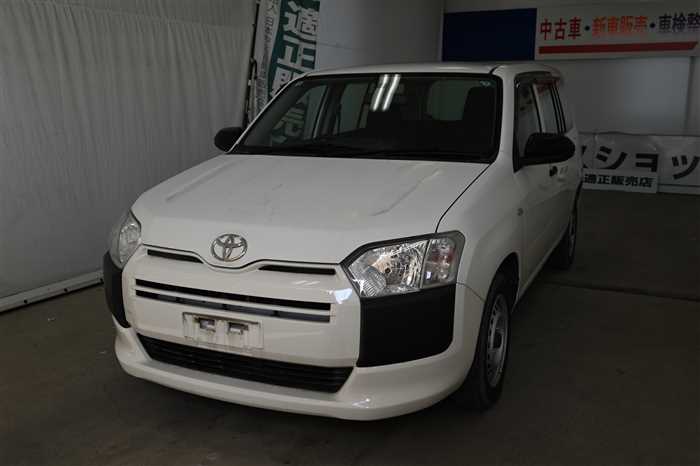
Probox Van Buying Guide
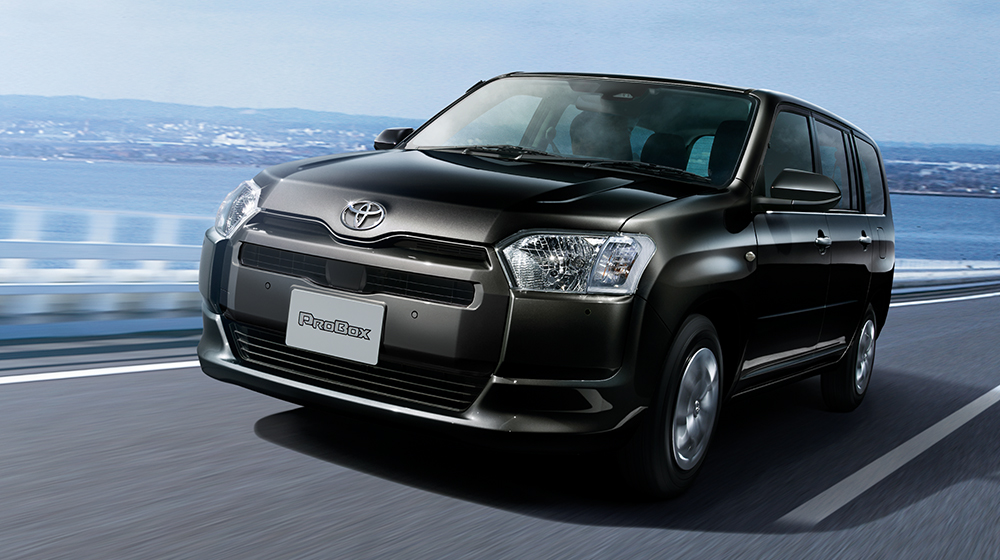
The Toyota Probox Van is a compact commercial wagon intended for "on-site use in Japan." With a No. 5 body size, which boasts a total width of 1,695 mm, excellent for narrow alleys and multi-story parking lots, it combines a low, easy-to-use cargo area with a reliable small-displacement engine. The first generation (XP5# series, July 2002 onwards) comes equipped with three engines: 2NZ-FE (1.3L), 1NZ-FE (1.5L), 1ND-TV (1.4L diesel) and two transmissions: 4AT/5MT, offering reliable operation. The second generation (XP16# series, from August 2014) modernizes with the addition of a CVT and expanded safety equipment. Available in FF/4WD options and 2/5 seater configurations, it has a maximum load capacity of around 400kg (350kg for 4WD), making it easily adaptable for a wide range of applications including delivery, sales, and maintenance inspections. A sibling model, the Succeed, was available until 2020. The two models, marketed through different sales channels, differ primarily in body size, particularly in the first generation. Since 2018, it has also been supplied to Mazda as the Familia Van.
First Generation Probox Van (XP5# Series, 2002–2014) - The perfect blend of "tool-like" sensibility and durability.
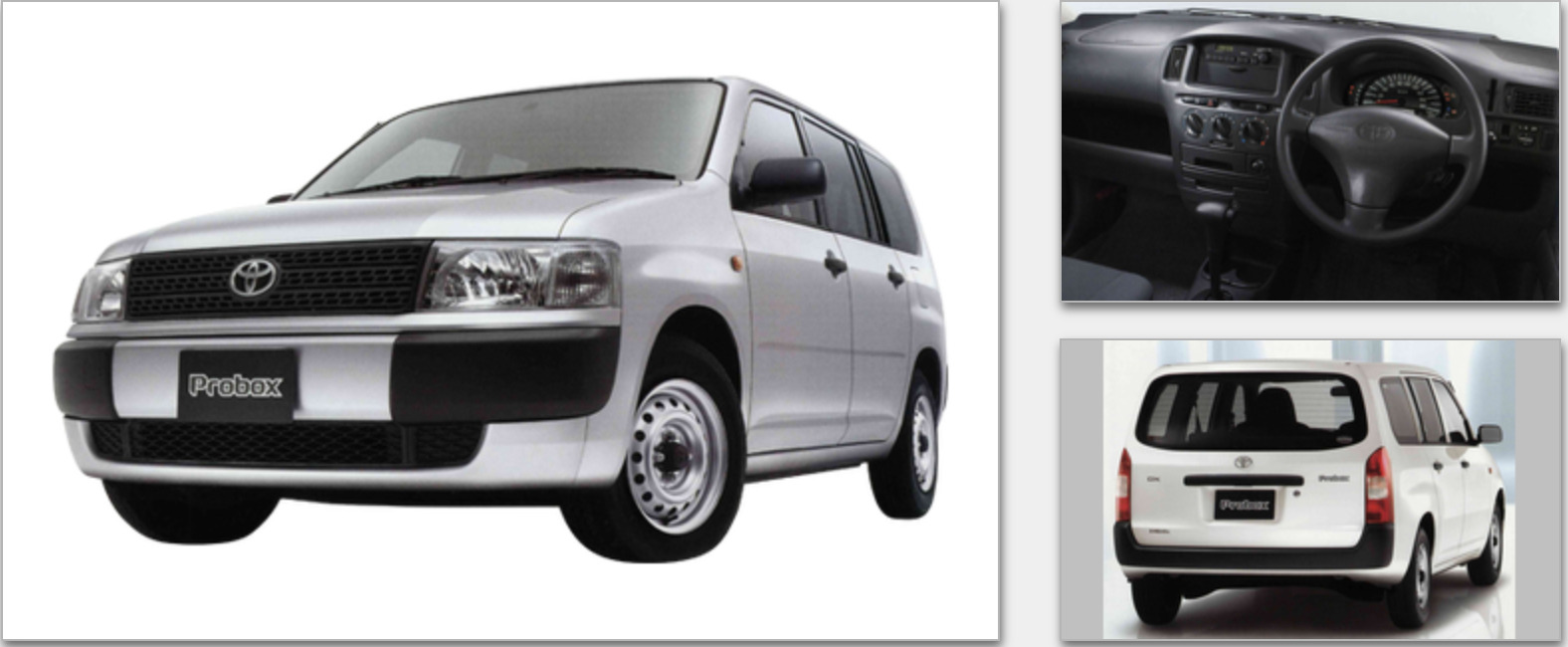
The Appeal of the First Generation Probox Van
"Simply designed with practical features for an 'unflustered daily drive'"
The key factors are a straightforward mechanism that reduces the risk of breakdowns, and a practical package. In addition to the 1.3L (2NZ-FE) and 1.5L (1NZ-FE) engines, there is also a highly rated 1.4L diesel engine (1ND-TV, available in some regions/years) renowned for its fuel efficiency and durability. The chassis is based on the first-generation Vitz (Yaris), with a 5MT/4AT transmission. Along with front-wheel drive, there is also the option of a 1.5L 4WD (NCP55V). Thanks to a short front and rear overhang and a minimum turning radius of approximately 4.9–5.2m (specifications vary), it handles easily in narrow alleys and parking lots. The square cargo area, with a length of about 1.8m when the passenger seat is down, can accommodate long items. The interior features easy-to-clean vinyl and fabric, and the electronics are more than satisfactory. With an abundance of spare parts and maintenance information available, this model is popular for its high uptime, meaning it's a tool that can earn its keep.
Disadvantages of the First Generation Probox Van
High-speed comfort and quietness are "practical standards", safety equipment also meets the standards of the time.
Being primarily 4AT-focused, the engine tends to rev higher during high-speed cruising, and the noise insulation and ride comfort are more rugged compared to passenger wagons. In its early generation, advanced safety features and skid prevention may not meet expectations and there are variances in ABS and airbag equipment depending on the model year and grade. When considering used options, checking the condition of suspension bushings/shocks, the fit of doors and hatches, electrical systems (A/C and alternator), automatic transmission fluid management, and undercarriage rust all contribute to peace of mind. For diesel models, checking for soot accumulation in EGR and intake systems can also be beneficial.
Rival of the first-generation Probox Van
Nissan AD/AD Expert (Y11 series, 1999-2016) / Toyota Probox Van (XP5# series, 2002–2014)
The Nissan AD/AD Expert is a notable rival in the same class. The AD competes on price and units, as well as the selection of equipment, while maintenance costs and parts availability can vary depending on local circumstances. If you prioritize a cargo space shape with fewer repacking times and the maneuverability of a 5-number, along with Toyota network services, then the Probox is a good choice. If you consider initial costs and equipment balance, the AD series is also strong - this is a practical perspective. The Toyota Succeed Van is a sibling car that shares a basic design with the Probox, with engines, many replacement parts, and a driving feel that are almost identical. However, the Succeed differs in that it is longer overall, preferring a slightly larger cargo space and rear seating space, and has a slightly more passenger-oriented interior and exterior design. If you value a more "tool-like" feel and compactness, choose the Probox. If you want the same mechanics but prefer more cargo space and comfort, along with a certain image, the Succeed Van is a practical choice.
Specifications of First Generation Probox Van
Size: Approximately Length 4,245mm x Width 1,695mm x Height 1,525–1,530mm Wheelbase: Approximately 2,550mm Engine: 1.3L 2NZ-FE I4 / 1.5L 1NZ-FE I4 / 1.4L 1ND-TV I4 Turbo Diesel (Configurations vary by year and region) Transmission: 5MT / 4AT Drive Type: FF, 4WD (mainly for 1.5L models) Seating Capacity: 2 persons / 5 persons Maximum Load Capacity (representative value): Approximately 400kg (for 4WD, about 350kg) Fuel Economy: Generally 14–18km/L in 10·15 mode (Varies by gasoline specification)
Second-Generation Probox Van (XP16#/NCP160V Series, 2014–): Upgraded to a "Modern Practical Vehicle" with CVT and Safety Features
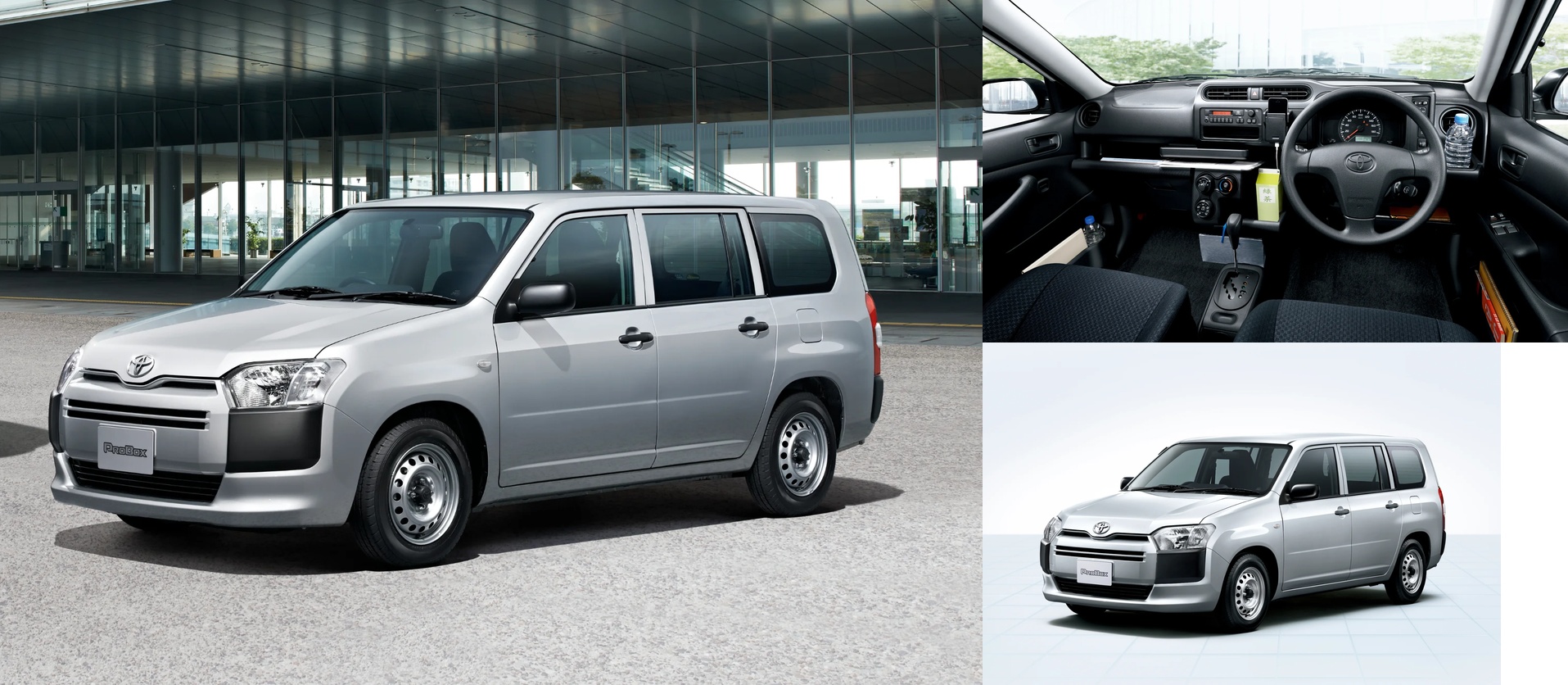
The Appeal of the Second-Generation Probox Van
Powertrain renovation (CVT) and the enhancement of safety and comfort.
The chassis was refreshed with a full model change in August 2014, and the CVT (Super CVT-i) was adopted. The rise in rotation from start to cruise became more gentle, improving silence and practical fuel economy. Based on 1.3L 1NR-FE engine (only for Probox) and 1.5L 1NZ-FE engine, improvements were made and efficiency was enhanced in later years. A hybrid model was also added in 2018. We are gradually expanding the inclusion of advanced safety features from the Toyota Safety Sense series (varies by year, 2016 and onwards) and driver-assist features like Hill Start Assist to reduce the burden of city deliveries and long driving hours. Improvements have been made from a "daily use" perspective, including optimizing the instrument panel and storage, providing USB/power considerations, and revising seat shapes. The options of FF/4WD, 2/5 people, and cargo space utility have been inherited, and the overall strength as standard work equipment has improved. From the second generation onwards, there are hardly any differences with the Succeed, but only the Probox is equipped with the 1.3L engine.
Disadvantages of the Second Generation Probox Van
Mismatched if you seek the quietness and quality feel of a passenger wagon.
While the transition to a CVT has resulted in a quieter drive, the design prioritizes functionality. The sound insulation and interior quality, along with rear seat comfort, are substantially superior to passenger wagons. There are significant differences in safety equipment, audio, and electrical equipment depending on the year and model. When considering used or company vehicles, it is important to check the wear and tear on the cargo area and interior, underbody rust, and the history of CVT fluid management. For those in snowy regions, it is reassuring to also inspect the area around the coupling and shaft of the 4WD models.
A rival to the second generation Probox Van
Nissan NV150 AD (current, 2016-) / Honda Freed+ (Commercial Version) / Light Commercial Van (HiAce Cargo, Every, etc.)
The Nissan NV150 AD is the successor to the AD model that was revamped in 2016. It's comparable in size to the Probox, a typical 5-number size vehicle, with a 1.5L CVT configuration. The subtleties in "loading, driving, and stopping" such as the pace of safety feature updates, CVT tuning, cargo compartment flat length, the number of fixed hooks, etc., make all the difference. The Probox's strengths lie in its easily comprehensible maintenance network, quantity, and resale value. Optimized for urban deliveries with its handling × cargo space efficiency, it's a high-scoring "standard solution". The Honda Freed+ is also chosen for its cargo capacity and convenience despite being based on a passenger car design. However, its uses differ from the Probox, which is specifically designed for commercial use. If you prioritize maintenance costs, then a small van might be an option in the light commercial van category. However, the Probox has an advantage when it comes to load capacity and highway stability.
Specifications of the Second Generation Probox Van
Size: Total Length approximately 4,245mm x Total Width 1,695mm x Total Height approximately 1,525–1,530mm Wheelbase: approximately 2,550mm Engine: 1.3L Straight -4 1NR-FE (according to year and market) / 1.5L Straight -4 1NZ-FE (later improved efficiency) Transmission: CVT (Super CVT-i) [possible regional variations for some years and grades] Drive system: FF, 4WD Seating capacity: 2 / 5 Max load capacity (representative value): approximately 400kg (4WD is approximately 350kg) Fuel economy reference: Approximately 16–22km/L in the JC08 period (varies by displacement and drive)
Search By Maker
- Airman
- Alfa Romeo
- AMG
- Audi
- Bentley
- BMW
- BMW ALPINA
- Cadillac
- CAT
- CATERHAM
- Caterpillar
- Chevrolet
- Chrysler
- Citroen
- Daihatsu
- Daimler
- Denyo
- Dodge
- Ferrari
- Fiat
- Ford
- GM
- GMC
- Hino
- Hitachi
- Honda
- Hyundai
- Infiniti
- Iseki
- Isuzu
- Jaguar
- Jeep
- Kawasaki
- Kobelco
- Komatsu
- Kubota
- Lamborghini
- Lancia
- Land Rover
- Lexus
- Lincoln
- Lotus
- Maserati
- Mazda
- Mercedes Benz
- MG
- Mitsubishi
- Mitsubishi Fuso
- Mitsuoka
- Nissan
- Opel
- Others
- Peugeot
- Pontiac
- Porsche
- RANGE ROVER
- Renault
- Rolls-Royce
- Rover
- Saab
- Sakai
- Smart
- Subaru
- Sumitomo
- Suzuki
- TCM
- TESLA
- Toyota
- Volkswagen
- Volvo
- YAMAHA
- Yanmar
Search for Toyota Cars by Model
- 86
- Allex
- Allion
- Alphard
- Alphard G
- Alphard Hybrid
- Alphard V
- Altezza
- Altezza Gita
- Aqua
- Aristo
- Auris
- Avalon
- Avensis
- Axio
- bB
- Belta
- Blade
- Brevis
- C-HR
- Caldina
- Caldina Van
- Cami
- Camroad
- Camry
- Camry Gracia
- Camry Hybrid
- Carina
- Carina ED
- Cavalier
- Celica
- Celica XX
- Celsior
- Century
- CH-R
- Chaser
- Coaster
- Coaster Big Van
- Coaster R
- Comfort
- Corolla
- Corolla Axio
- Corolla Celles
- Corolla Fielder
- Corolla FX
- Corolla II
- Corolla Levin
- Corolla Rumion
- Corolla Runx
- Corolla Sedan
- Corolla Spacio
- Corolla Sports
- Corolla Touring Wagon
- Corolla Van
- Corolla Wagon
- CorollaCross
- Corona
- Corona Exiv
- Corona Premio
- Corona Sf
- Corona Van
- Corsa
- Crassic
- Cresta
- Crown
- Crown Athlete Series
- Crown Comfort
- Crown Estate
- Crown Hardtop
- Crown Hybrid
- Crown Majesta
- Crown Royal Series
- Crown Sedan
- Crown Station Wagon
- Crown Van
- Curren
- Cynos
- Deliboy
- Duet
- Dyna
- Dyna Route Van
- Dyna Truck
- Dyna Urban Supporter
- Dyna Van
- Esquire
- Estima
- Estima Emina
- Estima Hybrid
- Estima L
- Estima Lucida
- Estima T
- Fielder
- FJ CRUISER
- FORKLIFT
- Fun Cargo
- Gaia
- GR YARIS
- Gracia Wagon
- Grand Hiace
- Granvia
- Harrier
- Harrier Hybrid
- Hiace
- Hiace Commuter
- Hiace Regius
- Hiace Truck
- Hiace Van
- Hiace Wagon
- HIGHLANDER
- Hilux
- Hilux Pick up
- Hilux Sports Pickup
- Hilux Surf
- Hilux Surf Van
- Hilux Truck
- HIMEDIC
- Ipsum
- iQ
- Isis
- IST
- KLUGER
- Kluger Hybrid
- Kluger L
- Kluger V
- Land Cruiser
- Land Cruiser Cygnus
- Land Cruiser Prado
- Landcruiser 70
- Landcruiser 80
- Liteace Noah
- Liteace Truck
- Liteace Van
- Liteace Wagon
- Mark II
- Mark II Blit
- Mark II Qualis
- Mark II Van
- Mark II Wagon
- Mark X
- Mark X Zio
- Masterace Surf
- Megacruiser
- MR-S
- MR2
- Nadia
- Noah
- OPA
- Others
- Passo
- Passo sette
- Pixis
- PIXIS VAN
- Platz
- Porte
- Prado
- Premio
- Prius
- Prius alpha
- Prius PHV
- Probox
- Probox Van
- Probox Wagon
- Progress
- Pronard
- Publica
- Quick Delivery
- Ractis
- Raize
- Raum
- RAV4
- RAV4 J
- RAV4 L
- Regius Van
- Regius Wagon
- Regiusace Commuter
- Regiusace Van
- Roomy
- Rush
- SAI
- Scepter
- Scepter Wagon
- Sequoia
- Sera
- Sienta
- Soarer
- Spade
- Sparky
- Sprinter Carib
- Sprinter Marino
- Sprinter Sedan
- Sprinter Trueno
- Sprinter Van
- Sprinter Wagon
- Starlet
- Starlet Van
- Succeed
- Succeed Van
- Succeed Wagon
- Supra
- TANK
- Tercel
- Touring Hiace
- Townace Noah
- Townace Truck
- Townace Van
- Townace Wagon
- Toyoace
- Toyoace Route Van
- Toyoace Truck
- Toyoace Urban Supporter
- Toyota Others
- Tundra
- Vanguard
- Vellfire
- Vellfire Hybrid
- Verossa
- Vista Ardeo
- Vista Sedan
- Vitz
- Voltz
- Voxy
- Will Cypha
- Will Vi
- Will VS
- Windom
- Wish
- Yaris
- Yaris Cross