


Used Nissan X-Trail for Sale — 659 listed
Set your destination to see the total price including shipping (C&F).
659 Results
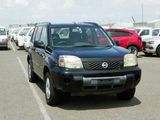
Ref# UW-6944c0ad57203
DIYATA JAPAN CO.,LTD
2005 Nissan X-Trail UA-T30
S 2WD
- Mileage
- 150,400 km
- Year
- 2005/3
- Engine
- 2,000cc
- Trans.
- Automatic
FOBPrice$1,400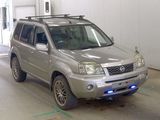
Ref# UW-mvasqnhwb6ro
DIYATA JAPAN CO.,LTD
2005 Nissan X-Trail UA-NT30
X tt 4WD
- Mileage
- 118,700 km
- Year
- 2005/9
- Engine
- 2,000cc
- Trans.
- Automatic
FOBPrice$3,100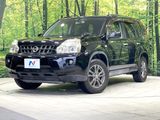
Ref# UW-munc51kkuyaj
INSPIRE LLC
2008 Nissan X-Trail DBA-T31
20X
- Mileage
- 78,570 km
- Year
- 2008/2
- Engine
- 1,997cc
- Trans.
- CVT
FOBPrice$2,729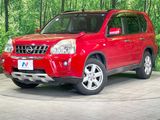
Ref# UW-mv06wtruf4dt
INSPIRE LLC
2010 Nissan X-Trail DBA-NT31
20Xtt
- Mileage
- 89,992 km
- Year
- 2010/7
- Engine
- 1,997cc
- Trans.
- CVT
FOBPrice$3,164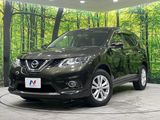
Ref# UW-6ab1f3435c6fc
INSPIRE LLC
2014 Nissan X-Trail DBA-NT32
20X
- Mileage
- 126,607 km
- Year
- 2014/2
- Engine
- 1,997cc
- Trans.
- CVT
FOBPrice$3,288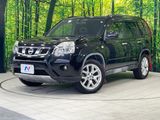
Ref# UW-6ab9dc51ea1db
INSPIRE LLC
2013 Nissan X-Trail DBA-NT31
20Xtt
- Mileage
- 109,460 km
- Year
- 2013/12
- Engine
- 1,997cc
- Trans.
- CVT
FOBPrice$3,412
Ref# UW-6a8bb766170ea
INSPIRE LLC
2014 Nissan X-Trail DBA-NT32
20X Emergency Brake Package
- Mileage
- 108,760 km
- Year
- 2014/2
- Engine
- 1,997cc
- Trans.
- CVT
FOBPrice$3,412
Ref# UW-6a94f253a0065
INSPIRE LLC
2016 Nissan X-Trail DBA-NT32
20X Emergency Brake Package
- Mileage
- 115,384 km
- Year
- 2016/3
- Engine
- 1,997cc
- Trans.
- CVT
FOBPrice$3,468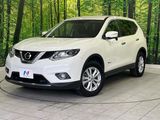
Ref# UW-mut1570zv9ji
INSPIRE LLC
2016 Nissan X-Trail DAA-HNT32
20X Hybrid Emergency Brake Package
- Mileage
- 135,215 km
- Year
- 2016/3
- Engine
- 1,997cc
- Trans.
- CVT
FOBPrice$3,474
Ref# UW-6a98e7051dd80
MaccaLi inc
2014 Nissan X-Trail DBA-NT32
20X
- Mileage
- 102,541 km
- Year
- 2014/8
- Engine
- 1,997cc
- Trans.
- CVT
FOBPrice$3,474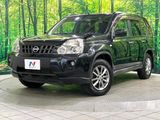
Ref# UW-mv06wt99gwdc
MaccaLi inc
2010 Nissan X-Trail DBA-NT31
20Xtt
- Mileage
- 97,605 km
- Year
- 2010/3
- Engine
- 1,997cc
- Trans.
- CVT
FOBPrice$3,660
Ref# UW-6a73fad0b0153
INSPIRE LLC
2015 Nissan X-Trail DAA-HNT32
20X Hybrid Emergency Brake Package
- Mileage
- 90,418 km
- Year
- 2015/12
- Engine
- 1,997cc
- Trans.
- CVT
FOBPrice$3,691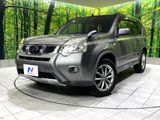
Ref# UW-mulwudclyw2g
INSPIRE LLC
2011 Nissan X-Trail DBA-NT31
20X
- Mileage
- 89,021 km
- Year
- 2011/3
- Engine
- 1,997cc
- Trans.
- CVT
FOBPrice$3,722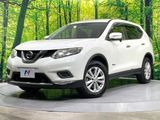
Ref# UW-mvegycvzenkh
INSPIRE LLC
2015 Nissan X-Trail DAA-HNT32
20X ハイブリッド エマージェンシーブレーキパッケージ
- Mileage
- 105,170 km
- Year
- 2015/9
- Engine
- 1,997cc
- Trans.
- CVT
FOBPrice$3,784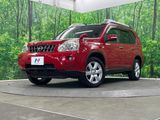
Ref# UW-muvwmvy168e5
INSPIRE LLC
2008 Nissan X-Trail DBA-NT31
20X
- Mileage
- 65,900 km
- Year
- 2008/4
- Engine
- 1,997cc
- Trans.
- CVT
FOBPrice$3,784
Ref# UW-6aa4c48c67e4d
MaccaLi inc
2010 Nissan X-Trail DBA-NT31
20X
- Mileage
- 100,066 km
- Year
- 2010/9
- Engine
- 1,997cc
- Trans.
- CVT
FOBPrice$3,784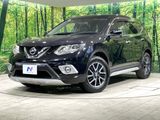
Ref# UW-6aa22145e708c
INSPIRE LLC
2014 Nissan X-Trail DBA-NT32
20X Extremer X
- Mileage
- 98,605 km
- Year
- 2014/10
- Engine
- 1,997cc
- Trans.
- CVT
FOBPrice$3,784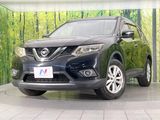
Ref# UW-6ab344f9201dd
INSPIRE LLC
2014 Nissan X-Trail DBA-NT32
20X
- Mileage
- 95,760 km
- Year
- 2014/6
- Engine
- 1,997cc
- Trans.
- CVT
FOBPrice$3,939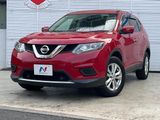
Ref# UW-6a62d745229b8
INSPIRE LLC
2015 Nissan X-Trail DAA-HT32
20X Hybrid Emergency Brake Package
- Mileage
- 52,430 km
- Year
- 2015/12
- Engine
- 1,997cc
- Trans.
- CVT
FOBPrice$3,939
Ref# UW-mva7w2c3djw4
INSPIRE LLC
2013 Nissan X-Trail DBA-NT31
20Xtt
- Mileage
- 98,100 km
- Year
- 2013/2
- Engine
- 1,997cc
- Trans.
- CVT
FOBPrice$3,970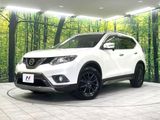
Ref# UW-mv5w1ao1xwz1
INSPIRE LLC
2015 Nissan X-Trail DBA-NT32
20X Black Extremer X
- Mileage
- 103,473 km
- Year
- 2015/2
- Engine
- 1,997cc
- Trans.
- CVT
FOBPrice$4,032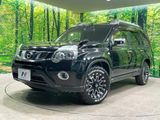
Ref# UW-mv8rgmlxxaso
INSPIRE LLC
2012 Nissan X-Trail DBA-NT31
20Xt
- Mileage
- 102,601 km
- Year
- 2012/3
- Engine
- 1,997cc
- Trans.
- CVT
FOBPrice$4,094
Ref# UW-munc3hhsbw6b
INSPIRE LLC
2014 Nissan X-Trail DBA-NT32
20X Emergency Brake Package
- Mileage
- 79,195 km
- Year
- 2014/12
- Engine
- 1,997cc
- Trans.
- CVT
FOBPrice$4,094
Ref# UW-6aa0cffc7bbe6
INSPIRE LLC
2016 Nissan X-Trail DBA-NT32
20Xt Emergency Brake Package
- Mileage
- 110,223 km
- Year
- 2016/7
- Engine
- 1,997cc
- Trans.
- CVT
FOBPrice$4,094
Ref# UW-6a8d091ddb834
INSPIRE LLC
2014 Nissan X-Trail DBA-NT32
20X Emergency Brake Package
- Mileage
- 89,360 km
- Year
- 2014/3
- Engine
- 1,997cc
- Trans.
- CVT
FOBPrice$4,094
Ref# UW-6a7159bed1e44
MaccaLi inc
2013 Nissan X-Trail DBA-NT31
20Xtt
- Mileage
- 90,045 km
- Year
- 2013/11
- Engine
- 1,997cc
- Trans.
- CVT
FOBPrice$4,094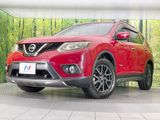
Ref# UW-6a6428c5052bc
INSPIRE LLC
2015 Nissan X-Trail DAA-HNT32
20X Hybrid Black Extremer X Emergency Brake Package
- Mileage
- 88,760 km
- Year
- 2015/12
- Engine
- 1,997cc
- Trans.
- CVT
FOBPrice$4,094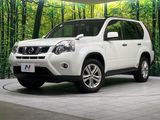
Ref# UW-6a5306edee5a8
MaccaLi inc
2012 Nissan X-Trail DBA-NT31
20X
- Mileage
- 70,810 km
- Year
- 2012/8
- Engine
- 1,997cc
- Trans.
- CVT
FOBPrice$4,094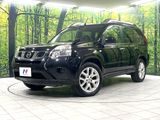
Ref# UW-murmv6dd2txl
INSPIRE LLC
2012 Nissan X-Trail DBA-NT31
20Xt
- Mileage
- 90,135 km
- Year
- 2012/1
- Engine
- 1,997cc
- Trans.
- CVT
FOBPrice$4,156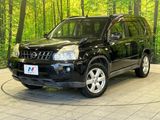
Ref# UW-mvd1zimc4m27
INSPIRE LLC
2009 Nissan X-Trail DBA-NT31
20X
- Mileage
- 88,350 km
- Year
- 2009/10
- Engine
- 1,997cc
- Trans.
- CVT
FOBPrice$4,218
Ref# UW-mulwuhgevws3
INSPIRE LLC
2016 Nissan X-Trail DBA-NT32
20Xt Emergency Brake Package
- Mileage
- 129,750 km
- Year
- 2016/3
- Engine
- 1,997cc
- Trans.
- CVT
FOBPrice$4,280
Ref# UW-mva7w3lr1pmw
INSPIRE LLC
2014 Nissan X-Trail DBA-NT32
20X Extremer X Emergency Brake Package
- Mileage
- 104,697 km
- Year
- 2014/7
- Engine
- 1,997cc
- Trans.
- CVT
FOBPrice$4,653
Ref# UW-mva7w323l26n
INSPIRE LLC
2013 Nissan X-Trail DBA-NT32
20X Emergency Brake Package
- Mileage
- 71,980 km
- Year
- 2013/12
- Engine
- 1,997cc
- Trans.
- CVT
FOBPrice$4,653
Ref# UW-muxbxm22emmc
INSPIRE LLC
2013 Nissan X-Trail DBA-NT31
20Xtt
- Mileage
- 111,235 km
- Year
- 2013/3
- Engine
- 1,997cc
- Trans.
- CVT
FOBPrice$4,653
Ref# UW-mut1ilxhkchh
INSPIRE LLC
2015 Nissan X-Trail DBA-NT32
20X Emergency Brake Package
- Mileage
- 120,330 km
- Year
- 2015/3
- Engine
- 1,997cc
- Trans.
- CVT
FOBPrice$4,653
Ref# UW-6ab739802a37f
MaccaLi inc
2014 Nissan X-Trail DBA-NT32
20X
- Mileage
- 93,061 km
- Year
- 2014/3
- Engine
- 1,997cc
- Trans.
- CVT
FOBPrice$4,653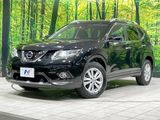
Ref# UW-6aab5b258e66d
INSPIRE LLC
2016 Nissan X-Trail DBA-NT32
20X Emergency Brake Package
- Mileage
- 84,086 km
- Year
- 2016/10
- Engine
- 1,997cc
- Trans.
- CVT
FOBPrice$4,653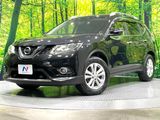
Ref# UW-6a94f29c44d44
INSPIRE LLC
2016 Nissan X-Trail DBA-T32
20Xt Emergency Brake Package
- Mileage
- 92,200 km
- Year
- 2016/1
- Engine
- 1,997cc
- Trans.
- CVT
FOBPrice$4,653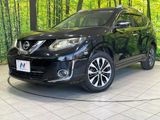
Ref# UW-6a7be3bf02909
INSPIRE LLC
2016 Nissan X-Trail DAA-HNT32
Mode Premier Hybrid Emergency Brake Package
- Mileage
- 95,800 km
- Year
- 2016/2
- Engine
- 1,997cc
- Trans.
- CVT
FOBPrice$4,653
Ref# UW-6aadff737b7c8
INSPIRE LLC
2016 Nissan X-Trail DBA-T32
20Xt Emergency Brake Package
- Mileage
- 99,870 km
- Year
- 2016/9
- Engine
- 1,997cc
- Trans.
- CVT
FOBPrice$4,715
Ref# UW-6a8faa3598f2a
INSPIRE LLC
2015 Nissan X-Trail DAA-HNT32
20X Hybrid Emergency Brake Package
- Mileage
- 78,460 km
- Year
- 2015/8
- Engine
- 1,997cc
- Trans.
- CVT
FOBPrice$4,715
Ref# UW-mvd21frwvk7t
INSPIRE LLC
2016 Nissan X-Trail DBA-T32
20X Emergency Brake Package
- Mileage
- 60,867 km
- Year
- 2016/2
- Engine
- 1,997cc
- Trans.
- CVT
FOBPrice$4,746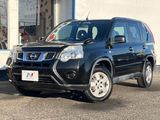
Ref# UW-mvd1zjcso13n
INSPIRE LLC
2013 Nissan X-Trail DBA-NT31
20S
- Mileage
- 74,350 km
- Year
- 2013/8
- Engine
- 1,997cc
- Trans.
- CVT
FOBPrice$4,963
Ref# UW-mv7ch50b19oa
INSPIRE LLC
2014 Nissan X-Trail DBA-NT32
20X Emergency Brake Package
- Mileage
- 94,700 km
- Year
- 2014/3
- Engine
- 1,997cc
- Trans.
- CVT
FOBPrice$4,963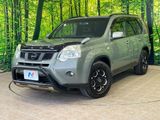
Ref# UW-mv7ch3x100oa
INSPIRE LLC
2011 Nissan X-Trail DBA-NT31
20X
- Mileage
- 138,445 km
- Year
- 2011/5
- Engine
- 1,997cc
- Trans.
- CVT
FOBPrice$4,963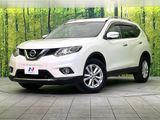
Ref# UW-6ab9dc5660bd7
INSPIRE LLC
2016 Nissan X-Trail DBA-NT32
20Xt Emergency Brake Package
- Mileage
- 88,720 km
- Year
- 2016/3
- Engine
- 1,997cc
- Trans.
- CVT
FOBPrice$4,963
Ref# UW-6aa7676304dad
INSPIRE LLC
2014 Nissan X-Trail DBA-NT32
20X Emergency Brake Package
- Mileage
- 69,679 km
- Year
- 2014/8
- Engine
- 1,997cc
- Trans.
- CVT
FOBPrice$4,963
Ref# UW-6aa0cffb9ead5
INSPIRE LLC
2013 Nissan X-Trail DBA-NT32
20X Emergency Brake Package
- Mileage
- 77,380 km
- Year
- 2013/12
- Engine
- 1,997cc
- Trans.
- CVT
FOBPrice$4,963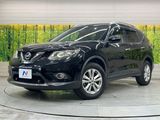
Ref# UW-6a964454cf8e8
INSPIRE LLC
2016 Nissan X-Trail DBA-T32
20Xt Emergency Brake Package
- Mileage
- 100,890 km
- Year
- 2016/7
- Engine
- 1,997cc
- Trans.
- CVT
FOBPrice$4,963
Ref# UW-6a7e8849d4eef
INSPIRE LLC
2016 Nissan X-Trail DBA-T32
20Xt Emergency Brake Package
- Mileage
- 69,650 km
- Year
- 2016/1
- Engine
- 1,997cc
- Trans.
- CVT
FOBPrice$4,963


X-Trail Buying Guide

The Nissan X-Trail is a global SUV launched by Nissan in 2000. The first and second generations (T30/T31) were outdoor-focused models which emphasized their function as a 4WD "tool", featuring waterproof luggage capacity and a practical square body. The third generation T32 increased in both design sophistication and in-car luxury, and also introduced a hybrid model. The current fourth generation T33 has evolved such that it exclusively uses the e-POWER engine for power generation and a motor for running, incorporating the "e-4ORCE" electric 4WD system, thereby transforming into an electric SUV. Despite the width of all generations exceeding 1,700mm (a size referred to in Japan as 'three number'), they maintain a balance of good maneuverability and visibility. This vehicle caters to a wide range of needs, from family use to outdoor and snow road use.
First Generation X-Trail (T30, 2000-2007) - A Genuine Light SUV with a Tough Gear Concept.

The Charm of the First Generation X-Trail
A SUV thoroughly designed as tough gear that you can 'use and get dirty.'
The first-generation T30 X-Trail was introduced during a time when there were few crossover SUVs in the Japanese market. It was designed under the concept of "a functional four-wheel drive for four people to enjoy and comfortably use for under 2 million yen". The luggage floor is covered with a high-water-resistant synthetic board, allowing users to directly load wet outdoor gear or snowboards and wash them later. The extensive use of water-repellant materials on the seat covers and roof lining appeals to those who enjoy roughing it out at campsites or water sports, making it a huge hit. The primary power-train is the 2.0L直4(QR20DE), with options for a 2.0L turbo(SR20VET, for certain grades), and depending on the market, a 2.5L petrol or 2.2L diesel turbo. The transmission options are 5MT or 4AT, and the Japanese model incorporates an electronically controlled torque split system: "ALL MODE 4x4". It generally operates as a front-wheel drive, but it automatically redistributes torque to the rear wheels when it detects slippage. The system also allows you to switch between "2WD/AUTO/LOCK" modes with a simple dial. The combination of ease-of-handling on roads and a sense of security on snowy or dirt terrains has helped it maintain its ongoing popularity.
Weaknesses of the First Generation X-Trail
Upon viewing now, the fuel efficiency, safety features, and comfort are appropriate for its generation.
The first generation T30 has clear weaknesses when viewed by today's standards. Firstly, its fuel efficiency is around 8-10km/L for a 2.0L, 4AT, 4WD model, which is noticeably inferior compared to the latest SUVs of the same class. Due to the high-revving engine characteristics and the gear ratio of the 4-speed AT, the engine speed tends to be somewhat high on highways, making it less advantageous for long touring in terms of both quietness and fuel economy. Additionally, the body structure and safety equipment are at the level of the early 2000s. Although airbags and ABS come as standard, advanced driver assistance systems such as automatic braking and lane keeping are naturally not installed. The boxy body structure offers a good field of view, but is aerodynamically disadvantaged and prone to crosswind effects. Additionally, many of the models in Japan have been used in snowy climates, so it's important to check for rust on the chassis and floor. If you are considering importing, you'll want to carefully verify the condition of the underbody rust prevention, as well as the maintenance history of the AT and 4WD systems.
Rivals of the first generation X-Trail
Toyota RAV4 (2nd Generation XA20 Series)
The second generation RAV4 (XA20 series), which was on sale at the same time, is the most direct rival to the first generation X-Trail. The RAV4, as a monocoque crossover SUV, was known for its on-road oriented settings and somewhat compact body, making it easy to handle even in urban areas. On the other hand, the luggage floor was mainly carpeted, conceding to the X-Trail in terms of water-resistance and "dirty-use" toughness. In terms of used cars, the RAV4, with its worldwide recognition and abundant parts supply and maintenance knowledge, offers a sense of security. However, for users who want to use their vehicle roughly for outdoor activities, the X-Trail with its plastic floor and water-repellent seats might be more suitable. Both are reliable Japanese-made SUVs, but the choice may come down to this: if you prioritize urban driving and compactness, go for the RAV4. If you want a 4WD to use vigorously as gear, choose the first generation X-Trail.
Specifications of the First Generation X-Trail
Size: Total length 4445–4510mm × total width 1765mm × total height 1675mm Engine: 2.0L inline 4-cylinder gasoline (QR20DE), 2.0L inline 4-cylinder turbo (SR20VET, in part), depending on the market 2.5L inline 4 (QR25DE), 2.2L inline 4 diesel turbo (YD22DDTi) Transmission: 5MT / 4AT Drive system: FF or 4WD (ALL MODE 4×4) Maximum output: Approximately 140–280ps (SR20VET turbo is high output) Fuel efficiency: Approximately 8–12km/L in practical range (Varies greatly depending on usage conditions) Price when new in Japan: Approximately 1.85 million to 3 million yen depending on the grade
2nd Generation X-Trail (T31, 2007-2013) - A Practical SUV with a Refined Interior

The Appeal of the Second Generation X-Trail
Improved interior quality and suitability for long-distance touring
The second-generation T31 X-Trail builds on the "Tough Gear" concept of its predecessor, greatly enhancing interior quality and on-road performance. The meter panel is traditionally positioned in front of the driver's seat, and the dashboard design is more subdued. Improvements in seat shape and quietness also enhance the comfort of long drives on highways. The engines are mainly a 2.0L straight-four gasoline (MR20DE) and a 2.5L straight-four (QR25DE), but notable is the 2.0L diesel (M9R) that pioneered the "Clean Diesel" in the Japanese market. It gained enormous support from long-distance drivers due to its remarkable torque and economy. The 4WD has evolved into the "ALL MODE 4x4-i," allowing more precise control over slippery surfaces. The cargo space retains the waterproofing specifications of the first-generation model, with the addition of a two-tier "Luggage Under Tray (pull-out type)" allowing for organized storage of smaller items, maximizing practicality.
Weaknesses of the Second Generation X-Trail
Rugged design and fuel consumption due to increased weight
While the T31 model is more refined than its predecessor, it retains a boxy, "bulky" look that may polarize users who prefer an urban style. While rivals have moved to smoother crossover designs, the T31 is more biased towards practicality and off-road performance, which can sometimes give it a somewhat commercial vehicle feel. In addition, thanks to body enlargement and improved equipment, the vehicle weight has increased from the initial model. With a 2.5L, 4WD, and CVT combination, its fuel efficiency is around 9-11km/L, which didn't come off as particularly impressive at the time. The diesel model available in European-spec is appealing for both its fuel consumption and torque, but there may be limited availability when importing used from Japan. Concerning the long-term durability of the CVT, the risk of problems will increase if regular oil changes are neglected - hence, checking the vehicle's maintenance history is crucial.
Rivals of the second generation X-Trail
Subaru Forester (SH Series)
A strong competitor of the second generation X-Trail is the Subaru Forester (SH series), which is also a practical SUV. The Forester adopts a unique package of horizontally-opposed engine + symmetrical AWD, being renowned for its stability on snowy roads and winding paths. Its interior is as solid and robust as the T31, but offers a sportier driving feel and its turbocharged model significantly outperforms the X-Trail in acceleration. On the other hand, as the Forester's luggage floor is carpeted and not made of all-resin board like the T31, the X-Trail has an advantage for daily usage involving wet or dirty items. Also, the turbo model of the Forester comes with slightly higher fuel consumption and insurance costs, so if you prioritize running costs, it's recommended to compare between the 2.0L gasoline versions of X-Trail and Forester.
Specs of the Second-Generation X-Trail
Size: Total length 4590-4635mm x Total width 1785mm x Total height 1685mm Engine: 2.0L Gasoline (MR20DE), 2.5L Gasoline (QR25DE), 2.0L Clean Diesel (M9R) Transmission: 6MT / Electronic CVT / 6AT (Configured for diesel models) Drive System: FF or 4WD (ALL MODE 4x4-i) Maximum Output: Approximately 140-170ps (Gasoline), about 150-173ps for diesel Fuel Economy: Approximately 11.6-15.2km/L for gasoline cars, 14.2-15.2km/L for diesel cars in the 10・15 mode (Japanese standard) Price for a new car in Japan: Generally between 2 to 3.3 million yen
Third Generation X-Trail (T32, 2013–2020 Japan) ~ Urban Crossover and Hybrid

The allure of the third generation X-Trail
Sedan-like Design and Addition of Hybrid
In the third generation T32 model, the X-Trail unified its model with the second generation Rogue in North America, and instantly underwent an image change to an urban crossover. It adopted a round body and a V-motion grill, and its styling evolved from the "boxy tough gear" of its predecessor to a sophisticated design that also considers families and city drivers. The platform uses Nissan's CMF architecture, significantly improving the interior space, quietness, and ride comfort. In the Japanese market, in addition to the 2.0L straight 4 direct injection engine (MR20DD), a hybrid specification was later added. Convenience was greatly enhanced, and the "Remote Back Door (Electric Open/Closed Tailgate)" adopted for the first time in Nissan SUVs was also introduced in this generation. The hands-free function (available in some grades), which allows opening and closing just by waving your foot, is handy when your hands are full, such as camping or shopping.
Drawbacks of the third-generation X-Trail
The off-road character has been toned down, and the third row is narrow.
The T32 has become less rugged and robust, losing the "durable toughness" and gritty character that the first and second generations had, as it has swung in a direction that is more like a passenger car. Although its luggage floor retains waterproof capabilities, the interior is similar to a typical crossover, which may not satisfy users seeking unique outdoor gear characteristics. In addition, the third-row seats in the three-row seat configuration are very compact, providing a tight space for adult men to sit for long periods. The cargo space is also significantly reduced when the third row is in use, therefore in practice, it should be considered as "usually for 5 people + for an emergency 6th or 7th person". The hybrid model has excellent fuel efficiency, but due to the battery layout, certain grades may have restrictions on luggage capacity and 4WD settings, so this is something to take note of.
Rivals of the third-generation X-Trail
Mazda CX-5 (KE/KF series)
The Mazda CX-5 of the same period is a highly praised rival in all aspects such as design, fuel economy, and drivability. The CX-5 offers a stylish appearance through its "KODO-Soul of Motion" design, and combines high practical fuel economy and driving performance with its SKYACTIV technology gasoline/diesel engines. The diesel model, in particular, is torque-rich, making it attractive for high-speed cruising and long tours. On the other hand, the CX-5 has a slightly harder ride, and its off-road capability is more on-road based. If you're a user who regularly drives in snowy areas or on unpaved roads, there may be instances where the X-Trail with waterproof luggage and the ALL MODE 4×4-i would be more suitable. If you prioritize styling for urban use, then the CX-5 is ideal. If you're considering outdoor usage, then the X-Trail T32 is a realistic choice.
Specifications of the 3rd Generation X-Trail
Size: Total length approximately 4640mm (4690mm for later models) x total width 1820mm x total height approximately 1715-1730mm, wheelbase 2705mm Engine (Japan): 2.0L direct injection inline-four gasoline (MR20DD), 2.0L inline-four hybrid system with motor (MR20DD + electric motor) Transmission: XTRONIC CVT Drive System: FF or 4WD (ALL MODE 4×4-i) Maximum output: Approximately 147hp for gasoline, the hybrid has system output approximately 179hp (varies by market) Fuel efficiency: JC08 mode (Japanese standard) approximately 14-16km/L for gasoline cars, around 20km/L for hybrids (catalog value) Price when new in Japan: Approximately between 2.2 million to 3.3 million yen
4th Generation X-Trail (T33, 2022– ) 〜 e-POWER and e-4ORCE Electric SUV

The Appeal of the Fourth-Generation X-Trail
Runs quietly and powerfully with motor drive and electric 4WD.
The current T33 model X-Trail has undergone a major powertrain overhaul. Unlike the third-generation Rogue in North America, the Japanese model adopts the second-generation e-POWER throughout, and the 1.5L straight-three turbo (KR15DDT) equipped with a VC turbo is for power generation only, with the front (and rear) motor(s) being solely responsible for actual driving. Thanks to this series hybrid system, it achieves smooth and powerful acceleration like an EV, and high quietness from start to mid-speed range. The 4WD model adopts 'e-4ORCE' with two motors at the front and rear, which controls front and rear torque distribution instantaneously, demonstrating high stability both on and off-road. The body size is 4660mm in length, 1840mm in width, and 1720mm in height, slightly larger than its predecessor, but the wheelbase remains steady at 2705mm. Thanks to an efficient layout of the interior and luggage space, it secures enough living space and luggage capacity as a five-seater SUV. The interior features a modern design with a large infotainment display and digital meters, and it is equipped with advanced driver assistance systems like 'ProPILOT' and the latest driver assistance and safety equipment. For users who want to enjoy the typical driving and equipment of the current model, even imported from Japan, it is an attractive option.
Downsides of the 4th Generation X-Trail
Vehicle price and system complexity
The T33, loaded with the latest technology, also has its negatives. Firstly, the powertrain is extremely complex due to the adoption of e-POWER and e-4ORCE, making maintenance and repairs largely dependent on official dealers and advanced facilities. As there is little record of long-term durability, those considering importing used vehicles or long-term use overseas must check in advance the warranty details and replacement costs of the battery, inverter, and motor. Additionally, the vehicle price starts from the early 3 million yen range in the Japanese market, which is clearly more expensive compared to the previous generation that was mainly gasoline cars. Taking into account import costs and taxes, it often turns out to be more expensive than gasoline SUVs or diesel SUVs in the same class. Whether the fuel efficiency can recoup the difference depends on your usage environment. Due to the high level of electronic control, pure 4WD fans who enjoy the "raw mechanical feel" off-road may prefer the first and second generations, and such opinions are not uncommon.
Rivals of the fourth-generation X-Trail
Toyota RAV4 / Hybrid & PHEV
The greatest competitor of the current T33 is the hybrid/PHV model of the Toyota RAV4. The RAV4 Hybrid is a series-parallel hybrid with a 2.5L engine + electric 4WD (E-Four), achieving both low fuel consumption and powerful acceleration. The plug-in hybrid (RAV4 PHV) stands out for its ability to travel certain distances on EV mode alone, significantly reducing running costs in areas with good charging infrastructure. On the other hand, the X-Trail e-POWER always operates on a motor, providing excellent response. With e-4ORCE offering finely-tuned front-to-rear torque distribution and braking control, its stability even on slippery surfaces is at an impressively high level. If you favor simplicity and global maintainability in a gasoline hybrid, you may choose the RAV4. For those who want to enjoy motor-drive feeling and the latest Nissan technology, the X-Trail T33 would be your choice.
Specifications of the 4th Generation X-Trail
Size: Total length 4660mm × width 1840mm × height 1720mm, Wheelbase 2705mm Powertrain: 1.5L inline 3-cylinder turbo (KR15DDT) + 2nd generation e-POWER (series hybrid), Front and rear motors (e-4ORCE is dual motor 4WD) Transmission: Single speed for electric drive (Engine is dedicated to power generation) Drive Method: FF or 4WD (e-4ORCE) System Maximum Output: Approximately around 200ps depending on the grade (Front 150kW + Rear 100kW equivalent) Fuel Economy: Approximately 15–19km/L in WLTC mode (Varies according to grade and drive method) Price in Japan when new: Approximately between 3.2 million and 4.5 million yen (including special specifications)