


Used Nissan Serena for Sale — 1,462 listed
Set your destination to see the total price including shipping (C&F).
1,462 Results
Ref# UW-mwnbwgxua88h
DIYATA JAPAN CO.,LTD
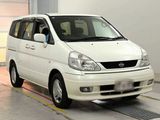
2000 Nissan Serena GF-PC24
- Mileage
- 82,400 km
- Year
- 2000/3
- Engine
- 2,000cc
- Trans.
- Automatic
FOBPrice$2,400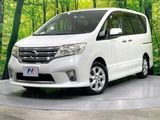
Ref# UW-6ab1f0d4bec03
MaccaLi inc
2011 Nissan Serena DBA-FC26
Highway Star V Selection
- Mileage
- 131,295 km
- Year
- 2011/10
- Engine
- 1,997cc
- Trans.
- CVT
FOBPrice$1,170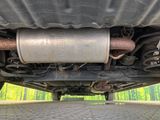
Ref# UW-6a769df4b1155
MaccaLi inc
2014 Nissan Serena DAA-HFC26
Highway Star S-Hybrid Advanced Safety Package
- Mileage
- 138,370 km
- Year
- 2014/1
- Engine
- 1,997cc
- Trans.
- CVT
FOBPrice$1,539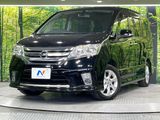
Ref# UW-mvioidh3i1b9
MaccaLi inc
2012 Nissan Serena DBA-FC26
Highway Star
- Mileage
- 115,800 km
- Year
- 2012/2
- Engine
- 1,997cc
- Trans.
- CVT
FOBPrice$1,601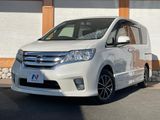
Ref# UW-mvd1ogq8yavv
MaccaLi inc
2012 Nissan Serena DAA-HFC26
Highway Star S-Hybrid
- Mileage
- 95,081 km
- Year
- 2012/8
- Engine
- 1,997cc
- Trans.
- CVT
FOBPrice$1,786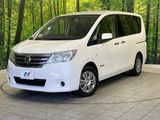
Ref# UW-mv4fztpbqu1m
MaccaLi inc
2013 Nissan Serena DAA-HC26
20X S-Hybrid
- Mileage
- 117,755 km
- Year
- 2013/10
- Engine
- 1,997cc
- Trans.
- CVT
FOBPrice$1,909
Ref# UW-mwlck6qqa12v
MaccaLi inc
2011 Nissan Serena DBA-FC26
Highway Star V Selection
- Mileage
- 199,894 km
- Year
- 2011/12
- Engine
- 1,997cc
- Trans.
- CVT
FOBPrice$1,970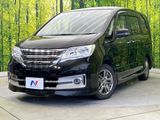
Ref# UW-mvn1c938evcu
MaccaLi inc
2013 Nissan Serena DAA-HC26
Rider S-Hybrid
- Mileage
- 75,085 km
- Year
- 2013/10
- Engine
- 1,997cc
- Trans.
- CVT
FOBPrice$2,032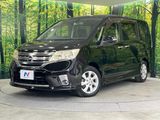
Ref# UW-mw1d6w5m9txk
MaccaLi inc
2011 Nissan Serena DBA-FC26
Highway Star V Selection
- Mileage
- 126,685 km
- Year
- 2011/9
- Engine
- 1,997cc
- Trans.
- CVT
FOBPrice$2,094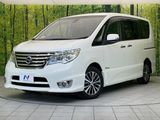
Ref# UW-mvegy181iypo
MaccaLi inc
2016 Nissan Serena DAA-HFC26
Highway Star V Selection + Safety II S-Hybrid
- Mileage
- 124,065 km
- Year
- 2016/5
- Engine
- 1,997cc
- Trans.
- CVT
FOBPrice$2,094
Ref# UW-6ab7375ef0918
MaccaLi inc
2014 Nissan Serena DAA-HC26
Rider Black Line S-Hybrid Advanced Safety Package
- Mileage
- 105,500 km
- Year
- 2014/7
- Engine
- 1,997cc
- Trans.
- CVT
FOBPrice$2,094
Ref# UW-6a7d347ed8ca2
MaccaLi inc
2011 Nissan Serena DBA-FC26
Highway Star V Selection
- Mileage
- 81,520 km
- Year
- 2011/10
- Engine
- 1,997cc
- Trans.
- CVT
FOBPrice$2,155
Ref# UW-mvpwmfqxti9w
MaccaLi inc
2014 Nissan Serena DAA-HFC26
Highway Star S-Hybrid Advanced Safety Package
- Mileage
- 125,070 km
- Year
- 2014/5
- Engine
- 1,997cc
- Trans.
- CVT
FOBPrice$2,278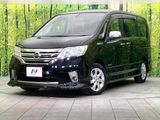
Ref# UW-6ab5e5dbae225
MaccaLi inc
2012 Nissan Serena DAA-HFC26
Highway Star S-Hybrid
- Mileage
- 89,506 km
- Year
- 2012/10
- Engine
- 1,997cc
- Trans.
- CVT
FOBPrice$2,278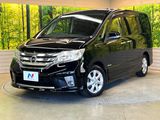
Ref# UW-mv4g0fh6shtk
MaccaLi inc
2013 Nissan Serena DAA-HFC26
Highway Star S-Hybrid
- Mileage
- 95,310 km
- Year
- 2013/2
- Engine
- 1,997cc
- Trans.
- CVT
FOBPrice$2,389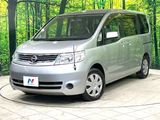
Ref# UW-mwr1k9i61p8l
MaccaLi inc
2007 Nissan Serena DBA-C25
20S
- Mileage
- 91,770 km
- Year
- 2007/12
- Engine
- 1,997cc
- Trans.
- CVT
FOBPrice$2,402
Ref# UW-mwjwmvbo67i6
MaccaLi inc
2014 Nissan Serena DAA-HFC26
Highway Star S-Hybrid Advanced Safety Package
- Mileage
- 114,990 km
- Year
- 2014/2
- Engine
- 1,997cc
- Trans.
- CVT
FOBPrice$2,402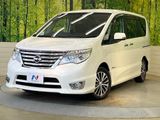
Ref# UW-mvd1oiymod9n
MaccaLi inc
2014 Nissan Serena DAA-HFC26
Highway Star S-Hybrid
- Mileage
- 112,867 km
- Year
- 2014/6
- Engine
- 1,997cc
- Trans.
- CVT
FOBPrice$2,402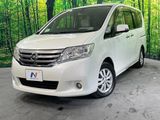
Ref# UW-6ab3423f4bc6d
MaccaLi inc
2011 Nissan Serena DBA-C26
20G
- Mileage
- 72,620 km
- Year
- 2011/9
- Engine
- 1,997cc
- Trans.
- CVT
FOBPrice$2,402
Ref# UW-6aa613e458b92
MaccaLi inc
2013 Nissan Serena DAA-HFC26
Highway Star S-Hybrid V Selection
- Mileage
- 86,226 km
- Year
- 2013/9
- Engine
- 1,997cc
- Trans.
- CVT
FOBPrice$2,402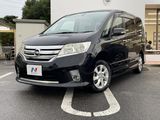
Ref# UW-mvog9zixizlq
MaccaLi inc
2011 Nissan Serena DBA-FC26
Highway Star V Selection
- Mileage
- 81,009 km
- Year
- 2011/11
- Engine
- 1,997cc
- Trans.
- CVT
FOBPrice$2,525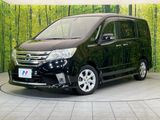
Ref# UW-mwigab0valxc
MaccaLi inc
2012 Nissan Serena DBA-FC26
Highway Star V Selection
- Mileage
- 98,240 km
- Year
- 2012/1
- Engine
- 1,997cc
- Trans.
- CVT
FOBPrice$2,586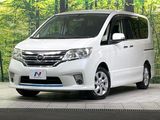
Ref# UW-mvu6pjijc9ls
MaccaLi inc
2012 Nissan Serena DBA-FC26
Highway Star V Selection
- Mileage
- 115,360 km
- Year
- 2012/4
- Engine
- 1,997cc
- Trans.
- CVT
FOBPrice$2,586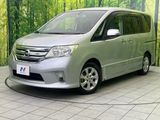
Ref# UW-mwlck7xvcj9k
MaccaLi inc
2012 Nissan Serena DBA-FC26
Highway Star V Selection
- Mileage
- 128,452 km
- Year
- 2012/7
- Engine
- 1,997cc
- Trans.
- CVT
FOBPrice$2,709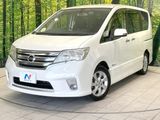
Ref# UW-mvx2be378ba1
MaccaLi inc
2012 Nissan Serena DAA-HFC26
Highway Star S-Hybrid
- Mileage
- 97,466 km
- Year
- 2012/11
- Engine
- 1,997cc
- Trans.
- CVT
FOBPrice$2,709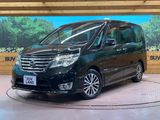
Ref# UW-mvblzhbi158i
MaccaLi inc
2014 Nissan Serena DAA-HFC26
Highway Star S-Hybrid Advanced Safety Package
- Mileage
- 87,300 km
- Year
- 2014/1
- Engine
- 1,997cc
- Trans.
- CVT
FOBPrice$2,709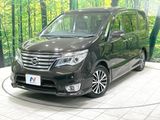
Ref# UW-muxbjoqetn0y
MaccaLi inc
2014 Nissan Serena DAA-HFC26
Highway Star S-Hybrid
- Mileage
- 114,090 km
- Year
- 2014/12
- Engine
- 1,997cc
- Trans.
- CVT
FOBPrice$2,709
Ref# UW-muug8krywn6b
MaccaLi inc
2012 Nissan Serena DBA-FC26
Highway Star V Selection
- Mileage
- 79,050 km
- Year
- 2012/3
- Engine
- 1,997cc
- Trans.
- CVT
FOBPrice$2,771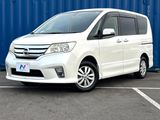
Ref# UW-mvpwjv759tqy
MaccaLi inc
2012 Nissan Serena DBA-FNC26
Highway Star V Selection
- Mileage
- 104,348 km
- Year
- 2012/6
- Engine
- 1,997cc
- Trans.
- CVT
FOBPrice$2,894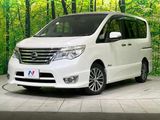
Ref# UW-mvn1cpdal0hu
MaccaLi inc
2014 Nissan Serena DAA-HFC26
Highway Star G S-Hybrid Advanced Safety Package
- Mileage
- 113,530 km
- Year
- 2014/3
- Engine
- 1,997cc
- Trans.
- CVT
FOBPrice$2,894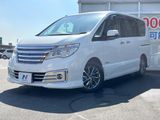
Ref# UW-mv7c51z4g2n4
MaccaLi inc
2014 Nissan Serena DAA-HC26
Rider S-Hybrid Advanced Safety Package
- Mileage
- 131,450 km
- Year
- 2014/10
- Engine
- 1,997cc
- Trans.
- CVT
FOBPrice$2,894
Ref# UW-mv1l8tyorh1t
MaccaLi inc
2016 Nissan Serena DAA-GC27
X
- Mileage
- 140,960 km
- Year
- 2016/10
- Engine
- 1,997cc
- Trans.
- CVT
FOBPrice$2,894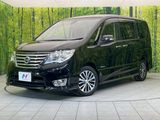
Ref# UW-mwh1pd3i7fn6
MaccaLi inc
2014 Nissan Serena DAA-HFC26
Highway Star S-Hybrid Advanced Safety Package
- Mileage
- 128,715 km
- Year
- 2014/9
- Engine
- 1,997cc
- Trans.
- CVT
FOBPrice$3,141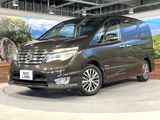
Ref# UW-mvsqtg65mans
MaccaLi inc
2014 Nissan Serena DAA-HFC26
Highway Star G S-Hybrid Advanced Safety Package
- Mileage
- 96,615 km
- Year
- 2014/3
- Engine
- 1,997cc
- Trans.
- CVT
FOBPrice$3,141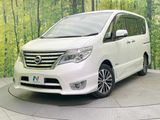
Ref# UW-mva7g0vv3bny
MaccaLi inc
2016 Nissan Serena DAA-HFC26
Highway Star V Selection + Safety II S-Hybrid
- Mileage
- 112,430 km
- Year
- 2016/3
- Engine
- 1,997cc
- Trans.
- CVT
FOBPrice$3,141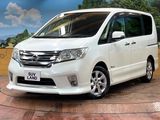
Ref# UW-mv8r1nii6yvw
INSPIRE LLC
2012 Nissan Serena DAA-HFC26
Highway Star G S-Hybrid
- Mileage
- 103,530 km
- Year
- 2012/7
- Engine
- 1,997cc
- Trans.
- CVT
FOBPrice$3,141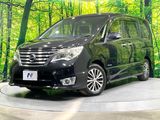
Ref# UW-mv1lcj34dd0e
MaccaLi inc
2015 Nissan Serena DAA-HFC26
Highway Star V Selection + Safety S-Hybrid Advanced Safety Package
- Mileage
- 104,369 km
- Year
- 2015/6
- Engine
- 1,997cc
- Trans.
- CVT
FOBPrice$3,141
Ref# UW-mw1d78n5gljo
MaccaLi inc
2011 Nissan Serena DBA-FNC26
Highway Star V Selection
- Mileage
- 104,017 km
- Year
- 2011/10
- Engine
- 1,997cc
- Trans.
- CVT
FOBPrice$3,202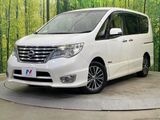
Ref# UW-mwo6ihevzyqa
MaccaLi inc
2014 Nissan Serena DAA-HFC26
Highway Star S-Hybrid
- Mileage
- 138,615 km
- Year
- 2014/2
- Engine
- 1,997cc
- Trans.
- CVT
FOBPrice$3,325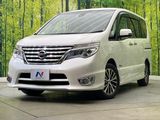
Ref# UW-mwjwmwsm6cwk
MaccaLi inc
2015 Nissan Serena DAA-HFC26
Highway Star V Selection + Safety S-Hybrid Advanced Safety Package
- Mileage
- 121,645 km
- Year
- 2015/3
- Engine
- 1,997cc
- Trans.
- CVT
FOBPrice$3,325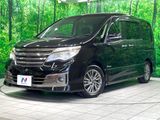
Ref# UW-mwigcer3obs8
MaccaLi inc
2014 Nissan Serena DAA-HC26
Rider Black Line S-Hybrid
- Mileage
- 113,115 km
- Year
- 2014/4
- Engine
- 1,997cc
- Trans.
- CVT
FOBPrice$3,325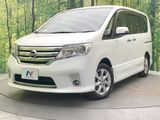
Ref# UW-mwe6io1nk1a3
MaccaLi inc
2011 Nissan Serena DBA-FC26
Highway Star J Package
- Mileage
- 82,825 km
- Year
- 2011/6
- Engine
- 1,997cc
- Trans.
- CVT
FOBPrice$3,325
Ref# UW-6a979303a99e3
MaccaLi inc
2012 Nissan Serena DBA-FC26
Highway Star V Selection
- Mileage
- 76,480 km
- Year
- 2012/6
- Engine
- 1,997cc
- Trans.
- CVT
FOBPrice$3,387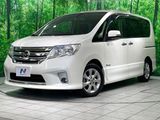
Ref# UW-mwfm6itj9s6d
MaccaLi inc
2013 Nissan Serena DAA-HFC26
Highway Star S-Hybrid V Selection
- Mileage
- 72,870 km
- Year
- 2013/12
- Engine
- 1,997cc
- Trans.
- CVT
FOBPrice$3,418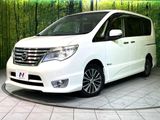
Ref# UW-mvzwhrh55xm2
MaccaLi inc
2016 Nissan Serena DAA-HFC26
Highway Star V Selection + Safety II S-Hybrid
- Mileage
- 110,650 km
- Year
- 2016/2
- Engine
- 1,997cc
- Trans.
- CVT
FOBPrice$3,449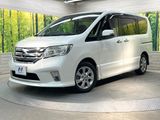
Ref# UW-mwlck7a7s07l
MaccaLi inc
2012 Nissan Serena DBA-FC26
Highway Star V Selection
- Mileage
- 108,965 km
- Year
- 2012/3
- Engine
- 1,997cc
- Trans.
- CVT
FOBPrice$3,572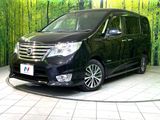
Ref# UW-mwpmb4wul936
MaccaLi inc
2014 Nissan Serena DAA-HFC26
Highway Star S-Hybrid
- Mileage
- 109,030 km
- Year
- 2014/3
- Engine
- 1,997cc
- Trans.
- CVT
FOBPrice$3,633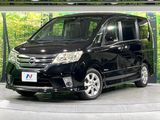
Ref# UW-mwbbrfarvxag
MaccaLi inc
2014 Nissan Serena DAA-HFC26
Highway Star S-Hybrid
- Mileage
- 100,596 km
- Year
- 2014/1
- Engine
- 1,997cc
- Trans.
- CVT
FOBPrice$3,633
Ref# UW-mw719k7k18ai
MaccaLi inc
2013 Nissan Serena DAA-HFC26
Highway Star S-Hybrid V Selection
- Mileage
- 82,132 km
- Year
- 2013/11
- Engine
- 1,997cc
- Trans.
- CVT
FOBPrice$3,633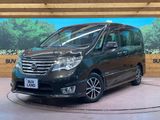
Ref# UW-mvzwhq6qmyul
MaccaLi inc
2014 Nissan Serena DAA-HFC26
Highway Star S-Hybrid Advanced Safety Package
- Mileage
- 105,500 km
- Year
- 2014/3
- Engine
- 1,997cc
- Trans.
- CVT
FOBPrice$3,633


Nissan Serena Purchase Guide

The Serena is a multi-passenger minivan that Nissan launched in 1991. It succeeded the Vanette Coach, which was based on a commercial vehicle. The first-generation C23 debuted under the name "Vanette Serena" as a rear-wheel-drive vehicle, and the switch to front-wheel drive came with the second-generation C24. Despite sharing the same name, the two are built very differently underneath. On the used market, both generations are now quite old and the number available is shrinking, so it is better to prioritize the condition of the body and underside over price when choosing one.
First-Generation Serena (C23 / 1991-1999): The Rear-Wheel-Drive One-Box Wagon Born as the Vanette Serena


Strengths of the First-Generation Serena
The generation that succeeded the Vanette Coach and gave birth to the Serena name
The first generation debuted in June 1991 under the name "Vanette Serena" as the successor to the C22 Vanette Coach (the passenger version of the Vanette commercial vehicle). At the same time, a commercially registered "Vanette Serena Cargo" was also offered. With the minor change in May 1994, the "Vanette" prefix was dropped, and the lineup, including the Cargo, took on the standalone name "Serena." On Japanese used car sites, the early models up to April 1994 are often listed as "Vanette Serena" and later ones as "Serena" under separate model names, so when searching from overseas, it is safest to search under both names. Its design follows the lineage of one-box vehicles derived from commercial vans (box-shaped vehicles with almost no protruding engine compartment), with the engine placed under the front seats driving the rear wheels. The second generation, launched in 1999, switched to FF (front-wheel drive), making this first generation the only rear-wheel-drive Serena. Seating capacity ranges from 5 to 8 depending on the specification, and its combination of three-row seating for carrying many passengers with a spacious cargo area when the seats are folded is cited as the reason it was used for family transport and outdoor activities. Its updates fall into three main stages, and the used car market distinguishes between the early model (June 1991 to April 1994), the mid model (May 1994 to December 1996), and the late model (January 1997 onward). In January 1994, the special edition "FX Limited" was added. The minor change in May of that year brought a significantly redesigned instrument panel, with the audio space now accommodating 2DIN units (the standard size equivalent to two vertical slots), and the air conditioning switches moved to a more accessible position. These changes also applied to the Cargo. Also in May 1994, Autech Japan, a Nissan subsidiary specializing in special-purpose vehicles, released the RV grade "Kitakitsune." Named after the Ezo red fox that lives in Hokkaido, this outdoor-oriented specification features a stainless steel grille guard (some versions were not fitted with one), dedicated name stickers, and stripes. Although few are on the market, some buyers seek it out as the grade that symbolizes the character of the first-generation Serena.
Weaknesses of the First-Generation Serena
Modest diesel output, late airbags and ABS, and parts that changed in the 1994 update
Engine choice matters more on this generation than on later Serenas. The lowest grades used a 1.6L GA16DE gasoline engine (100PS) or a naturally aspirated 2.0L CD20 diesel with only 76PS, which is modest for a body weighing 1,250–1,610 kg in 2WD form. The 2.0L SR20DE gasoline engine (130PS) and the turbo diesels, the CD20T (91PS) and, from January 1997, the CD20ET (97PS), are the stronger choices. Transmissions were a 5-speed manual or a 4-speed torque-converter automatic (E-ATx). Safety equipment arrived in stages. A driver's SRS airbag became standard on wagons in August 1995, ABS became standard in January 1997, and a passenger airbag followed in January 1998. Cars built before August 1995 may have no airbag at all. Also be aware that some parts do not fit between the early and the mid/late models. On 4WD models, the hub bolt pattern was changed from 5 holes to 4 holes with the minor change in May 1994. In Japan's snowy regions, many used cars are sold with a set of winter wheels fitted with studless tires, but wheels cannot be shared between early 4WD models and mid/late 4WD models. When sourcing wheels or hub-related parts, always check the model year and the number of bolt holes. The instrument panel was also redesigned in the same update, so the audio space in early models does not accommodate 2DIN units, limiting your options when installing navigation or aftermarket audio. Because the same generation includes the commercial "Vanette Serena Cargo," vehicles that look similar may actually be commercially registered rather than passenger (wagon) models, or may have had the rear seats removed for conversion to commercial use. The number of seats and interior finish differ, so check the seating capacity and whether it is a Cargo model before choosing. Because the engine sits under the front seats, some owners point out that the engine is hard to access and that heat tends to transfer to the front footwells in summer.
Rivals of the First-Generation Serena
Toyota Estima Emina / Estima Lucida
The most natural comparison for the first-generation Serena is the Toyota Estima Emina / Estima Lucida, launched in 1992. These sibling models, sold through different dealer networks, are derivatives of the Estima released in 1990, with the body width reduced to fit within Japan's compact size class (a Japanese registration category defined by conditions such as an overall width of 1.7 m or less). Like the first-generation Serena, they were three-row wagons with a manageable width and competed for the same buyers in Japan in the early 1990s. Their packaging philosophies are clearly different. The Emina / Lucida, like the Estima, uses a mid-engine layout with the engine laid flat under the floor, and has a rounded, egg-shaped style. The first-generation Serena, on the other hand, faithfully carries on the one-box layout with the engine under the front seats, combining an angular box-shaped body with rear-wheel drive and 4WD. In the used car market, the Emina / Lucida is said to be seen as having an upscale feel inherited from the Estima, while the Serena tends to be seen as a practical tool. Which to choose depends on your use. The Emina / Lucida is said to suit those who value a car-like atmosphere and design, while the first-generation Serena suits those looking for a box-shaped wagon they can use freely for both work and leisure. Other contemporary comparisons include the Mitsubishi Delica Space Gear and the Honda Odyssey, both launched in 1994. If you often drive on rough roads, the Delica Space Gear, which emphasizes off-road performance, is a stronger candidate. The Odyssey is an FF car-based minivan built on the Accord, and it gained popularity with its low floor and car-like ride. The second-generation Serena also moved to FF. The first-generation Serena belongs to the generation just before Japanese minivans shifted from the one-box type to the car-based type, and some buyers choose it as the only Serena that retains the character of a rear-wheel-drive one-box. All of these models are more than 25 years past their final model year, so when comparing them, the differences in rust and maintenance history between individual vehicles matter more than the merits of one model over another.
First-Generation Serena Specifications
1.6L/2.0L gasoline & 2.0L diesel, 5MT/4AT, RWD/4WD
Size: 4,355–4,380 × 1,695 × 1,825–1,915 mm (wheelbase 2,735 mm) Model codes: KAJC23 / KVC23 / KVJC23 / KVNC23 / KBC23 / KBCC23 / KBNC23 Engine: 1.6L inline-4 GA16DE (gasoline) / 2.0L SR20DE (gasoline) / 2.0L CD20 (diesel) / 2.0L CD20T turbo diesel (CD20ET from 1997-01) Max output: GA16DE 100PS; SR20DE 130PS; CD20 76PS; CD20T 91PS; CD20ET 97PS Transmission: 5-speed MT / 4-speed AT (E-ATx, torque-converter automatic) Drive: RWD / 4WD Seating capacity: 5–8 Main grades: FE, FG (2WD only), RV Select (4WD only), FX, SX, PX Main updates: 1991-06 launch as Vanette Serena; 1994-05 renamed Serena, new instrument panel, 4WD hub bolts changed from 5 to 4; 1995-08 driver airbag standard on wagons; 1997-01 CD20ET replaces CD20T, ABS standard, 1.6L dropped from the wagon; 1998-01 passenger airbag standard
Second-Generation Serena (1999–2005): The Generation That Switched from MR to FF, Gaining a Low Floor and Dual Sliding Doors

Strengths of the Second-Generation Serena
A Complete Redesign That Lowered the Floor by 70mm for Easier Entry and Movement Inside
The second-generation Serena arrived with a full model change in June 1999. The first generation had gone on sale in June 1991, so this was the first complete redesign in eight years. According to Nissan's announcement, the previous MR layout (rear-wheel drive with the engine positioned toward the center of the body) was dropped in favor of FF (front-wheel drive with the engine up front). This allowed the floor of both the front seats and the second row to be lowered by 70mm compared with the previous model, so occupants can step in with a single stride. This generation was created by merging the Serena with the Largo, another Nissan minivan. The commercial van offered in the previous generation was not produced, making this a passenger-only minivan. The previous model had a rear door on the left side only; the second generation has sliding doors on both sides. The shift lever moved from the floor to a column-mounted position beside the steering wheel, enabling a "walk-through" between the front seats and the second row inside the cabin. For overseas buyers, the appeal lies in this low floor and easy movement through the cabin. It suits exactly the roles minivans of this class have played in Japan, such as transporting children and elderly passengers, and shuttling kids to club activities and lessons. Some also say that with the engine now under the front hood, routine inspections and maintenance are easier than on the previous model. The press photos at launch featured the 2WD 2.0L gasoline "J-V Package." The 2.0L gasoline engine is the core of this generation. FF is the standard drive layout, with 4WD also available, and it is said to have been chosen by families in snowy regions as well.
Weaknesses of the Second-Generation Serena
Check the HYPER CVT, the 2001 engine change, and both sliding doors
At launch in June 1999 there were two engines: the 2.0L SR20DE gasoline (145PS) and the 2.5L YD25DDTi direct-injection diesel (150PS). All gasoline models, including 4WD, used the HYPER CVT, a continuously variable transmission that Nissan billed as a first in its class. On a test drive, check that it pulls away without judder and does not slip or whine under acceleration. The December 2001 update dropped the diesel and replaced the gasoline engine with the 2.0L QR20DE (147PS) and a new 2.5L QR25DE (160PS). A 1999–2001 car and a 2002–2005 car of the same generation can therefore have different engines, so confirm the engine code before ordering engine parts. In April 2004 the model codes changed again to meet Japan's 2005 emissions standard. The first thing to check is the left and right sliding doors, a key selling point of this generation. Actually operate both sides and look for snagging or unusual noises when opening and closing, wear on the rails and rollers, and any tendency for the doors to not latch fully. If the vehicle is equipped with power-operated doors, their operation also needs to be checked. The early and late models also look different. If you plan to replace exterior parts, confirm whether you need early or late model parts before searching. As an older Nissan, some genuine parts are said to already be difficult to obtain.
Rivals of the Second-Generation Serena
Honda Step WGN
During the same period as the second-generation Serena, the Honda Step WGN was its most direct competitor in Japan's boxy minivan market. Both are minivans with a tall, boxy body and three rows of seats, used for family transport and weekend leisure. They are often compared side by side in the used market, and are said to be a pairing that overseas buyers looking for a minivan from Japan tend to shortlist first. There are three points to look at when comparing them. The first is the door layout. The second-generation Serena has sliding doors on both the left and right sides. When considering the Step WGN, be sure to check the number and position of the rear doors for the model year you are targeting. This directly affects getting in and out in tight spaces and which side of the road you load children from. The second is how the interior can be used. The second-generation Serena has a column shift, allowing passage between the front seats and the second row. Being able to change seats without stepping outside on rainy days has been valued by Japanese families. The Step WGN has also promoted its seat arrangements as a selling point. The most reliable approach is to compare how the second and third rows fold and how the cargo area expands while picturing the loads you actually want to carry. The third is arranging maintenance. Ease of upkeep after purchase depends on whether Nissan or Honda parts and repair shops are more accessible to you. The older the vehicle, the more important it is to be able to obtain parts quickly. Choosing the brand that is more widely serviced in your area is also a practical approach. If you prioritize a low floor, dual sliding doors, and walk-through access, the second-generation Serena is a good fit. Those in areas with a nearby Honda service network, or who want to choose based on driving feel, should test drive and compare the Step WGN. Among vehicles serving the same purpose, the Toyota Noah/Voxy is also a typical point of comparison.
Second-Generation Serena Specifications
2.0L/2.5L gasoline & 2.5L diesel, HYPER CVT, FF/4WD
Size: 4,520–4,600 × 1,695 × 1,825–1,940 mm (wheelbase 2,695 mm) Model codes: PC24 / PNC24 / VC24 / VNC24 / TC24 / TNC24 / RC24 Engine: 2.0L SR20DE gasoline and 2.5L YD25DDTi diesel (to 2001-12); 2.0L QR20DE and 2.5L QR25DE gasoline (from 2001-12) Max output: SR20DE 145PS; YD25DDTi 150PS; QR20DE 147PS; QR25DE 160PS Transmission: HYPER CVT (all gasoline models at launch, including 4WD); a 4-speed AT (E-ATx) is also listed for this generation Drive: FF / 4WD Seating capacity: 7–8 Main grades: B (gasoline 2WD only), J, J-V Package, Highway Star, X, Highway Star G Package at launch; V, Highway Star, V-G, 25X, 25 Highway Star X after 2001 Main updates: 1999-06 launch (FF layout, dual sliding doors); 2000-06 high-roof versions added; 2001-12 diesel dropped, QR20DE/QR25DE introduced; 2004-04 model code change for the 2005 emissions standard
Third-Generation Serena (C25 / 2005–2010): A family minivan focused on space and visibility, with both 2WD and 4WD models sharing the MR20DE engine and a CVT
Strengths of the Third-Generation Serena
A family minivan that squarely refined ease of entry and exit with a spacious cabin and large windows
The third-generation Serena debuted with a full model change in May 2005. At launch, Nissan highlighted its spacious interior and practical features as its biggest strengths. Interior space was described as among the best in its class, and the cargo area can hold plenty of leisure gear. Large-opening sliding doors on both sides, along with a low step and floor, make getting in and out easy. The driver's area was also designed with family pick-ups and drop-offs in mind. Enlarged side windows and a lowered window line (beltline) reduce the road area hidden from the driver to the front and sides, improving visibility. The shift lever is mounted on the instrument panel and has electric power assist, so it operates with a light touch. The third row is an Easy-Up Third Seat assisted by gas springs, which can be flipped up even with one hand. Seat arrangements are versatile as well. Features such as a rear entertainment system for rear passengers and an in-car intercom that makes conversation between front and rear seats easier help make family outings more enjoyable. The powertrain pairs the 2.0L inline-four MR20DE with an XTRONIC CVT, shared by both 2WD and 4WD models. Nissan aimed for good launch acceleration and fuel economy in the ranges most used in everyday driving. It runs on regular unleaded gasoline, and the fuel tank holds about 60L. The customized "Rider" series was released at the same time as the standard model. It was also highly rated in the market. In the Japan Automobile Dealers Association's model-by-model rankings, it was the best-selling minivan for three consecutive years from 2007 to 2009. In February 2010, cumulative domestic sales of the Serena nameplate surpassed one million units. In Japan, it was widely used by families with children for school runs and weekend leisure. With plenty of used examples in circulation, it is said to be easy to find one that meets your requirements.
Weaknesses of the Third-Generation Serena
Only a 2.0L engine and CVT, and 4WD models have less power
The third generation uses only the MR20DE engine and the XTRONIC CVT. As a result, a larger displacement or a conventional torque-converter multi-speed automatic is not available. Direct injection and idling stop arrived with the fourth generation, so if fuel economy is your top priority, a later generation has the edge. Some owners say that with eight people aboard and a full load of luggage, the 2.0L has little reserve on uphill grades or when merging onto highways. Engine output also differs by drive. The MR20DE produces 137PS and 200N·m in 2WD form but 129PS and 187N·m in 4WD form, so a fully loaded 4WD car has even less in reserve. As of 2026, even the newest examples are more than 15 years old. Check the CVT on a test drive. Look for vibration when pulling away, a slipping sensation where only the revs rise during acceleration, and whining noises. It is also worth checking whether there are records of fluid changes. Many of these cars were used by families, so the sliding doors tend to have been opened and closed a great many times. On examples with power sliding doors, check that both sides open and close without stopping midway and that they reverse when they detect an obstruction. Dirt and damage on the third-row seats, floor, and headliner also directly reflect how the car was used. Equipment changed at the December 2007 mid-cycle change, which brought a new front design and made auto-closing sliding doors standard; the 20RS and 20RX grades were dropped and the lineup became 20S, 20G and Highway Star. In April 2009 the CVT control on 4WD models was revised for better fuel economy. Matching the year to these stages makes the equipment of a listed car easier to predict. According to Nissan, the Highway Performance Specification model requires premium unleaded (high-octane) gasoline. Other models specify regular fuel, so in countries where premium fuel is hard to obtain, running conditions change. Check the exact grade name before choosing. Some also say that parts such as the exclusive aero parts of the Rider models take longer to source than those for standard grades.
Rivals of the Third-Generation Serena
Toyota Noah / Voxy
The Toyota Noah and Voxy are the main comparison models that competed with the third-generation Serena in the same era for Japan's boxy minivan market within the compact size class. Japan's compact size class (known as "5-number" in Japan) is a category for small passenger cars, covering vehicles within limits such as 4.7m in length, 1.7m in width, and 2.0L or less in displacement. Because this size is easy to handle on Japan's narrow roads and in its parking spaces, it has become the class in which family minivans sell best. The Honda Step WGN is another strong candidate in the same class, and comparing these three side by side is a standard approach when shopping for a used car in Japan. The Noah and Voxy are sibling models sold under two names with different front-end styling but identical underpinnings. In terms of sales, the Serena ranked first in model-by-model minivan sales from 2007 to 2009. However, because rankings are tallied by model name, it cannot be directly compared with the Noah/Voxy, whose sales are split between two names. Which to choose depends on your priorities. The third-generation Serena focuses on detailed touches for family use. Its large windows provide good visibility, the low floor and wide-opening sliding doors make getting in and out easy, and the third row can be flipped up with one hand to expand the cargo area. For school runs or frequently swapping between passengers and cargo, the Serena's design is a good fit. On the other hand, Toyota vehicles are said to have more readily available parts and service information in many export markets. In some regions, the Noah/Voxy may be considered easier to maintain. Both are now getting old, so in practice, differences between individual vehicles matter more than differences between models. Line up candidates of the same model year and drivetrain, and compare third-row comfort, sliding door operation, transmission condition, and underbody rust using the same criteria. Note that the Suzuki Landy is an OEM version of this generation of Serena. It is the same vehicle supplied by Nissan and sold under the Suzuki brand, so it is a sibling model rather than a rival. When searching for a used car, you can include the Landy as the same vehicle.
Third-Generation Serena Specifications
2.0L MR20DE, CVT, FF/4WD
Size: 4,650–4,725 × 1,695–1,725 × 1,840–1,850 mm (wheelbase 2,860 mm) Model codes: C25 / CC25 / NC25 / CNC25 Engine: 2.0L inline-4 DOHC MR20DE Max output / torque: 137PS / 200N·m (2WD); 129PS / 187N·m (4WD) Transmission: XTRONIC CVT (all models) Drive: FF / 4WD Seating capacity: 7–8 Main grades: 20S, 20RS, 20G, 20RX (2005); 20S, 20G, Highway Star (from 2007-12); Rider (Autech) Main updates: 2005-05 launch; 2007-12 mid-cycle change (new front design, auto-closing sliding doors standard); 2009-04 4WD CVT control revised for fuel economy
4th-Generation Serena (C26 / 2010–2016): The Generation That Standardized the Direct-Injection MR20DD and CVT Across the Lineup and Added Idle-Stop to the Main Grades
Strengths of the 4th-Generation Serena
A New Direct-Injection Engine and CVT, with 4WD Offered on Every Grade While Staying Within Japan's Compact Size Class
The 4th-generation Serena went on sale in November 2010. Its position as a mid-size minivan centered on eight-seat family use is unchanged from the first (1991–1999) and second (1999–2005) generations. The standard model keeps to dimensions that fit within Japan's compact size class (a Japanese passenger car category with size limits such as an overall width of 1,700 mm or less). The Highway Star, fitted with aero parts, is wider and is therefore registered in Japan's larger, standard size class. The powertrain is shared across the entire lineup. A newly developed 2.0L inline-four direct-injection MR20DD engine (with the Twin VTC variable valve timing system) is paired with an XTRONIC CVT. At launch there were four grades, 20S, 20X, 20G and Highway Star, each available in 2WD and 4WD. Because buyers could choose 4WD to suit their budget, from the basic 20S to the upscale 20G, the lineup was also an easy choice for families in snowy regions. The 20X, 20G and Highway Star come standard with ECO Motor idle-stop. In city driving, where the engine shuts off at every red light, the fuel economy benefit is noticeable, and the restart has been praised for being quiet. Alongside the launch, Nissan affiliate Autech Japan released the Rider custom car (2WD and 4WD) and the Life Care Vehicle (LV) series of mobility-assistance vehicles. The LV range includes the Anshante Step Type, with a step to help occupants get in and out, and a seven-seat version with a Second Slide-Up Seat, where the second-row seat swings out of the vehicle and lowers. Examples that were used to transport elderly family members appear on the used market, making them a uniquely Japanese option for overseas buyers looking for a minivan that is easy to get in and out of. This generation was also supplied to Suzuki and sold as the Landy. It is mechanically identical to the Serena.
Weaknesses of the 4th-Generation Serena
The CVT and Direct-Injection Engine Show Age-Related Wear, and Equipment Varies by Grade and Year
The only transmission is the XTRONIC CVT; there is no manual. Even late-production examples are now around 10 years past first registration, so the condition of the CVT is the biggest factor in choosing a car from this generation. On high-mileage examples, some owners report a whining noise under acceleration or slip-like symptoms where speed doesn't build when you press the pedal. On a test drive, check everything from pulling away through mid-range acceleration. Whether records of CVT fluid changes exist is another useful indicator. The direct-injection MR20DD is said to be prone to carbon buildup on the intake side, a tendency noted for direct-injection engines in general. Be cautious with examples that idle unevenly or hesitate under acceleration. Grades with idle-stop use a dedicated battery type. If the engine doesn't shut off even when all the conditions for stopping are met, suspect a degraded battery. Replacement costs more than a regular battery. Also, the 20S has no idle-stop, so equipment differs by grade even within the same model year. The model was sold for nearly six years, and updates along the way changed the exterior and equipment. Cross-checking the year and grade against the paperwork helps you avoid ending up with different equipment than you expected. Some reports note underbody rust from road salt on 4WD examples used in snowy regions. The rear suspension, exhaust and brake lines are the areas to inspect from below for the extent of rust. Two updates changed what a C26 has. From August 2012, all 2WD grades except the 20S gained S-HYBRID, a small motor-generator system that assists the engine; 4WD cars do not have it. The December 2013 mid-cycle change brought a new front design and made emergency braking with pedestrian detection standard on most grades, so earlier cars generally lack automatic emergency braking. Output is also slightly lower on 4WD: 144PS and 207N·m, against 147PS and 210N·m for 2WD. In countries that set an age limit on imported vehicles, older examples are more likely to be ineligible.
Rivals of the 4th-Generation Serena
Honda Step WGN
Among boxy 2.0L-class minivans of the same period, the Honda Step WGN is the one most often compared with the Serena. Together with the Toyota Noah/Voxy, these three cars form the core of Japan's mid-size minivan market, and they share the following basics: - Seven to eight seats for family use - Sliding doors on both sides - Standard models within Japan's compact size class The Step WGN's counterpart to the Serena Highway Star is the Spada. The differences lie in packaging and equipment philosophy. The Step WGN is praised for its low floor, which makes it easy for children and elderly family members to get in and out. The Serena is often chosen for its interior space and the practicality of its second and third rows. The 4th generation's strengths were offering 4WD on every grade from launch and fitting ECO Motor idle-stop as standard on the main grades. Here is a rough guide for choosing. If you drive in snowy areas, or mostly in the city with frequent stops at lights, the Serena is a good fit. If ease of entry and exit is your priority, the Step WGN is worth comparing too. Some also say its low-floor design gives it a more settled ride. If you are looking for a mobility-assistance vehicle, both offer dedicated converted versions, but the seat movement and seating capacity differ. It is essential to test the seat operation on the actual vehicle, taking into account the occupant's build and whether a wheelchair is used. Note that the Step WGN moved to its next generation toward the end of the C26's production run. When comparing, it makes sense to look at examples from the same model year. Since the Serena was also sold as the Suzuki Landy, including the Landy in your search widens your options. Another advantage is that parts and maintenance information is easy to find by searching under the Serena name.
4th-Generation Serena Specifications
2.0L direct-injection MR20DD, CVT, FF/4WD
Size: 4,685–4,770 × 1,695–1,735 × 1,865–1,875 mm (wheelbase 2,860 mm) Model codes: C26 / HC26 / FC26 / HFC26 / NC26 / FNC26 Engine: 2.0L inline-4 direct-injection MR20DD (S-HYBRID motor-generator on 2WD grades except the 20S from 2012-08) Max output / torque: 147PS / 210N·m (2WD); 144PS / 207N·m (4WD) Transmission: XTRONIC CVT (all models) Drive: FF / 4WD Seating capacity: 7–8 Main grades: 20S, 20X, 20G, Highway Star at launch; Rider and Life Care Vehicle series (Autech) Main updates: 2010-11 launch; 2012-08 S-HYBRID added; 2013-12 mid-cycle change (new front design, emergency braking standard on most grades) Sibling model: Suzuki Landy (same vehicle)
5th-Generation Serena (2016–2022): The Generation That Debuted ProPILOT and Added e-POWER in 2018

Strengths of the 5th-Generation Serena
The generation that brought highway driver assistance and electric-motor drive to the family minivan
The 5th-generation Serena arrived with a full model change in August 2016. The biggest news was the adoption of ProPILOT, which Nissan called its "single-lane autonomous driving technology." Nissan billed this as a world first in the minivan class. On highways and other motorways, it maintains a set distance from the vehicle ahead up to a driver-set speed (approximately 30–100 km/h) and assists steering to keep the car centered in its lane. It was promoted as a feature to reduce driver fatigue on long trips with the family, such as holiday visits home and leisure outings. Alongside the launch came the limited-time special edition "ProPILOT Edition," with ProPILOT as standard. In addition to pedal misapplication prevention assist, it came standard with a hands-free auto sliding door and, on 2WD models, 16-inch alloy wheels. If a used car's grade name includes this name, it is a useful clue that the vehicle has ProPILOT. Around the same time, the "Rider" and the "Life Care Vehicle (LV)" series of mobility-accessible vehicles were also released. Life Care Vehicle is the name Nissan uses for its accessible vehicles. In March 2018, the "Serena e-POWER" was added, equipped with e-POWER, a system in which a gasoline engine generates electricity that drives an electric motor. This extended e-POWER, already well received in other Nissan models, to the Serena minivan. It is easy to tell apart from the gasoline model: blue accents on the front grille and elsewhere, exclusive 15-inch machined alloy wheels, roof side spoilers that smooth airflow, and a shift-by-wire shift knob all mark the e-POWER. At the same time, the Serena e-POWER AUTECH debuted as a model under the new AUTECH brand. Among the accessible vehicles, an e-POWER "Step Type" and a "Chair Cab Slope Type," which allows boarding while remaining in a wheelchair, were also offered.
Weaknesses of the 5th-Generation Serena
Even within the 5th generation, the contents vary greatly by model year and specification
During the 5th generation's production run, the range of powertrains and equipment expanded considerably. If you choose based only on the "5th-generation Serena" label, you may end up with a vehicle that is different from what you expected. First, e-POWER was added in March 2018, so vehicles from 2016 to early 2018 do not have it. If you are looking for an e-POWER, checking whether the grade name includes "e-POWER" or whether it has the exclusive shift knob and blue accents makes it easier to tell. ProPILOT is not fitted to every vehicle either. As the creation of a special edition with it as standard suggests, some vehicles lack it depending on the grade and options chosen. The same goes for the hands-free auto sliding door. Rather than relying solely on the equipment section of the listing, it is reassuring to confirm via the switches around the steering wheel and how the features actually work. Because driver assistance uses cameras and other sensors, for vehicles with a history of windshield replacement or front-end repairs, you will want to check that the system works properly. ProPILOT is an assistance feature designed for use on motorways, and the maximum settable speed is about 100 km/h. Since it is calibrated for Japanese expressways, its usefulness may be limited in countries with higher speed limits. e-POWER is a system combining a generator engine, an electric motor, and a drive battery. Given the vehicle's age, you will want to check that no warning lights are on and that there are no unusual noises while driving. Servicing requires knowledge of electrified systems, so researching in advance whether there are workshops in the destination country that can handle e-POWER will help avoid trouble after purchase. Seating and drive also depend on the powertrain. Gasoline and S-HYBRID models seat eight and are offered with 4WD, while e-POWER models seat seven and are front-wheel drive only; there was no e-POWER 4WD in this generation. Safety equipment improved during the run. A September 2018 update added items such as high-beam assist and traffic sign recognition, and the August 2019 mid-cycle change added adaptive LED headlights, blind spot intervention and rear cross traffic alert and made pedal misapplication prevention standard. A car from August 2019 onward has the most complete equipment.
Rivals of the 5th-Generation Serena
Toyota Noah / Voxy
The Toyota Noah / Voxy is the most representative rival that competed with the 5th-generation Serena in the same mid-size minivan market during the same period. The two are mechanically identical sibling models, sold side by side with different front-end styling. The Honda Step WGN also belongs to the same class. However, when you include the number of used vehicles available and the ease of finding parts, the Noah / Voxy is considered the easiest to compare against. There are two main criteria for choosing between them. The first is driver assistance. A major selling point of the 5th-generation Serena was that, on highways, it not only maintained distance from the vehicle ahead but also assisted steering to keep the car centered in its lane. If your usage involves a lot of long highway driving, that is a reason to prioritize a Serena with ProPILOT. The second is the character of the powertrain. The Serena e-POWER uses its engine for generating electricity while the motor handles propulsion, so its acceleration is described as close to that of an electric vehicle. On the other hand, Toyota vehicles enjoy extensive service networks and parts distribution in many regions overseas, so if ease of maintenance in the destination country is a priority, choosing Toyota is one way to think about it. As for the interior, the Serena has been praised for its spaciousness and the variety of 2nd-row seat arrangements. The Noah / Voxy's advantage is that its large market volume makes it easy to choose colors and grades. Which one suits you depends on the number of passengers, the amount of cargo, and how often you change the seat arrangement. Whichever you choose, prices can vary considerably due to equipment differences, even for the same model year and mileage. The safest way to compare is to match conditions such as whether it is an e-POWER and whether it has ProPILOT. Also considering the road conditions in the destination country, namely the proportion of highway driving and the availability of workshops for servicing, will make the choice easier.
5th-Generation Serena Specifications
2.0L MR20DD (CVT) and 1.2L e-POWER, FF/4WD
Size: 4,690 × 1,695 × 1,865 mm (standard body, 2WD); Highway Star 4,770 × 1,740 mm (wheelbase 2,860 mm) Model codes: C27 / GC27 / GFC27 / HC27 / HFC27 / GNC27 / GFNC27 Engine: 2.0L inline-4 direct-injection MR20DD (gasoline / S-HYBRID); e-POWER: 1.2L inline-3 HR12DE generator engine + EM57 drive motor (from 2018-03) Max output / torque: MR20DD 150PS / 200N·m; e-POWER motor 136PS / 320N·m (generator engine 84PS) Transmission: XTRONIC CVT (gasoline / S-HYBRID); e-POWER is motor-driven with no multi-speed transmission Drive: FF / 4WD (no 4WD on e-POWER) Seating capacity: 8 (gasoline / S-HYBRID); 7 (e-POWER) Main grades: S, X, G, Highway Star, Highway Star G (S-HYBRID); e-POWER X, XV, Highway Star, Highway Star V; AUTECH; NISMO Main updates: 2016-08 launch with ProPILOT; 2018-03 e-POWER added; 2018-09 safety equipment upgrades; 2019-08 mid-cycle change (adaptive LED headlights, pedal misapplication prevention standard); 2020-08 gasoline B and S dropped; 2021-11 catalog reduced to six grades
6th-Generation Serena (C28 / 2022–): The Generation Offering Both Gasoline and e-POWER Models, with e-POWER 4WD Added in 2024
Strengths of the 6th-Generation Serena
Second-generation e-POWER, top-tier ProPILOT 2.0, and expanded 4WD options
The 6th-generation Serena was unveiled in November 2022. The 2WD gasoline model went on sale first in December 2022, followed by the 4WD gasoline model and the e-POWER model in spring 2023. The gasoline model pairs the MR20DD 2.0L inline-four with an XTRONIC CVT and is available in 2WD or 4WD. The e-POWER model adopts second-generation e-POWER, using the HR14DDe 1.4L engine to generate electricity while the EM57 motor drives the wheels. Because the engine never turns the wheels directly, acceleration from a standstill through typical city speeds is smooth and quiet. The newly created top grade, the e-POWER LUXION, seats seven. It comes standard with ProPILOT 2.0, which allows hands-off driving when traveling in the same lane on expressways at 40 km/h or above. According to Nissan, this was a world first as of November 2022. It also features Nissan's first switch-type electronic shifter. In addition, it adopts a function that uses navigation data to manage charging and discharging so the vehicle can run in EV mode near the destination. In November 2024, the e-POWER model gained a 4WD system called e-4ORCE, which integrates control of the front and rear motors and the brakes. It is offered in three grades, e-4ORCE X, XV, and Highway Star V, all with seven seats. e-4ORCE was also made available on the AUTECH, the step-equipped version, the Multi Bed car-camping version, and others. The Serena is also well equipped for families in snowy regions. Nissan's December 2022 announcement stated that the 4WD gasoline model would come standard with a heated steering wheel, heated door mirrors, and front seat heaters. Furthermore, for the first time on a Serena, left and right second-row seat heaters were also made standard. If you seat children in the second row on winter mornings, this equipment makes a clear difference. Nissan continues to work on restructuring its business: merger talks with Honda were called off in 2025, and Ivan Espinosa became CEO in April of that year. Even so, the Serena remains one of its core models in Japan, and a facelifted version went on sale in February 2026.
Weaknesses of the 6th-Generation Serena
e-POWER 4WD only from November 2024; assume connected features won't work in the export market
The first thing to understand is that a 4WD version of the e-POWER model was not offered until November 2024. All e-POWER models registered between spring 2023 and autumn 2024 are 2WD. If you are looking for an e-POWER 4WD for use in a snowy region, you are limited to vehicles from November 2024 onward, and there are still not many on the market. If you want 4WD in an earlier model year, the gasoline model is the option. Seating capacity also requires attention. The e-POWER LUXION and all e-4ORCE grades are seven-seaters. If you need eight seats, you will mainly be looking at gasoline models, checking the grade and seating capacity of each vehicle one by one. How connected features are handled is another point specific to used vehicles. Some ProPILOT 2.0 functions require a subscription to the ProPILOT plan of the NissanConnect service. In-car Wi-Fi and remote pre-departure climate control also work through a NissanConnect subscription. The previous owner's subscription will not necessarily carry over. It is safest to assume that these connected services cannot be used outside Japan. If you are choosing a LUXION for ProPILOT 2.0, it is worth sorting out beforehand what will work in your destination country. Because a facelifted version went on sale in February 2026, this generation has early and late models. Even with the same grade name, equipment and exterior may differ. Checking both the model year and the specification sheet will help you avoid mistakes. The two powertrains also feel different. The gasoline MR20DD produces 150PS and 200N·m and drives through an XTRONIC CVT. In the e-POWER, the 1.4L HR14DDe engine (98PS) only generates electricity, and the EM57 front motor (163PS, 315N·m) drives the wheels. Equipment has kept changing year by year: a September 2024 partial change revised prices and colors, and a November 2026 change made the LUXION's previously optional packages standard and fitted adaptive LED headlights as standard on the Highway Star V. Check the build date when comparing equipment.
Rivals of the 6th-Generation Serena
Toyota Noah / Voxy (90 Series)
The vehicle most often compared with the 6th-generation Serena is the Toyota Noah / Voxy (90 series), fully redesigned in January 2022. Both have a boxy body around 1.8 m tall, with dual sliding doors and three rows of seats. They sit at the core of Japan's family minivan segment, and their launches were only about a year apart. In May of the same year, 2022, the Honda Step WGN was also replaced by a new model, putting these three vehicles in direct competition. The biggest difference is their approach to hybrid power. The Serena's e-POWER uses the engine to generate electricity, while the motor always handles propulsion. As a result, its strengths are EV-like takeoff and quietness. The Noah / Voxy hybrid uses Toyota's system, which switches between the engine and motor depending on conditions. Some consider Toyota to have the fuel economy advantage for extended expressway driving. Their 4WD offerings also differ. The Noah / Voxy offered 4WD (E-Four) on the hybrid from launch. The Serena e-POWER, on the other hand, did not get e-4ORCE 4WD until November 2024. If you are looking for a hybrid 4WD for snowy regions from a model year before November 2024, Toyota is the one with options. Conversely, if you want the smoothness of motor-only driving in 4WD, a Serena e-4ORCE from November 2024 onward is a strong candidate. In terms of body size, the standard-body Serena keeps its overall width to 1,695 mm. This means it retains grades that fit within Japan's compact size class (overall width of 1.7 m or less). All Noah / Voxy models exceed 1.7 m in width. For those who prioritize ease of handling on narrow roads and in older parking lots, the standard-body Serena is a good fit. In terms of sales, according to Nissan, following the second half of fiscal 2023, the Serena was again the best-selling minivan in Japan in the first half of fiscal 2024 (April–September 2024), with 39,637 units. However, since the Noah and Voxy are counted separately by model name, some point out that Toyota comes out ahead when the two are combined. Both are widely available on the market, so there is little concern about difficulty obtaining parts.
6th-Generation Serena Specifications
2.0L + CVT and 1.4L e-POWER, with e-POWER 4WD from 2024
Engine: 2.0L inline-four (MR20DD, gasoline models) / 1.4L generator engine (HR14DDe) + EM57 motor (e-POWER models; e-4ORCE adds an MM48 rear motor) Transmission: XTRONIC CVT (gasoline models) / e-POWER models are motor-driven and have no multi-speed transmission Drive: 2WD (front-wheel drive) / 4WD (gasoline models from spring 2023; e-POWER e-4ORCE from November 2024) Suspension (front): Strut Suspension (rear): Torsion beam (2WD). e-4ORCE models have a newly designed rear suspension to accommodate the rear motor Length × Width × Height: 4,690 × 1,695 × 1,870 mm (standard body, 2WD). Highway Star and some other versions are longer and wider Features: Two powertrain lines, second-generation e-POWER and the MR20DD gasoline engine. The top-grade e-POWER LUXION comes standard with ProPILOT 2.0 and adopts Nissan's first switch-type electronic shifter. Divided into early and late models by the facelift released in February 2026.