


Used Nissan Caravan Van for Sale — 1 listed
Set your destination to see the total price including shipping (C&F).
1 Results
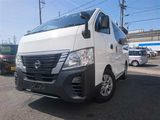
Ref# UW-6a0e685381aa8
YAMAKATSU CO.,LTD
2022 Nissan Caravan Van VR2E26
- Mileage
- 63,281 km
- Year
- 2022/3
- Engine
- 2,000cc
- Trans.
- Automatic
FOBPrice$12,167

Caravan Buying Guide

The Nissan Caravan, with its robust monocoque (semi-monocoque) structure, practical cargo space design, and extensive service network, is a classic commercial van that has been chosen for a wide range of uses, from logistics and construction to transportation and camping. The fourth generation (E25, 2001-2012) improved usability and safety with a semi-bonnet package, while the fifth generation (E26/NV350, 2012-) updated with a revamped powertrain and enhanced safety and comfort features. For international users, it's attractive for its substantial parts supply and information, making total ownership cost projections easy to understand.
4th Generation Caravan (E25 type, 2001–2012) - Practicality and Load Efficiency with a Direct "Tool-like" Feel

The Appeal of the Fourth Generation Caravan
A great balance of cargo space and maneuverability, a "solid design" that works on site.
With a semi-bonnet package, we have optimized the balance between cargo length and handling by positioning the engine in the front. We provide body options directly linked to usage, including standard/long/super long, standard width/wide, and standard/high roof. We offer both gasoline (approx. 2.0-2.4L) and diesel turbo (approx. 2.5-3.0L) models, customized for different markets. In addition to RWD, we also have 4WD options to handle uphill and rough terrains, as well as snow-covered roads. Due to the relatively simple electronic control of this era, its maintenance is easier and consumables and spare parts are readily available, which is a major advantage. The higher grades consider long-term fatigue reduction, with optimizations such as noise insulation materials, improved air conditioning performance, and seating arrangements for passenger transport. This generation seriously polishes the basic commercial performance of being "durable, easy to handle, and easy to load".
Drawbacks of the Fourth-Generation Caravan
Safety equipment and quietness are "appropriate for the time", discerning individual differences is key for used cars.
The E25 has a semi-bonnet style that provides a crushable zone in the event of a collision. However, its passive safety and driving assistance features meet the standards of its time. In high-speed, long-distance travel, it might not offer the same sound insulation and straight-line stability as the latest models. Given that many second-hand vehicles have been heavily used, inspections of rust (particularly near the floor, frame, and lower edge of the sliding door), suspension bushings, hubs and brakes, cooling hoses and radiators, and A/C functionality are essential. For diesel vehicles, it is reassuring to verify regular maintenance history for air intake and the EGR system. If comfort is a priority, it is realistic to aim for a higher grade or a later model with less mileage and clear inspection records.
Rivals of the fourth-generation Caravan
Toyota HiAce (Late H100 to Early H200)
The main competitor during the same period is the Hiace. The range of body styles and uses is comparable, and the choice depends on the difference in maintenance networks and the number of used cars available in each region. The Caravan boasts cost advantages and value for money in terms of equipment, while the Hiace boasts resale value, durability, and the variety of aftermarket parts. In practical terms, it is wise to compare the cargo space dimensions, minimum turning radius, heat load resistance of the engine, and fuel efficiency to the intended use, and choose based on the quality models that are readily available locally.
Specifications of the 4th Generation Caravan
Size Example (Van): Overall length approximately 4,695–5,230mm × Overall width approximately 1,695–1,880mm × Overall height approximately 1,980–2,285mm Engine: Gasoline approximately 2.0~2.4L, Diesel Turbo approximately 2.5~3.0L (varies by market) Transmission: 5MT/4AT Drive System: RWD, some 4WD Seating Capacity: 2~3 seats (Van) / 9~15 seats (Wagon/Commuter) Purpose: Van / Wagon / Commuter (Pick-up and drop-off)
5th Generation Caravan (E26 Type <Including NV350>, 2012-) ~ Modernization and Enhanced Safety & Comfort Features

The Charm of the 5th Generation Caravan
"Revamped powertrain and reinforced safety, a modern companion to reduce driving strain."
The E26/NV350 elevates its quietness and comfort by improving the semi-bonnet type monocoque while maintaining body selection options. It reduces the burden of daily driving by modernizing instrument panel design, adding more gears to the automatic transmission, and improving the steering and seats. The lineup includes both gasoline (approximately 2.0-2.5L) and diesel turbo (centered around 2.5L, with variations in output depending on the region), optimized depending on the market. The enhancement of anti-skid devices (ESC) and airbags, along with the phased introduction of advanced safety features (varies by model year), has increased the feeling of security for both passenger and commercial use. The cargo space is also a strong point, with abundant tie-down and interior options for different use cases, making it easy to increase the efficiency of "loading, securing, and moving". Overall, the increased ease of driving and improved safety and comfort make this vehicle a popular choice.
Drawbacks of the fifth generation Caravan
Significant differences in features depending on model year and market -- confirming the equipment code is essential.
Due to its longevity, there are differences in safety equipment (number of airbags, ESC, advanced safety), AT stages, rustproof specifications, output, and fuel efficiency depending on the year and market. When buying used, check the model plate to identify the year, engine model, and safety equipment to ensure it suits your needs. As popularity and circulation increase, anti-theft measures (immobilizers, OBD measures, GPS trackers) become practically important. Commercially heavy-used units require special attention to the distortion of the cargo floor, wear of the sliding door rails, suspension bushings, cooling system, and AT fluid management. Clarifying your priorities, whether you need modern equipment or prioritize price, can help you avoid mismatches.
Rivals of the 5th Generation Caravan
Toyota Hiace (H200 Series)
Direct competition. In the latest models, safety, driving assistance, and comfort features are evenly matched, so the quickest way to compare is through body dimensions, minimum turning radius, cargo space length/ceiling height, fuel efficiency, and resale value. The Caravan excels in price competitiveness and feature completeness, while the HiAce boasts high resale value and durability, complemented by a wide array of aftermarket parts. If you prioritize passenger transportation, consider noise level, air conditioning, and seat quality; if cargo transportation is key, focus on cargo space dimensions, number of securement points, and interior durability to increase satisfaction.
Specifications for the 5th Generation Caravan
Size Example (Standard Body・Long/Van): Approximately 4,695mm in length × 1,695mm in width × 1,990mm in height (varies with body) Engine (Market differences): Approximately 2.0~2.5L gasoline, 2.5L-range diesel turbo Transmission: 5-speed MT/AT (Multistage options available) Drive Type: Mainly RWD (4WD settings depending on region) Main Features: Enhanced quiet and comfortable equipment, phased introduction of advanced safety, expanded cargo room utility Usage: Van/Wagon/Commuter (Suitable for camper base as well)