


Used Nissan NV100 Clipper for Sale — 31 listed
Set your destination to see the total price including shipping (C&F).
31 Results

Ref# UW-mwjwjkz7xwf4
MaccaLi inc
2016 Nissan NV100 Clipper HBD-DR17V
GX
- Mileage
- 26,410 km
- Year
- 2016/12
- Engine
- 658cc
- Trans.
- Automatic
FOBPrice$3,775
Ref# UW-6aacaaebde71b
MaccaLi inc
2018 Nissan NV100 Clipper HBD-DR17V
DX GL Emergency Brake Package
- Mileage
- 44,030 km
- Year
- 2018/11
- Engine
- 658cc
- Trans.
- Automatic
FOBPrice$4,951
Ref# UW-mv4fw4ywtm7c
MaccaLi inc
2022 Nissan NV100 Clipper 3BD-DR17V
DX
- Mileage
- 27,025 km
- Year
- 2022/3
- Engine
- 658cc
- Trans.
- Manual
FOBPrice$5,570
Ref# UW-6aacaaec3a149
MaccaLi inc
2021 Nissan NV100 Clipper HBD-DR17V
DX
- Mileage
- 37,410 km
- Year
- 2021/6
- Engine
- 658cc
- Trans.
- Automatic
FOBPrice$5,570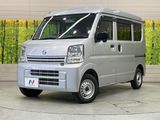
Ref# UW-mwfm3hf2ueog
MaccaLi inc
2020 Nissan NV100 Clipper HBD-DR17V
DX
- Mileage
- 27,580 km
- Year
- 2020/12
- Engine
- 658cc
- Trans.
- Automatic
FOBPrice$5,756
Ref# UW-6aaa080955892
MaccaLi inc
2024 Nissan NV100 Clipper 5BD-DR17V
DX
- Mileage
- 33,610 km
- Year
- 2024/1
- Engine
- 658cc
- Trans.
- Automatic
FOBPrice$5,756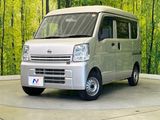
Ref# UW-mw1d6kdfcgp8
MaccaLi inc
2019 Nissan NV100 Clipper HBD-DR17V
DX GL Package
- Mileage
- 50,650 km
- Year
- 2019/9
- Engine
- 658cc
- Trans.
- Automatic
FOBPrice$6,066
Ref# UW-mv8qxk7sjyvn
MaccaLi inc
2022 Nissan NV100 Clipper 5BD-DR17V
DX
- Mileage
- 9,530 km
- Year
- 2022/8
- Engine
- 658cc
- Trans.
- Automatic
FOBPrice$6,313
Ref# UW-mvlmiproh6a2
MaccaLi inc
2022 Nissan NV100 Clipper 5BD-DR17V
GX
- Mileage
- 42,029 km
- Year
- 2022/10
- Engine
- 658cc
- Trans.
- Automatic
FOBPrice$6,499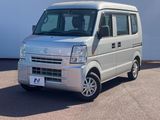 SOLD OUT
Ref# UW-mv315148twc9
INSPIRE LLC
2014 Nissan NV100 Clipper HBD-DR64V
DX
- Mileage
- 75,060 km
- Year
- 2014/7
- Engine
- 658cc
- Trans.
- Automatic
FOBPrice$3,151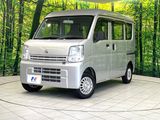 SOLD OUT
Ref# UW-6ab5e54b671cf
INSPIRE LLC
2017 Nissan NV100 Clipper HBD-DR17V
DX
- Mileage
- 35,280 km
- Year
- 2017/7
- Engine
- 658cc
- Trans.
- Manual
FOBPrice$3,482 SOLD OUT
Ref# UW-6a9792f4a9b6d
INSPIRE LLC
2014 Nissan NV100 Clipper HBD-DR64V
DX
- Mileage
- 28,670 km
- Year
- 2014/9
- Engine
- 658cc
- Trans.
- Automatic
FOBPrice$4,052 SOLD OUT
Ref# UW-mvn19ql4pv2p
INSPIRE LLC
2019 Nissan NV100 Clipper HBD-DR17V
DX GL Package
- Mileage
- 68,830 km
- Year
- 2019/2
- Engine
- 658cc
- Trans.
- Automatic
FOBPrice$4,282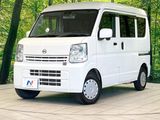 SOLD OUT
Ref# UW-mwe6ieomk5gc
INSPIRE LLC
2019 Nissan NV100 Clipper HBD-DR17V
GX
- Mileage
- 47,438 km
- Year
- 2019/2
- Engine
- 658cc
- Trans.
- Automatic
FOBPrice$4,605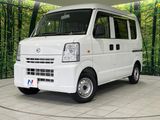 SOLD OUT
Ref# UW-mvk6r2xrkh3j
INSPIRE LLC
2014 Nissan NV100 Clipper HBD-DR64V
DX
- Mileage
- 17,150 km
- Year
- 2014/4
- Engine
- 658cc
- Trans.
- Automatic
FOBPrice$4,642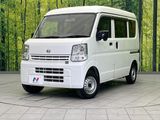 SOLD OUT
Ref# UW-6a89122748230
INSPIRE LLC
2021 Nissan NV100 Clipper HBD-DR17V
DX GL Package
- Mileage
- 53,271 km
- Year
- 2021/7
- Engine
- 658cc
- Trans.
- Automatic
FOBPrice$4,667 SOLD OUT
Ref# UW-6aaa080969707
INSPIRE LLC
2023 Nissan NV100 Clipper 3BD-DR17V
DX
- Mileage
- 11,545 km
- Year
- 2023/12
- Engine
- 658cc
- Trans.
- Manual
FOBPrice$4,796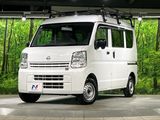 SOLD OUT
Ref# UW-mut11s7ftxly
INSPIRE LLC
2021 Nissan NV100 Clipper HBD-DR17V
DX
- Mileage
- 45,000 km
- Year
- 2021/9
- Engine
- 658cc
- Trans.
- Automatic
FOBPrice$4,971 SOLD OUT
Ref# UW-mva7auo9qk9z
INSPIRE LLC
2018 Nissan NV100 Clipper HBD-DR17V
DX
- Mileage
- 9,192 km
- Year
- 2018/11
- Engine
- 658cc
- Trans.
- Automatic
FOBPrice$5,191 SOLD OUT
Ref# UW-6a8fa9b0e831d
INSPIRE LLC
2022 Nissan NV100 Clipper 5BD-DR17V
DX GL Package
- Mileage
- 39,662 km
- Year
- 2022/9
- Engine
- 658cc
- Trans.
- Automatic
FOBPrice$5,216 SOLD OUT
Ref# UW-6ab9d9cd22afc
INSPIRE LLC
2022 Nissan NV100 Clipper 3BD-DR17V
GX
- Mileage
- 74,300 km
- Year
- 2022/5
- Engine
- 658cc
- Trans.
- Manual
FOBPrice$5,260 SOLD OUT
Ref# UW-6aa37075f3bc9
INSPIRE LLC
2020 Nissan NV100 Clipper HBD-DR17V
GX
- Mileage
- 98,521 km
- Year
- 2020/4
- Engine
- 658cc
- Trans.
- Automatic
FOBPrice$5,441 SOLD OUT
Ref# UW-6aadfc797ddd8
INSPIRE LLC
2021 Nissan NV100 Clipper HBD-DR17V
DX Safety Package
- Mileage
- 5,175 km
- Year
- 2021/9
- Engine
- 658cc
- Trans.
- Automatic
FOBPrice$5,594 SOLD OUT
Ref# UW-6a98e465090ed
INSPIRE LLC
2023 Nissan NV100 Clipper 5BD-DR17V
DX
- Mileage
- 2,447 km
- Year
- 2023/5
- Engine
- 658cc
- Trans.
- Automatic
FOBPrice$5,726 SOLD OUT
Ref# UW-6aadfc79dab29
INSPIRE LLC
2022 Nissan NV100 Clipper 5BD-DR17V
DX Safety Package
- Mileage
- 50,016 km
- Year
- 2022/3
- Engine
- 658cc
- Trans.
- Automatic
FOBPrice$5,946 SOLD OUT
Ref# UW-6aadfc7a52390
INSPIRE LLC
2022 Nissan NV100 Clipper 5BD-DR17V
DX GL Package
- Mileage
- 29,769 km
- Year
- 2022/9
- Engine
- 658cc
- Trans.
- Automatic
FOBPrice$6,189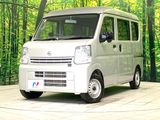 SOLD OUT
Ref# UW-mvhcii5i3qy1
INSPIRE LLC
2023 Nissan NV100 Clipper 5BD-DR17V
DX
- Mileage
- 10,950 km
- Year
- 2023/2
- Engine
- 658cc
- Trans.
- Automatic
FOBPrice$6,260 SOLD OUT
Ref# UW-6ab8885a982ff
INSPIRE LLC
2021 Nissan NV100 Clipper HBD-DR17V
DX GL Safety Package
- Mileage
- 7,290 km
- Year
- 2021/8
- Engine
- 658cc
- Trans.
- Automatic
FOBPrice$6,472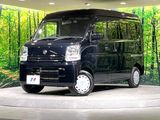 SOLD OUT
Ref# UW-mvpwj5nbcrt7
INSPIRE LLC
2019 Nissan NV100 Clipper EBD-DR17V
GX Turbo
- Mileage
- 54,780 km
- Year
- 2019/1
- Engine
- 658cc
- Trans.
- Automatic
FOBPrice$6,754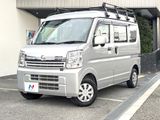 SOLD OUT
Ref# UW-mwjwjln1ne0x
MaccaLi inc
2023 Nissan NV100 Clipper 5BD-DR17V
GX
- Mileage
- 18,600 km
- Year
- 2023/11
- Engine
- 658cc
- Trans.
- Automatic
FOBPrice$7,383 SOLD OUT
Ref# UW-mw716j7gf1ba
INSPIRE LLC
2023 Nissan NV100 Clipper 5BD-DR17V
DX GLパッケージ
- Mileage
- 11,330 km
- Year
- 2023/2
- Engine
- 658cc
- Trans.
- Automatic
FOBPrice$7,573


Nissan NV100 Clipper Van Purchase Guide

The NV100 Clipper Van is the van (box-shaped cargo vehicle) version of the Clipper series, which Nissan has positioned as its only kei (Japanese light) commercial vehicle since its launch in 2003. Starting with the new model released in December 2013, it became an OEM vehicle supplied by Suzuki (a vehicle built by Suzuki and sold under the Nissan name), and it is described as being based on the Suzuki Every. The name was changed from "Clipper Van" to "NV100 Clipper" in 2012, and then reverted to "Clipper Van" in March 2024. When shopping used, the key approach is to also consider its sibling model, the Every, and narrow down your options based on the transmission and safety equipment, which differ by model year.
2nd-Generation NV100 Clipper Van (2013–2015): The "Best Commercial Mini" Touting a 4.1 m Minimum Turning Radius

Strengths of the 2nd-Generation NV100 Clipper Van
Nissan's only kei van, with a tight 4.1 m turning radius and seats that accommodate long cargo
Nissan positions the Clipper, launched in 2003, as its only kei commercial vehicle (Japan's smallest vehicle class). In January 2012, a facelift of the previous "Clipper Van" gave it the name "NV100 Clipper." This second generation followed in December 2013. It is the second generation of the Clipper series and is described as an OEM vehicle (a vehicle supplied by another manufacturer and sold under the company's own brand) based on the Suzuki Every. The previous generation had been supplied by Mitsubishi. The switch to Suzuki as supplier is explained as being due to Mitsubishi's withdrawal from the kei commercial vehicle market. At launch, Nissan called this vehicle the "Best Commercial Mini" and highlighted three points: good fuel economy, class-leading maneuverability, and practicality. Its minimum turning radius is 4.1 m, which Nissan claims is the best in its class. Kei vans frequently need to make multi-point turns in narrow residential alleys, cramped job sites, and parking spaces at delivery destinations. Tight maneuverability translates directly into easier day-to-day work. Cargo-area features include a fold-forward front passenger seat that makes long items easier to load, and split-folding rear seats. These suit people who haul ladders or long materials, or who want to adapt the rear seats to the amount of cargo. It also came with a car alarm, said to be the only one in its class. Commercial vehicles are often left parked with tools or merchandise aboard, so this feature addresses theft concerns. The passenger wagon "NV100 Clipper Rio" was added on the same day. However, this section covers the cargo van.
Weaknesses of the 2nd-Generation NV100 Clipper Van
A short sales period of just over a year, and easy to confuse with the Mitsubishi-based model of the same name
The second generation was launched in December 2013, and the third generation followed in March 2015. Because it was sold for just over a year, relatively few units are available on the used car market. With model years of 2013–2015, these vehicles are also getting older, so finding one in good condition takes time and patience. Pay special attention to the name. The "NV100 Clipper" name was first used in January 2012, when the Mitsubishi-based previous generation was facelifted. As a result, searching for "NV100 Clipper" brings up both 2012–2013 Mitsubishi-based vehicles and second-generation Suzuki Every-based vehicles from December 2013 onward. A different base vehicle means different parts and maintenance information. Don't judge by model year alone; confirm which vehicle it is using the model code on the vehicle registration certificate and the body shape before proceeding. Active safety equipment also differs by generation. The third generation, launched in March 2015, adopted "Emergency Brake" and "Pedal Misapplication Collision Prevention Assist," the only ones in its class. If automatic braking is a priority, look for a third-generation unit equipped with these features rather than a second-generation one. As a commercial vehicle, condition varies greatly depending on how each unit was used. Check the following in person or in photos: - Scratches and dents on the cargo floor and interior trim - Operation of the cargo doors - Whether the fold-forward passenger seat and split rear seat mechanisms work properly Units used in snowy regions should also be checked for underbody rust. For older kei vans, whether maintenance records remain is another important factor.
Rivals of the 2nd-Generation NV100 Clipper Van
Suzuki Every
The easiest comparison for the second-generation NV100 Clipper is the Suzuki Every, on which it is based. The second generation is described as an OEM vehicle based on the Every, and the fundamental design is shared. Comparisons become clearer if you think of them as the same vehicle line under different brands rather than different vehicles in the same class. For this reason, the deciding factors are the condition and equipment of each unit rather than the merits of the vehicle itself. At launch, Nissan described the car alarm as "the only one in its class." When comparing with the Every, don't judge such equipment differences by name; check each unit's equipment list or the actual vehicle. It's also wise to check cargo-related features such as the fold-forward passenger seat and split rear seats in the same way. In terms of availability, the second-generation NV100 Clipper was sold for just over a year, so limiting your search to the Nissan version leaves few candidates. If you're not particular about the name, including Every models from the same period makes it easier to find a unit that matches your mileage and condition requirements. Conversely, if you value the Nissan brand or the equipment Nissan promoted, searching specifically for the NV100 Clipper makes sense. The right kei van depends on upfitting such as shelving or refrigeration, the shape and volume of cargo, and the roads you drive. Before deciding on a brand, we recommend comparing cargo dimensions and equipment against your intended use.
2nd-Generation NV100 Clipper Van Specifications
660cc K6A NA and turbo, 5MT/3AT/4AT, FR/4WD
Size: 3,395 × 1,475 × 1,875 mm (wheelbase 2,400 mm); minimum turning radius 4.1 m Model codes: EBD-DR64V (MT), HBD-DR64V (AT) Engine: K6A 660cc inline-3 DOHC (658 cc), naturally aspirated or turbo (GX Turbo) Max output / torque: NA 36 kW (49 PS) / 62 N·m; turbo 47 kW (64 PS) / 95 N·m Transmission: 5-speed manual, 3-speed torque-converter automatic (NA), 4-speed torque-converter automatic (turbo) Drive: FR (rear-wheel drive) / part-time 4WD; full-time 4WD on GX Turbo Seating capacity: 2 / 4 (with rear seat in use) Fuel economy: 15.8 km/L (JC08, 5MT FR), 15.4 km/L (JC08, 3AT), 15.2 km/L (JC08, 5MT 4WD), 14.4 km/L (JC08, turbo FR), 13.8 km/L (JC08, turbo full-time 4WD) Main grades: DX, GX, GX Turbo Main updates: 2013-12 launch as a Suzuki Every-based OEM model, replacing the Mitsubishi-supplied model
3rd-Generation NV100 Clipper Van (Launched March 2015): The Suzuki OEM Generation with the R06A Engine, AGS, and the Class's Only Collision Mitigation Braking
Strengths of the 3rd-Generation NV100 Clipper Van
A generation that paired a lighter body with a new engine and AGS, adding safety equipment with each update
The 3rd-generation NV100 Clipper Van went on sale in March 2015. It is a kei van supplied to Nissan by Suzuki on an OEM basis, and since 2003 Nissan has positioned the NV100 Clipper and its truck counterpart, the NT100 Clipper, as its only kei commercial vehicles. The engine is the R06A, which features variable valve timing on the intake side. In addition to a 5-speed manual, an AMT called "AGS" that automates the clutch operation and gear shifting of the 5-speed manual is available on all grades except the GX Turbo. Buyers can choose between 2WD and 4WD. The body uses high-tensile steel, and the DX with the 5-speed manual achieved a 40 kg weight reduction for the vehicle as a whole. At launch, the published fuel economy for AGS models was 19.0 km/L for 4WD and 20.2 km/L for 2WD, which Nissan described as the best in its class. On the safety front, it was the only model in its class to offer Emergency Braking and Pedal Misapplication Collision Prevention Assist. Improvements continued after launch. In February 2016, ABS + EBD and Hill Start Assist became standard on 5AGS models of the DX and DX GL Package, and a special edition called the "Emergency Brake Package," equipped with Emergency Braking and VDC (Vehicle Dynamics Control, an electronic stability system), was added. In May 2017, a second-gear start mode was added to all 5AGS models, and the non-turbo GX switched from the 5AGS to a 4-speed automatic. In September 2021, the GX with the 5-speed manual also gained Intelligent Emergency Braking, Pedal Misapplication Collision Prevention Assist, and LDW (Lane Departure Warning). The April 2022 update added idle stop, improving WLTC fuel economy from 13.8 km/L to 14.6 km/L. At the same time, the GX's headlamps changed from halogen to xenon. This is a generation whose equipment becomes richer with each later model year. When shopping used, a key advantage is being able to choose a model year by balancing your budget against the equipment your work requires.
Weaknesses of the 3rd-Generation NV100 Clipper Van
Transmissions and safety equipment change by model year and grade, so each vehicle takes effort to assess
Because the combination of transmissions and equipment changed with each update in this generation, the contents of an NV100 Clipper Van differ by model year even under the same name. First, the transmission. The non-turbo GX used the 5AGS until May 2017 and a 4-speed automatic after that. If you want an automatic but would rather avoid the AGS, look for a GX from May 2017 onward; if you want a GX with the AGS, choose an earlier model year, so how you narrow your search changes accordingly. The GX Turbo was not offered with the AGS, so it is worth confirming the transmission type for each individual vehicle. Safety equipment also varies by model year. ABS + EBD and Hill Start Assist became standard on 5AGS models of the DX and DX GL Package only from February 2016. For earlier vehicles, you will need to check one by one whether this equipment is fitted. Since Emergency Braking and VDC were included on some vehicles through the February 2016 special edition, you cannot judge the equipment from the grade name alone. Intelligent Emergency Braking and Pedal Misapplication Collision Prevention Assist were added to the GX with the 5-speed manual only from September 2021. If you prioritize preventive safety features on a manual vehicle, this update is a useful benchmark. Idle stop was also added in the April 2022 update, and earlier vehicles do not have it. The vehicle name also deserves attention. The "NV100 Clipper" name was used until March 2024, when a partial specification change renamed it the "Clipper Van." At that time, grades that had used the 4-speed automatic and the 5AGS were reportedly replaced by a CVT. Old and new names are mixed in export inventory listings, so if a CVT vehicle appears under the "Clipper Van" name, treat it as a vehicle with a different transmission lineup from this generation's NV100 Clipper and cross-check the model year. Much of the equipment is hard to identify just by looking at the outside of the vehicle. Before buying, it is reassuring to cross-check three points in the vehicle information, namely the model year, grade, and transmission, and also to confirm that brake-related warning lights and operation indicators are working properly.
Rivals of the 3rd-Generation NV100 Clipper Van
Suzuki Every
The NV100 Clipper Van is supplied by Suzuki on an OEM basis. The previous generation, introduced in December 2013, was already presented as an OEM vehicle based on the Suzuki Every, and this generation continues to be supplied by Suzuki. As a result, the Every, its source vehicle, is the main point of comparison. Because they are sibling vehicles sharing the same underpinnings, the deciding factors are less about differences in driving and more about the names of equipment, the specifications of each model year, and the condition of the vehicles you can actually find. Let's start with the differences in naming. The Nissan version calls its collision mitigation braking "Emergency Braking" and "Intelligent Emergency Braking," and its grades are organized under Nissan's own names: DX, DX GL Package, GX, and GX Turbo. When comparing it with Every vehicles, it is more reliable to line them up by what is actually fitted, such as the transmission type, safety equipment, and drive system, rather than trying to match grade names. In terms of parts and maintenance, as an OEM vehicle its basic mechanical components are said to be shared with the Every, and some say information on Suzuki vehicles is useful for servicing and finding parts. It is generally considered unnecessary to limit servicing to Nissan-affiliated shops just because the vehicle wears a Nissan badge. Which one suits you depends on what you are looking for. If you want to quickly find a vehicle that matches your requirements for model year, transmission, and safety equipment, searching under both names without distinguishing between the Nissan and Suzuki versions will widen your options. For businesses whose fleets are standardized on Nissan vehicles and that want to consolidate maintenance and management, choosing the Nissan version makes sense. Note that a kei van's usability changes greatly depending on conversions such as shelving, partitions, and refrigeration units. Even when comparing sibling vehicles, the presence of conversions and the wear on the cargo area vary greatly from vehicle to vehicle, so compare them against the cargo you will actually carry and how you will use the van.
Specifications of the 3rd-Generation NV100 Clipper Van
660cc R06A NA and turbo, 5MT/5AGS/4AT, FR/4WD
Size: 3,395 × 1,475 × 1,895 mm (wheelbase 2,430 mm) Model codes: HBD-DR17V (NA), EBD-DR17V (turbo); 3BD-DR17V (MT) / 5BD-DR17V (AT/AGS) on later models Engine: R06A 660cc inline-3 DOHC (658 cc), naturally aspirated or turbo (GX Turbo) Max output / torque: NA 36 kW (49 PS) / 62 N·m (2022-04 model: 49 PS / 60 N·m); turbo 47 kW (64 PS) / 95 N·m Transmission: 5-speed manual; 5AGS (automated manual, all grades except GX Turbo); 4-speed torque-converter automatic (GX Turbo, and non-turbo GX from 2017-05) Drive: FR (rear-wheel drive) / part-time 4WD Seating capacity: 2 / 4 (maximum load 350 kg) Fuel economy: 19.0 km/L (JC08, 5MT FR), 20.2 km/L (JC08, 5AGS FR), 16.2 km/L (JC08, turbo 4AT FR), 15.4 km/L (JC08, turbo 4AT 4WD); up to 20.5 km/L (JC08, 2022-04 model FR) Main grades: DX, DX GL Package, GX, GX Turbo Main updates: 2015-03 launch; 2016-02 ABS + EBD and hill start assist standard on DX 5AGS models, Emergency Brake Package added; 2017-05 second-gear start mode on 5AGS, non-turbo GX switched to 4AT; 2021-09 Intelligent Emergency Braking added to GX 5MT; 2022-04 idle stop added; 2024-03 renamed Clipper Van