


Kei Trucks (Mini Trucks) for Sale from Japan — 349 listed
Set your destination to see the total price including shipping (C&F).
349 Results
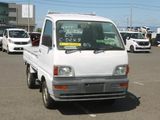
Ref# UW-mtml91b0ht54
DIYATA JAPAN CO.,LTD
1997 Mitsubishi Minicab Truck V-U41T
350kg
- Mileage
- 113,200 km
- Year
- 1997
- Engine
- 660cc
- Trans.
- Manual
FOBPrice$950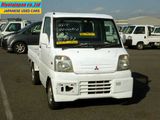
Ref# UW-6969a0625dbc1
DIYATA JAPAN CO.,LTD
1999 Mitsubishi Minicab Truck GD-U61T
350kg
- Mileage
- 95,800 km
- Year
- 1999
- Engine
- 660cc
- Trans.
- Manual
FOBPrice$950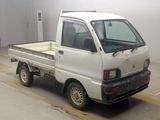
Ref# UW-mup8iaeshxlq
DIYATA JAPAN CO.,LTD
1997 Mitsubishi Minicab Truck V-U41T
350kg
- Mileage
- 60,600 km
- Year
- 1997
- Engine
- 660cc
- Trans.
- Manual
FOBPrice$1,050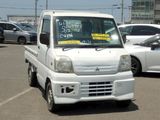
Ref# UW-6a3ceda019515
DIYATA JAPAN CO.,LTD
2000 Mitsubishi Minicab Truck GD-U61T
350kg
- Mileage
- 87,400 km
- Year
- 2000
- Engine
- 660cc
- Trans.
- Manual
FOBPrice$1,100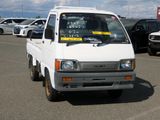
Ref# UW-6944ce14357a0
DIYATA JAPAN CO.,LTD
1993 Daihatsu Hijet Truck V-S82P
350kg
- Mileage
- 27,100 km
- Year
- 1993
- Engine
- 660cc
- Trans.
- Manual
FOBPrice$1,100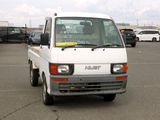
Ref# UW-6944cc63d0d19
DIYATA JAPAN CO.,LTD
1996 Daihatsu Hijet Truck V-S110P
Climber 350kg 4WD
- Mileage
- 71,000 km
- Year
- 1996
- Engine
- 660cc
- Trans.
- Manual
FOBPrice$1,100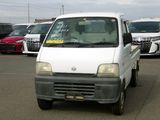
Ref# UW-694a172785abc
DIYATA JAPAN CO.,LTD
1999 Suzuki Carry Truck GD-DA52T
350kg
- Mileage
- 130,000 km
- Year
- 1999
- Engine
- 660cc
- Trans.
- Manual
FOBPrice$1,100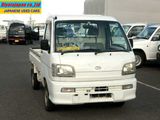
Ref# UW-694a15c46b284
DIYATA JAPAN CO.,LTD
1999 Daihatsu Hijet Truck GD-S200P
350kg
- Mileage
- 124,600 km
- Year
- 1999
- Engine
- 660cc
- Trans.
- Manual
FOBPrice$1,100
Ref# UW-6a02dd408a65c
DIYATA JAPAN CO.,LTD
1996 Mitsubishi Minicab Truck V-U42T
350kg 4WD
- Mileage
- 84,300 km
- Year
- 1996
- Engine
- 660cc
- Trans.
- Manual
FOBPrice$1,200
Ref# UW-694a1643848a4
DIYATA JAPAN CO.,LTD
1999 Mitsubishi Minicab Truck GD-U61T
350kg
- Mileage
- 123,300 km
- Year
- 1999
- Engine
- 660cc
- Trans.
- Manual
FOBPrice$1,200
Ref# UW-69afe2d8bf771
DIYATA JAPAN CO.,LTD
1999 Suzuki Carry Truck GD-DA52T
350kg
- Mileage
- 104,800 km
- Year
- 1999
- Engine
- 660cc
- Trans.
- Manual
FOBPrice$1,200
Ref# UW-6a3a25e017171
DIYATA JAPAN CO.,LTD
1999 Mitsubishi Minicab Truck GD-U61T
350kg
- Mileage
- 96,500 km
- Year
- 1999
- Engine
- 660cc
- Trans.
- Manual
FOBPrice$1,300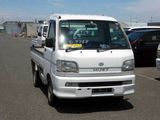
Ref# UW-694a16668e6e4
DIYATA JAPAN CO.,LTD
1999 Daihatsu Hijet Truck GD-S200P
350kg
- Mileage
- 103,600 km
- Year
- 1999
- Engine
- 660cc
- Trans.
- Manual
FOBPrice$1,300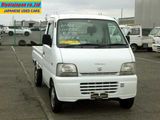
Ref# UW-6969a00f56870
DIYATA JAPAN CO.,LTD
1999 Suzuki Carry Truck GD-DA52T
350kg
- Mileage
- 99,500 km
- Year
- 1999
- Engine
- 660cc
- Trans.
- Manual
FOBPrice$1,300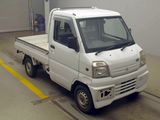
Ref# UW-mup76rg15ls9
DIYATA JAPAN CO.,LTD
2000 Mitsubishi Minicab Truck GD-U61T
350kg
- Mileage
- 99,200 km
- Year
- 2000
- Engine
- 660cc
- Trans.
- Manual
FOBPrice$1,350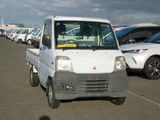
Ref# UW-694a669508cba
DIYATA JAPAN CO.,LTD
1999 Mitsubishi Minicab Truck GD-HA6
350kg
- Mileage
- 75,500 km
- Year
- 1999
- Engine
- 660cc
- Trans.
- Manual
FOBPrice$1,350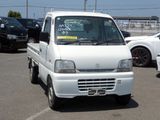
Ref# UW-6a4f63323e19d
DIYATA JAPAN CO.,LTD
1999 Suzuki Carry Truck GD-DA52T
350kg
- Mileage
- 64,000 km
- Year
- 1999/9
- Engine
- 660cc
- Trans.
- Manual
FOBPrice$1,400
Ref# UW-6944bc48ade49
DIYATA JAPAN CO.,LTD
2001 Mitsubishi Minicab Truck GD-U61T
350kg
- Mileage
- 93,700 km
- Year
- 2001
- Engine
- 660cc
- Trans.
- Automatic
FOBPrice$1,400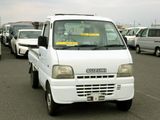
Ref# UW-694a171710fe7
DIYATA JAPAN CO.,LTD
2000 Suzuki Carry Truck GD-DA52T
350kg
- Mileage
- 100,800 km
- Year
- 2000
- Engine
- 660cc
- Trans.
- Manual
FOBPrice$1,400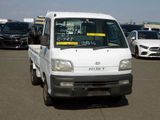
Ref# UW-6944c248df151
DIYATA JAPAN CO.,LTD
1999 Daihatsu Hijet Truck GD-S200P
350kg
- Mileage
- 86,200 km
- Year
- 1999
- Engine
- 660cc
- Trans.
- Manual
FOBPrice$1,400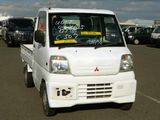
Ref# UW-694a16a50479b
DIYATA JAPAN CO.,LTD
1999 Mitsubishi Minicab Truck GD-U61T
350kg
- Mileage
- 84,400 km
- Year
- 1999
- Engine
- 660cc
- Trans.
- Manual
FOBPrice$1,400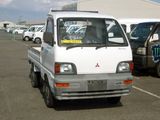
Ref# UW-mtwftsq55q8h
DIYATA JAPAN CO.,LTD
1995 Mitsubishi Minicab Truck V-U42T
350kg 4WD
- Mileage
- 96,100 km
- Year
- 1995
- Engine
- 660cc
- Trans.
- Manual
FOBPrice$1,450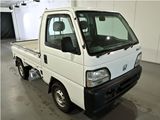
Ref# UW-muf6jnxczbu9
DIYATA JAPAN CO.,LTD
1998 Honda Acty Truck V-HA4
350kg 4WD
- Mileage
- 112,000 km
- Year
- 1998
- Engine
- 660cc
- Trans.
- Manual
FOBPrice$1,500
Ref# UW-mtsfssyxosbx
DIYATA JAPAN CO.,LTD
1992 Mitsubishi Minicab Truck V-U42T
350kg 4WD
- Mileage
- 59,000 km
- Year
- 1992
- Engine
- 660cc
- Trans.
- Manual
FOBPrice$1,500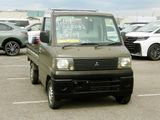
Ref# UW-mt19quukckd9
DIYATA JAPAN CO.,LTD
2001 Mitsubishi Minicab Truck GD-U61T
350kg 4WD
- Mileage
- 104,500 km
- Year
- 2001
- Engine
- 660cc
- Trans.
- Manual
FOBPrice$1,500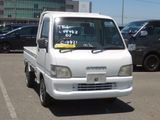
Ref# UW-6a1ea98d76d7c
DIYATA JAPAN CO.,LTD
2001 Subaru Sambar Truck GD-TT1
350kg
- Mileage
- 120,300 km
- Year
- 2001/12
- Engine
- 660cc
- Trans.
- Manual
FOBPrice$1,500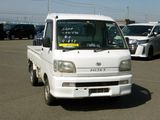
Ref# UW-6944c207f3fbc
DIYATA JAPAN CO.,LTD
1999 Daihatsu Hijet Truck GD- S210P
350kg 4WD
- Mileage
- 102,700 km
- Year
- 1999
- Engine
- 660cc
- Trans.
- Manual
FOBPrice$1,500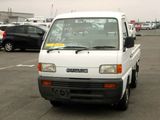
Ref# UW-6944c235a9324
DIYATA JAPAN CO.,LTD
1998 Suzuki Carry Truck V-DC51T
350kg
- Mileage
- 97,300 km
- Year
- 1998
- Engine
- 660cc
- Trans.
- Manual
FOBPrice$1,500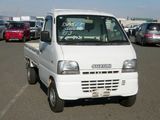
Ref# UW-694a1617cb4fa
DIYATA JAPAN CO.,LTD
2000 Suzuki Carry Truck GD-DA52T
350kg
- Mileage
- 85,400 km
- Year
- 2000
- Engine
- 660cc
- Trans.
- Manual
FOBPrice$1,500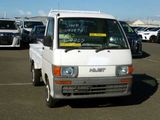
Ref# UW-6969a08c28b31
DIYATA JAPAN CO.,LTD
1997 Daihatsu Hijet Truck V-S100P
350kg
- Mileage
- 65,600 km
- Year
- 1997
- Engine
- 660cc
- Trans.
- Manual
FOBPrice$1,500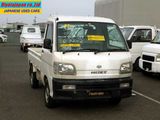
Ref# UW-6969a075542df
DIYATA JAPAN CO.,LTD
1999 Daihatsu Hijet Truck GD-S200P
350kg
- Mileage
- 89,000 km
- Year
- 1999
- Engine
- 660cc
- Trans.
- Manual
FOBPrice$1,500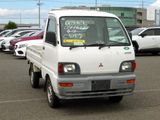
Ref# UW-mt2s6xsj460h
DIYATA JAPAN CO.,LTD
1996 Mitsubishi Minicab Truck V-U42T
350kg 4WD
- Mileage
- 33,800 km
- Year
- 1996
- Engine
- 660cc
- Trans.
- Manual
FOBPrice$1,550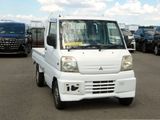
Ref# UW-mrx7f6xvfssd
DIYATA JAPAN CO.,LTD
2000 Mitsubishi Minicab Truck GD-U61T
350kg
- Mileage
- 54,600 km
- Year
- 2000
- Engine
- 660cc
- Trans.
- Manual
FOBPrice$1,550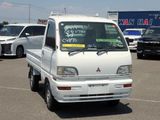
Ref# UW-6a4c9ecfb62a4
DIYATA JAPAN CO.,LTD
1997 Mitsubishi Minicab Truck V-U41T
350kg
- Mileage
- 107,000 km
- Year
- 1997
- Engine
- 660cc
- Trans.
- Manual
FOBPrice$1,550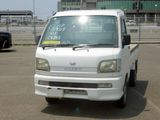
Ref# UW-6a3ceb832628c
DIYATA JAPAN CO.,LTD
2001 Daihatsu Hijet Truck GD-S210P
350kg 4WD
- Mileage
- 132,600 km
- Year
- 2001/11
- Engine
- 660cc
- Trans.
- Manual
FOBPrice$1,550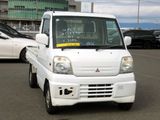
Ref# UW-698d4895251a4
DIYATA JAPAN CO.,LTD
1999 Mitsubishi Minicab Truck GD-U62T
350kg 4WD
- Mileage
- 130,400 km
- Year
- 1999
- Engine
- 660cc
- Trans.
- Manual
FOBPrice$1,550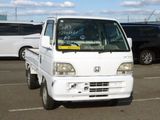
Ref# UW-muf6wuwsqrim
DIYATA JAPAN CO.,LTD
1998 Honda Acty Truck V-HA3
350kg
- Mileage
- 96,000 km
- Year
- 1998
- Engine
- 660cc
- Trans.
- Manual
FOBPrice$1,600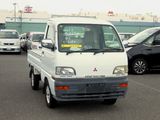
Ref# UW-mtmlhw17glh3
DIYATA JAPAN CO.,LTD
1997 Mitsubishi Minicab Truck V-U41T
350kg
- Mileage
- 59,700 km
- Year
- 1997
- Engine
- 660cc
- Trans.
- Manual
FOBPrice$1,600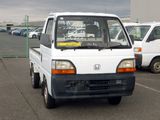
Ref# UW-mtidst9b9b6j
DIYATA JAPAN CO.,LTD
1994 Honda Acty Truck V-HA3
350kg
- Mileage
- 96,800 km
- Year
- 1994
- Engine
- 660cc
- Trans.
- Manual
FOBPrice$1,600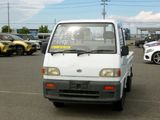
Ref# UW-mt2rvuwrxr6g
DIYATA JAPAN CO.,LTD
1995 Subaru Sambar Truck V-KS4
350kg 4WD
- Mileage
- 86,400 km
- Year
- 1995
- Engine
- 660cc
- Trans.
- Manual
FOBPrice$1,600
Ref# UW-6a0c33b7f0e76
DIYATA JAPAN CO.,LTD
2013 Toyota Pixis EBD-S201U
350kg
- Mileage
- 153,500 km
- Year
- 2013/7
- Engine
- 660cc
- Trans.
- Manual
FOBPrice$1,600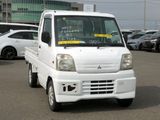
Ref# UW-69940c76eda69
DIYATA JAPAN CO.,LTD
2000 Mitsubishi Minicab Truck GD-U61T
350kg
- Mileage
- 112,700 km
- Year
- 2000
- Engine
- 660cc
- Trans.
- Automatic
FOBPrice$1,600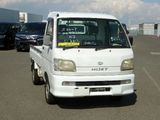
Ref# UW-694def61c0269
DIYATA JAPAN CO.,LTD
2000 Daihatsu Hijet Truck GD-S200P
350kg
- Mileage
- 106,500 km
- Year
- 2000
- Engine
- 660cc
- Trans.
- Manual
FOBPrice$1,600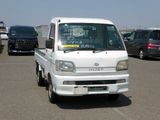
Ref# UW-694a1827425b1
DIYATA JAPAN CO.,LTD
2000 Daihatsu Hijet Truck GD-S200P
350kg
- Mileage
- 42,500 km
- Year
- 2000
- Engine
- 660cc
- Trans.
- Manual
FOBPrice$1,600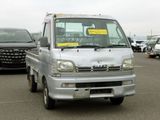
Ref# UW-694a17a70ae05
DIYATA JAPAN CO.,LTD
1999 Daihatsu Hijet Truck GD-S210P
350kg 4WD
- Mileage
- 133,200 km
- Year
- 1999
- Engine
- 660cc
- Trans.
- Automatic
FOBPrice$1,600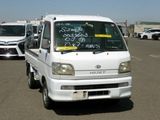
Ref# UW-6944c1c479854
DIYATA JAPAN CO.,LTD
2000 Daihatsu Hijet Truck GD-S200P
350kg
- Mileage
- 47,300 km
- Year
- 2000
- Engine
- 660cc
- Trans.
- Manual
FOBPrice$1,600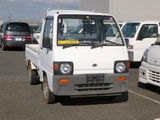
Ref# UW-mtsga9ci198j
DIYATA JAPAN CO.,LTD
1992 Subaru Sambar Truck V-KS4
350kg 4WD
- Mileage
- 43,800 km
- Year
- 1992
- Engine
- 660cc
- Trans.
- Manual
FOBPrice$1,650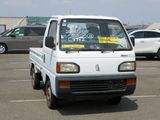
Ref# UW-mrx7rtuzrawn
DIYATA JAPAN CO.,LTD
1992 Honda Acty Truck V-HA4
350kg 4WD
- Mileage
- 84,000 km
- Year
- 1992
- Engine
- 660cc
- Trans.
- Manual
FOBPrice$1,650
Ref# UW-694defff2b70e
DIYATA JAPAN CO.,LTD
2001 Daihatsu Hijet Truck GD-S210P
350kg 4WD
- Mileage
- 123,700 km
- Year
- 2001/9
- Engine
- 660cc
- Trans.
- Manual
FOBPrice$1,650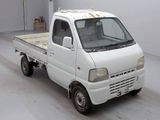
Ref# UW-mup9g9atpotq
DIYATA JAPAN CO.,LTD
2000 Suzuki Carry Truck GD-DA52T
350kg
- Mileage
- 87,100 km
- Year
- 2000
- Engine
- 660cc
- Trans.
- Manual
FOBPrice$1,700


The five main kei trucks, compared
These are the kei trucks old enough to import into the USA under the 25-year rule, compared on FOB price, engine output, turning circle, how easily they are found in Japan, and how much demand there is for them in the US.
FOB price moves with year, mileage, drivetrain, whether the A/C works and overall condition. Trucks that are 4WD, 5-speed manual, with working A/C, low mileage and little rust consistently trade at the top of their band.


| Rank | Model | FOB guide | Output, standard | Turning circle | Supply in Japan | US demand | Listed |
|---|---|---|---|---|---|---|---|
| 1 | Honda Acty | $2,200–3,500 | approx. 46 PS | approx. 4.5 m | plentiful | Very high | 58 |
| 2 | Subaru Sambar | $2,300–3,800 | approx. 46 PS | largest in class | average | Very high | 33 |
| 3 | Suzuki Carry | $1,800–2,800 | approx. 50 PS | approx. 4.1 m | abundant | High | 77 |
| 4 | Daihatsu Hijet | $1,700–2,700 | approx. 45–48 PS | approx. 3.8 m | abundant | High | 108 |
| 5 | Mitsubishi Minicab | $1,500–2,500 | approx. 48 PS | approx. 4.0–4.4 m | average | Average | 33 |
Supply in Japan is a relative measure of how easily a model of the right age is found on the Japanese used market and at dealer auctions.
FOB guides assume a standard body in ordinary condition. Dump beds, supercharged versions and other special specifications sit outside them. Reference ranges, not a quotation.
Stock counts are generated from current listings.
What each one is like
1Honda Acty
The Honda badge carries weight in the US, and the Acty is the model American buyers ask for most. The mid-engine layout gives it the most balanced road manners of the five.
- Strengths
- Brand recognition, stability on the road, resale value
- Weaknesses
- Costs more to buy, and from 1999 the turning circle is the largest of the mainstream four
- Suits
- Farms, work around a property, recreational use, collectors
2Subaru Sambar
Rear engine, four-cylinder, four-wheel independent suspension — the odd one out, and the one enthusiasts chase. The supercharged version makes 58 PS.
- Strengths
- Smooth, comfortable, strong traction on loose ground
- Weaknesses
- Good examples are harder to find, parts and servicing need more thought, and the turning circle is the largest in the class
- Suits
- Farms, mountain tracks, recreational use, longer trips
3Suzuki Carry
Around 50 PS even in standard form, and the best balance of price, durability and parts supply. The easiest of the five to find in quantity.
- Strengths
- Pulls well, easy to service, deepest parts supply, plentiful
- Weaknesses
- Less of a talking point than an Acty or a Sambar
- Suits
- Farming, hauling, commercial work, off-road
4Daihatsu Hijet
The practical choice: the tightest turning circle of the five and the most usable bed. Very common in Japan, which keeps 4WD examples affordable.
- Strengths
- Turns tightest, carries well, easy to service, easy to find
- Weaknesses
- The badge means less to American buyers
- Suits
- Farms, warehouses, tight sites, everyday work
5Mitsubishi Minicab
The cheapest way into the class. Not a famous name, but the fundamentals of a working truck are all there.
- Strengths
- Low price, simple mechanically, genuinely useful in 4WD
- Weaknesses
- Least recognised in the US, and the weakest resale
- Suits
- Budget work truck, farms, moving things around a property
If you need cab space
Drivers over about 5′10″ regularly find the standard cab cramped — it was dimensioned for the Japanese market. If you want headroom and legroom, look for the Daihatsu Jumbo cab, which reclines and has space behind the seats.
- How to find one
- Filter for it in the list above
Rankings
Power (standard, naturally aspirated)
- 1Suzuki Carryapprox. 50 PS
- 2Mitsubishi Minicabapprox. 48 PS
- 3Daihatsu Hijetapprox. 45–48 PS
- 4Honda Actyapprox. 46 PS
- 5Subaru Sambarapprox. 46 PS
How it actually drives depends on weight, gearing, load and engine condition as much as peak output. With forced induction the order changes: the supercharged Sambar makes 58 PS and the turbo Carry 56 PS.
Turning circle
- 1Daihatsu Hijetapprox. 3.8 m
- 2Suzuki Carryapprox. 4.1 m
- 3Mitsubishi Minicabapprox. 4.0–4.4 m
- 4Honda Actyapprox. 4.5 m
- 5Subaru Sambarlargest in class
The Hijet and the Carry are the easy ones on narrow farm tracks, in barns and around a property. The Sambar’s rear engine helps it pull away on soft ground, but its turning circle is the largest of the five, which counts against it on a narrow headland.
Overall, by category
- US demand and price
- Acty > Sambar > Carry > Hijet > Minicab
- Standard power
- Carry > Minicab / Hijet > Acty / Sambar
- Turning circle
- Hijet > Carry > Minicab > Acty > Sambar
- Supply in Japan
- Hijet / Carry > Acty > Sambar / Minicab
- Ease of finding one
- Hijet / Carry > Acty > Minicab > Sambar
- Consistency of supply
- Carry > Acty > Sambar > Hijet > Minicab
Pick by what matters most
What you should buy depends on which of these you care about.
| Your priority | Look at |
|---|---|
| Holding its value | Honda Acty |
| Something to enjoy owning | Subaru Sambar |
| Several trucks for a business | Suzuki Carry |
| A working truck on a budget | Daihatsu Hijet |
| The lowest price you can get | Mitsubishi Minicab |
| More power | Supercharged Sambar / turbo Carry |
| Farm and rough ground | Acty ATTACK / Carry farming grades |
| Working in tight spaces | Daihatsu Hijet / Suzuki Carry |
Beyond the model itself, whether the A/C works, 4WD, a manual gearbox, rust underneath and mileage move both the price and how useful the truck will be. For the USA it is usually worth paying more for a clean 4WD, 5-speed manual with working air conditioning.
What it actually lands at
The FOB price is not the price. This works out roughly what a truck costs by the time it reaches a US port.
- Vehicle price (FOB Japan)$2,200
- Shipping & port
- Ocean freight (RoRo)$1,080 – $1,500
- Port and terminal handling$200 – $400
- Customs broker$150 – $400
- ISF (10+2) filing$25 – $75
- Federal duty & fees
- Duty 2.5% (if classified under HTS 8703)$55
- MPF + HMF (merchandise processing, harbor maintenance)$35
- EPA emissions complianceExempt (25-year rule)
- DOT / NHTSA safety standardsExempt (25-year rule)
Kei trucks do not clear consistently — comparable vehicles have been assessed at both 2.5% and 25%. The 25-year rule waives safety and emissions compliance; it does not waive duty. Budget for 25% and treat 2.5% as a bonus.
Not included: inland transport from the port to your address, optional marine insurance, state registration and sales tax, and any work the truck needs on arrival.
Freight is a reference range on a 9 m³ per vehicle basis. This is not a quotation. Confirm real figures with the listing seller and your customs broker.
Is it 25 years old yet?
Import eligibility runs on the date of manufacture, not the model year. One month out and the truck can be seized at the port.
It will be 25 years old by your estimated arrival (January 2027). Whether you can register it for road use is a separate question, decided by your state. Check that too, with the state lookup.
Can you register it in your state?
Importing it and driving it on the road are two separate questions. Buying before settling the second one is the most common and most expensive mistake in this market.
What you see is the status reported at the time of our research. State rules change, and some are decided below state level — Kentucky, Minnesota, Missouri and Ohio by local option or ordinance, Utah with emissions testing in some counties and not others. Confirm with your own DMV before you buy.
All 50 states and DC, with sources
The real numbers, not the brochure ones
The figures in kei truck advertising and the figures owners report are not the same. Buying on the first set is how people end up disappointed. These are the second set.

You will see 40–50 mpg advertised. Loaded, in 4WD, doing actual work, most owners report 25–35. Empty and cruising on the flat, around 40 is achievable.
Some will reach 60–70 mph, but that is close to flat out and they move around in crosswinds. This is not a vehicle for daily highway miles. Treat highway use as short connecting stretches.
That is a regulatory class limit, not an engineering one. But the leaf springs and drum brakes were specified for it. Exceed it and you pay for it in suspension and brakes.
Of mulch or compost. Dry firewood, feed sacks, a hay bale, a single pallet. One cubic yard of wet gravel (about 1,270 kg) does not fit.
4WD on its own is not enough
A 4WD kei truck with an open differential still stops when one wheel lifts — and on wet grass. Owners getting stuck on flat, damp ground in 4WD is a common enough story that it is worth saying plainly. If the truck is for mud, snow or a field, the things to check are not 4WD but the diff lock and extra low (sub-transmission). They are separate options, and most trucks do not have them. Diff lock, axle lock and extra low explained
When not to buy one
If you commute 30+ highway miles a day, need modern crash protection, want to move a tonne at a time, or plan to plow snow commercially — a kei truck is the wrong tool and a used US compact pickup is the right one. What a kei truck is genuinely good at is repeated light hauling on private land, farms, campuses and narrow roads.
What happens, and when
The hardest part of a first import is the stretch after you pay when nothing appears to be happening. Here is what is going on during it.

- Week 0Vehicle confirmed, payment made
Payment is received by UCWORLD Co., Ltd. as a collection agent. Keep a note of the chassis number on the invoice — it gets matched against the B/L later.
- Weeks 1–3De-registration, Export Certificate, booking the sailing
The seller handles the Japanese paperwork. Nothing visible happens in this period, and that is normal. Once a booking is confirmed you get a vessel name and a date.
- Weeks 3–4Departure, and the ISF filing
Your US customs broker must file the ISF (10+2) 24–48 hours before the vessel sails. Late filing carries penalties, so appoint a broker early rather than late.
- Weeks 4–8Ocean transit
RoRo, about 2–3 weeks to the West Coast and 4–5 to the East. With Japanese preparation time, budget roughly 2–3 months from payment to arrival.
- On arrivalCustoms, and a 15-day clock
Clearance itself can finish the same day. But if you do not collect within 15 days the cargo moves to a General Order warehouse and storage charges start. This is where things go wrong.
- Around the same timeThe B/L arrives by post — the usual bottleneck
The original Bill of Lading is physically mailed. It can arrive after the ship does. If timing looks tight, ask about express courier early rather than waiting.
- After collectionTitle and state registration
Take the Export Certificate and its translation, the invoice, the B/L, CBP Form 7501, DOT HS-7 and EPA Form 3520-1 to your DMV. Some states ask for more.
Seven things to settle before you order
Nearly every bad import story comes down to one of these seven not being asked.
- Ask for underbody photographs. Frame rails, crossmembers, spring hangers, rocker seams. Surface rust is treatable; perforation near a suspension mount is a reason to walk away. If a seller will not photograph the underbody, that is the answer.
- Get the month of manufacture from the plate, in a photo. Not the model year. The 25-year rule runs to the month, and it is judged on the date of US arrival.
- Ask about 4WD and the diff lock separately. A listing that says “4WD” routinely means no diff lock and no extra low.
- Ask whether the A/C blows cold, not whether it is fitted. On a 25-year-old truck “A/C equipped” means the parts are there. A compressor is US$500–1,400.
- Ask what backs up the odometer reading. A figure verified at auction inspection, or just what the dial says? Mileage is the single most common misrepresentation in vehicle export.
- Compare landed totals, not FOB prices. Run the calculator above first, then put that number next to a US asking price. FOB against a US retail price is not a comparison.
- Check where the money goes. On UCARWORLD, payment is received by UCWORLD Co., Ltd. as a collection agent. If you are ever asked to wire to a personal account, that on its own is the red flag.
Buying a kei truck from Japan
Every kei truck for sale on this page is a used vehicle listed by the Japanese company that owns it — the same vehicles sold in the US as mini trucks. From here down is the short version of what the guide pages cover in full, and each section links through.
What a kei truck is
A 660 cc work vehicle built to Japan’s kei-class limits. Three things made it: it turns and fits almost anywhere — narrow paddy tracks, twisting mountain roads, marshy ground, snow, and ordinary residential streets; the bed drops on three sides, so 350 kg of awkward load goes on and off from whichever side you are standing on; and it is cheap to run and cheap to keep. That combination is why it has been the workhorse of Japanese farming, construction and logistics for decades.
To someone living in central Tokyo a kei truck looks slightly unglamorous. Out in the countryside, and especially in farming areas, it can feel like close to a third of the vehicles on the road are kei trucks. Yet in the used-vehicle export business, until about ten years ago what shipped out were Townace and Bongo Vanette trucks — kei trucks almost never. That has changed fast. Buyers in the USA and Canada, and now in New Zealand, Australia and across Europe, have worked out how affordable, tough and economical these things are, and demand has climbed steeply.
In a country the size of the USA, the full-size pickup rules the highway. Park a kei truck next to one and it looks like a scale model. But take it onto a farm, a mountain track, a private property or the lanes of an old town centre, and the joke stops: it goes where the pickup cannot, and it does the jobs the pickup made awkward. That is what has driven the interest in North America and Europe.
The dimensions are 3.40 m long, 1.48 m wide and 2.00 m tall, rated at 350 kg. Those numbers are set by regulation, not by the maker, which is why a Suzuki Carry and a Daihatsu Hijet are within centimetres of each other. Almost all are right-hand drive, most are 5-speed manual, and 4WD is common. In the US the same vehicle gets called a mini truck, a K truck or a Japanese mini pickup — different words, one thing. Read the full kei truck guide
Why buy from Japan
Japan has more than 100 dealer auction venues nationwide, and every vehicle entered is graded by an independent third-party inspector. What leaves the country is mostly trucks that would still pass inspection but have covered enough distance to lose their value in the Japanese market — which is why a 25-year-old kei truck from Japan is often in better condition than its age suggests.
It is worth being realistic too. For the USA, regulation means almost every import-eligible kei truck is over 25 years old. For Canada the threshold is 15 years. Expect surface rust, worn trim and age-related wear. The question is never whether there are marks, but where they are and how deep.
What one costs
Used kei trucks listed by sellers in Japan sit mainly in the US$1,500–3,800 FOB band. Add ocean freight, duty, customs and port charges and a truck typically lands at around US$3,000–6,600 at a US port. The calculator above will do it for your port and your numbers.
| Band | FOB Japan | Typically |
|---|---|---|
| Entry | $1,500–2,000 | Higher mileage, 2WD, A/C absent or unverified |
| Standard | $1,900–2,800 | 4WD, 5-speed manual, verifiable mileage |
| Higher grades & special bodies | $2,700–3,800 | Diff lock plus extra low, dump beds, low mileage, custom builds |
Reference ranges, not a quotation. See the full price breakdown
Parts and servicing
These are two different questions and the answers differ. Consumables are a non-issue — filters, belts, brake pads, plugs and hoses are stocked by US kei truck parts specialists, mostly under $50. Hard parts are the risk — transmission internals, carburettors and model-specific body or frame panels can be unobtainable in the US. The practical answer there is to cross-reference the OEM part number and order from a Japanese catalogue site, which takes 2–4 weeks but works. Mechanically it is a carburetted or early-EFI three-cylinder with a timing belt and drum brakes; any shop comfortable with older Japanese vehicles can work on it. Find a truck by engine code
Go deeper
- Registration status, all 50 states and DC
- Steps, cost and documents
- 4WD, diff lock and extra low
- Air conditioning, honestly
- Flatbed, dump, box and reefer beds
- Which truck for which job
- The five models in detail
- Engine codes: F6A, K6A, E07A, EN07
- Kei truck or kei van?
- Mini, little, tiny: names and sizes
- Browse kei vans
- What to check before you order
Kei truck FAQ
Questions about this list and about buying from Japan. State rules and cost detail are covered in depth on the guide pages.
The count at the top of this page is live. Stock moves daily as sellers list and vehicles sell, so filter by maker, drive type and budget rather than paging through everything.
Yes, using the filters on this page. But whether a truck has a diff lock is not always in the listing data. 4WD does not imply a diff lock, so ask the seller about that one specifically.
A US$2,200 truck shipped RoRo to the West Coast typically lands at roughly US$3,700–5,000 at the port. That is ocean freight US$1,100–1,800, port and terminal US$200–400, customs broker US$150–400, ISF US$25–75, and duty — which is either 2.5% or 25% depending on classification. Inland transport from the port and state registration are on top.
No. The 25-year rule waives safety (FMVSS) and emissions (EPA) compliance. Duty is a separate matter. Kei trucks fall under either HTS 8704 (goods transport, 25%) or HTS 8703 (other, 2.5%), a tenfold difference, and comparable vehicles have cleared at both. Budget for 25%.
Some will reach 60–70 mph, but close to flat out, and they move around in crosswinds. Comfortable is 45–55 mph. On top of that, many states restrict them to roads below a posted speed limit or bar them from interstates. If the use case is a highway commute, this is the wrong vehicle.
25–40 mpg in real use. Loaded and in 4WD, 25–35; empty on the flat, around 40. The 40–50 mpg figure you see advertised is the best-case ceiling.
350 kg (770 lb) is Japan’s regulatory class limit, not a mechanical one — but the leaf springs and drum brakes were specified around it. You can exceed it briefly at low speed on flat private land, and you will pay for it in suspension and brake wear. Design around 350 kg.
Consumables — filters, belts, brake pads, plugs, hoses — are stocked by US kei truck parts specialists, mostly under $50. Hard parts like transmission internals and carburettors can be unobtainable domestically; the answer there is to cross-reference the OEM part number and order from a Japanese catalogue site, 2–4 weeks. The reason you will read both “parts are easy” and “I waited a year for parts” is that people are talking about these two different categories.
Mechanically it is a carburetted or early-EFI inline three with a timing belt and drum brakes. Any shop comfortable with older Japanese vehicles can handle it. The real barrier is English service literature, not difficulty. Worth asking a local shop before you buy whether they will take on a 25-year-old Japanese vehicle.
Yes, but the channel matters. Classic and collector insurers and independent agents write these regularly; direct online carriers often reject them on VIN format or the non-FMVSS flag. Being declined by an online quote form does not mean the vehicle is uninsurable.
Roughly 2–3 months from payment. One to three weeks for the Japanese paperwork, 2–3 weeks at sea to the West Coast or 4–5 to the East, then one to two weeks for customs and collection. The quiet weeks right after payment are when de-registration and booking happen.
No. UCARWORLD is a platform where sellers in Japan list their stock. The sale contract is between you and the seller. Payment is received by UCWORLD Co., Ltd. as a collection agent, and remitted to the seller once the chassis number on the invoice has been matched against the B/L after shipment.
Yes. Sellers on UCARWORLD export to buyers in over 90 countries. Freight and transit time vary by destination port, and age rules differ by country — New Zealand, Australia and Canada all use thresholds different from the US 25-year rule.
No. UCARWORLD is a marketplace: the used kei trucks for sale here are listed by the Japanese companies that own them, and the sale contract is between you and that seller. A listing you find elsewhere as a Japanese mini truck for sale, a used mini truck or a kei truck from a dealer in Japan is usually the same kind of vehicle from the same kind of business — what differs is who holds the money and who answers for the vehicle. Payment here is received by UCWORLD Co., Ltd. as a collection agent and remitted to the seller after shipment.
- Daihatsu Hijet Truck (108)
- Suzuki Carry Truck (77)
- Honda Acty Truck (55)
- Subaru Sambar Truck (33)
- Mitsubishi Minicab Truck (32)
- Suzuki Super Carry (16)
- Nissan Clipper Truck (8)
- Nissan NT100 Clipper Truck (8)
- Toyota Pixis Truck (4)
- Mitsubishi Mini Cab Truck (2)
- Toyota Pixis (2)
- Mazda Scrum Truck (2)
- Nissan Clipper (1)
- Daihatsu Midget II (1)