


Used Suzuki Carry Kei Truck (Mini Truck) for Sale — 77 listed
The Suzuki Carry is the kei truck built in the largest numbers — which is why it is the easiest of the five to find in a given specification, and the cheapest to keep running. 77 are listed on UCARWORLD from US$1,100 FOB, and 35 of them are old enough to import into the USA.
Set your destination to see the total price including shipping (C&F).
77 Results
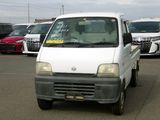
Ref# UW-694a172785abc
DIYATA JAPAN CO.,LTD
1999 Suzuki Carry Truck GD-DA52T
350kg
- Mileage
- 130,000 km
- Year
- 1999
- Engine
- 660cc
- Trans.
- Manual
FOBPrice$1,100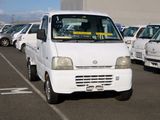
Ref# UW-69afe2d8bf771
DIYATA JAPAN CO.,LTD
1999 Suzuki Carry Truck GD-DA52T
350kg
- Mileage
- 104,800 km
- Year
- 1999
- Engine
- 660cc
- Trans.
- Manual
FOBPrice$1,200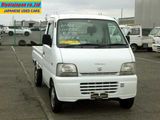
Ref# UW-6969a00f56870
DIYATA JAPAN CO.,LTD
1999 Suzuki Carry Truck GD-DA52T
350kg
- Mileage
- 99,500 km
- Year
- 1999
- Engine
- 660cc
- Trans.
- Manual
FOBPrice$1,300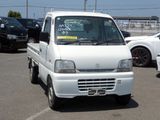
Ref# UW-6a4f63323e19d
DIYATA JAPAN CO.,LTD
1999 Suzuki Carry Truck GD-DA52T
350kg
- Mileage
- 64,000 km
- Year
- 1999/9
- Engine
- 660cc
- Trans.
- Manual
FOBPrice$1,400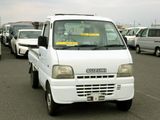
Ref# UW-694a171710fe7
DIYATA JAPAN CO.,LTD
2000 Suzuki Carry Truck GD-DA52T
350kg
- Mileage
- 100,800 km
- Year
- 2000
- Engine
- 660cc
- Trans.
- Manual
FOBPrice$1,400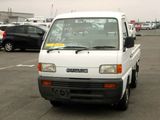
Ref# UW-6944c235a9324
DIYATA JAPAN CO.,LTD
1998 Suzuki Carry Truck V-DC51T
350kg
- Mileage
- 97,300 km
- Year
- 1998
- Engine
- 660cc
- Trans.
- Manual
FOBPrice$1,500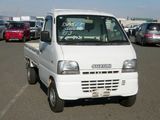
Ref# UW-694a1617cb4fa
DIYATA JAPAN CO.,LTD
2000 Suzuki Carry Truck GD-DA52T
350kg
- Mileage
- 85,400 km
- Year
- 2000
- Engine
- 660cc
- Trans.
- Manual
FOBPrice$1,500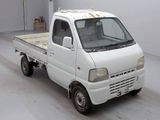
Ref# UW-mup9g9atpotq
DIYATA JAPAN CO.,LTD
2000 Suzuki Carry Truck GD-DA52T
350kg
- Mileage
- 87,100 km
- Year
- 2000
- Engine
- 660cc
- Trans.
- Manual
FOBPrice$1,700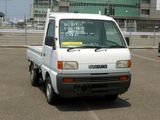
Ref# UW-6a478d2e88049
DIYATA JAPAN CO.,LTD
1997 Suzuki Carry Truck V-DC51T
350kg
- Mileage
- 40,000 km
- Year
- 1997
- Engine
- 660cc
- Trans.
- Manual
FOBPrice$1,750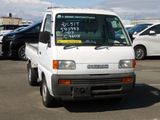
Ref# UW-6a31046b2bac5
DIYATA JAPAN CO.,LTD
1998 Suzuki Carry Truck V-DC51T
350kg
- Mileage
- 52,600 km
- Year
- 1998
- Engine
- 660cc
- Trans.
- Manual
FOBPrice$1,850
Ref# UW-msy2ufb8rv52
DIYATA JAPAN CO.,LTD
1999 Suzuki Carry Truck GD-DB52T
350kg 4WD
- Mileage
- 105,000 km
- Year
- 1999
- Engine
- 660cc
- Trans.
- Manual
FOBPrice$1,900
Ref# UW-6a3a2f44e0576
DIYATA JAPAN CO.,LTD
2001 Suzuki Carry Truck GD-DB52T
DUMP 350kg 4WD
- Mileage
- 144,500 km
- Year
- 2001/7
- Engine
- 660cc
- Trans.
- Manual
FOBPrice$1,900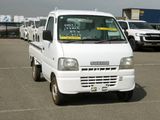
Ref# UW-6a053a175c913
DIYATA JAPAN CO.,LTD
2000 Suzuki Carry Truck GD-DA52T
350kg
- Mileage
- 66,200 km
- Year
- 2000
- Engine
- 660cc
- Trans.
- Manual
FOBPrice$1,900
Ref# UW-69fdb68e7cc09
DIYATA JAPAN CO.,LTD
1999 Suzuki Carry Truck GD-DB52T
350kg 4WD
- Mileage
- 117,000 km
- Year
- 1999
- Engine
- 660cc
- Trans.
- Manual
FOBPrice$1,950
Ref# UW-69c4e45f436e6
DIYATA JAPAN CO.,LTD
1999 Suzuki Carry Truck GD-DB52T
350kg 4WD
- Mileage
- 89,600 km
- Year
- 1999
- Engine
- 660cc
- Trans.
- Manual
FOBPrice$1,950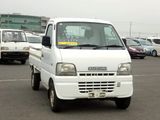
Ref# UW-69c4a013a9739
DIYATA JAPAN CO.,LTD
2000 Suzuki Carry Truck GD-DA52T
350kg
- Mileage
- 33,700 km
- Year
- 2000
- Engine
- 660cc
- Trans.
- Manual
FOBPrice$1,990
Ref# UW-69d71a04e152a
DIYATA JAPAN CO.,LTD
1998 Suzuki Carry Truck V-DD51T
350kg 4WD
- Mileage
- 93,100 km
- Year
- 1998
- Engine
- 660cc
- Trans.
- Manual
FOBPrice$2,100
Ref# UW-6996c586a1c3c
DIYATA JAPAN CO.,LTD
2000 Suzuki Carry Truck GD-DA52T
350kg
- Mileage
- 34,400 km
- Year
- 2000
- Engine
- 660cc
- Trans.
- Manual
FOBPrice$2,100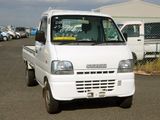
Ref# UW-mtwdy27s26x4
DIYATA JAPAN CO.,LTD
2001 Suzuki Carry Truck GD-DB52T
350kg 4WD
- Mileage
- 38,800 km
- Year
- 2001/7
- Engine
- 660cc
- Trans.
- Manual
FOBPrice$2,200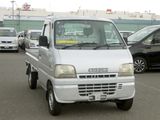
Ref# UW-mtcqmsgsmaxx
DIYATA JAPAN CO.,LTD
2000 Suzuki Carry Truck GD-DB52T
350kg 4WD
- Mileage
- 85,300 km
- Year
- 2000
- Engine
- 660cc
- Trans.
- Manual
FOBPrice$2,300
Ref# UW-mrx6v6f8z4yi
DIYATA JAPAN CO.,LTD
1999 Suzuki Carry Truck GD-DA52T
DUMP 350kg
- Mileage
- 90,700 km
- Year
- 1999
- Engine
- 660cc
- Trans.
- Manual
FOBPrice$2,300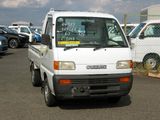
Ref# UW-mu2dkg066ms1
DIYATA JAPAN CO.,LTD
1998 Suzuki Carry Truck V-DD51T
350kg 4WD
- Mileage
- 69,100 km
- Year
- 1998
- Engine
- 660cc
- Trans.
- Manual
FOBPrice$2,500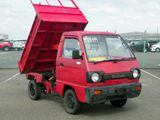
Ref# UW-mtsgxttpkcsc
DIYATA JAPAN CO.,LTD
1991 Suzuki Carry Truck M-DB51T
DUMP 350kg 4WD
- Mileage
- 32,700 km
- Year
- 1991
- Engine
- 660cc
- Trans.
- Manual
FOBPrice$2,600
Ref# UW-6a0e683f1a7a9
YAMAKATSU CO.,LTD
2022 Suzuki Carry Truck DA16T
- Mileage
- 75,484 km
- Year
- 2022/2
- Engine
- 660cc
- Trans.
- Automatic
FOBPrice$8,832
Ref# UW-muug7ktiisat
INSPIRE LLC
2015 Suzuki Carry Truck EBD-DA16T
KC Air Conditioning & Power Steering
- Mileage
- 64,910 km
- Year
- 2015/9
- Engine
- 658cc
- Trans.
- Automatic
FOBPrice$3,779
Ref# UW-6a9e2a39b4260
INSPIRE LLC
2016 Suzuki Carry Truck EBD-DA16T
KC Air Conditioning & Power Steering
- Mileage
- 7,681 km
- Year
- 2016/1
- Engine
- 658cc
- Trans.
- Automatic
FOBPrice$4,653
Ref# UW-mv7c1v9ihtsz
INSPIRE LLC
2017 Suzuki Carry Truck EBD-DA16T
KC Air Conditioning & Power Steering Agricultural Specification
- Mileage
- 22,031 km
- Year
- 2017/7
- Engine
- 658cc
- Trans.
- Manual
FOBPrice$5,149
Ref# UW-muvw0rahs8sk
INSPIRE LLC
2024 Suzuki Carry Truck 3BD-DA16T
KC Air Conditioning & Power Steering
- Mileage
- 10,730 km
- Year
- 2024/9
- Engine
- 658cc
- Trans.
- Manual
FOBPrice$5,583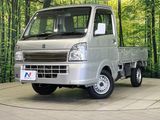
Ref# UW-murmfe5r0vjh
INSPIRE LLC
2020 Suzuki Carry Truck EBD-DA16T
KC Special
- Mileage
- 17,110 km
- Year
- 2020/10
- Engine
- 658cc
- Trans.
- Manual
FOBPrice$5,583
Ref# UW-6ab736cc0ab46
INSPIRE LLC
2017 Suzuki Carry Truck EBD-DA16T
KC Air Conditioning & Power Steering
- Mileage
- 10,750 km
- Year
- 2017/9
- Engine
- 658cc
- Trans.
- Manual
FOBPrice$5,583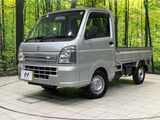
Ref# UW-muxbf9pbogux
INSPIRE LLC
2023 Suzuki Carry Truck 3BD-DA16T
KC Air Conditioning & Power Steering
- Mileage
- 9,580 km
- Year
- 2023/1
- Engine
- 658cc
- Trans.
- Manual
FOBPrice$6,080
Ref# UW-murmff8vtsy3
INSPIRE LLC
2025 Suzuki Carry Truck 3BD-DA16T
KC Air Conditioning & Power Steering
- Mileage
- 630 km
- Year
- 2025/9
- Engine
- 658cc
- Trans.
- Manual
FOBPrice$6,204
Ref# UW-mv8qwtbsudfk
INSPIRE LLC
2019 Suzuki Carry Truck EBD-DA16T
KC Special
- Mileage
- 8,000 km
- Year
- 2019/5
- Engine
- 658cc
- Trans.
- Automatic
FOBPrice$6,390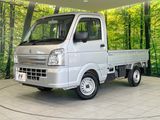
Ref# UW-mv4fvjnqgqyv
INSPIRE LLC
2024 Suzuki Carry Truck 3BD-DA16T
KC Air Conditioning, Power Steering, Non-equipped with Suzuki Safety Support
- Mileage
- 5,270 km
- Year
- 2024/11
- Engine
- 658cc
- Trans.
- Automatic
FOBPrice$6,390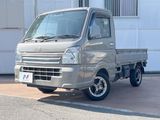
Ref# UW-mut11cc1up3g
INSPIRE LLC
2023 Suzuki Carry Truck 3BD-DA16T
KC Special
- Mileage
- 29,100 km
- Year
- 2023/9
- Engine
- 658cc
- Trans.
- Automatic
FOBPrice$6,390
Ref# UW-murmfelqn4gg
MaccaLi inc
2024 Suzuki Carry Truck 3BD-DA16T
KC Air Conditioning & Power Steering
- Mileage
- 875 km
- Year
- 2024/4
- Engine
- 658cc
- Trans.
- Automatic
FOBPrice$6,514
Ref# UW-6a851d5b154bd
INSPIRE LLC
2025 Suzuki Carry Truck 3BD-DA16T
KC Air Conditioning, Power Steering, Non-equipped with Suzuki Safety Support
- Mileage
- 1,528 km
- Year
- 2025/3
- Engine
- 658cc
- Trans.
- Automatic
FOBPrice$6,514
Ref# UW-muxbfb36wn0f
INSPIRE LLC
2025 Suzuki Carry Truck 3BD-DA16T
KC Air Conditioning & Power Steering Agricultural Specification, Non-equipped with Suzuki Safety Support
- Mileage
- 190 km
- Year
- 2025/12
- Engine
- 658cc
- Trans.
- Manual
FOBPrice$6,824
Ref# UW-6a7e85b78578a
INSPIRE LLC
2026 Suzuki Carry Truck 3BD-DA16T
KC
- Mileage
- 15 km
- Year
- 2026/3
- Engine
- 658cc
- Trans.
- Automatic
FOBPrice$7,258
Ref# UW-6aab58c0e7e11
INSPIRE LLC
2025 Suzuki Carry Truck 3BD-DA16T
KC Air Conditioning & Power Steering
- Mileage
- 58 km
- Year
- 2025/9
- Engine
- 658cc
- Trans.
- Automatic
FOBPrice$7,569
Ref# UW-mv314dq4sstt
INSPIRE LLC
2023 Suzuki Carry Truck 3BD-DA16T
KX
- Mileage
- 7,430 km
- Year
- 2023/4
- Engine
- 658cc
- Trans.
- Automatic
FOBPrice$7,879
Ref# UW-6ab5e538e87f9
INSPIRE LLC
2023 Suzuki Carry Truck 3BD-DA16T
KX
- Mileage
- 6,980 km
- Year
- 2023/9
- Engine
- 658cc
- Trans.
- Automatic
FOBPrice$8,127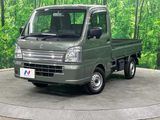
Ref# UW-mv5vipjmuttv
INSPIRE LLC
2025 Suzuki Carry Truck 3BD-DA16T
KC Air Conditioning & Power Steering Agricultural Specification, Non-equipped with Suzuki Safety Support
- Mileage
- 6,000 km
- Year
- 2025/9
- Engine
- 658cc
- Trans.
- Manual
FOBPrice$8,189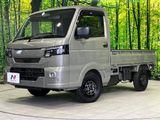
Ref# UW-mv7c1w1ukibr
INSPIRE LLC
2026 Suzuki Carry Truck 3BD-DA16T
KX
- Mileage
- 3,425 km
- Year
- 2026/3
- Engine
- 658cc
- Trans.
- Automatic
FOBPrice$9,213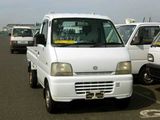 SOLD OUT
Ref# UW-6969a01d75739
DIYATA JAPAN CO.,LTD
1999 Suzuki Carry Truck DB52T
350kg
- Mileage
- 46,200 km
- Year
- 1999
- Engine
- 660cc
- Trans.
- Manual
FOBPrice$1,400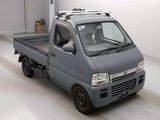 SOLD OUT
Ref# UW-mup8w4v0400r
DIYATA JAPAN CO.,LTD
2000 Suzuki Carry Truck GD-DA52T
350kg
- Mileage
- 99,800 km
- Year
- 2000
- Engine
- 660cc
- Trans.
- Manual
FOBPrice$1,450 SOLD OUT
Ref# UW-6a33a916a45da
DIYATA JAPAN CO.,LTD
2000 Suzuki Carry Truck DA52T
350kg
- Mileage
- 65,700 km
- Year
- 2000
- Engine
- 660cc
- Trans.
- Manual
FOBPrice$1,500 SOLD OUT
Ref# UW-mt2rlp4xhuo2
DIYATA JAPAN CO.,LTD
1998 Suzuki Carry Truck V-DD51T
350kg 4WD
- Mileage
- 91,400 km
- Year
- 1998
- Engine
- 660cc
- Trans.
- Manual
FOBPrice$1,850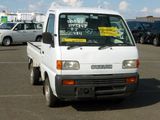 SOLD OUT
Ref# UW-6a3ce1fbe386f
DIYATA JAPAN CO.,LTD
1998 Suzuki Carry Truck V-DD51T
350kg 4WD
- Mileage
- 126,600 km
- Year
- 1998
- Engine
- 660cc
- Trans.
- Manual
FOBPrice$1,850 SOLD OUT
Ref# UW-ms4dl9mmuiar
DIYATA JAPAN CO.,LTD
1999 Suzuki Carry Truck GD-DA52T
DUMP 350kg
- Mileage
- 45,600 km
- Year
- 1999
- Engine
- 660cc
- Trans.
- Manual
FOBPrice$1,950


Buying a Suzuki Carry kei truck in the USA
What decides whether a Carry can be imported is the build date on the chassis plate, not the model year in the listing.
The 25-year rule, applied to the Carry
A vehicle may be imported into the United States without FMVSS and EPA compliance once 25 years have passed from the month it was built. The 660 cc Carry has been in production since 1990, so the earlier chassis codes qualify today and the later ones become eligible month by month.
| Generation | Built | Status today | Listed |
|---|---|---|---|
| DB71T, DC51T / DD51T | to 1999 | Eligible now | 9 |
| DA52T / DB52T | 1999–2002 | Eligible if built in or before September 2001 Eligible soon for the following 12 months | 24 |
| DA63T and later | 2002 onwards | Not yet — each vehicle qualifies 25 years after its own build month | 42 |
| Other / chassis code not identified | — | Check the build month on each listing | 2 |
Counts use the build month from the listing. Where it is missing, the first registration date in Japan is used instead, since a truck is always built before it is registered; trucks that cannot be confirmed either way are not counted. Always confirm the build date on the chassis plate with the seller before ordering.
Registration is decided by your state
Clearing customs and registering for road use are two separate questions. Federal eligibility is the 25-year rule above; whether a kei truck can be titled, plated and driven on public roads — and on which roads — is set by each state, and several states have changed their position in recent years. Check the reported status for your state
Getting it there
From purchase to a US port the sequence is: order → payment → export certificate and de-registration in Japan → booking → RoRo or container loading → B/L issued → arrival, customs entry and duty. Ocean freight, port charges, the customs broker and duty are on top of the FOB price shown in the listings. See the steps, documents and cost ranges
Freight and duty figures on the guide pages are reference ranges collected from recent shipments, not a quotation.
What buyers use a Suzuki Carry for
3.40 m long, 1.48 m wide, rated at 350 kg, with about 50 PS — the strongest standard output of the five. Those numbers decide the jobs it is good at, and which specification to look for above.
Daily farm and smallholding work
The default choice on Japanese farms for decades, and the one most often bought two or three at a time. Parts and know-how follow it everywhere.
Look for: 4WD, 5-speed manual, extra low if the ground is soft. Check the bed floor and the rear cross-member for rust.
Contractor and site work
About 50 PS as standard pulls a loaded bed up a ramp or a site track without the engine working at its limit.
Look for: A steel or aluminium bed in sound condition, and a truck with service history on the timing belt.
Lifted and off-road builds
The Carry has the deepest aftermarket of the five: lift kits, tyres and bumpers are stocked in the US for this chassis first.
Look for: DB52T and DA63T are the usual bases for a build. Confirm the drivetrain is 4WD before planning a lift.
Delivery rounds and small fleets
When you need two or three identical trucks, the Carry is the only model where matching specifications are usually available at the same time.
Look for: Same chassis code and same drivetrain across the units, so spares and servicing stay simple.
Orchards, vineyards and nurseries
At 1.48 m wide with a 4.1 m turning circle it works rows that a full-size pickup cannot enter.
Look for: 4WD with a locking differential for soft ground. Farming grades usually carry extra low as well.
Snow clearing and winter work
Light on the ground and easy to recover, and 4WD versions keep working where a 2WD pickup sits and spins.
Look for: 4WD, a working heater and defroster, and a truck already fitted with a plough mount if you want one.
The Carry’s own contribution is availability: it is the model most likely to be in stock in the exact specification you want, and the model a US parts supplier will have on the shelf. See the job-to-specification matrix
Suzuki Carry kei truck: strengths and weak points

Yoshisuke MayumiFormer Editor-in-Chief,
Carsensor
Mayumi's POINT
Strengths
The Suzuki Carry truck is the undisputed king of the kei truck market: by 1999 it had already been Japan's best-selling truck by model name for 28 years in a row. The 1999 redesign for the new kei standards moved the front wheels forward into a semi-cab layout to improve crash safety. The long-serving F6A engine is known for easy low- and mid-range pull and durability, and in 2001 it gave way to the all-aluminium DOHC K6A. A wide range of work-ready versions such as the Carry Nohan farm spec, and a sales and service network that covers all of Japan, were major strengths as well.
Weak points
The engineering is thoroughly conventional, with little to excite enthusiasts. Going semi-cab for the 1999 standards stretched the wheelbase from 1,840 mm to 2,350 mm, which improved crash safety and stability but cost turning ability and limited bed length. About ten months after launch Suzuki added a large-bed version with a longer deck, then redesigned the bed in 2002. Even the Carry, as complete a work tool as they come, took some trial and error to adapt to the new rules.
Suzuki Carry vs the other four kei trucks
The five mainstream kei trucks share the same regulated body size and the same 350 kg rating. What differs is the engine layout, how tightly they turn, what they cost and how easily they are found.
| Model | Engine layout | Output, standard | Turning circle | FOB guide | Listed |
|---|---|---|---|---|---|
| Honda Acty kei truck | Mid-engine, under the bed | approx. 46 PS | approx. 4.5 m | $2,200–3,500 | 58 |
| Suzuki Carry this page | Under the seat | approx. 50 PS | approx. 4.1 m | $1,800–2,800 | 77 |
| Daihatsu Hijet mini truck | Under the seat | approx. 45–48 PS | approx. 3.8 m | $1,700–2,700 | 108 |
| Subaru Sambar kei truck | Rear engine | approx. 46 PS | largest in class | $2,300–3,800 | 33 |
| Mitsubishi Minicab kei truck | Under the seat | approx. 48 PS | approx. 4.0–4.4 m | $1,500–2,500 | 33 |
Where the Carry sits: the strongest standard output of the five, the deepest parts supply and the largest number of trucks to choose from — which is why it is usually the cheapest to buy and the simplest to keep on the road. What it does not have is the collector following of an Acty or a Sambar, so it holds less of a premium when you sell it on. If the work is in tight rows, the Hijet turns about 0.3 m tighter. Read the full five-model comparison
FOB guides assume a standard body in ordinary condition. Dump beds, supercharged versions and custom builds sit outside them. Reference ranges, not a quotation.
Suzuki Carry truck FAQ
Questions specific to this model. Cost, shipping and state rules are covered on the guide pages.
Yes. Part-time 4WD was offered across the 660 cc generations and is common in the export market, usually with a selectable 2H/4H setting rather than a permanent system. Farming grades often add extra low gearing, and some add a locking rear differential. 4WD does not imply a diff lock, and listing data does not always record it, so ask the seller about that one specifically. How 4WD, diff lock and extra low differ
Any Carry built 25 or more years ago — today that means built in or before September 2001. In practice that covers the DB71T and DC51T/DD51T generations outright, and a growing part of the DA52T/DB52T range as each month passes. The DA63T and later are not eligible yet. Eligibility is counted from the build month on the chassis plate, not from the model year.
They are close on size, payload and price, and both are abundant. Choose the Carry for output and parts supply: about 50 PS as standard and the widest aftermarket in the US. Choose the Hijet for manoeuvring and bed choice: about 3.8 m turning circle, factory dump bodies and the extended Jumbo cab. See the five models side by side
Carry trucks listed on UCARWORLD sit mainly in the US$1,800–2,800 FOB band, with the current lowest at US$1,100. Ocean freight, port and terminal charges, the customs broker, ISF and duty are on top. Condition and drivetrain move the price more than the year does. See the full cost breakdown
Carry Truck Purchase Guide

The Suzuki Carry Truck, a kei truck(mini truck) that has epitomized "loadable, durable, and reliable" since its inception in 1961, is highly acclaimed not only for domestic commercial use, but also in right-hand drive regions and countries applying the 25-year rule. In this article, we're focusing on the popular 9th generation (1991–1999), known for its excellent maintenance and abundant parts supply, and the 10th generation (1999–2013), which elevated practicality by expanding its body size to meet new lightweight standards.
The 9th Generation Suzuki Carry Truck (DC51T/DD51T, 1991–1999) - The definitive version of the standard cab-over model which solidified its status as a classic.

The Charm of the 9th Generation Carry Truck
F6A x Abundant specifications, ample power, and an overwhelming sense of utility.
The 9th generation mainly features the DC51T (2WD/FR) and DD51T (4WD), equipped with a 660cc F6A inline three-cylinder engine (NA/some turbo). In addition to 4MT/5MT/3AT transmissions, we also offer models equipped with sub-transmissions (Extra-Low) and diff locks for agricultural use, providing a wide range of options to suit various needs. With a compact body measuring 3,295mm in length and 1,395mm in width, a spacious three-way open loading deck, and a sturdy suspension comprising front struts and rear leaf springs, this model offers high levels of reassurance as a “working tool” for any terrain, from paved roads to unpaved tracks. Improvements made during the annual upgrade include the adoption of front discs, enlarged wheel diameter, and modifications to lighting, further elevating the overall quality of the vehicle. With its high availability of used cars and spare parts, this generation is easy for overseas users to handle.
Drawbacks of the 9th Generation Carry Truck
High-speed stability and safety equipment are "up to date," but fuel efficiency does not meet the latest standards.
Due to the cab-over short wheelbase and lightweight body, straight-line stability and soundproofing at high speeds are standard at the time. Long-distance and high-speed driving can lead to fatigue, and safety equipment such as ABS and airbags are limited. Designed in a time with looser safety standards, it has a short front which ensures a long cargo bed, but the collision safety aspect is left to successor models that came after the expansion of the light car standard. In addition, the F6A×5MT・4WD model's fuel economy is around 15 km/L in the 10・15 mode, which is a step back in terms of economy compared to the current generation. However, its simple structure and high maintainability ensure good durability if regular maintenance is performed. Its usability in everyday and low-mid speeds and the easy availability of parts cover its downsides.
Rivals of the 9th generation Carry Truck
Honda Acty, Daihatsu Hijet, Subaru Sambar
The main competitors of the same period are the Honda Acty, known for its excellent traction when loaded thanks to its MR layout, the Daihatsu Hijet, chosen for its high distribution volume and expandability, and the Subaru Sambar, which takes advantage of rear wheel load with its RR layout. The Carry with its orthodox design is popular overseas as well as in Japan for its ease of maintenance, abundance, and affordable parts. If you're choosing based on use, the 4WD plus sub-transmission is ideal for unpaved roads and farming, while a 2WD plus a 5MT (or 3AT) model is a good match for city driving due to its lightness and simplicity.
Specifications of the 9th Generation Carry Truck
Size: Total length 3,295mm x total width 1,395mm x total height 1,715–1,805mm Wheelbase: 1,855mm Vehicle weight: Approximately 650–720kg (depending on specifications) Engine: F6A 0.66L straight-3 (NA/some SOHC turbo) Transmission: 4MT/5MT/3AT (some configurations available for agricultural use, including sub-transmission and EL) Drive system: FR (DC51T), part-time 4WD (DD51T) Suspension: Front strut/rear leaf Brakes: Front disc (enlarged annually) Fuel efficiency (10・15 mode): Approximately around 15km/L (varies by specifications) Main grades: KU/KA/KC, agricultural and others.
The 10th generation Carry Truck (DA52T/DB52T → DA62T/DA63T/DA65T, 1999–2013) - Newly standardized for a larger body, the K6A evolution also brings quietness and durability enhancements.

The appeal of the 10th generation Carry Truck
Expanded cabin and cargo space according to new standards, improved quietness and reliability with K6A modification.
The body was enlarged to meet the new standards for light vehicles (total length 3,395mm x total width 1,475mm) with a full model change in 1999, and the front impact absorption zone was also expanded. While the early DA52T/DB52T inherited the F6A (NA/Turbo), they transitioned to the timing chain type K6A after September 2001, improving exhaust gas efficiency, noise reduction, and durability. The minimum turning radius was revised and rust prevention was strengthened, enhancing practical performance. The 4WD continues to be a part-time system, making it strong for off-road starts and hill climbing. The loading platform opens on three sides and it's easy to load and unload due to its low bed. It's a generation where you can feel the "ease of use" in a wide range of scenarios from daily deliveries to farming.
Disadvantages of the 10th Generation Carry Truck
Initial model received feedback about "short truck bed" → Measures were taken within the same year, early F6A also featured belt replacement costs.
At its initial release, there were some complaints about the short bed length as priority was given to interior space. However, in a revision made in November 1999, the cabin was shortened and the bed was extended, quickly addressing practicality issues. Also, cars equipped with the initial F6A required a timing belt change after a certain mileage, thus cost was incurred. After the switch to K6A in September 2001, a chain drive was employed, eliminating this concern. It is wise to check the year and model when purchasing, and choose according to your specific needs.
Rival of the tenth-generation Carry Truck
Daihatsu Hijet (S200 series onwards), Mitsubishi Minicab, Honda Acty (later model)
At the time, the kei truck(mini truck) market was dominated by the lineup and distribution volume of the Carry and Hijet. The Minicab offers a rich selection of cargo bed equipment and 4WD systems, while the Acty was attractive for its MR layout's road-hugging abilities. The Carry improved its cargo bed usability and fuel efficiency through continual improvements, and after its switch to the K6A, it became well-balanced in terms of quietness and reliability. There is also a wide range of used options, and one of its strengths is that for overseas users, the hurdles for maintenance and repair are low.
Specs for the 10th Generation Carry Truck
Size: Total length 3,395mm x Total width 1,475mm x Total height 1,755–1,800mm Wheelbase: Approximately 1,905–2,350mm (varies depending on the year and specification) Vehicle weight: Approximately 650–780kg Engine: F6A 0.66L inline-3 (1999–2001.8, NA/Turbo) → K6A 0.66L inline-3 DOHC (post-2001.9) Transmission: 5MT/3AT (AT setting expansion varies by year and grade) Drive system: FR (DA52T) / 4WD (DB52T), 2WD/4WD configuration also available for DA62/63/65 Minimum turning radius: Improved with yearly modifications (increasing maneuverability) Rustproofing: Enhanced rustproofing of key parts (increasing durability in snowy regions and coastal areas) Fuel efficiency reference (10-15 mode example): DA52T 5MT (NA, 2WD) 16–17km/L, DA52T 3AT approximately 15km/L, DB52T 4WD 15–16km/L (varies by specification) Main yearly modifications: 1999/11 Bed extension, 2001/9 Transition to K6A, improved maneuverability, enhanced rustproofing, and more.