


Used Daihatsu Hijet Mini Truck (Kei Truck) for Sale — 108 listed
The Daihatsu Hijet is the kei truck with the tightest turning circle of the five and the widest choice of bodies, including factory dump beds and the extended Jumbo cab. 108 are listed on UCARWORLD from US$1,100 FOB, and 34 of them are old enough to import into the USA.
Set your destination to see the total price including shipping (C&F).
108 Results
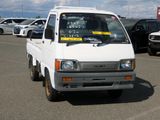
Ref# UW-6944ce14357a0
DIYATA JAPAN CO.,LTD
1993 Daihatsu Hijet Truck V-S82P
350kg
- Mileage
- 27,100 km
- Year
- 1993
- Engine
- 660cc
- Trans.
- Manual
FOBPrice$1,100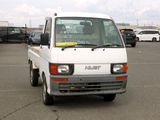
Ref# UW-6944cc63d0d19
DIYATA JAPAN CO.,LTD
1996 Daihatsu Hijet Truck V-S110P
Climber 350kg 4WD
- Mileage
- 71,000 km
- Year
- 1996
- Engine
- 660cc
- Trans.
- Manual
FOBPrice$1,100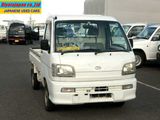
Ref# UW-694a15c46b284
DIYATA JAPAN CO.,LTD
1999 Daihatsu Hijet Truck GD-S200P
350kg
- Mileage
- 124,600 km
- Year
- 1999
- Engine
- 660cc
- Trans.
- Manual
FOBPrice$1,100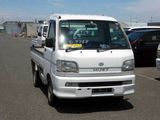
Ref# UW-694a16668e6e4
DIYATA JAPAN CO.,LTD
1999 Daihatsu Hijet Truck GD-S200P
350kg
- Mileage
- 103,600 km
- Year
- 1999
- Engine
- 660cc
- Trans.
- Manual
FOBPrice$1,300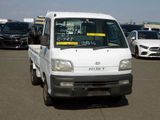
Ref# UW-6944c248df151
DIYATA JAPAN CO.,LTD
1999 Daihatsu Hijet Truck GD-S200P
350kg
- Mileage
- 86,200 km
- Year
- 1999
- Engine
- 660cc
- Trans.
- Manual
FOBPrice$1,400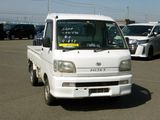
Ref# UW-6944c207f3fbc
DIYATA JAPAN CO.,LTD
1999 Daihatsu Hijet Truck GD- S210P
350kg 4WD
- Mileage
- 102,700 km
- Year
- 1999
- Engine
- 660cc
- Trans.
- Manual
FOBPrice$1,500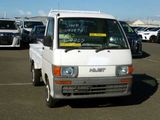
Ref# UW-6969a08c28b31
DIYATA JAPAN CO.,LTD
1997 Daihatsu Hijet Truck V-S100P
350kg
- Mileage
- 65,600 km
- Year
- 1997
- Engine
- 660cc
- Trans.
- Manual
FOBPrice$1,500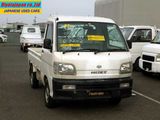
Ref# UW-6969a075542df
DIYATA JAPAN CO.,LTD
1999 Daihatsu Hijet Truck GD-S200P
350kg
- Mileage
- 89,000 km
- Year
- 1999
- Engine
- 660cc
- Trans.
- Manual
FOBPrice$1,500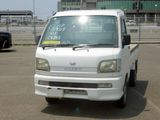
Ref# UW-6a3ceb832628c
DIYATA JAPAN CO.,LTD
2001 Daihatsu Hijet Truck GD-S210P
350kg 4WD
- Mileage
- 132,600 km
- Year
- 2001/11
- Engine
- 660cc
- Trans.
- Manual
FOBPrice$1,550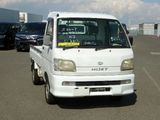
Ref# UW-694def61c0269
DIYATA JAPAN CO.,LTD
2000 Daihatsu Hijet Truck GD-S200P
350kg
- Mileage
- 106,500 km
- Year
- 2000
- Engine
- 660cc
- Trans.
- Manual
FOBPrice$1,600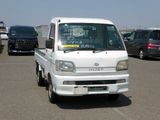
Ref# UW-694a1827425b1
DIYATA JAPAN CO.,LTD
2000 Daihatsu Hijet Truck GD-S200P
350kg
- Mileage
- 42,500 km
- Year
- 2000
- Engine
- 660cc
- Trans.
- Manual
FOBPrice$1,600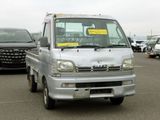
Ref# UW-694a17a70ae05
DIYATA JAPAN CO.,LTD
1999 Daihatsu Hijet Truck GD-S210P
350kg 4WD
- Mileage
- 133,200 km
- Year
- 1999
- Engine
- 660cc
- Trans.
- Automatic
FOBPrice$1,600
Ref# UW-6944c1c479854
DIYATA JAPAN CO.,LTD
2000 Daihatsu Hijet Truck GD-S200P
350kg
- Mileage
- 47,300 km
- Year
- 2000
- Engine
- 660cc
- Trans.
- Manual
FOBPrice$1,600
Ref# UW-694defff2b70e
DIYATA JAPAN CO.,LTD
2001 Daihatsu Hijet Truck GD-S210P
350kg 4WD
- Mileage
- 123,700 km
- Year
- 2001/9
- Engine
- 660cc
- Trans.
- Manual
FOBPrice$1,650
Ref# UW-6944cbe92db88
DIYATA JAPAN CO.,LTD
1999 Daihatsu Hijet Truck GD-S200P
350kg
- Mileage
- 88,200 km
- Year
- 1999
- Engine
- 660cc
- Trans.
- Manual
FOBPrice$1,700
Ref# UW-694a16c9c07c4
DIYATA JAPAN CO.,LTD
1999 Daihatsu Hijet Truck GD-S210P
350kg 4WD
- Mileage
- 87,100 km
- Year
- 1999
- Engine
- 660cc
- Trans.
- Manual
FOBPrice$1,700
Ref# UW-69968b3fbd95f
DIYATA JAPAN CO.,LTD
2001 Daihatsu Hijet Truck GD-S210P
350kg 4WD
- Mileage
- 145,000 km
- Year
- 2001/11
- Engine
- 660cc
- Trans.
- Automatic
FOBPrice$1,850
Ref# UW-ms75v845k6kj
DIYATA JAPAN CO.,LTD
2001 Daihatsu Hijet Truck GD-S200P
350kg
- Mileage
- 84,500 km
- Year
- 2001/4
- Engine
- 660cc
- Trans.
- Automatic
FOBPrice$1,900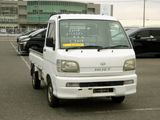
Ref# UW-69b264840439a
DIYATA JAPAN CO.,LTD
2001 Daihatsu Hijet Truck GD-S210P
350kg 4WD
- Mileage
- 103,000 km
- Year
- 2001
- Engine
- 660cc
- Trans.
- Manual
FOBPrice$1,900
Ref# UW-699fe7cb7753e
DIYATA JAPAN CO.,LTD
2001 Daihatsu Hijet Truck GD-S210P
350kg 4WD
- Mileage
- 93,100 km
- Year
- 2001/11
- Engine
- 660cc
- Trans.
- Manual
FOBPrice$1,900
Ref# UW-6944cc16b0830
DIYATA JAPAN CO.,LTD
2001 Daihatsu Hijet Truck GD-S210P
350kg 4WD
- Mileage
- 104,100 km
- Year
- 2001
- Engine
- 660cc
- Trans.
- Manual
FOBPrice$1,900
Ref# UW-6a3a41df5b61d
DIYATA JAPAN CO.,LTD
1996 Daihatsu Hijet Truck V-S110P
DUMP 350kg 4WD
- Mileage
- 122,700 km
- Year
- 1996
- Engine
- 660cc
- Trans.
- Manual
FOBPrice$1,950
Ref# UW-694defa9501ce
DIYATA JAPAN CO.,LTD
1999 Daihatsu Hijet Truck GD-S210P
350kg 4WD
- Mileage
- 93,000 km
- Year
- 1999
- Engine
- 660cc
- Trans.
- Manual
FOBPrice$1,950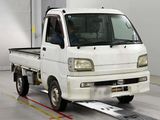
Ref# UW-muf7sgzgnfrc
DIYATA JAPAN CO.,LTD
2001 Daihatsu Hijet Truck GD-S210P
350kg 4WD
- Mileage
- 93,600 km
- Year
- 2001
- Engine
- 660cc
- Trans.
- Manual
FOBPrice$2,100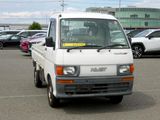
Ref# UW-mtmqkpxi15qc
DIYATA JAPAN CO.,LTD
1998 Daihatsu Hijet Truck V-S100P
350kg
- Mileage
- 96,300 km
- Year
- 1998
- Engine
- 660cc
- Trans.
- Automatic
FOBPrice$2,100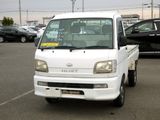
Ref# UW-69b22ec6f22ca
DIYATA JAPAN CO.,LTD
2000 Daihatsu Hijet Truck GD-S210P
350kg 4WD
- Mileage
- 35,600 km
- Year
- 2000
- Engine
- 660cc
- Trans.
- Manual
FOBPrice$2,200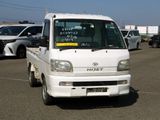
Ref# UW-699fc60ad5c99
DIYATA JAPAN CO.,LTD
2001 Daihatsu Hijet Truck GD-S210P
350kg 4WD
- Mileage
- 32,500 km
- Year
- 2001
- Engine
- 660cc
- Trans.
- Manual
FOBPrice$2,300
Ref# UW-6a34a8e73b351
DIYATA JAPAN CO.,LTD
2000 Daihatsu Hijet Truck GD-S200P
JUMBO 350kg
- Mileage
- 99,000 km
- Year
- 2000
- Engine
- 660cc
- Trans.
- Manual
FOBPrice$2,500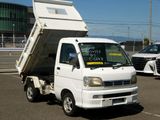
Ref# UW-mtmlwt6p1hhh
DIYATA JAPAN CO.,LTD
2000 Daihatsu Hijet Truck GD-S210P
DUMP 350kg 4WD
- Mileage
- 129,000 km
- Year
- 2000
- Engine
- 660cc
- Trans.
- Manual
FOBPrice$2,900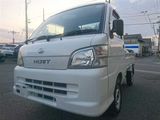
Ref# UW-6a0e683c7b31c
YAMAKATSU CO.,LTD
2012 Daihatsu Hijet Truck S201P
- Mileage
- 49,267 km
- Year
- 2012/9
- Engine
- 660cc
- Trans.
- Automatic
FOBPrice$3,829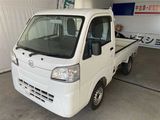
Ref# UW-6a0e683d22bf7
YAMAKATSU CO.,LTD
2014 Daihatsu Hijet Truck EBD-S510P
STD 4WD
- Mileage
- 37,037 km
- Year
- 2014/10
- Engine
- 660cc
- Trans.
- Manual
FOBPrice$4,694
Ref# UW-6a8bb7926eb88
MaccaLi inc
2002 Daihatsu Hijet Truck TE-S210P
Special Agricultural Pack
- Mileage
- 79,678 km
- Year
- 2002/4
- Engine
- 659cc
- Trans.
- Manual
FOBPrice$2,419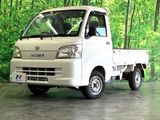
Ref# UW-mvd20t5uwudv
INSPIRE LLC
2006 Daihatsu Hijet Truck TE-S200P
Special
- Mileage
- 17,371 km
- Year
- 2006/3
- Engine
- 659cc
- Trans.
- Manual
FOBPrice$2,729
Ref# UW-6a4334864b1ff
INSPIRE LLC
2022 Daihatsu Hijet Truck 3BD-S500P
Standard (Non-Smart Assist Vehicle)
- Mileage
- 10,220 km
- Year
- 2022/9
- Engine
- 658cc
- Trans.
- Manual
FOBPrice$4,963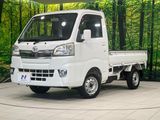
Ref# UW-6ab49660e4c7b
INSPIRE LLC
2015 Daihatsu Hijet Truck EBD-S510P
Extra
- Mileage
- 23,850 km
- Year
- 2015/1
- Engine
- 658cc
- Trans.
- Manual
FOBPrice$5,242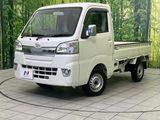
Ref# UW-mvbmbs88xfm6
INSPIRE LLC
2014 Daihatsu Hijet Truck EBD-S500P
Extra
- Mileage
- 22,938 km
- Year
- 2014/11
- Engine
- 658cc
- Trans.
- Automatic
FOBPrice$5,273
Ref# UW-6a9f7eb9a6e9d
INSPIRE LLC
2022 Daihatsu Hijet Truck 3BD-S500P
Standard (Non-Smart Assist Vehicle)
- Mileage
- 12,352 km
- Year
- 2022/10
- Engine
- 658cc
- Trans.
- CVT
FOBPrice$5,583
Ref# UW-6a9cdb8438685
INSPIRE LLC
2016 Daihatsu Hijet Truck EBD-S510P
Standard Agricultural Special
- Mileage
- 53,970 km
- Year
- 2016/5
- Engine
- 658cc
- Trans.
- Manual
FOBPrice$5,707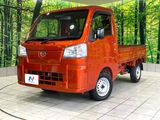
Ref# UW-munc4kxtfv0d
INSPIRE LLC
2023 Daihatsu Hijet Truck 3BD-S500P
Standard
- Mileage
- 9,640 km
- Year
- 2023/10
- Engine
- 658cc
- Trans.
- CVT
FOBPrice$5,769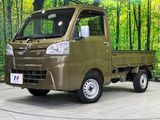
Ref# UW-mv5w2uibpsev
INSPIRE LLC
2015 Daihatsu Hijet Truck EBD-S510P
Standard
- Mileage
- 59,448 km
- Year
- 2015/3
- Engine
- 658cc
- Trans.
- Automatic
FOBPrice$6,204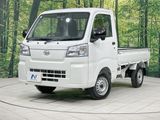
Ref# UW-mv5w2tseazpo
INSPIRE LLC
2023 Daihatsu Hijet Truck 3BD-S500P
Standard
- Mileage
- 442 km
- Year
- 2023/11
- Engine
- 658cc
- Trans.
- CVT
FOBPrice$6,390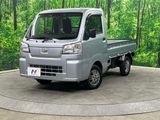
Ref# UW-mv06yrzgwam2
INSPIRE LLC
2023 Daihatsu Hijet Truck 3BD-S510P
Standard Agricultural Special
- Mileage
- 14,900 km
- Year
- 2023/1
- Engine
- 658cc
- Trans.
- Manual
FOBPrice$6,638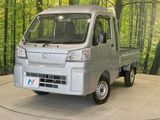
Ref# UW-6a7159f3422d0
INSPIRE LLC
2024 Daihatsu Hijet Truck 3BD-S500P
Jumbo Standard
- Mileage
- 2,190 km
- Year
- 2024/5
- Engine
- 658cc
- Trans.
- CVT
FOBPrice$6,824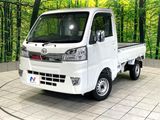
Ref# UW-muvwp1mtajxu
INSPIRE LLC
2020 Daihatsu Hijet Truck 3BD-S510P
Extra SAⅢt
- Mileage
- 14,550 km
- Year
- 2020/9
- Engine
- 658cc
- Trans.
- Automatic
FOBPrice$7,072
Ref# UW-muq75oqup4la
INSPIRE LLC
2022 Daihatsu Hijet Truck 3BD-S510P
Jumbo Extra
- Mileage
- 37,944 km
- Year
- 2022/2
- Engine
- 658cc
- Trans.
- Manual
FOBPrice$7,246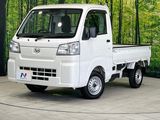
Ref# UW-6a8d0951bd31b
INSPIRE LLC
2022 Daihatsu Hijet Truck 3BD-S510P
Standard
- Mileage
- 6,680 km
- Year
- 2022/1
- Engine
- 658cc
- Trans.
- Manual
FOBPrice$7,631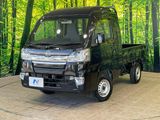
Ref# UW-mv31qqi8p6t0
INSPIRE LLC
2019 Daihatsu Hijet Truck EBD-S500P
Jumbo SAⅢt
- Mileage
- 9,820 km
- Year
- 2019/1
- Engine
- 658cc
- Trans.
- Automatic
FOBPrice$7,879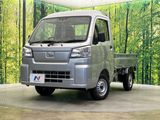
Ref# UW-6ab88b36ad853
INSPIRE LLC
2026 Daihatsu Hijet Truck 3BD-S500P
High Roof
- Mileage
- 15 km
- Year
- 2026/2
- Engine
- 658cc
- Trans.
- CVT
FOBPrice$7,879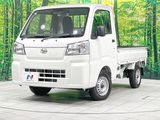
Ref# UW-muxbzhfbmwjp
INSPIRE LLC
2025 Daihatsu Hijet Truck 3BD-S510P
Standard
- Mileage
- 13,855 km
- Year
- 2025/3
- Engine
- 658cc
- Trans.
- CVT
FOBPrice$8,189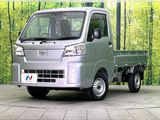
Ref# UW-muosezq2r3k7
INSPIRE LLC
2025 Daihatsu Hijet Truck 3BD-S510P
Standard Agricultural Special
- Mileage
- 19 km
- Year
- 2025/12
- Engine
- 658cc
- Trans.
- CVT
FOBPrice$8,189


Buying a Daihatsu Hijet mini truck in the USA
What decides whether a Hijet can be imported is the build date on the chassis plate, not the model year in the listing.
The 25-year rule, applied to the Hijet
A vehicle may be imported into the United States without FMVSS and EPA compliance once 25 years have passed from the month it was built. The Hijet has run through several chassis codes since 1990, so the earlier ones qualify today and the later ones become eligible month by month.
| Generation | Built | Status today | Listed |
|---|---|---|---|
| S80 / S81 / S82 / S83 | to 1994 | Eligible now | 0 |
| S100P / S110P | 1994–1999 | Eligible now | 9 |
| S200P / S210P and later | 1999 onwards | Eligible if built in or before September 2001 Eligible soon for the following 12 months | 34 |
| Other / chassis code not identified | — | Check the build month on each listing | 65 |
Counts use the build month from the listing. Where it is missing, the first registration date in Japan is used instead, since a truck is always built before it is registered; trucks that cannot be confirmed either way are not counted. Always confirm the build date on the chassis plate with the seller before ordering.
Registration is decided by your state
Clearing customs and registering for road use are two separate questions. Federal eligibility is the 25-year rule above; whether a kei truck can be titled, plated and driven on public roads — and on which roads — is set by each state, and several states have changed their position in recent years. Check the reported status for your state
Getting it there
From purchase to a US port the sequence is: order → payment → export certificate and de-registration in Japan → booking → RoRo or container loading → B/L issued → arrival, customs entry and duty. Ocean freight, port charges, the customs broker and duty are on top of the FOB price shown in the listings. See the steps, documents and cost ranges
Freight and duty figures on the guide pages are reference ranges collected from recent shipments, not a quotation.
What buyers use a Daihatsu Hijet for
3.40 m long, 1.48 m wide, rated at 350 kg, and it turns inside about 3.8 m — the tightest of the five. That one number decides most of the jobs it is chosen for.
Greenhouses, nurseries and packing yards
Turns at the end of a row or inside a poly-tunnel where the other four need a shunt. In a confined yard that is the difference between a smooth day and a slow one.
Look for: 2WD is enough on sealed surfaces and costs less. 4WD only if the ground turns soft.
Dump and tipper work
Mulch, gravel, soil and green waste. Daihatsu built hydraulic dump bodies at the factory, so a Hijet dump is a proper installation rather than an aftermarket conversion.
Look for: A factory dump body (listed as dump or tipper). Test the ram and the pump before shipping — ask the seller.
Long days in the cab: the Jumbo
The Jumbo is the extended-cab version, with the bulkhead moved back for reclining seats and storage behind them. It trades a little bed length for a cab an adult can sit in all day.
Look for: Listed as Hijet Jumbo or Jumbo cab. Bed length is shorter, so check it against what you carry.
Warehouses, campuses and facilities
Fits through service doors and down aisles, carries the pallet a golf cart cannot, and an automatic makes it easy to hand between staff.
Look for: Automatic transmission, 2WD, and a clean bed. Hijet automatics are the easiest of the five to find.
Snow clearing and winter work
Light enough to work a driveway without tearing it up, and 4WD versions keep going where a 2WD pickup stops.
Look for: 4WD, a working heater and defroster, and a plough mount if you want one already fitted.
Mobile workshop and service truck
The bed choice extends to box and refrigerated bodies, so a Hijet can be a closed workshop or a cold-chain vehicle rather than a flatbed.
Look for: Box or reefer body. Compare the bed and body types
The Hijet’s own contribution is the turning circle and the body choice: the only one of the five where the factory offered this many shapes on the same chassis. See the job-to-specification matrix
Daihatsu Hijet kei truck: strengths and weak points

Yoshisuke MayumiFormer Editor-in-Chief,
Carsensor
Mayumi's POINT
Strengths
The Daihatsu Hijet truck has fought a long sales battle with the Carry. When the 1999 kei standards pushed its rivals to longer wheelbases one after another, Daihatsu deliberately kept the full cab and a short 1,900 mm wheelbase. It met the new crash standards while keeping what makes a kei truck useful in the first place: a long bed and a tight turning circle. It also gained the newly developed TOPAZ engine, rated at 48 PS in DOHC form. Like the Carry it has nothing exotic about it, but a wide range of specifications for everything from farm work to deliveries, backed by a strong sales and service network, were big advantages.
Weak points
Like the Carry, its engineering offers little for enthusiasts. A full cab and short wheelbase are a big plus on narrow farm roads and job sites, but they give up some ride comfort and straight-line stability at highway speeds to longer-wheelbase trucks. As a conventional cab-over with the engine under the front seats, it also passes more engine vibration and noise into the cab than the Acty or Sambar. The EF-series engines are tough, but older ones need age-appropriate maintenance — oil leaks, the water pump and the timing belt.
Daihatsu Hijet vs the other four kei trucks
The five mainstream kei trucks share the same regulated body size and the same 350 kg rating. What differs is the engine layout, how tightly they turn, what they cost and how easily they are found.
| Model | Engine layout | Output, standard | Turning circle | FOB guide | Listed |
|---|---|---|---|---|---|
| Honda Acty kei truck | Mid-engine, under the bed | approx. 46 PS | approx. 4.5 m | $2,200–3,500 | 58 |
| Suzuki Carry kei truck | Under the seat | approx. 50 PS | approx. 4.1 m | $1,800–2,800 | 77 |
| Daihatsu Hijet this page | Under the seat | approx. 45–48 PS | approx. 3.8 m | $1,700–2,700 | 108 |
| Subaru Sambar kei truck | Rear engine | approx. 46 PS | largest in class | $2,300–3,800 | 33 |
| Mitsubishi Minicab kei truck | Under the seat | approx. 48 PS | approx. 4.0–4.4 m | $1,500–2,500 | 33 |
Where the Hijet sits: it turns about 0.7 m tighter than an Acty and about 0.3 m tighter than a Carry, and no other model in the class offers this range of factory bodies — dump, box, refrigerated, and the Jumbo extended cab. Automatics are also easiest to find on this chassis. What it lacks is name recognition in the US: buyers ask for an Acty by name far more often, which is part of why the Hijet is cheaper to buy. Read the full five-model comparison
FOB guides assume a standard body in ordinary condition. Dump beds, supercharged versions and custom builds sit outside them. Reference ranges, not a quotation.
Daihatsu Hijet truck FAQ
Questions specific to this model. Cost, shipping and state rules are covered on the guide pages.
Yes, and it is the easiest of the five to find with an automatic gearbox — the search term itself is one of the most common on this model. An automatic makes sense where several people share the truck, or where the work is stop-start around a yard. A 5-speed manual is still the more common listing and usually costs less. Filter the listings above by transmission.
The Jumbo is the extended-cab version of the Hijet truck. The bulkhead is moved rearward so the seats recline and there is storage space behind them — the bed is correspondingly shorter. Buyers who spend hours in the cab, or who need to keep tools dry and out of the bed, look for it specifically. It commands a premium over a standard cab.
Any Hijet built 25 or more years ago — today that means built in or before September 2001. The S80/S83 and S100P/S110P generations are eligible outright, and the S200P/S210P range becomes eligible month by month as each build date passes 25 years. Eligibility is counted from the build month on the chassis plate, not from the model year.
Hijet trucks listed on UCARWORLD sit mainly in the US$1,700–2,700 FOB band, with the current lowest at US$1,100. Dump bodies, Jumbo cabs and refrigerated boxes sit above that range. Ocean freight, port and terminal charges, the customs broker, ISF and duty are on top. See the full cost breakdown
HiJet Truck Buying Guide

The Daihatsu Hijet Truck is a standout in Japan for its "working mini truck" function, shoulder-to-shoulder with the Suzuki Carry. Perfectly poised to effortlessly navigate tight alleyways and fields, it boasts easy utility with a low floor and three-way open loading bed, combined with high durability. There's an extensive import history not only for domestic business use, but also in right-hand drive nations and those with a 25-year rule. Particularly the 8th generation (1994-1999) and 9th generation (1999-2014) models are abundant in the second-hand market, making parts and maintenance information readily available, adding to their charm. This article aims to thoughtfully explain the "attractions, disadvantages, rivals, and main specifications" of each generation, even for our overseas readers.
The 8th Generation Daihatsu Hijet Truck (S100P/S110P, 1994–1999) - The ultimate form of the old standard period.

The Charm of the 8th Generation Hijet Truck
Design prioritizing load capacity and durability
The eighth generation is a practical and straight-forward vehicle, boasting optimal size adhering to the older kei car regulations (overall length 3,295mm x overall width 1,395mm), a three-way opening, low-bed cargo area, and sturdy leaf rear suspension. Its engine primarily features a 0.66L inline 3-cylinder engine (EF series, NA), tuned for emphasis on low and mid-speed torque. There are options for a 5-speed MT (or 4MT depending on region), a 3-speed AT, 2WD (FR) or part-time 4WD, with additional options like auxiliary reduction gears or differential locks for agricultural grades. This vehicle's light body, low cargo area, and wide field of vision allow it to excel in daily loading and unloading tasks and short-distance stop-and-go operations. Its high maintainability and abundance of parts make it easy to maintain it even overseas, a great advantage.
Drawbacks of the 8th Generation Hijet Truck
High-speed stability and safety features are "up to the times".
Due to its cab-over design and short wheelbase, the vehicle's straight-line stability on highways and sound insulation may be inferior compared to current models. Safety features such as ABS and airbags are limited, and it's a fact that it tends to cause fatigue when used mainly for long-distance cruising. The cabin, due to its old-style size, is tight and those with tall stature might find a lack of adjustment range in the driving position. Its collision safety is also inferior to the next-generation models. The expected fuel economy ranges around 14-17 km/L under the 10-15 mode (varies by spec) which is not as efficient as the current generation. It is wise to clearly define the use upon purchase and emphasise on checking the suspension, brakes, tires, and rustproofing condition.
Rivals of the 8th generation Hijet truck
Suzuki Carry / Honda Acty / Subaru Sambar
The mini truck market at that time was crowded with strong competitors. The Carry was attractive for its volume of distribution and low cost of parts, the Acty had an edge in traction during loading due to its MR layout, and the Sambar was known for its tenacity in off-road starts due to its RR layout. The 8th generation Hijet occupies an easily approachable position even for those choosing their first mini truck, with its overall balance, quantity, and steadfast durability. If you are primarily off-road, then the combination of 4WD + sub-transmission is recommended, while the nimbleness of 2WD + 5MT (or 3AT) is pleasing if you drive mostly in the city. The easy accessibility of parts supports the maintenance cost.
Specifications of the 8th Generation Hijet Truck
Size: Total length 3,295mm × Total width 1,395mm × Total height approximately 1,700–1,800mm Wheelbase: Approximately 1,900mm Vehicle weight: Approximately 650–730kg (varies by specifications) Engine: 0.66L Inline 3-cylinder (EF series/NA) Transmission: 4MT/5MT/3AT Drive system: FR (2WD), Part-time 4WD (with sub-transmission & diff-lock settings) Suspension: Front struts/Rear leaf Fuel efficiency reference (10・15 mode): Approximately 14–17km/L (varies by specifications and model year)
9th Generation Hijet Truck (S200P/S210P/S201P/S211P, etc., 1999-2014) - Enlarged with new standards, refined with continuous improvements, enhancing the "tool-like" feel.

The Appeal of the 9th Generation Hijet Truck
New standard body and accumulated improvements (Enhanced quietness and durability due to KF series engine implementation)
The 1999 full model change was made in response to the new Kei car standards (total length of 3,395mm x total width of 1,475mm), enhancing the practicality of the interior and cargo bed. Initially, the model focused on a 0.66L straight-three engine (EF series, NA), later switching to the quieter, more fuel-efficient, and durable chain-driven KF series. The transmission includes a 5-speed manual and an automatic, with the drive modes being FR and part-time 4WD. Frequent optimizations have been made to the minimal turning radius, rust prevention, and cargo bed features (such as the height and position of hooks), improving usability over its long model life. There are additional options such as sub-transmission and differential lock for agricultural uses, high roofs, and "Jumbo" (extended rear seat cabins), making it easy to tailor the vehicle to specific tasks.
Drawbacks of the 9th Generation Hijet Truck
The evolution of equipment is gradual - year and grade confirmation is a must.
The model life is long, so details such as the engine (EF→KF), automatic transmission (3AT→4AT), safety equipment (airbags, ABS), rust-proofing specifications, bed dimensions and equipment differ depending on the year and grade of the model. When buying used, always determine the "Year, model type, and equipment", and verify if it suits your needs. Even though high-speed stability and quietness have been improved, expecting the comfort of a passenger car is a mismatch due to the cab-over design. If you often travel long distances, it is realistic to aim for a "comfort equipment-focused model" with a larger cabin like a high roof or "jumbo", reduced rotation number of the 4AT, and added insulation materials.
Rivals of the 9th Generation Hijet Truck
Suzuki Carry / Mitsubishi Minicab / Honda Acty (Later model)
During the same period, the Hijet and the Carry both demonstrated their strength in product power and distribution volume. Both are orthodox in design and if practicality is a priority, one of these two should be your choice. At this time, the Minicab was still a unique design by Mitsubishi with plenty of 4WD options and bed options, and the Acty had the charm of road adherence unique to MR. The 9th generation Hijet established a comprehensive strength of being "quiet, durable, and easy to use" through continuous annual improvements and the transition to the KF series. It's available in large quantities and across a wide price range, so the biggest merit for overseas buyers is the ease of finding a model that fits their purpose and budget.
Specifications of the 9th Generation Hijet Truck
Size: Overall length 3,395mm x Overall width 1,475mm x Overall height approximately 1,750–1,900mm (Varies with high roof, etc.) Wheelbase: Approximately 1,900–1,905mm Vehicle Weight: Approximately 670–820kg (Varies with specifications) Engine: 0.66L Inline 3-cylinder (Initially: EF series/NA, later transitioned to KF series) Transmission: 5MT, AT (Initially 3AT → Later years 4AT) Drive Method: FR (2WD), Part-Time 4WD (With sub-transmission and differential lock) Grade Examples: Standard/High Roof/"Jumbo" (Extended Cabin), Agricultural special series Reference Fuel Economy (10-15 mode / varies with year and specifications): Approximately 15–20km/L