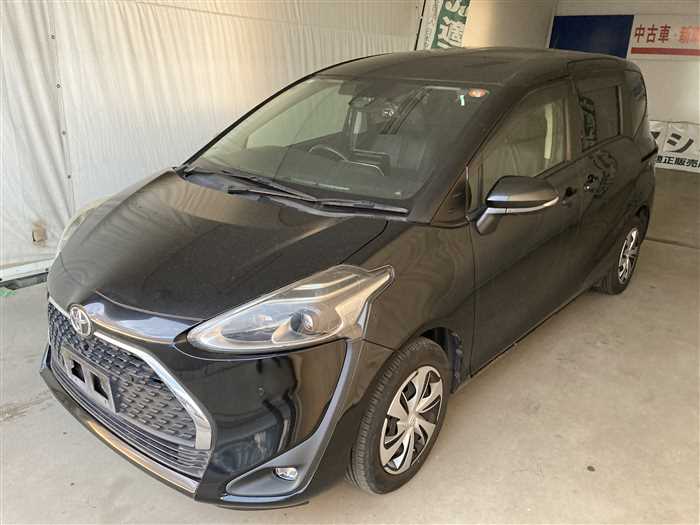
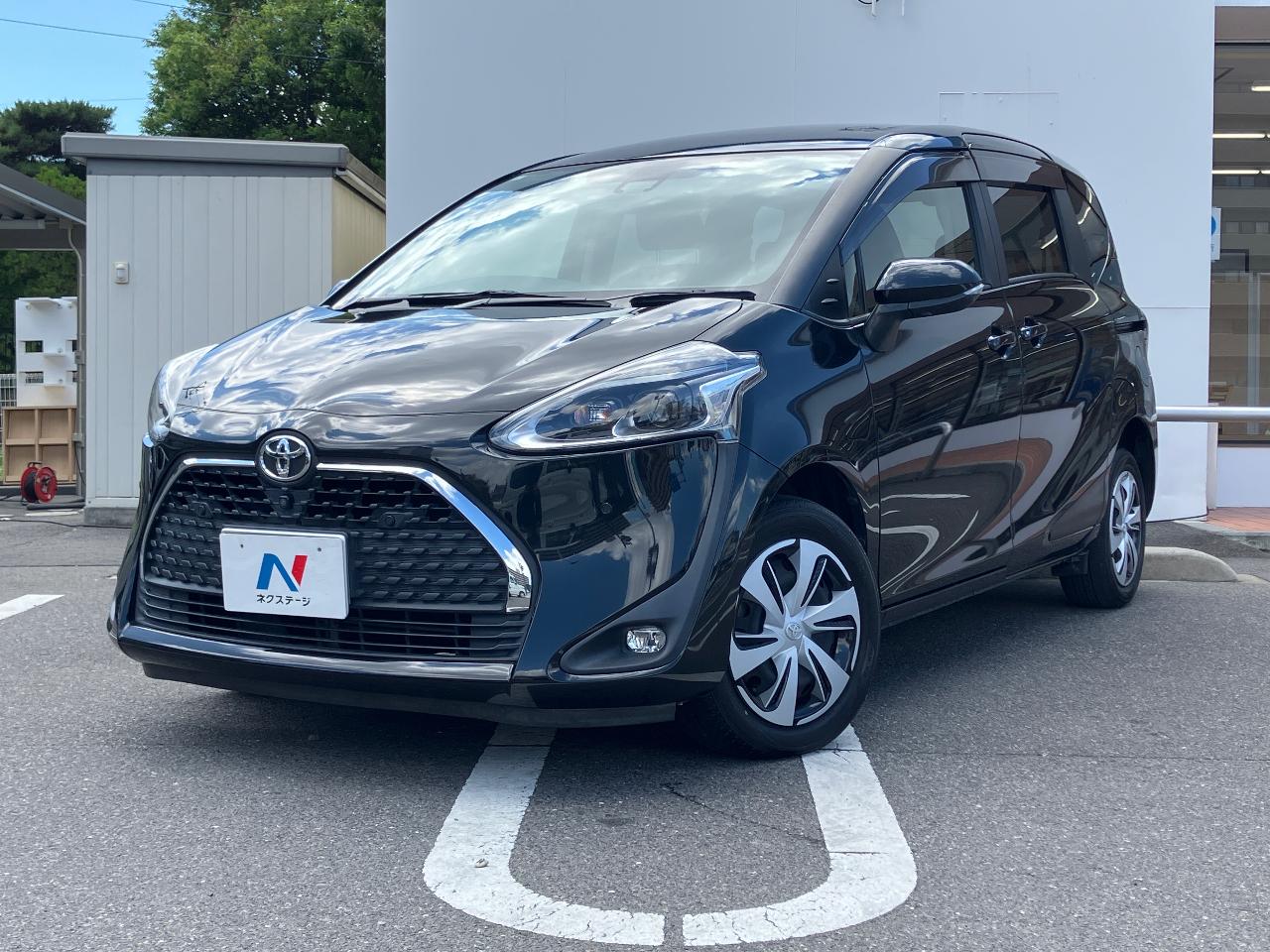
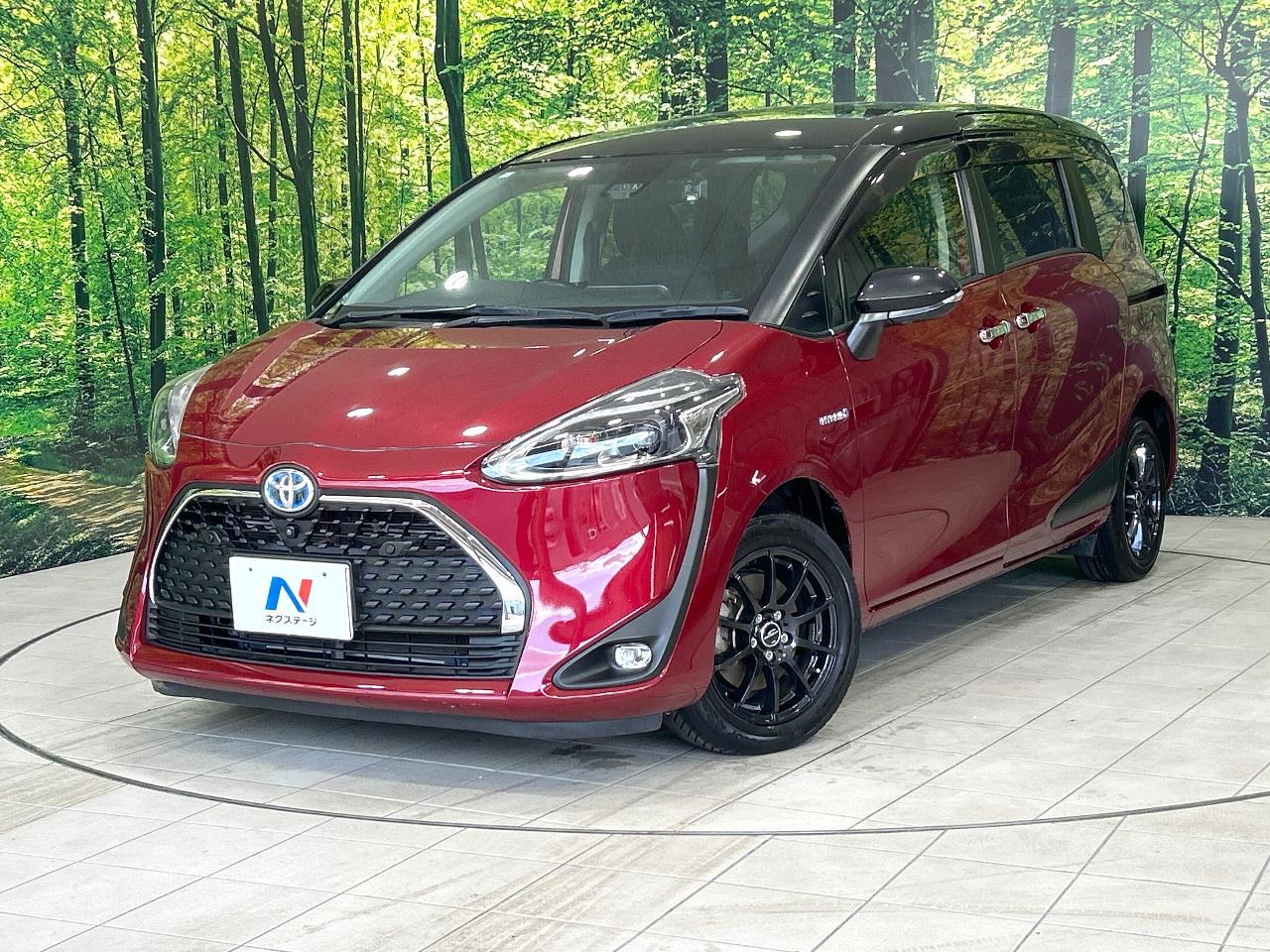
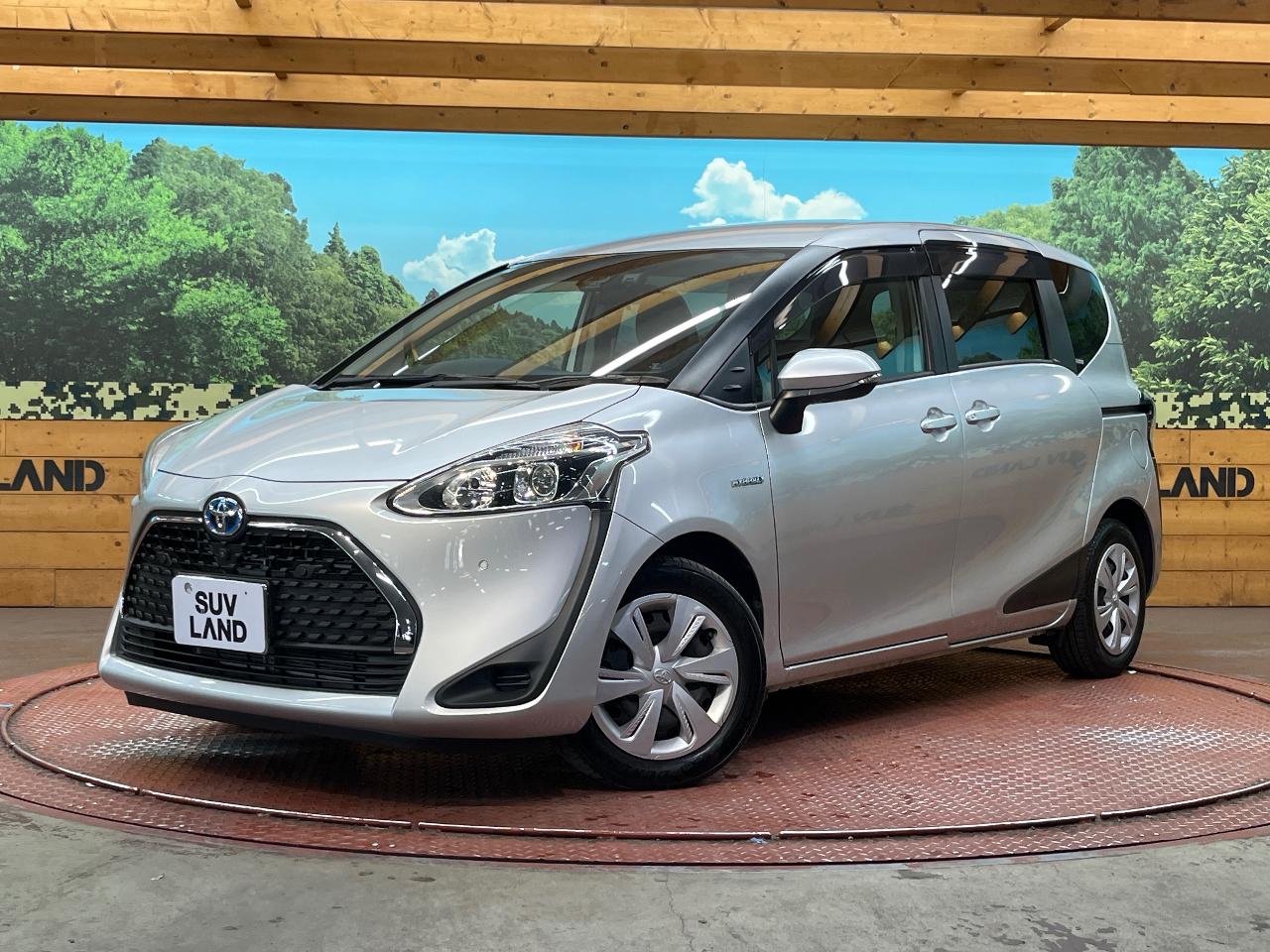
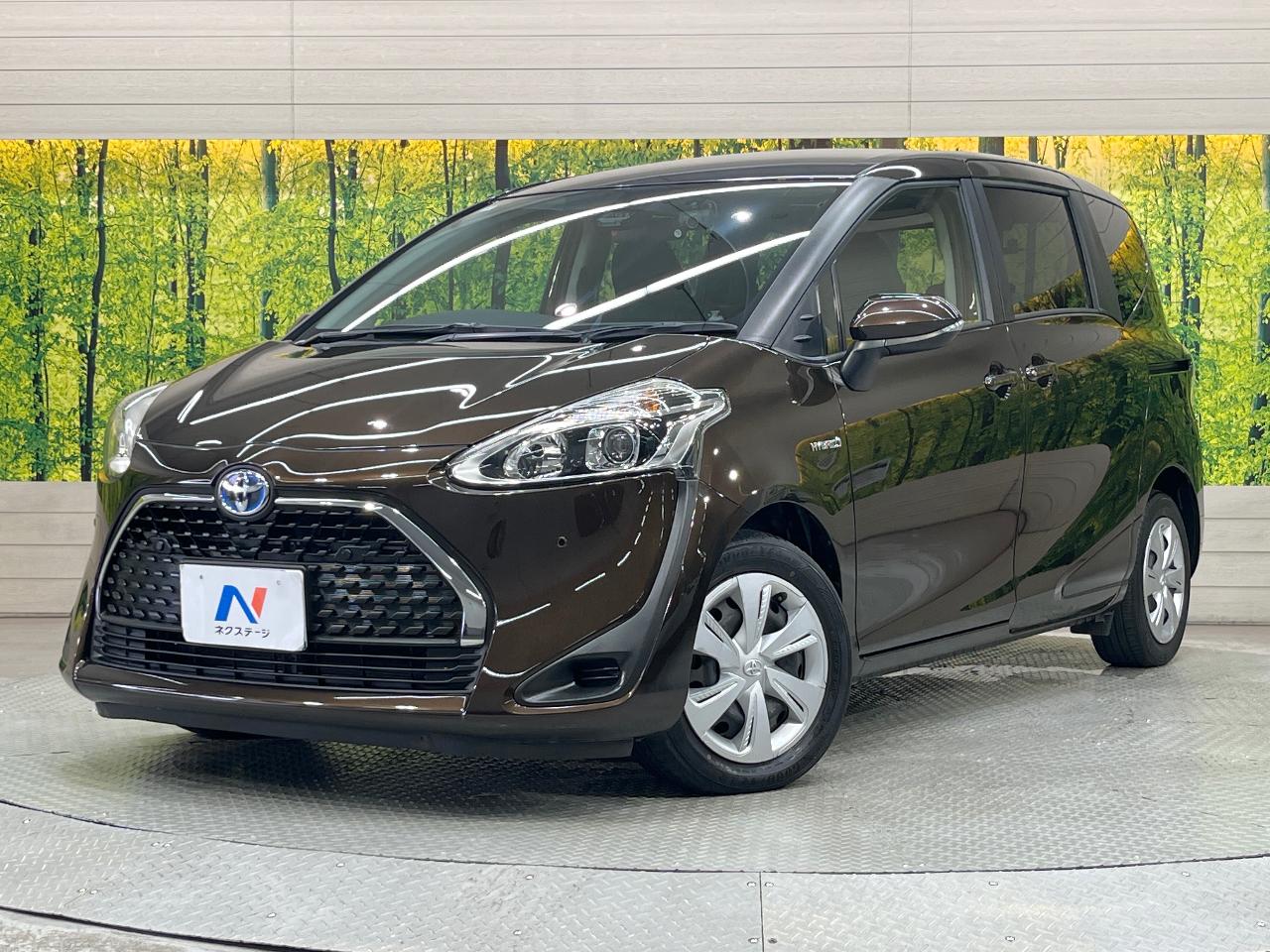
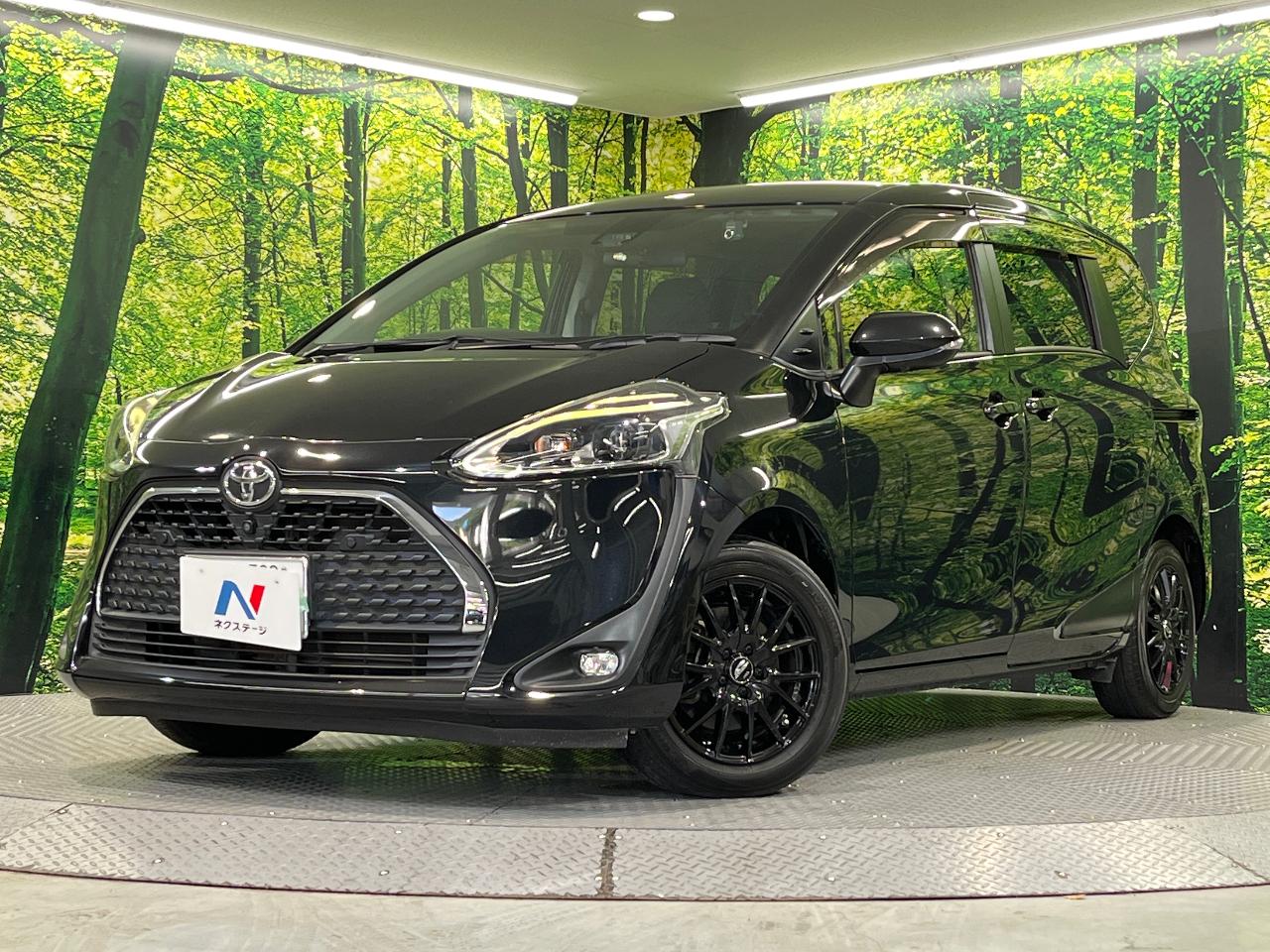
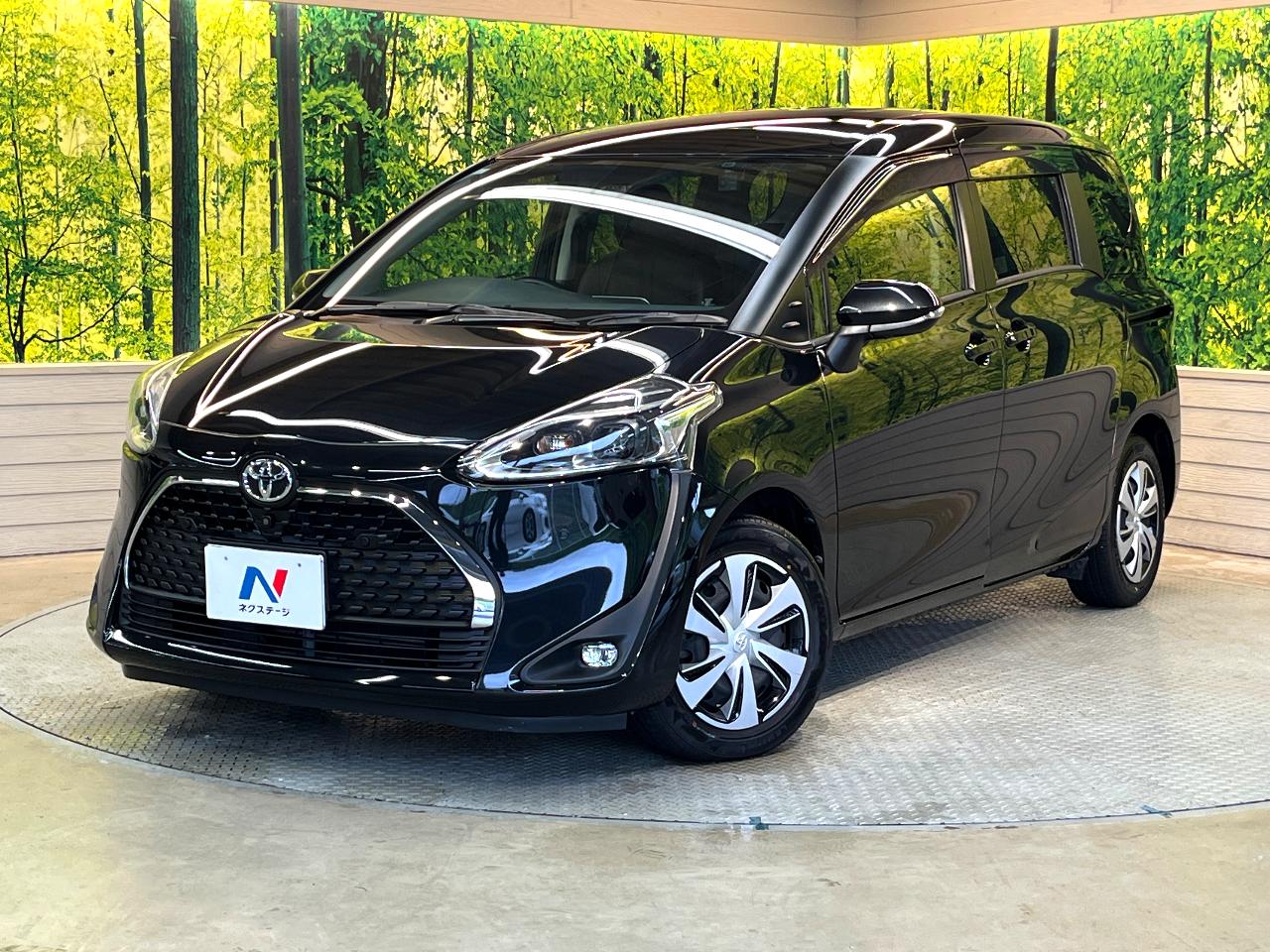
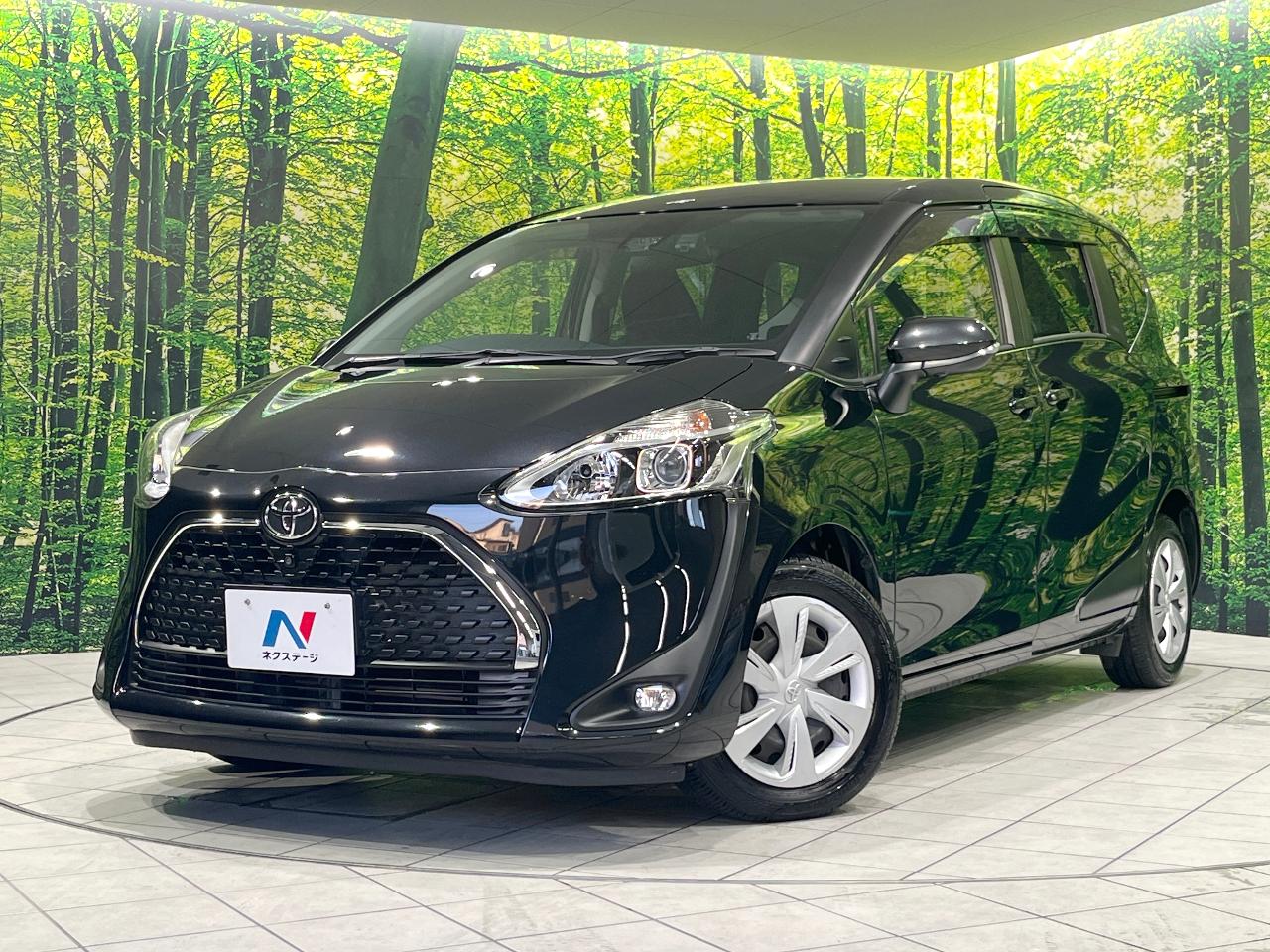
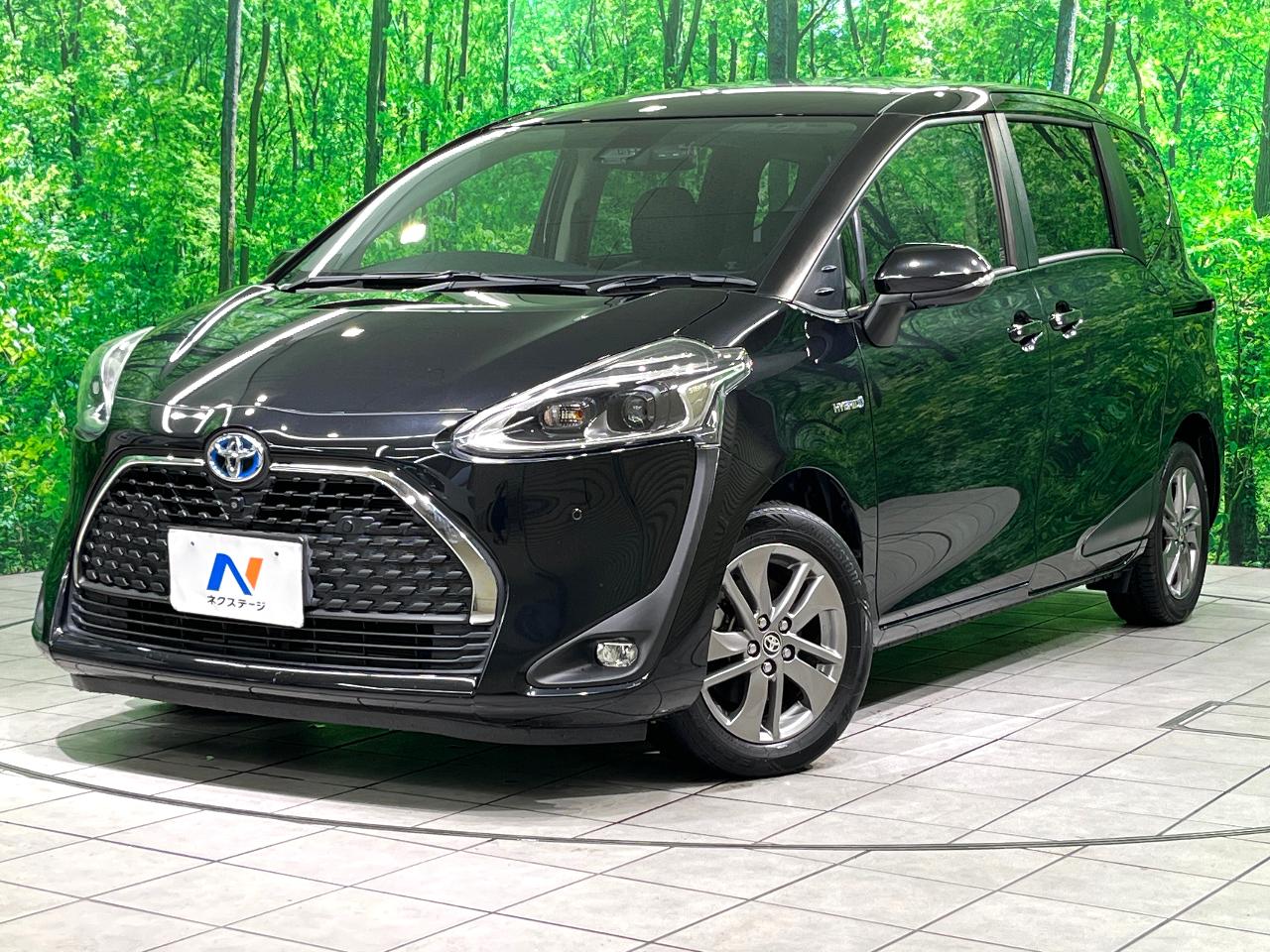
Used 2019 Toyota Sienta cars for sale
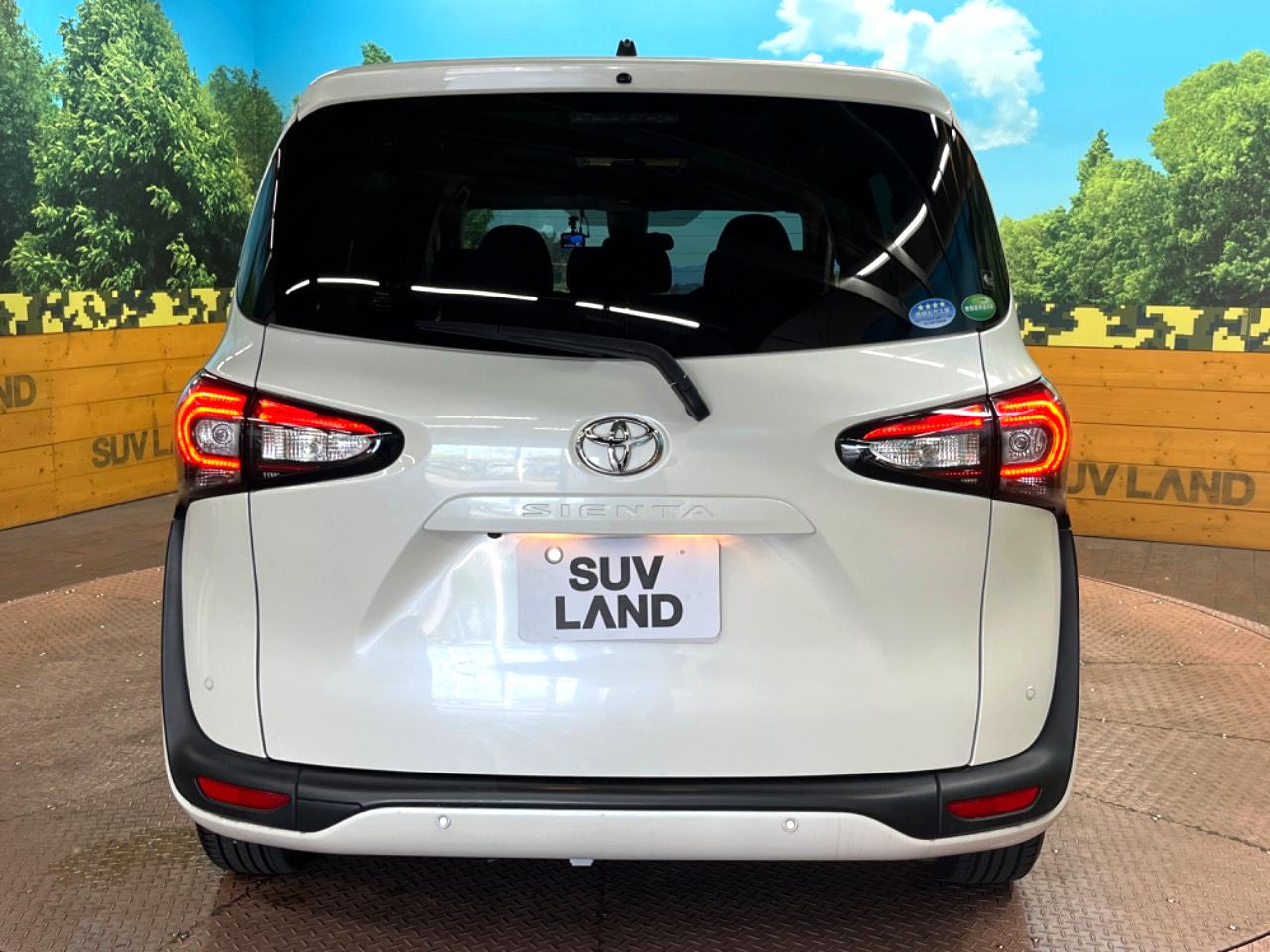
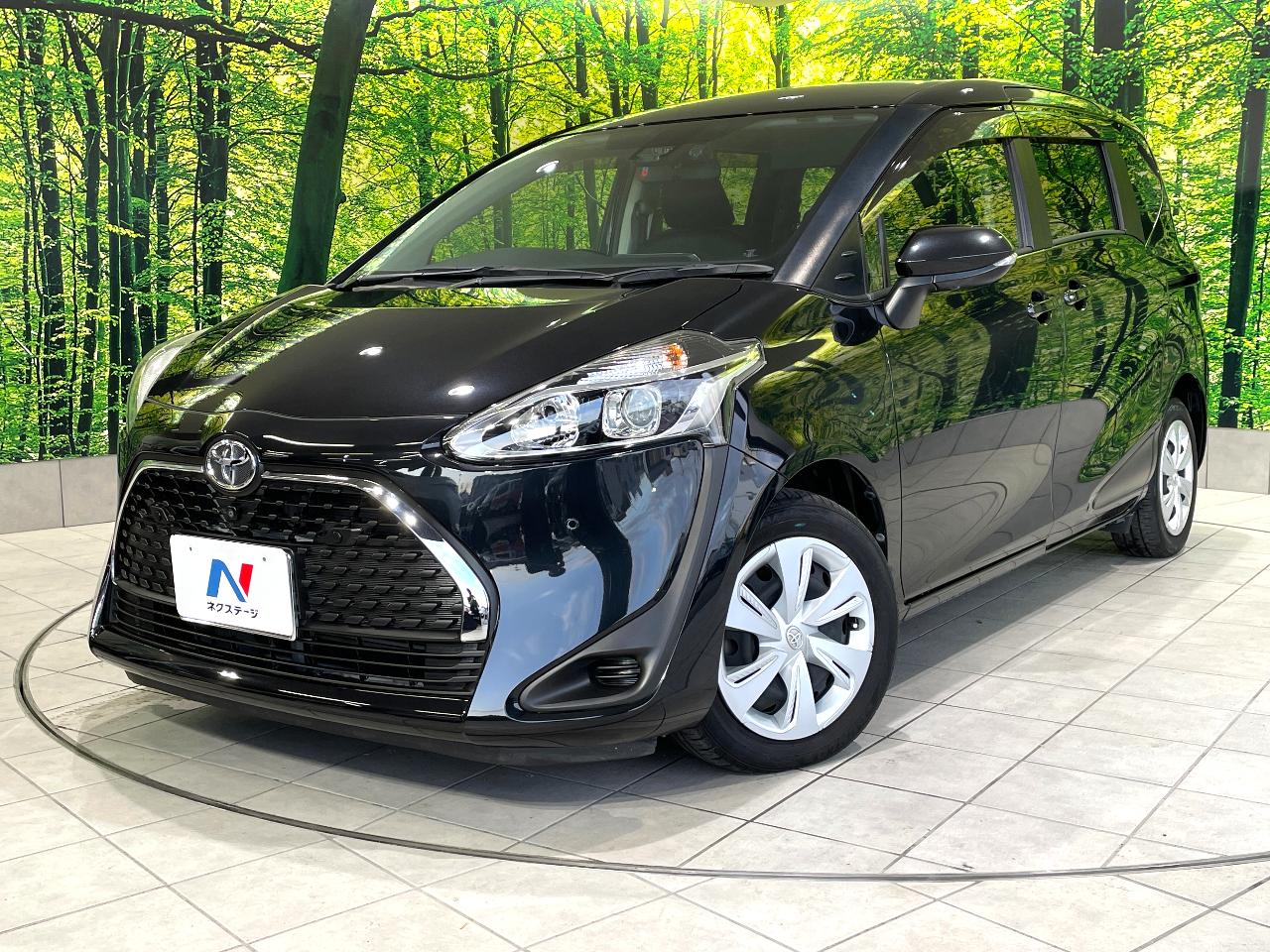
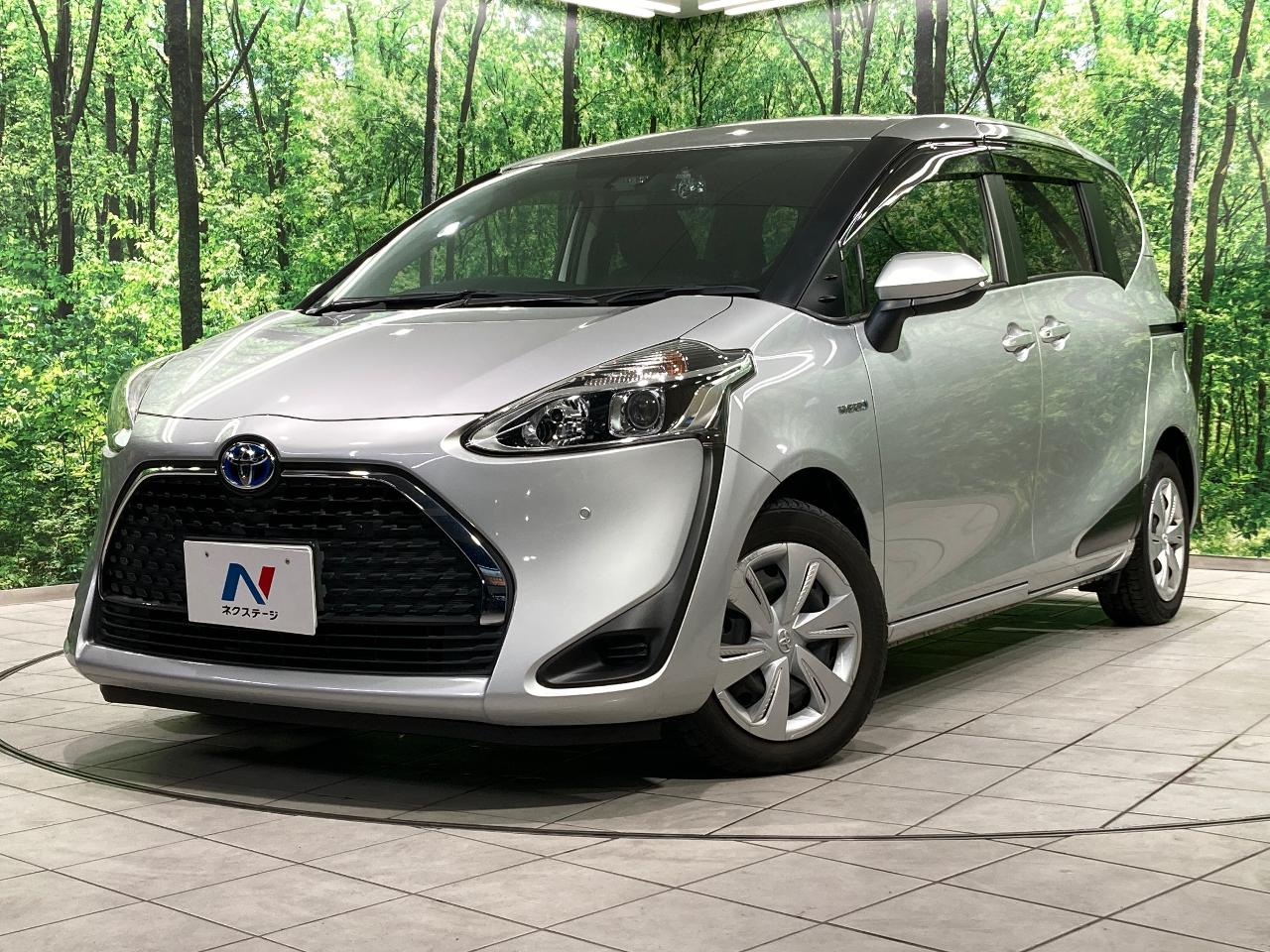
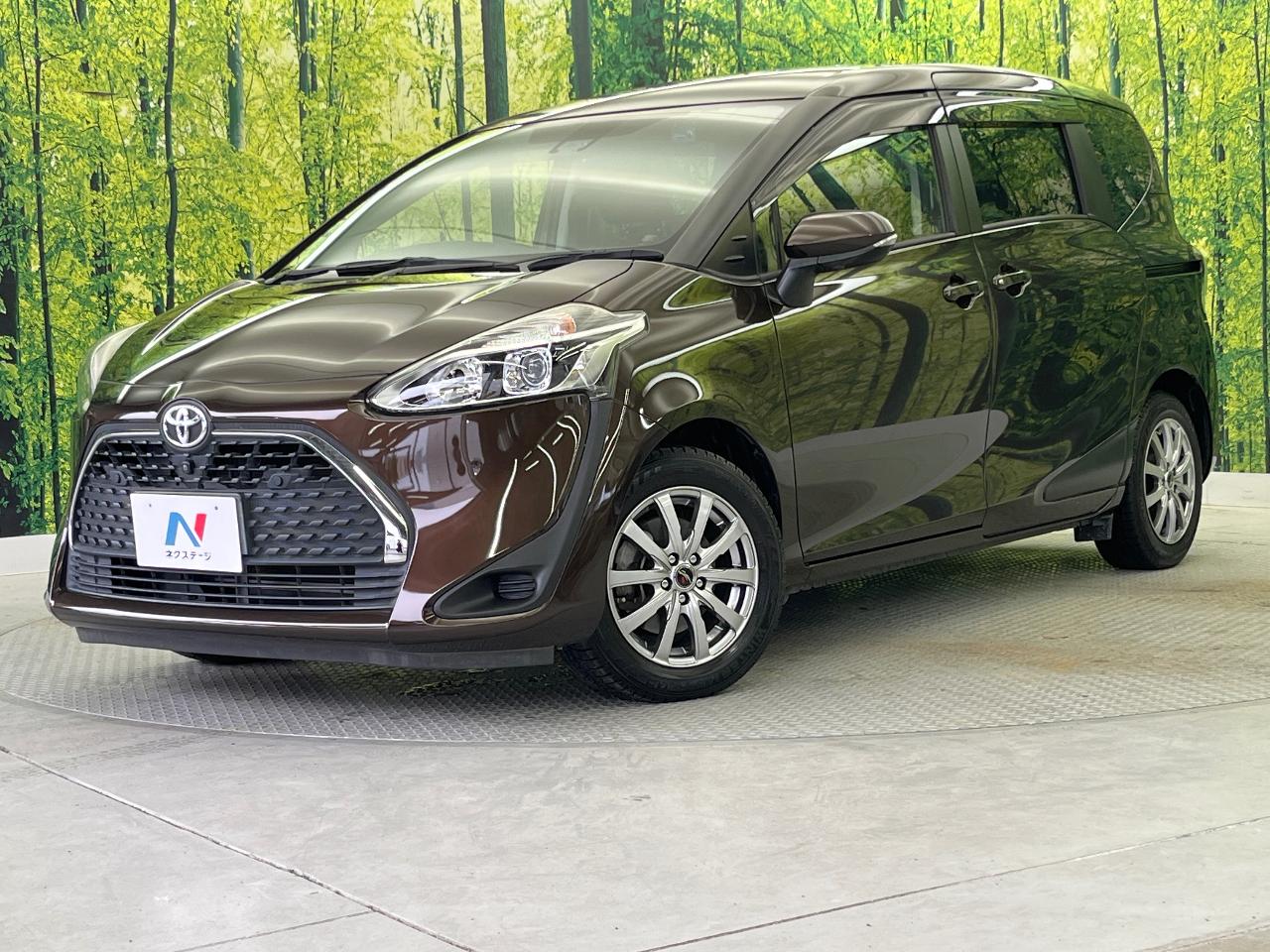
Sienta Buying Guide
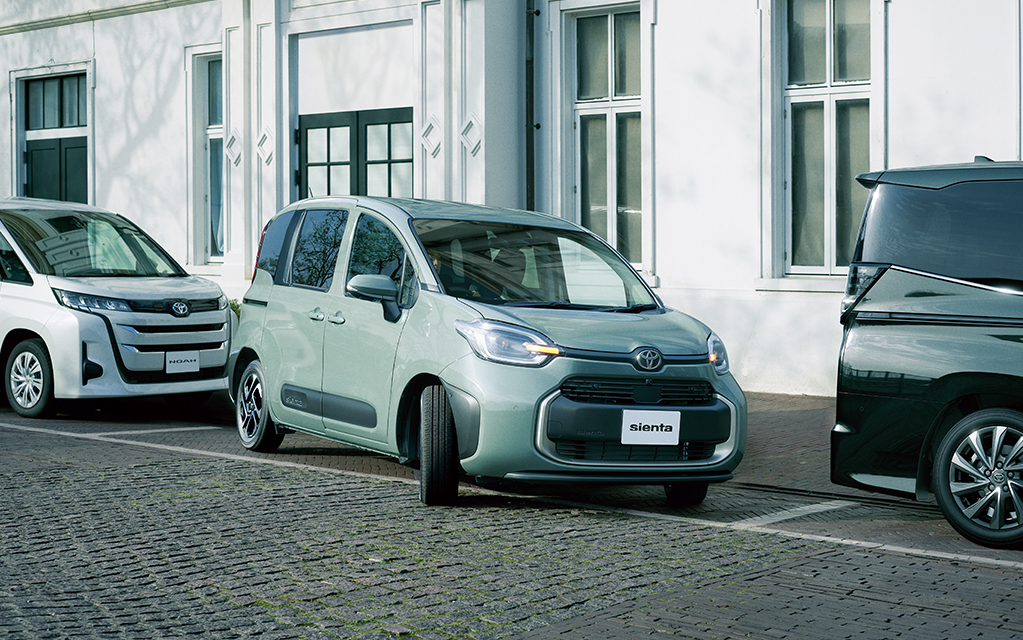
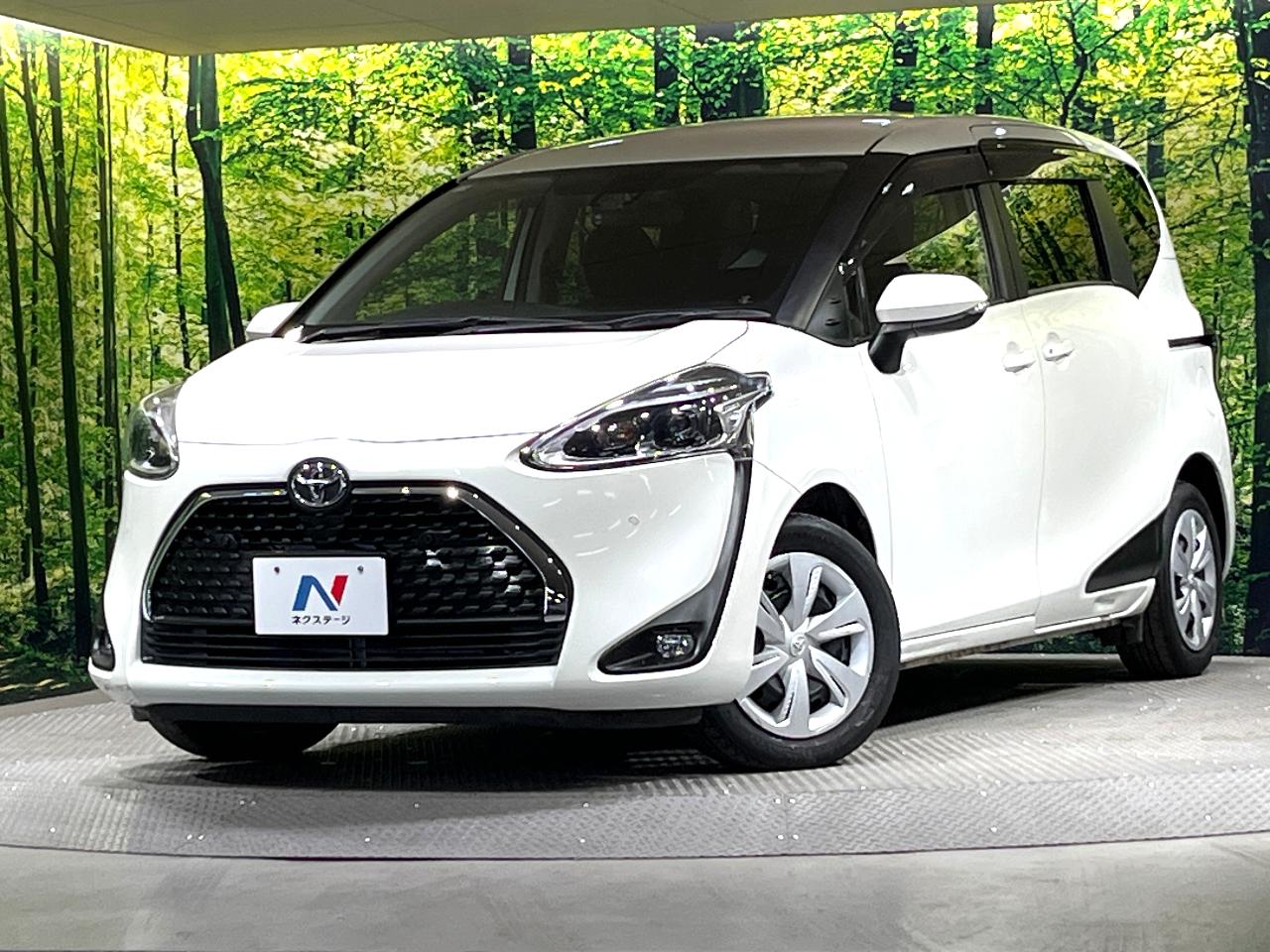
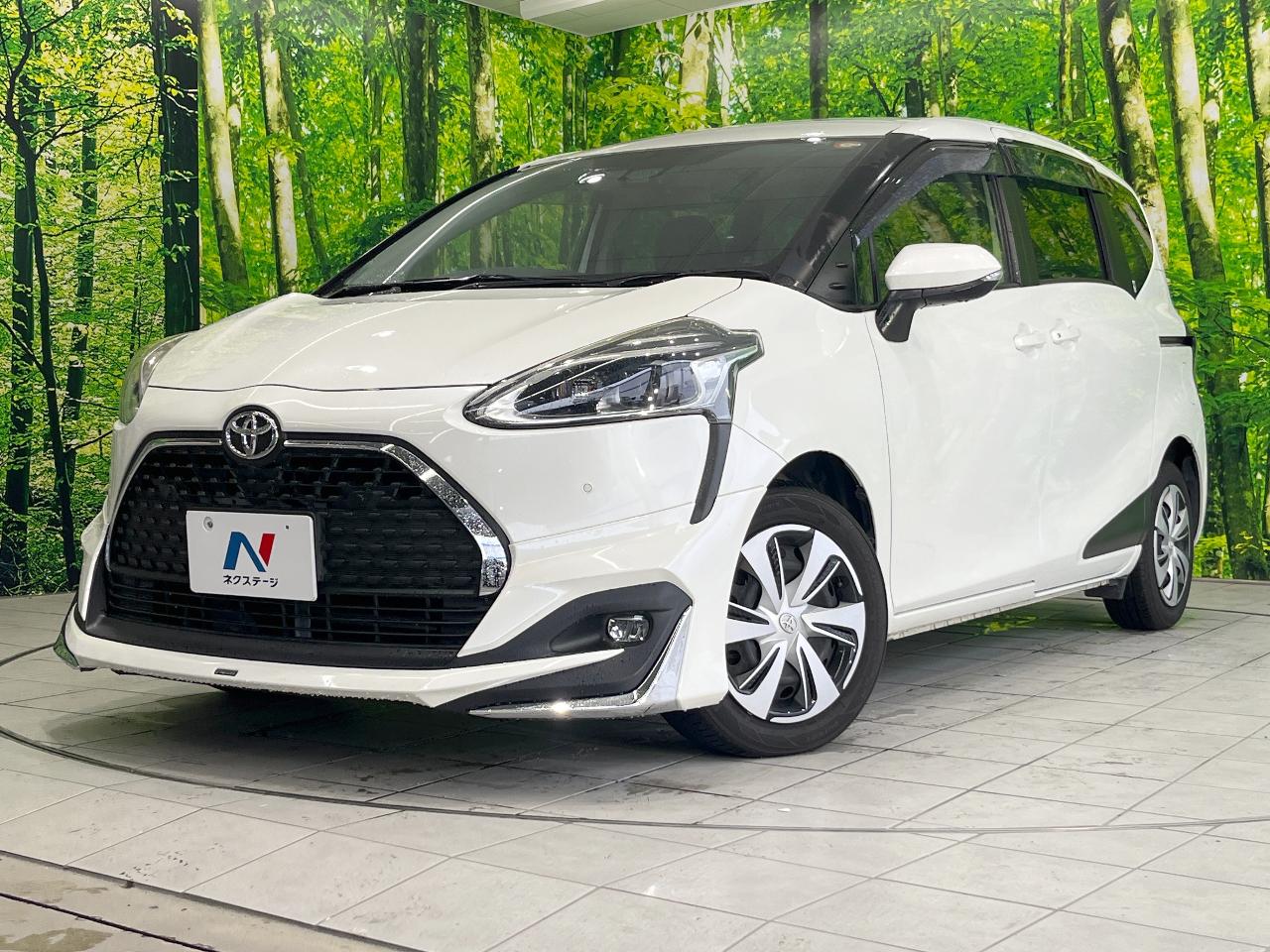
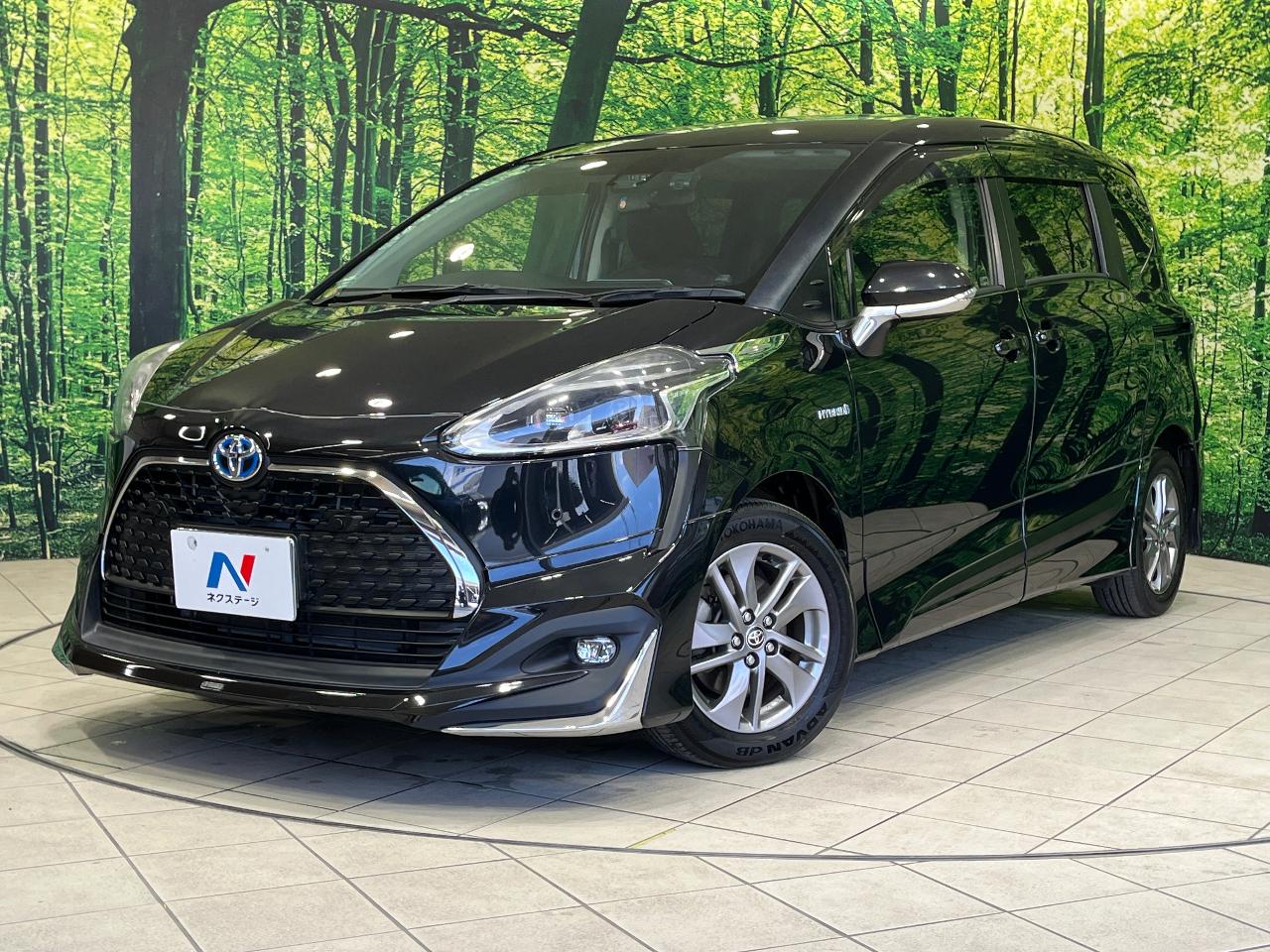
The Toyota Sienta, a compact minivan, appeared in 2003. The name is a combination of the Spanish word "siete" (7) and the English word "entertain", and its distinctive feature from the first generation is a package strongly conscious of sliding doors and 3-row seating. The first-generation XP80 is a practical vehicle that packs seven seats into a petite body, while the second-generation XP170 improved usability by lowering the floor and adding a hybrid variety. The third-generation MXP10 series further enhanced design, safety, and interior usability in a full model change in 2022. All engines (including hybrids) use the timing chain method, which is another reason for its global popularity due to lower maintenance costs.
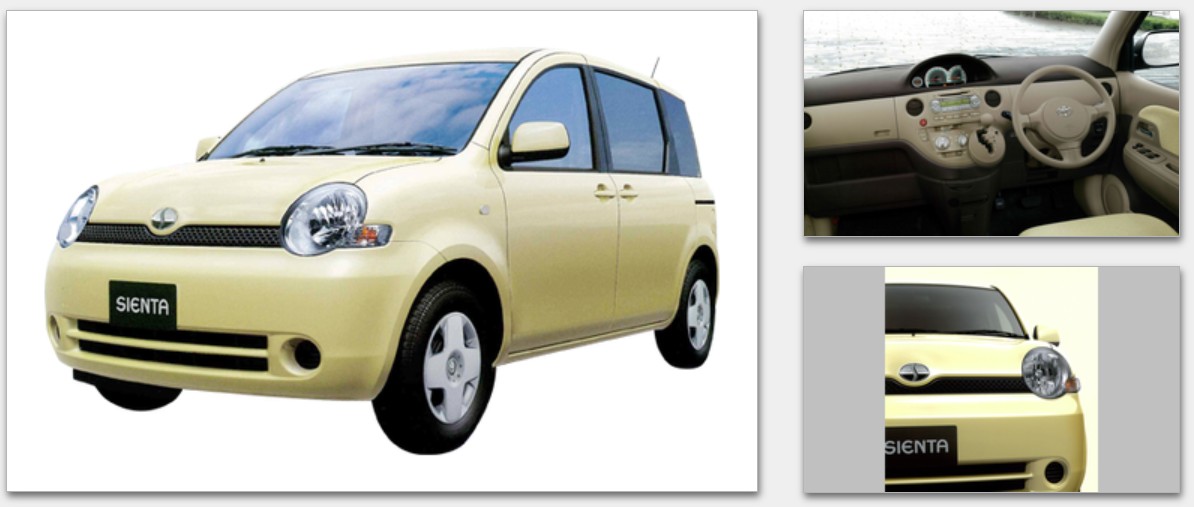
The Original Sienta (XP80, 2003-2015) - The pioneer compact minivan packed with a seven-seater in a small body.
The Charm of the First-generation Sienta
A highly efficient package that maintains a size 5 number while accommodating three rows of seats.
The first-generation Sienta is a groundbreaking model that managed to accommodate seven people in three rows while maintaining Japan's 5-number size (overall width 1,695mm). The 1.5L (1NZ-FE) engine it carries is one of Toyota's 'indestructible engines'. With a timing chain design, it is exceptionally durable, and spare parts are abundantly available even overseas. Although its sales ended once in 2010, the strong demand from the market led to the resumption (revival) of production with a minor change in 2011, a unique history. Its practicality is verified and well-known. A smooth CVT is adopted in the FF model, and a reliable 4-speed AT is used in the 4WD model, ensuring its trustworthiness even under harsh conditions.
Drawbacks of the first generation Sienta
The spaciousness and quietness of the third row is relative to compact car standards.
The first-generation Sienta excels in packaging efficiency, but there are limitations to the comfort of the third row. The space for legs and heads is quite small for adults to sit for an extended period, making it more realistic to consider it as "for children" or "for short distances". Also, since it was first launched in 2003, it may seem outdated in terms of noise reduction, crash safety, and driving assistance by modern standards. Although it has matured over its long sale period, the basic design's age cannot be denied. If you choose it as a used car, focus on checking the operation of the sliding door's electric mechanism, the oil management status of the 1NZ engine, and the effectiveness of the air conditioning due to aging.
The first generation Sienta's rival
Honda Mobilio/Freed Early Model
The primary competitors of the first-generation Sienta are the Honda Mobilio and its successor, the early model Freed. Both are uniquely Japanese family cars, compact in width yet featuring three rows of seats, and directly competed with each other. The Mobilio excels in interior height and visibility, while the Freed, as a successor, enhanced driving and quality. On the other hand, the first-generation Sienta boasts a friendly, rounded design, the stable mechanics typical for Toyota, and a large distribution volume. If considering as a used vehicle overseas, the Sienta has a significant advantage in terms of parts supply and repair know-how. Though the Mobilio/Freed may be higher rated in terms of seat arrangement, the first-generation Sienta is also a strong contender when it comes to overall ease of maintenance.
Specifications of the first generation Sienta
Size: Total length 4,100 - 4,120mm × Total width 1,695mm × Total height 1,670 - 1,680mm Engine: 1.5L inline 4-cylinder gasoline (1SZ-FE / 1NZ-FE) Transmission: Primarily CVT, some have 4AT with generational differences Drive system: 2WD, 4WD Seating capacity: 7 people Features: Double sliding doors, 5-number size, 3-row seating
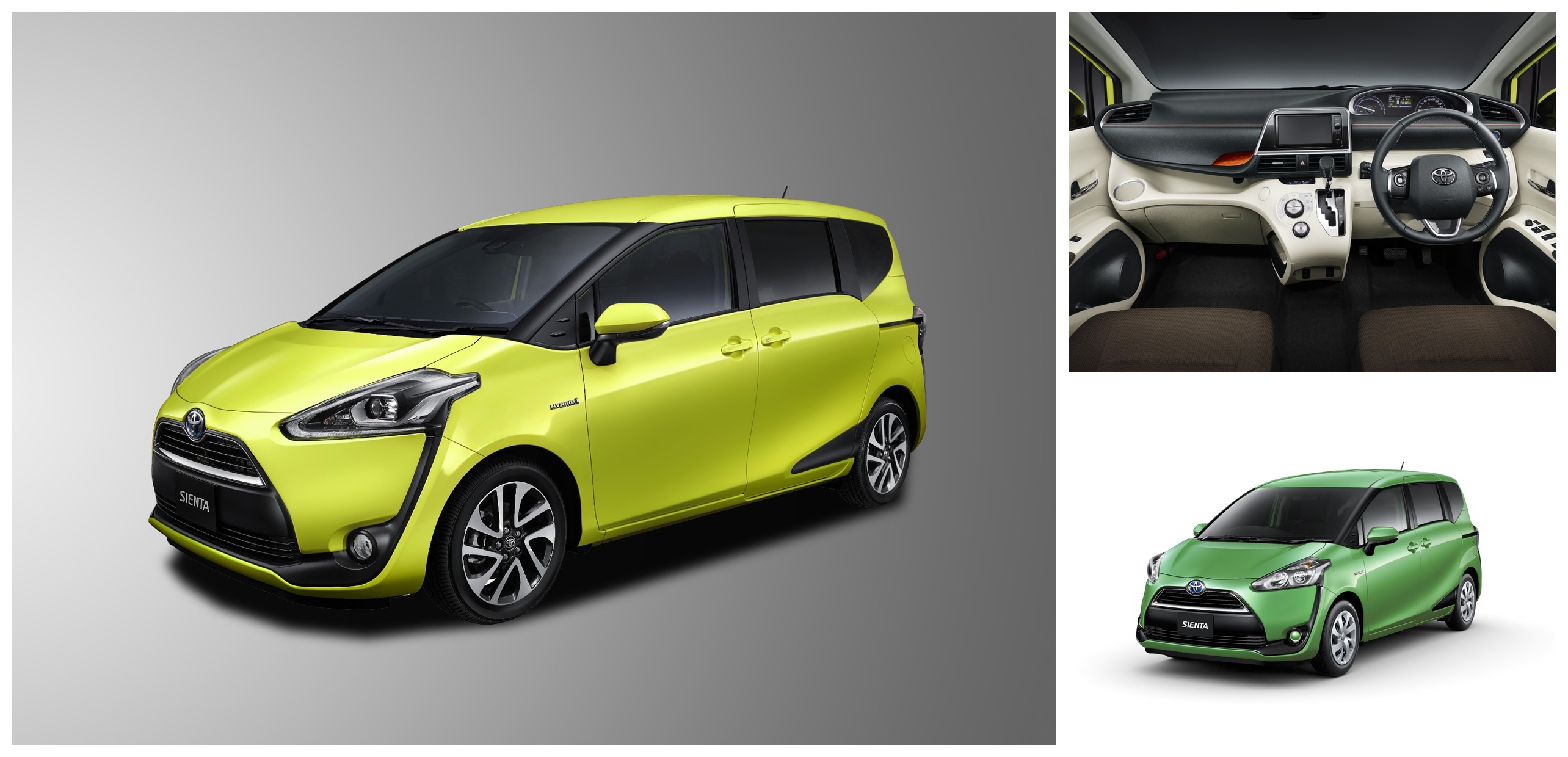
Second Generation Sienta (XP170, 2015–2022) - Lowered floor and hybrid technology enhance its maturity as a "family tool".
The Appeal of the Second Generation Sienta
Significant improvements in daily usability with the low-floor package and added hybrid system.
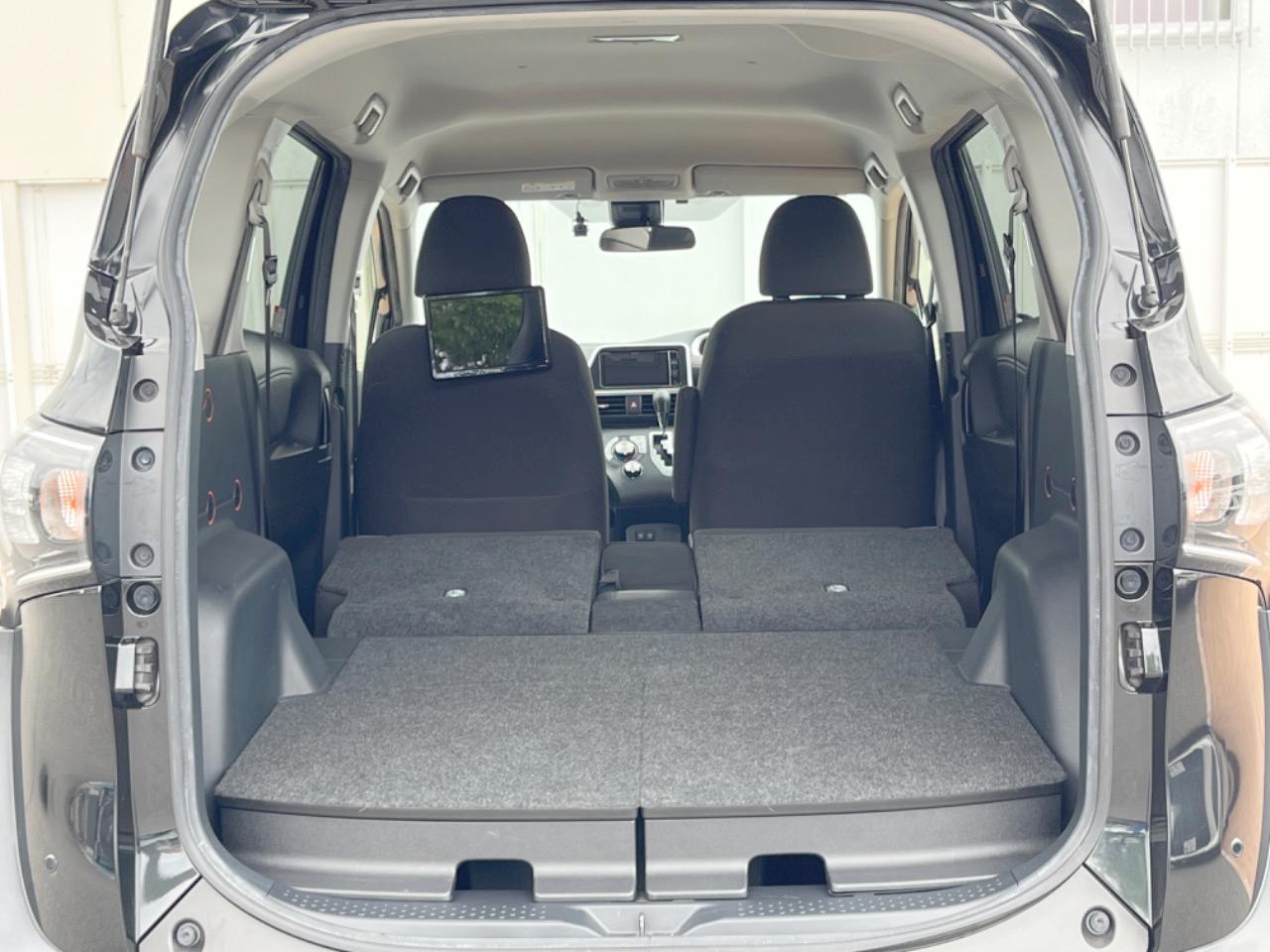
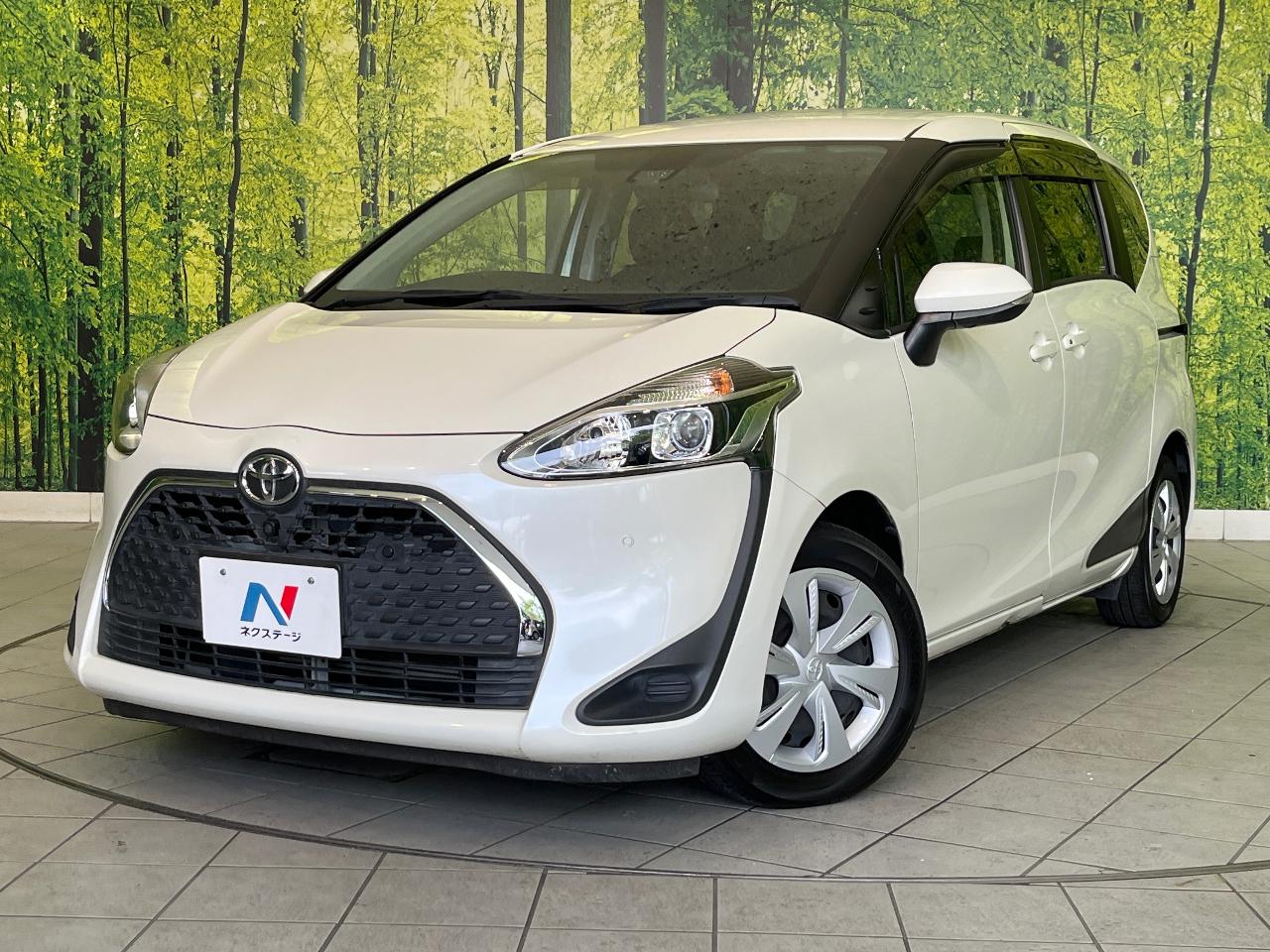
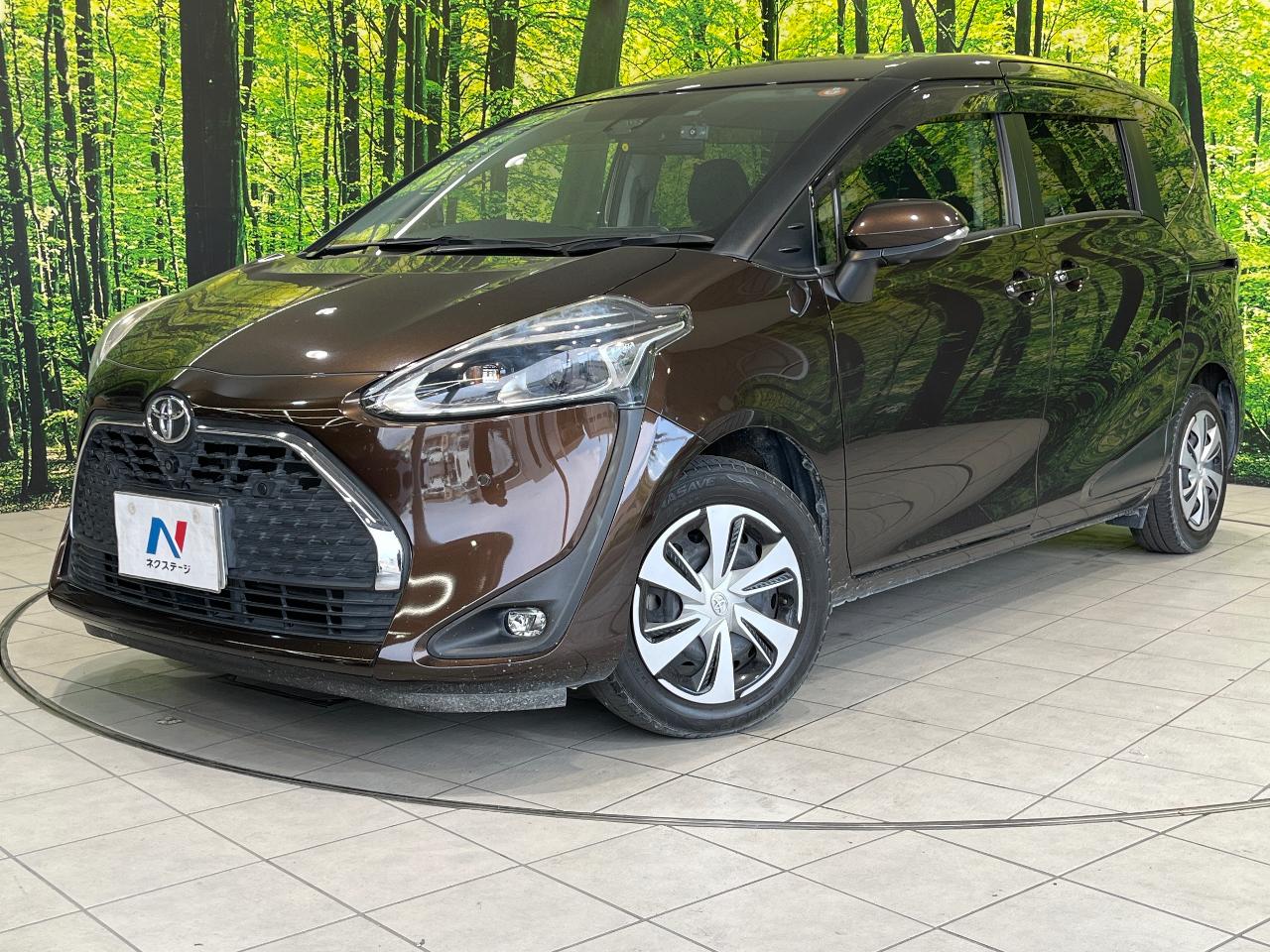
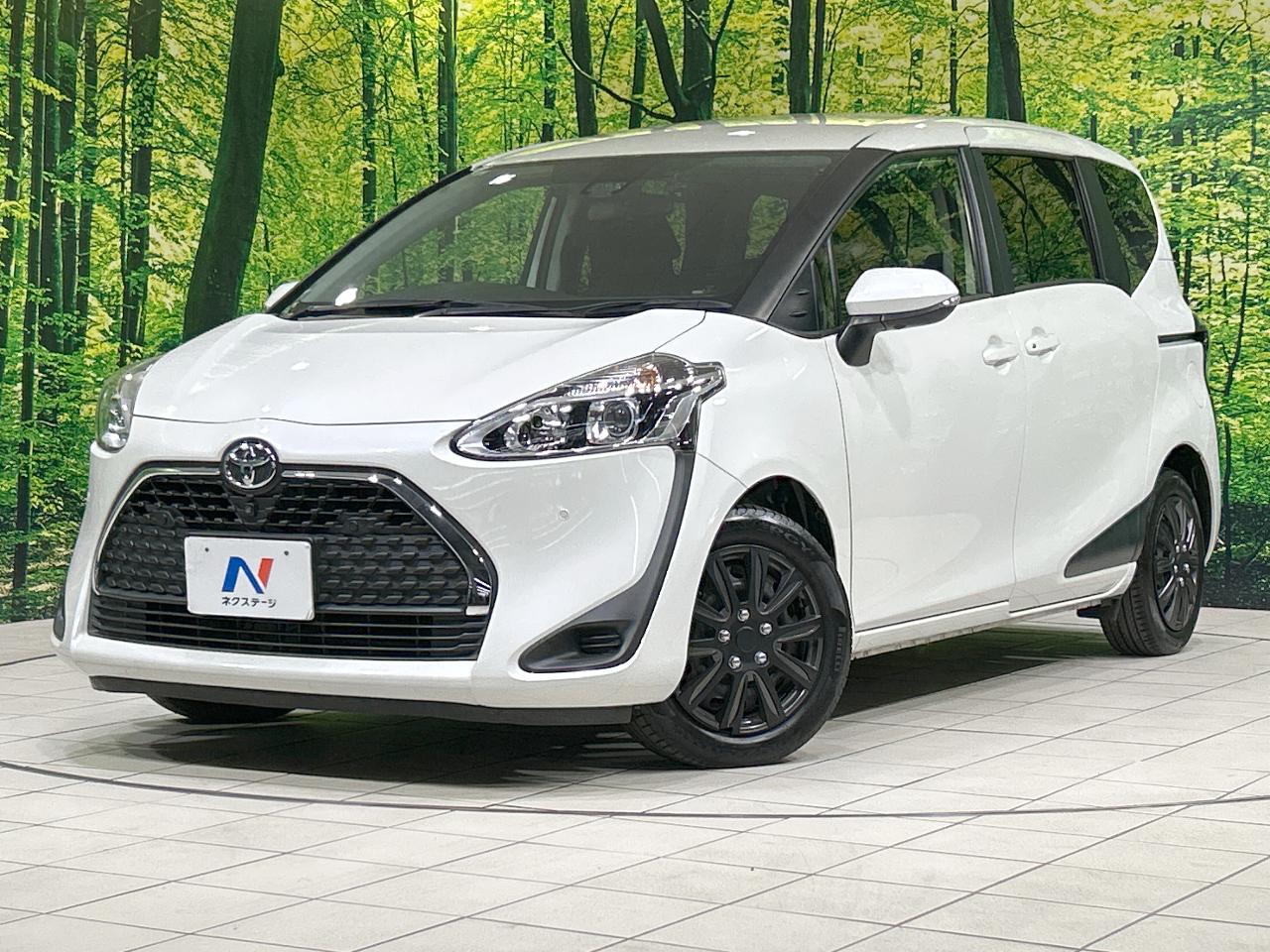
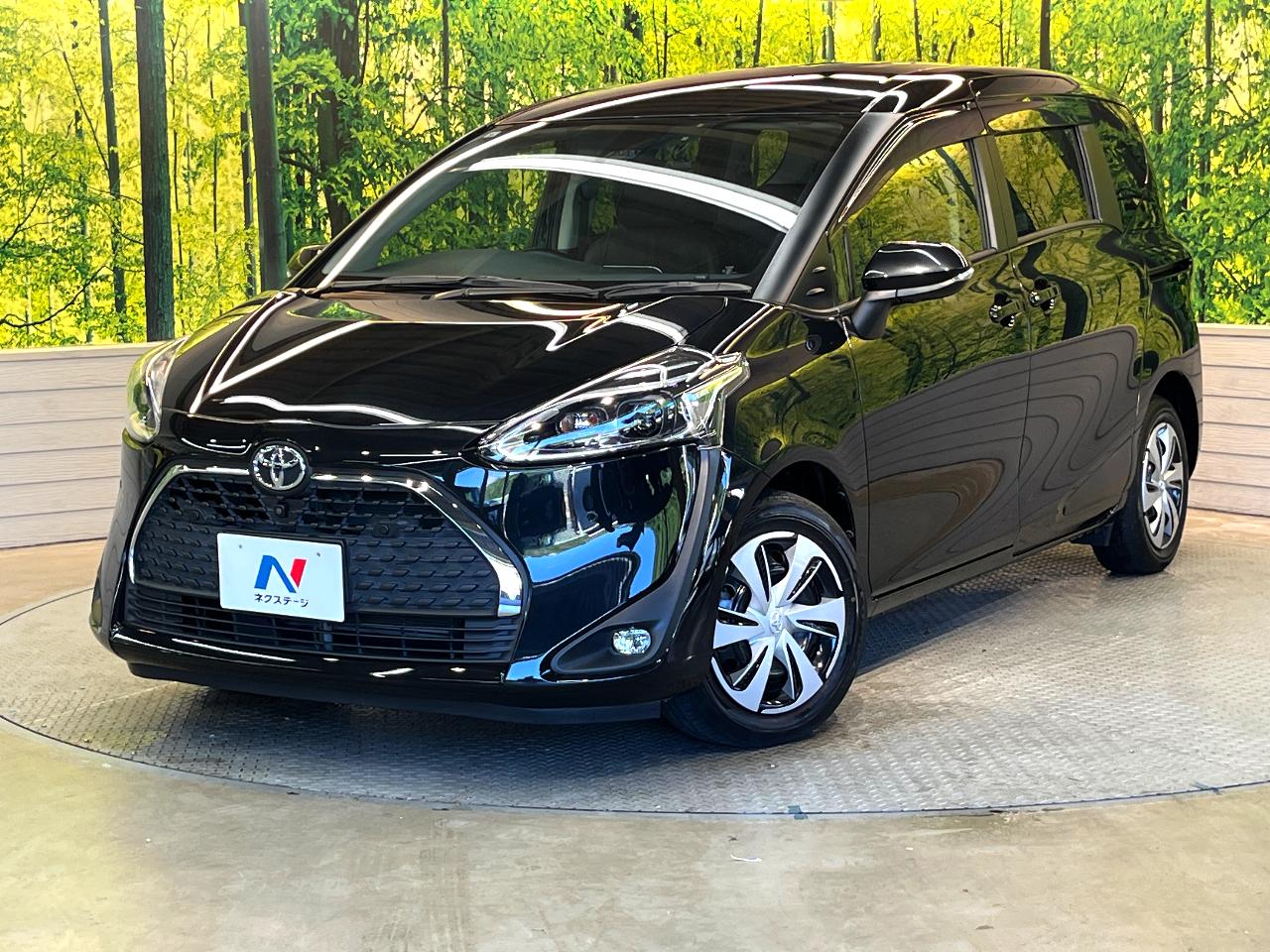
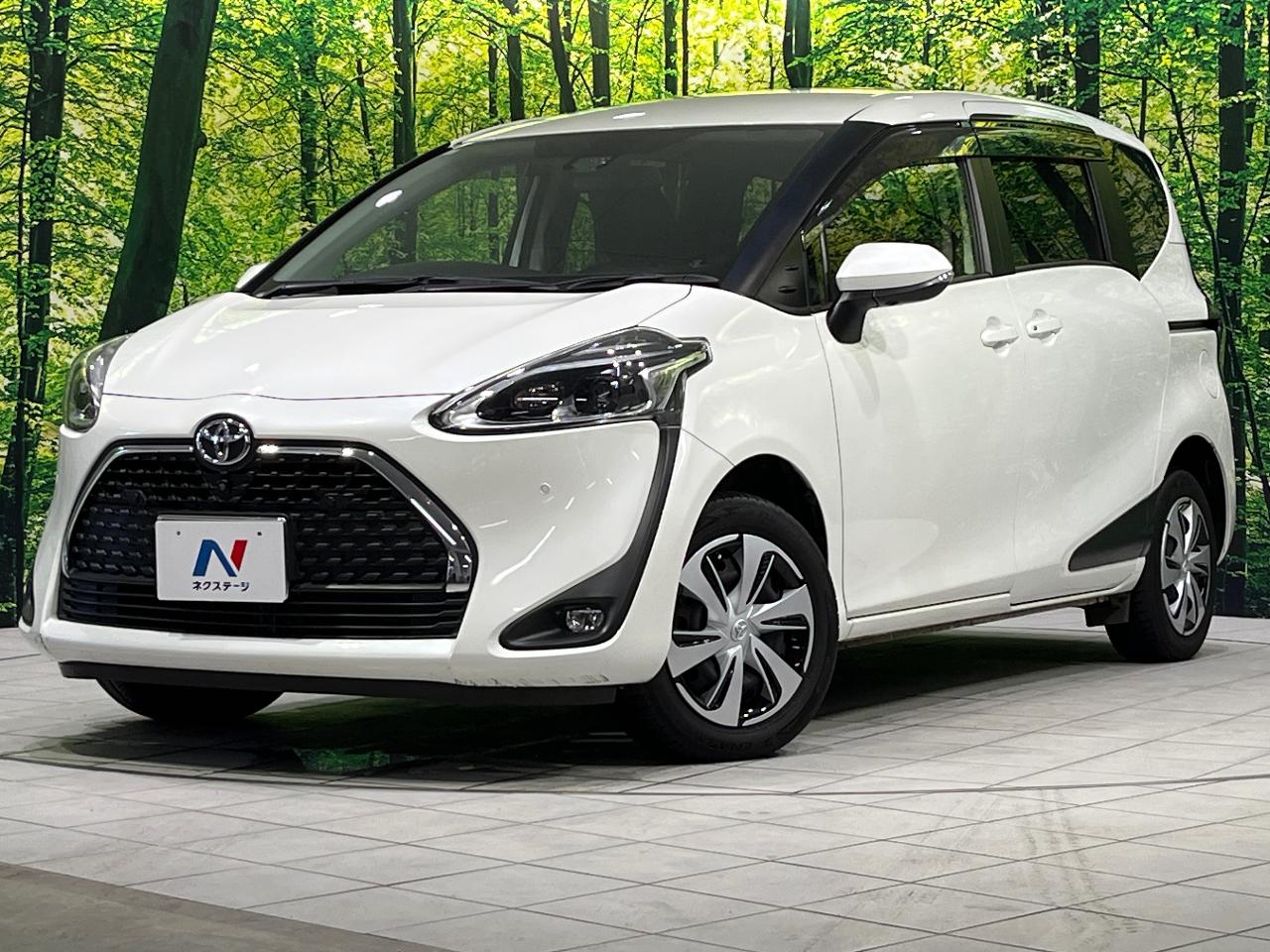
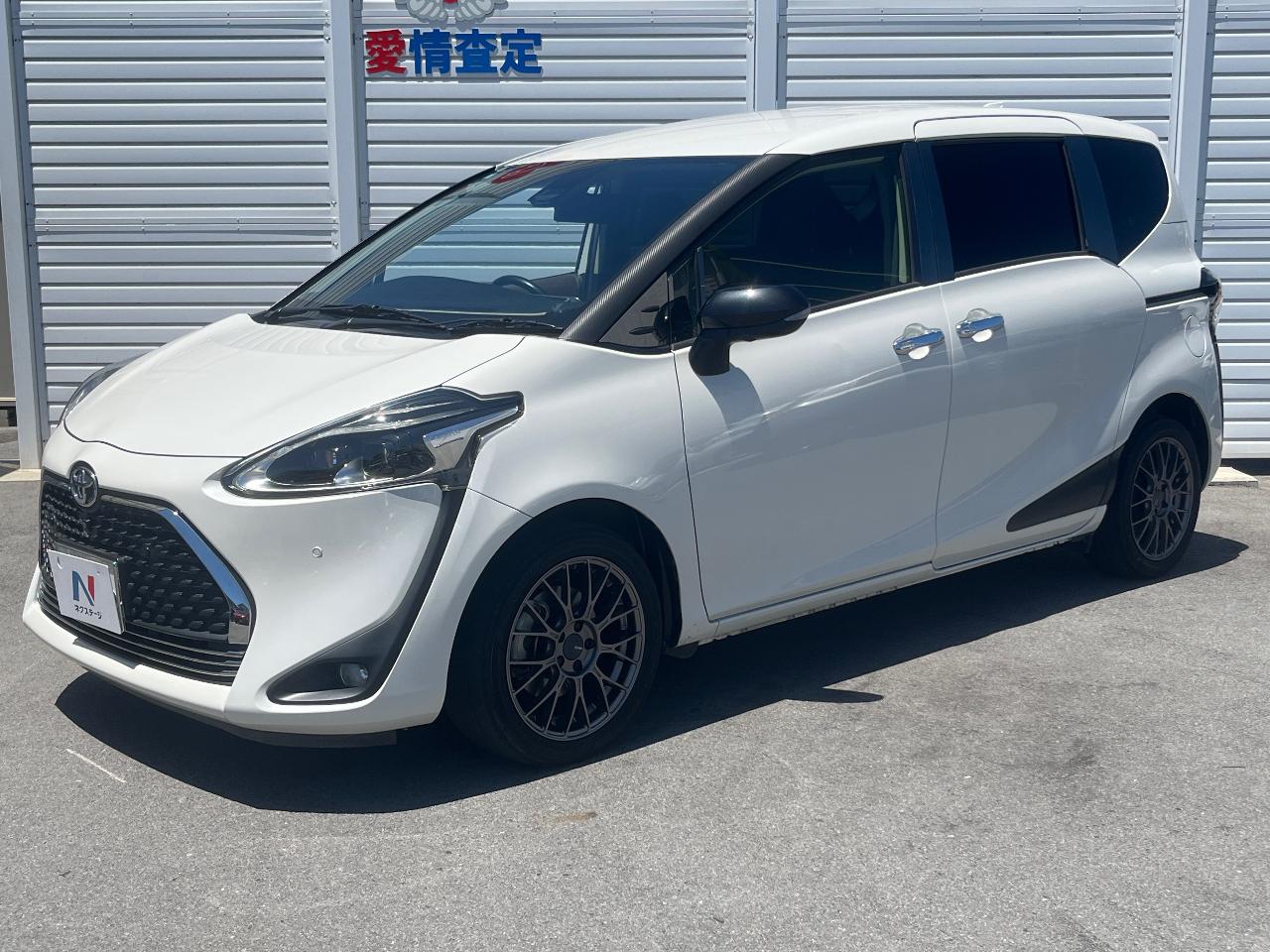
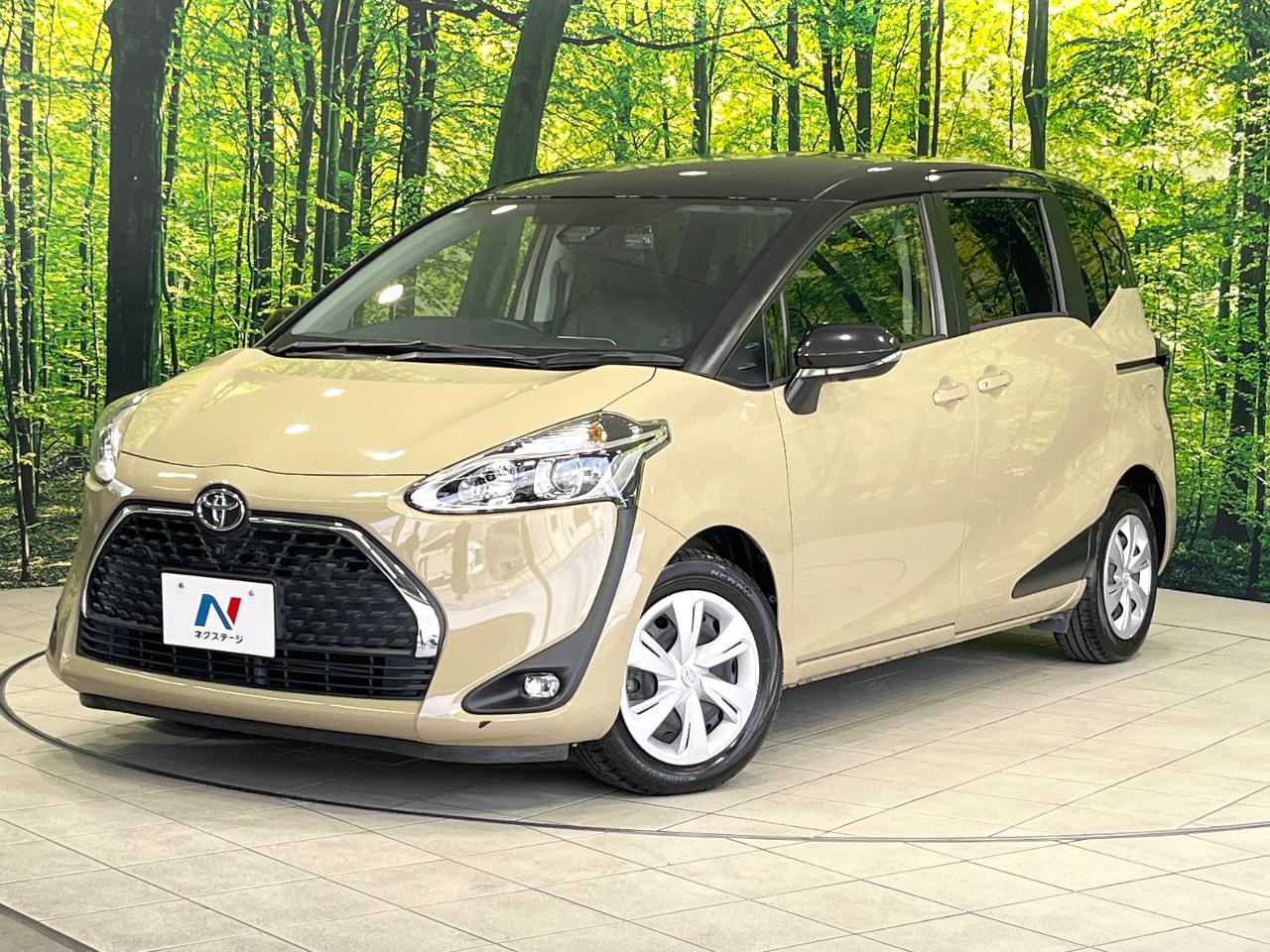
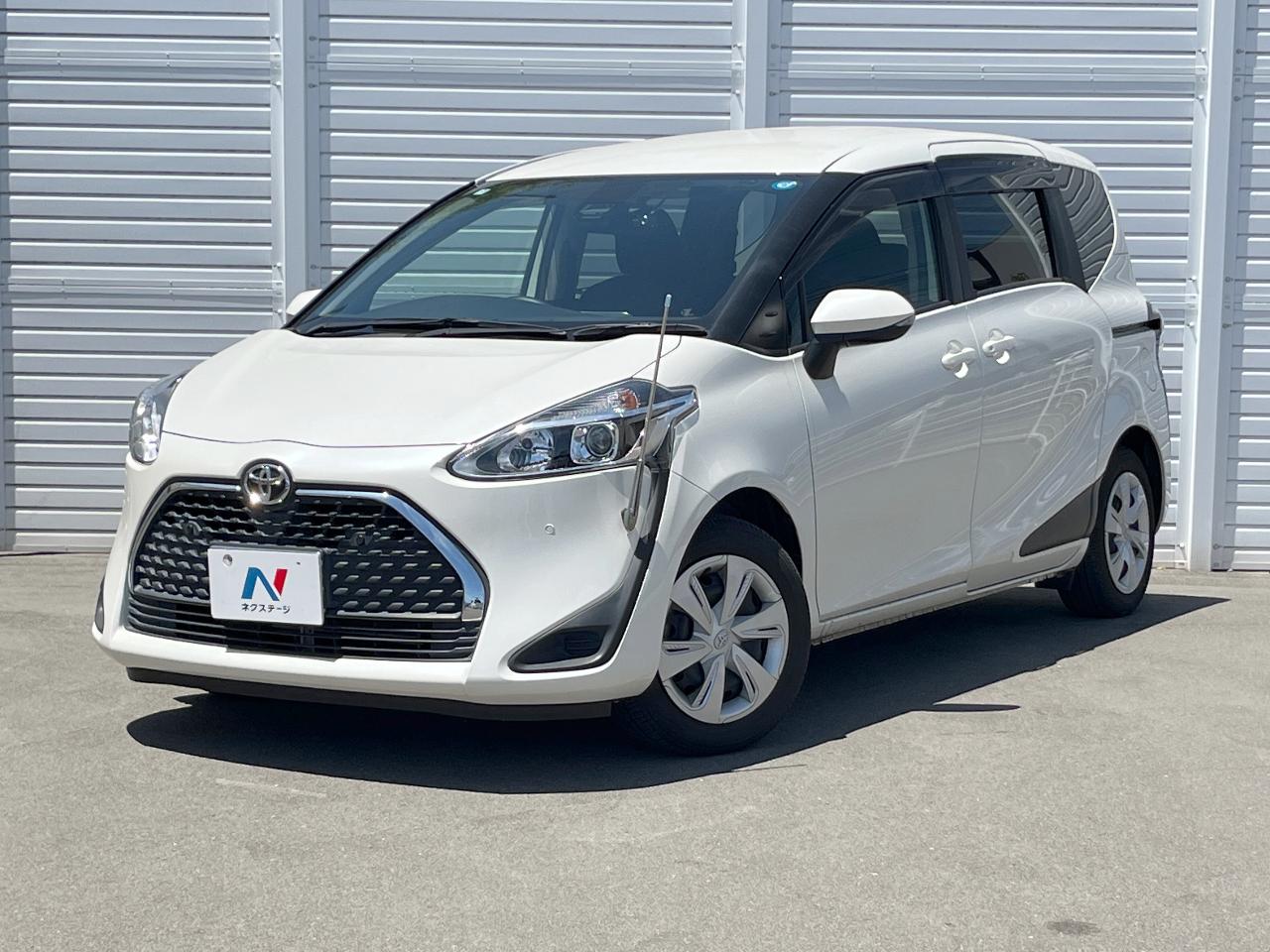
The second-generation Sienta debuted in 2015 and evolved into a minivan that is even more user-friendly in daily life than its predecessor. While adopting a unique design inspired by trekking shoes, the lowered floor significantly improved accessibility. A long-anticipated hybrid option was also introduced to the powertrain. The biggest highlight is the evolution of the storage system for the three-row seating. The third row can be stowed under the second row, allowing for a large cargo space to be easily created. Moreover, from the minor change in 2018, a five-seater option with two rows (Funbase / FUNBASE) was newly added to the lineup. Having completely eliminated the third row, they have secured a vast cargo space and side pockets, garnering tremendous support from overseas users considering outdoor and commercial use. On the safety front, Toyota Safety Sense C is installed, making significant progress from the first generation. The lineup of well-equipped welfare vehicles (Welcab) makes it an appealing choice in the used car market, covering everything from shuttles to family use.
Drawbacks of the Second Generation Sienta
Design preferences vary, and the third row's space remains "just enough."
The second-generation Sienta has significantly improved in product quality, but its unique exterior design inspired by trekking shoes can be a hit or miss depending on personal preference. Although practical, some international markets might perceive it as "a bit too unique". The livability of the third-row seats remains the same as the first model, suitable for "children or short-distance travel". Given that operation of the second-row seats is sometimes required to stow the third-row seats, it's better to use it as a five-seater with cargo space and only use the third-row seats when necessary. Hybrid models are attractive in terms of fuel economy, but long-term ownership will require regular checks of the system and auxiliary devices. For used purchases, you'll need to consider factors such as the presence of a sliding door, Toyota Safety Sense C, differences between early and later models, and the trade-offs in fuel efficiency and price between hybrid and gasoline models. While it's a very practical model, if you plan on frequently taking long-distance trips with a full load of seven people, you might want to consider the larger Noah or Voxy models.
Rivals of the second-generation Sienta
Honda Freed (2nd Generation)
The biggest rival to the second generation Sienta is the Honda Freed, also a compact 3-row minivan. The second generation Freed, which now comes with a hybrid variant, is highly appreciated for its easy-to-use interior and the practicality of its third row, which is typically stored by flipping up the side. This led to intense sales competition with the Sienta. On the other hand, the Sienta holds an advantage in terms of fuel efficiency and reliability in the hybrid models, Toyota's wide sales and service network, and its extensive selection of welfare vehicles. The design directions of the two are also contrasting, with the Freed being safe and familiar, while the Sienta has a unique flair. If viewing from a used-car perspective, the Sienta is a very strong contender for its maintainability and stable parts supply, and depending on the use, it can be as attractive, or more attractive than the Freed. However, only the Freed offers a 4WD option for its hybrid model, not the Sienta.
Specifications of the second generation Sienta
Size: Overall length 4,235 - 4,260mm × Width 1,695mm × Height 1,675 - 1,695mm Engine: 1.5L Gasoline (2NR-FKE / 1NZ-FE), 1.5L Hybrid (1NZ-FXE) Transmission: CVT, Electrically controlled continuously variable transmission for Hybrid Drive System: 2WD, 4WD, Hybrid is only in 2WD Seating Capacity: 5 people (Fan base), 6 people, or 7 people Main Characteristics: Low floor, Toyota Safety Sense C, Slide doors on both sides, Welcab variants available.
Third Generation Sienta (MXP10 series, 2022–) - A current compact minivan refined for down-to-earth comfort.
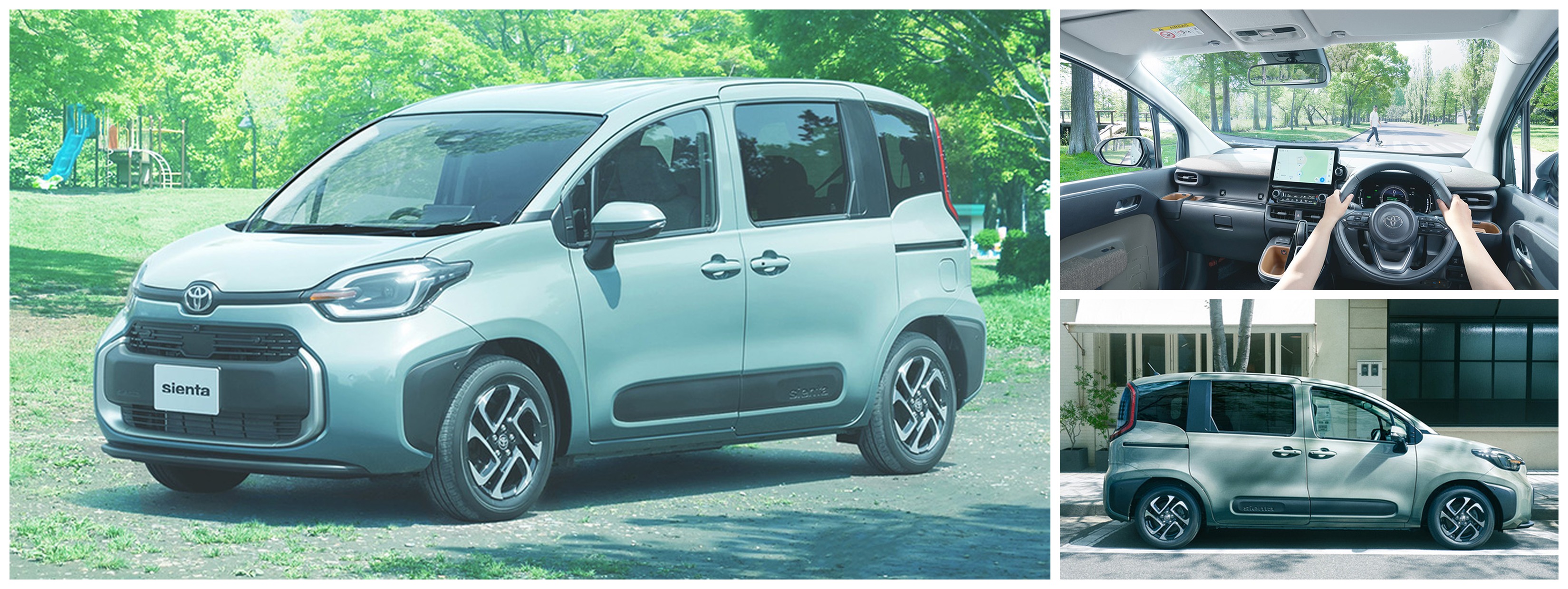
The Charm of the Third Generation Sienta
The current model, with enhanced interior usability and safety features.
The third-generation Sienta, a current model, was launched in Japan in August 2022. Compared to its predecessor, its design is simpler and more approachable, emphasizing its suitability as a tool that naturally integrates into everyday life. The powertrain options are a 1.5L gasoline (M15A-FKS) and a 1.5L hybrid (M15A-FXE), with the current key specifications being 120PS for gasoline, and a combination of 91PS and a motor for the hybrid. The eagerly awaited E-Four is available in addition to 2WD for the hybrid, making it suitable for snowy road conditions. The safety equipment has made significant advances at the standard level with the Toyota Safety Sense, covering even the latest driver assistance content. The interior is easy to walk through, the cargo floor is low, and the handling of the third-row storage has improved. Another major feature of this generation is the choice between a five-seater and a seven-seater. Overall, it possesses a level of completion close to the "optimal solution for Japanese families".
Drawbacks of the third-generation Sienta
Price increase and size constraint due to maintaining the third row.
While the 3rd generation has a high level of completion, its price is higher than previous generations. Considering the safety equipment and hybrid performance, the price is justifiable but it's no longer a simple "cheap small minivan". The body size prioritizes ease of handling, maintaining the "adequate" space in the third row, with no change in the storage method. If you often carry seven passengers, a rival Freed, or a higher-grade minivan such as Noah/Voxy, may be more comfortable. Additionally, as the current model is relatively new, the used car price is still high, making it an expensive choice as an export/import base. Depending on whether you primarily travel short or long distances, or whether you live in a cold region, the choice between a gasoline and hybrid model will differ. Attention should also be paid to the standard equipment, which greatly falls short for all grades except for the top grade, Z.
The rival of the third-generation Sienta
Honda Freed (current model)
The direct competitor of the current Toyota Sienta is indeed the Honda Freed. Both vehicles are very similar, being compact three-row minivans optimized for the Japanese market. The Sienta's appeal lies in its soft interior ambiance, user-friendliness as a practical tool, refined hybrid system, and substantial safety features. On the other hand, Freed is distinguished by its more orthodox, approachable design, superior driving performance, and ease of use. The Freed has been recognized by experts, winning the Japan Car of the Year award for 2024~25. In terms of sales volume, the Sienta attracts customers with its "advanced functionality and practicality," and Freed with its “conservative and reliable versatility”. Both continuously rank in the top 10 of domestic sales rankings. The current battle is fiercely competitive, but Sienta seems to have a slight advantage. In many regions, Toyota's advantages in the supply of used vehicles and parts overseas can also make Sienta a more reassuring choice for importers.
Specs of the third-generation Sienta
Size: Overall length 4,260mm x Overall width 1,695mm x Overall height 1,695 - 1,715mm Engine: 1.5L Inline 3-cylinder gasoline (M15A-FKS), 1.5L Inline 3-cylinder hybrid (M15A-FXE) Transmission: Direct Shift-CVT (gasoline), electric continuously variable transmission (hybrid) Drive system: 2WD, E-Four (Some hybrids) Maximum output: 91PS (Hybrid engine), 120PS (Gasoline) Seating capacity: 5 or 7 people Main features: Toyota Safety Sense, low-floor package, double sliding doors, the latest infotainment system