


Used Mazda CX-5 for Sale
Set your destination to see the total price including shipping (C&F).
578 Results



Ref# UW-6944c9ad25ce4
DIYATA JAPAN CO.,LTD
2012 Mazda CX-5 KE2AW
XD 4WD
- Mileage
- 147,000 km
- Year
- 2012/7
- Engine
- 2,200cc
- Trans.
- Automatic
FOB$2,700
Ref# UW-6944c9ad25ce4
DIYATA JAPAN CO.,LTD
2012 Mazda CX-5 KE2AW
XD 4WD
- Mileage
- 147,000 km
- Year
- 2012/7
- Engine
- 2,200cc
- Trans.
- Automatic
Price$2,700
Ref# UW-6a479497028c6
DIYATA JAPAN CO.,LTD
2012 Mazda CX-5 KE2AW
XD 4WD
- Mileage
- 51,500 km
- Year
- 2012/8
- Engine
- 2,200cc
- Trans.
- Automatic
FOB$2,900
Ref# UW-6a479497028c6
DIYATA JAPAN CO.,LTD
2012 Mazda CX-5 KE2AW
XD 4WD
- Mileage
- 51,500 km
- Year
- 2012/8
- Engine
- 2,200cc
- Trans.
- Automatic
Price$2,900
Ref# UW-6a98d885ca20d
TOMISHO CO.,LTD
2013 Mazda CX-5 LDA-KE2AW
XD Diesel turbo
- Mileage
- 131,565 km
- Year
- 2013/1
- Engine
- 2,180cc
- Trans.
- Automatic
FOB$3,284.96
Ref# UW-6a98d885ca20d
TOMISHO CO.,LTD
2013 Mazda CX-5 LDA-KE2AW
XD Diesel turbo
- Mileage
- 131,565 km
- Year
- 2013/1
- Engine
- 2,180cc
- Trans.
- Automatic
Price$3,284.96
Ref# UW-6a0e68576ddc0
YAMAKATSU CO.,LTD
2013 Mazda CX-5 LDA-KE2AW
XD
- Mileage
- 69,361 km
- Year
- 2013/9
- Engine
- 2,200cc
- Trans.
- Automatic
FOB$4,261
Ref# UW-6a0e68576ddc0
YAMAKATSU CO.,LTD
2013 Mazda CX-5 LDA-KE2AW
XD
- Mileage
- 69,361 km
- Year
- 2013/9
- Engine
- 2,200cc
- Trans.
- Automatic
Price$4,261
Ref# UW-6a0e68406d8f8
YAMAKATSU CO.,LTD
2014 Mazda CX-5 KE2FW
XD L PACKAGE
- Mileage
- 75,180 km
- Year
- 2014/2
- Engine
- 2,200cc
- Trans.
- Automatic
FOB$4,755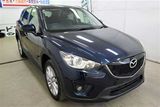
Ref# UW-6a0e68406d8f8
YAMAKATSU CO.,LTD
2014 Mazda CX-5 KE2FW
XD L PACKAGE
- Mileage
- 75,180 km
- Year
- 2014/2
- Engine
- 2,200cc
- Trans.
- Automatic
Price$4,755
Ref# UW-6a0e681890a26
YAMAKATSU CO.,LTD
2016 Mazda CX-5 DBA-KEEFW
20S PROACTIVE
- Mileage
- 40,798 km
- Year
- 2016/11
- Engine
- 2,000cc
- Trans.
- Automatic
FOB$7,411
Ref# UW-6a0e681890a26
YAMAKATSU CO.,LTD
2016 Mazda CX-5 DBA-KEEFW
20S PROACTIVE
- Mileage
- 40,798 km
- Year
- 2016/11
- Engine
- 2,000cc
- Trans.
- Automatic
Price$7,411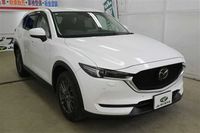
Ref# UW-6a0e6840a3398
YAMAKATSU CO.,LTD
2020 Mazda CX-5 3DA-KF2P
XD PROACTIVE 4WD
- Mileage
- 98,779 km
- Year
- 2020/10
- Engine
- 2,200cc
- Trans.
- Automatic
FOB$10,376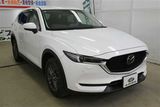
Ref# UW-6a0e6840a3398
YAMAKATSU CO.,LTD
2020 Mazda CX-5 3DA-KF2P
XD PROACTIVE 4WD
- Mileage
- 98,779 km
- Year
- 2020/10
- Engine
- 2,200cc
- Trans.
- Automatic
Price$10,376
Ref# UW-6a0e681b01adf
YAMAKATSU CO.,LTD
2020 Mazda CX-5 3DA-KF2P
XD SMART EDITION 4WD
- Mileage
- 36,227 km
- Year
- 2020/10
- Engine
- 2,200cc
- Trans.
- Automatic
FOB$11,735
Ref# UW-6a0e681b01adf
YAMAKATSU CO.,LTD
2020 Mazda CX-5 3DA-KF2P
XD SMART EDITION 4WD
- Mileage
- 36,227 km
- Year
- 2020/10
- Engine
- 2,200cc
- Trans.
- Automatic
Price$11,735
Ref# UW-6a0e684f9f946
YAMAKATSU CO.,LTD
2025 Mazda CX-5 3DA-KF2P
XD BLACK SELECTION
- Mileage
- 8,752 km
- Year
- 2025/1
- Engine
- 2,200cc
- Trans.
- Automatic
FOB$17,479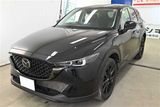
Ref# UW-6a0e684f9f946
YAMAKATSU CO.,LTD
2025 Mazda CX-5 3DA-KF2P
XD BLACK SELECTION
- Mileage
- 8,752 km
- Year
- 2025/1
- Engine
- 2,200cc
- Trans.
- Automatic
Price$17,479
Ref# UW-6a66cc252f209

Ref# UW-6a66cc252f209
INSPIRE LLC
2014 Mazda CX-5 LDA-KE2FW
XD
- Mileage
- 94,590 km
- Year
- 2014/10
- Engine
- 2,188cc
- Trans.
- AT
Price$2,185
Ref# UW-6a62d7ae2ddbd

Ref# UW-6a62d7ae2ddbd
INSPIRE LLC
2013 Mazda CX-5 LDA-KE2FW
XD
- Mileage
- 74,637 km
- Year
- 2013/7
- Engine
- 2,188cc
- Trans.
- AT
Price$2,934
Ref# UW-6ab1f1cc81c6c

Ref# UW-6ab1f1cc81c6c
INSPIRE LLC
2012 Mazda CX-5 LDA-KE2FW
XD
- Mileage
- 102,235 km
- Year
- 2012/8
- Engine
- 2,188cc
- Trans.
- AT
Price$3,558
Ref# UW-6aa3718cc5934

Ref# UW-6aa3718cc5934
INSPIRE LLC
2013 Mazda CX-5 LDA-KE2FW
XD
- Mileage
- 115,210 km
- Year
- 2013/11
- Engine
- 2,188cc
- Trans.
- AT
Price$3,621
Ref# UW-6ab0a0556f823
INSPIRE LLC
2015 Mazda CX-5 LDA-KE2FW
XD Lパッケージ
- Mileage
- 106,190 km
- Year
- 2015/9
- Engine
- 2,188cc
- Trans.
- AT
FOB$3,683
Ref# UW-6ab0a0556f823
INSPIRE LLC
2015 Mazda CX-5 LDA-KE2FW
XD Lパッケージ
- Mileage
- 106,190 km
- Year
- 2015/9
- Engine
- 2,188cc
- Trans.
- AT
Price$3,683
Ref# UW-6a8faaa283d64
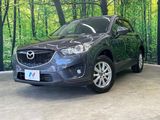
Ref# UW-6a8faaa283d64
INSPIRE LLC
2014 Mazda CX-5 LDA-KE2FW
XD
- Mileage
- 102,715 km
- Year
- 2014/9
- Engine
- 2,188cc
- Trans.
- AT
Price$3,683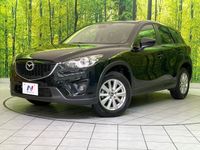
Ref# UW-6a851e528b0da
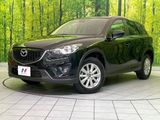
Ref# UW-6a851e528b0da
INSPIRE LLC
2014 Mazda CX-5 LDA-KE2FW
XD
- Mileage
- 74,389 km
- Year
- 2014/5
- Engine
- 2,188cc
- Trans.
- AT
Price$3,808
Ref# UW-6a866f4e1c5d1
INSPIRE LLC
2015 Mazda CX-5 LDA-KE2FW
XD Lパッケージ
- Mileage
- 101,388 km
- Year
- 2015/8
- Engine
- 2,188cc
- Trans.
- AT
FOB$3,995
Ref# UW-6a866f4e1c5d1
INSPIRE LLC
2015 Mazda CX-5 LDA-KE2FW
XD Lパッケージ
- Mileage
- 101,388 km
- Year
- 2015/8
- Engine
- 2,188cc
- Trans.
- AT
Price$3,995
Ref# UW-6a56fa6a9ae0c
MaccaLi inc
2012 Mazda CX-5 LDA-KE2AW
XD Lパッケージ
- Mileage
- 65,403 km
- Year
- 2012/4
- Engine
- 2,188cc
- Trans.
- AT
FOB$4,120
Ref# UW-6a56fa6a9ae0c
MaccaLi inc
2012 Mazda CX-5 LDA-KE2AW
XD Lパッケージ
- Mileage
- 65,403 km
- Year
- 2012/4
- Engine
- 2,188cc
- Trans.
- AT
Price$4,120
Ref# UW-6aaa0926f33b9
INSPIRE LLC
2015 Mazda CX-5 LDA-KE2AW
XD Lパッケージ
- Mileage
- 87,758 km
- Year
- 2015/7
- Engine
- 2,188cc
- Trans.
- AT
FOB$4,682
Ref# UW-6aaa0926f33b9
INSPIRE LLC
2015 Mazda CX-5 LDA-KE2AW
XD Lパッケージ
- Mileage
- 87,758 km
- Year
- 2015/7
- Engine
- 2,188cc
- Trans.
- AT
Price$4,682
Ref# UW-6aa4c2fe97528

Ref# UW-6aa4c2fe97528
INSPIRE LLC
2015 Mazda CX-5 LDA-KE2FW
XD
- Mileage
- 102,190 km
- Year
- 2015/9
- Engine
- 2,188cc
- Trans.
- AT
Price$4,682
Ref# UW-6a8d07ba2603a
INSPIRE LLC
2013 Mazda CX-5 LDA-KE2AW
XD Lパッケージ
- Mileage
- 73,940 km
- Year
- 2013/7
- Engine
- 2,188cc
- Trans.
- AT
FOB$4,682
Ref# UW-6a8d07ba2603a
INSPIRE LLC
2013 Mazda CX-5 LDA-KE2AW
XD Lパッケージ
- Mileage
- 73,940 km
- Year
- 2013/7
- Engine
- 2,188cc
- Trans.
- AT
Price$4,682
Ref# UW-6a8bb602bfce9

Ref# UW-6a8bb602bfce9
INSPIRE LLC
2015 Mazda CX-5 LDA-KE2AW
XD
- Mileage
- 87,790 km
- Year
- 2015/8
- Engine
- 2,188cc
- Trans.
- AT
Price$4,682
Ref# UW-6a851e527c648
INSPIRE LLC
2014 Mazda CX-5 LDA-KE2FW
XD Lパッケージ
- Mileage
- 69,130 km
- Year
- 2014/1
- Engine
- 2,188cc
- Trans.
- AT
FOB$4,682
Ref# UW-6a851e527c648
INSPIRE LLC
2014 Mazda CX-5 LDA-KE2FW
XD Lパッケージ
- Mileage
- 69,130 km
- Year
- 2014/1
- Engine
- 2,188cc
- Trans.
- AT
Price$4,682
Ref# UW-6a7a92c327fd3
INSPIRE LLC
2015 Mazda CX-5 LDA-KE2FW
XD プロアクティブ
- Mileage
- 87,715 km
- Year
- 2015/7
- Engine
- 2,188cc
- Trans.
- AT
FOB$4,682
Ref# UW-6a7a92c327fd3
INSPIRE LLC
2015 Mazda CX-5 LDA-KE2FW
XD プロアクティブ
- Mileage
- 87,715 km
- Year
- 2015/7
- Engine
- 2,188cc
- Trans.
- AT
Price$4,682
Ref# UW-6a696f5030a34
INSPIRE LLC
2015 Mazda CX-5 LDA-KE2FW
XD プロアクティブ
- Mileage
- 85,290 km
- Year
- 2015/10
- Engine
- 2,188cc
- Trans.
- AT
FOB$4,682
Ref# UW-6a696f5030a34
INSPIRE LLC
2015 Mazda CX-5 LDA-KE2FW
XD プロアクティブ
- Mileage
- 85,290 km
- Year
- 2015/10
- Engine
- 2,188cc
- Trans.
- AT
Price$4,682
Ref# UW-6a8bb603eacf1
INSPIRE LLC
2013 Mazda CX-5 LDA-KE2FW
XD Lパッケージ
- Mileage
- 66,790 km
- Year
- 2013/11
- Engine
- 2,188cc
- Trans.
- AT
FOB$4,807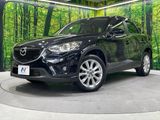
Ref# UW-6a8bb603eacf1
INSPIRE LLC
2013 Mazda CX-5 LDA-KE2FW
XD Lパッケージ
- Mileage
- 66,790 km
- Year
- 2013/11
- Engine
- 2,188cc
- Trans.
- AT
Price$4,807
Ref# UW-6a9e2b4b1adf9

Ref# UW-6a9e2b4b1adf9
INSPIRE LLC
2013 Mazda CX-5 LDA-KE2FW
XD
- Mileage
- 82,946 km
- Year
- 2013/9
- Engine
- 2,188cc
- Trans.
- AT
Price$4,869
Ref# UW-6aaa09264e78f
MaccaLi inc
2012 Mazda CX-5 LDA-KE2AW
XD Lパッケージ
- Mileage
- 86,144 km
- Year
- 2012/8
- Engine
- 2,188cc
- Trans.
- AT
FOB$4,994
Ref# UW-6aaa09264e78f
MaccaLi inc
2012 Mazda CX-5 LDA-KE2AW
XD Lパッケージ
- Mileage
- 86,144 km
- Year
- 2012/8
- Engine
- 2,188cc
- Trans.
- AT
Price$4,994
Ref# UW-6a9b88847d18e
INSPIRE LLC
2016 Mazda CX-5 LDA-KE2AW
XD Lパッケージ
- Mileage
- 92,000 km
- Year
- 2016/2
- Engine
- 2,188cc
- Trans.
- AT
FOB$4,994
Ref# UW-6a9b88847d18e
INSPIRE LLC
2016 Mazda CX-5 LDA-KE2AW
XD Lパッケージ
- Mileage
- 92,000 km
- Year
- 2016/2
- Engine
- 2,188cc
- Trans.
- AT
Price$4,994
Ref# UW-6a9b88841ceba
MaccaLi inc
2015 Mazda CX-5 LDA-KE2AW
XD Lパッケージ
- Mileage
- 80,443 km
- Year
- 2015/8
- Engine
- 2,188cc
- Trans.
- AT
FOB$4,994
Ref# UW-6a9b88841ceba
MaccaLi inc
2015 Mazda CX-5 LDA-KE2AW
XD Lパッケージ
- Mileage
- 80,443 km
- Year
- 2015/8
- Engine
- 2,188cc
- Trans.
- AT
Price$4,994
Ref# UW-6a939f536923b
INSPIRE LLC
2014 Mazda CX-5 LDA-KE2FW
XD Lパッケージ
- Mileage
- 79,530 km
- Year
- 2014/1
- Engine
- 2,188cc
- Trans.
- AT
FOB$4,994
Ref# UW-6a939f536923b
INSPIRE LLC
2014 Mazda CX-5 LDA-KE2FW
XD Lパッケージ
- Mileage
- 79,530 km
- Year
- 2014/1
- Engine
- 2,188cc
- Trans.
- AT
Price$4,994
Ref# UW-6a97940566c92
INSPIRE LLC
2013 Mazda CX-5 LDA-KE2AW
XD Lパッケージ
- Mileage
- 81,590 km
- Year
- 2013/12
- Engine
- 2,188cc
- Trans.
- AT
FOB$5,057
Ref# UW-6a97940566c92
INSPIRE LLC
2013 Mazda CX-5 LDA-KE2AW
XD Lパッケージ
- Mileage
- 81,590 km
- Year
- 2013/12
- Engine
- 2,188cc
- Trans.
- AT
Price$5,057
Ref# UW-6a924dbf6380b
INSPIRE LLC
2016 Mazda CX-5 LDA-KE2FW
XD Lパッケージ
- Mileage
- 74,845 km
- Year
- 2016/3
- Engine
- 2,188cc
- Trans.
- AT
FOB$5,181
Ref# UW-6a924dbf6380b
INSPIRE LLC
2016 Mazda CX-5 LDA-KE2FW
XD Lパッケージ
- Mileage
- 74,845 km
- Year
- 2016/3
- Engine
- 2,188cc
- Trans.
- AT
Price$5,181
Ref# UW-6ab0a0560a105
INSPIRE LLC
2016 Mazda CX-5 LDA-KE2FW
XD プロアクティブ
- Mileage
- 83,577 km
- Year
- 2016/9
- Engine
- 2,188cc
- Trans.
- AT
FOB$5,306
Ref# UW-6ab0a0560a105
INSPIRE LLC
2016 Mazda CX-5 LDA-KE2FW
XD プロアクティブ
- Mileage
- 83,577 km
- Year
- 2016/9
- Engine
- 2,188cc
- Trans.
- AT
Price$5,306
Ref# UW-6aa8b78db8be0
INSPIRE LLC
2015 Mazda CX-5 LDA-KE2FW
XD プロアクティブ
- Mileage
- 83,410 km
- Year
- 2015/10
- Engine
- 2,188cc
- Trans.
- AT
FOB$5,306
Ref# UW-6aa8b78db8be0
INSPIRE LLC
2015 Mazda CX-5 LDA-KE2FW
XD プロアクティブ
- Mileage
- 83,410 km
- Year
- 2015/10
- Engine
- 2,188cc
- Trans.
- AT
Price$5,306
Ref# UW-6aa3718c56f9a
INSPIRE LLC
2012 Mazda CX-5 LDA-KE2FW
XD Lパッケージ
- Mileage
- 36,900 km
- Year
- 2012/5
- Engine
- 2,188cc
- Trans.
- AT
FOB$5,306
Ref# UW-6aa3718c56f9a
INSPIRE LLC
2012 Mazda CX-5 LDA-KE2FW
XD Lパッケージ
- Mileage
- 36,900 km
- Year
- 2012/5
- Engine
- 2,188cc
- Trans.
- AT
Price$5,306
Ref# UW-6a77efcc0cc5f
INSPIRE LLC
2015 Mazda CX-5 LDA-KE2AW
XD プロアクティブ
- Mileage
- 92,124 km
- Year
- 2015/8
- Engine
- 2,188cc
- Trans.
- AT
FOB$5,306
Ref# UW-6a77efcc0cc5f
INSPIRE LLC
2015 Mazda CX-5 LDA-KE2AW
XD プロアクティブ
- Mileage
- 92,124 km
- Year
- 2015/8
- Engine
- 2,188cc
- Trans.
- AT
Price$5,306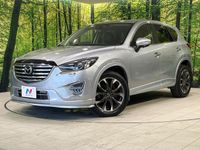
Ref# UW-6a73fb47df931
MaccaLi inc
2015 Mazda CX-5 LDA-KE2AW
XD Lパッケージ
- Mileage
- 58,589 km
- Year
- 2015/7
- Engine
- 2,188cc
- Trans.
- AT
FOB$5,556
Ref# UW-6a73fb47df931
MaccaLi inc
2015 Mazda CX-5 LDA-KE2AW
XD Lパッケージ
- Mileage
- 58,589 km
- Year
- 2015/7
- Engine
- 2,188cc
- Trans.
- AT
Price$5,556
Ref# UW-6aaa092957c56
INSPIRE LLC
2016 Mazda CX-5 LDA-KE2FW
XD Lパッケージ
- Mileage
- 78,233 km
- Year
- 2016/9
- Engine
- 2,188cc
- Trans.
- AT
FOB$5,618
Ref# UW-6aaa092957c56
INSPIRE LLC
2016 Mazda CX-5 LDA-KE2FW
XD Lパッケージ
- Mileage
- 78,233 km
- Year
- 2016/9
- Engine
- 2,188cc
- Trans.
- AT
Price$5,618
Ref# UW-6a924dbd9e978
INSPIRE LLC
2015 Mazda CX-5 LDA-KE2AW
XD Lパッケージ
- Mileage
- 79,860 km
- Year
- 2015/9
- Engine
- 2,188cc
- Trans.
- AT
FOB$5,618
Ref# UW-6a924dbd9e978
INSPIRE LLC
2015 Mazda CX-5 LDA-KE2AW
XD Lパッケージ
- Mileage
- 79,860 km
- Year
- 2015/9
- Engine
- 2,188cc
- Trans.
- AT
Price$5,618
Ref# UW-6aaa09292e9c6
INSPIRE LLC
2015 Mazda CX-5 LDA-KE2FW
XD プロアクティブ
- Mileage
- 72,070 km
- Year
- 2015/11
- Engine
- 2,188cc
- Trans.
- AT
FOB$5,743
Ref# UW-6aaa09292e9c6
INSPIRE LLC
2015 Mazda CX-5 LDA-KE2FW
XD プロアクティブ
- Mileage
- 72,070 km
- Year
- 2015/11
- Engine
- 2,188cc
- Trans.
- AT
Price$5,743
Ref# UW-6a9e2b4bcdb0b
INSPIRE LLC
2015 Mazda CX-5 LDA-KE2FW
XD Lパッケージ
- Mileage
- 79,430 km
- Year
- 2015/12
- Engine
- 2,188cc
- Trans.
- AT
FOB$5,743
Ref# UW-6a9e2b4bcdb0b
INSPIRE LLC
2015 Mazda CX-5 LDA-KE2FW
XD Lパッケージ
- Mileage
- 79,430 km
- Year
- 2015/12
- Engine
- 2,188cc
- Trans.
- AT
Price$5,743
Ref# UW-6aa3718c81745
INSPIRE LLC
2013 Mazda CX-5 LDA-KE2FW
XD Lパッケージ
- Mileage
- 60,415 km
- Year
- 2013/8
- Engine
- 2,188cc
- Trans.
- AT
FOB$5,931
Ref# UW-6aa3718c81745
INSPIRE LLC
2013 Mazda CX-5 LDA-KE2FW
XD Lパッケージ
- Mileage
- 60,415 km
- Year
- 2013/8
- Engine
- 2,188cc
- Trans.
- AT
Price$5,931
Ref# UW-6a9e2b4bb4069
INSPIRE LLC
2015 Mazda CX-5 LDA-KE2FW
XD プロアクティブ
- Mileage
- 78,850 km
- Year
- 2015/11
- Engine
- 2,188cc
- Trans.
- AT
FOB$5,931
Ref# UW-6a9e2b4bb4069
INSPIRE LLC
2015 Mazda CX-5 LDA-KE2FW
XD プロアクティブ
- Mileage
- 78,850 km
- Year
- 2015/11
- Engine
- 2,188cc
- Trans.
- AT
Price$5,931
Ref# UW-6a94f0dd99d77
INSPIRE LLC
2015 Mazda CX-5 LDA-KE2FW
XD プロアクティブ
- Mileage
- 65,000 km
- Year
- 2015/6
- Engine
- 2,188cc
- Trans.
- AT
FOB$5,931
Ref# UW-6a94f0dd99d77
INSPIRE LLC
2015 Mazda CX-5 LDA-KE2FW
XD プロアクティブ
- Mileage
- 65,000 km
- Year
- 2015/6
- Engine
- 2,188cc
- Trans.
- AT
Price$5,931
Ref# UW-6a79413838223
INSPIRE LLC
2015 Mazda CX-5 LDA-KE2FW
XD Lパッケージ
- Mileage
- 60,025 km
- Year
- 2015/6
- Engine
- 2,188cc
- Trans.
- AT
FOB$5,931
Ref# UW-6a79413838223
INSPIRE LLC
2015 Mazda CX-5 LDA-KE2FW
XD Lパッケージ
- Mileage
- 60,025 km
- Year
- 2015/6
- Engine
- 2,188cc
- Trans.
- AT
Price$5,931
Ref# UW-6a8faaa15e8c8
INSPIRE LLC
2016 Mazda CX-5 LDA-KE2AW
XD Lパッケージ
- Mileage
- 73,510 km
- Year
- 2016/3
- Engine
- 2,188cc
- Trans.
- AT
FOB$6,243
Ref# UW-6a8faaa15e8c8
INSPIRE LLC
2016 Mazda CX-5 LDA-KE2AW
XD Lパッケージ
- Mileage
- 73,510 km
- Year
- 2016/3
- Engine
- 2,188cc
- Trans.
- AT
Price$6,243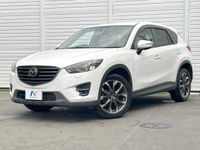
Ref# UW-6a6c1274ec61b
INSPIRE LLC
2016 Mazda CX-5 LDA-KE2AW
XD Lパッケージ
- Mileage
- 89,173 km
- Year
- 2016/3
- Engine
- 2,188cc
- Trans.
- AT
FOB$6,243
Ref# UW-6a6c1274ec61b
INSPIRE LLC
2016 Mazda CX-5 LDA-KE2AW
XD Lパッケージ
- Mileage
- 89,173 km
- Year
- 2016/3
- Engine
- 2,188cc
- Trans.
- AT
Price$6,243
Ref# UW-6a5aeebc6c87c
MaccaLi inc
2015 Mazda CX-5 LDA-KE2AW
XD Lパッケージ
- Mileage
- 55,980 km
- Year
- 2015/12
- Engine
- 2,188cc
- Trans.
- AT
FOB$6,430
Ref# UW-6a5aeebc6c87c
MaccaLi inc
2015 Mazda CX-5 LDA-KE2AW
XD Lパッケージ
- Mileage
- 55,980 km
- Year
- 2015/12
- Engine
- 2,188cc
- Trans.
- AT
Price$6,430
Ref# UW-6a8faaa130bf4
MaccaLi inc
2015 Mazda CX-5 LDA-KE2AW
XD プロアクティブ
- Mileage
- 89,485 km
- Year
- 2015/11
- Engine
- 2,188cc
- Trans.
- AT
FOB$6,493
Ref# UW-6a8faaa130bf4
MaccaLi inc
2015 Mazda CX-5 LDA-KE2AW
XD プロアクティブ
- Mileage
- 89,485 km
- Year
- 2015/11
- Engine
- 2,188cc
- Trans.
- AT
Price$6,493


CX-5 Buying Guide

The Mazda CX-5 is a leading crossover SUV from Mazda that was introduced in 2012. The first generation KE model was the brand's turning point, being the first mass-produced SUV that fully adopted SKYACTIV technology and the "Soul of Motion (KODO)" design. The second generation KF model underwent a full model change in 2017, significantly improving its noise reduction, quality, ride comfort, and safety features. All of the engines (both gasoline and diesel) utilize a highly durable timing chain system, eliminating the need for belt replacements even after driving over 100,000 km, which has gained the CX-5 a high level of trust in foreign markets. In Japan, the main models are the 2.0L/2.5L gasoline and 2.2L diesel variants, with a defining feature being the availability of a 6-speed manual transmission in addition to the 6-speed automatic. In 2025, the third generation CX-5 is set to be announced. This next-generation model will incorporate electrification and the latest safety features, while carrying over the characteristics of its predecessors.
The First generation CX-5 (KE, 2012–2017) - A nimble SUV that marked the dawn of the SKYACTIV era.

The Appeal of the First-Generation CX-5
"The origin of the 'New Generation Mazda', combining nimble performance and fuel efficiency."
The first-generation CX-5 was the first mass-produced vehicle to introduce the SKYACTIV technology, refreshing everything from the engine, transmission, body, to the chassis. At its launch in Japan, the 2.2L diesel engine (FWD) achieved a fuel consumption of 18.6km/L under JC08 mode. The high-strength yet lightweight body and intuitive steering offer agile handling that is close to a passenger car, despite being an SUV. Initially, it came with a 2.0L gasoline engine and a 2.2L diesel engine, but a more powerful 2.5L gasoline engine was added in 2013. Moreover, a major upgrade in 2015 (later models) dramatically improved the quality and convenience of the interior, with the introduction of LED headlights, Mazda Connect infotainment, and adoption of electric parking brakes. If you are selecting a used car now, these later models from 2015 onwards come highly recommended for their exceptional satisfaction rate.
Drawbacks of the First Generation CX-5
The previous model has significant differences in equipment and does not match the quietness of the successor generation.
The first generation CX-5 lacks the quietness and interior quality compared to the second generation, especially the early models, which are more prone to road noise and typical diesel combustion sounds, and are not as refined as later improved models. Also, since Mazda frequently upgrades functionalities annually, it's necessary to check each vehicle for the presence of safety equipment (i-ACTIVSENSE). For diesel cars, continuous short-distance driving can easily cause soot accumulation, and checking the maintenance history and regular long-distance driving (for DPF regeneration) are key to long-term maintenance. Furthermore, as the first generation was the first model to fully adopt Mazda's "next-generation technology," it's a prerequisite to meticulously check the condition of the engine and the recall history (particularly the control system and exhaust system of the diesel engine).
First-generation CX-5's rival
Toyota RAV4 (4th Generation) / Nissan X-Trail (Early T32)
The key rivals from the same period on the international market include the Toyota RAV4 and Nissan X-Trail. The fourth-generation RAV4, while not available in Japan, boasts significant sales numbers primarily in North America and Europe. Its worldwide distribution volume and ample parts supply are its strengths. The X-Trail, on the other hand, has garnered substantial support as a family SUV in many regions due to its practical interior and high outdoor performance. In contrast, the first-generation CX-5 differentiates itself with its natural handling, powerful diesel engine, and the high degree of design sophistication. While it may not surpass its competitors in terms of cargo and rear-seat space, it remains an appealing choice for users placing a premium on the "joy of driving." It's worth noting that, if you base it on the domestic Japanese market, the Toyota Harrier and Subaru Forester may also be considered as comparable rivals in this class. However, in terms of exports and international distribution, comparisons with the RAV4 and X-Trail are more realistic.
Specifications of the First-Generation CX-5
Size: Approximately 4,540mm in length x 1,840mm in width x 1,705mm in height Engine: 2.0L Straight-4 (PE-VPS), 2.5L Straight-4 (PY-VPR *added in 2013), 2.2L Straight-4 Diesel Turbo (SH-VPTS) Transmission: 6MT, 6AT Drive system: 2WD, 4WD Maximum power: Gasoline 155ps to 188ps (2.5L), Diesel around 175ps Fuel economy: 16.0km/L (2.0L FWD) and 18.6km/L (2.2D FWD) under JC08 mode, etc.
2nd Generation CX-5 (KF, 2017– ) - A Maturity Level that Significantly Enhances Quality and Comfort

The Appeal of the Second-Generation CX-5
Improved quality, quietness, and advanced features enhance the perfection of this long-distance SUV.
The second-generation CX-5 is a fully redesigned model that started taking orders in Japan at the end of 2016 and was released in 2017. While maintaining the appearance of the first generation, it has evolved into a more streamlined form, and the interior has been significantly improved, from the texture of the dashboard and the feel of the switches to the seat design. On the technological side, the standard equipment includes the vehicle control technology "G-Vectoring Control (GVC)", which achieves smooth cornering with minimal sway. In 2018, a 2.5L gasoline turbo was added, and a major facelift was carried out at the end of 2021. Along with a complete redesign of the front and rear lights, the driving mode switch "Mi-Drive" was adopted, and the model line-up was expanded to meet a wider variety of needs, including the addition of the outdoor-oriented grade "Field Journey". The current specifications have evolved continuously, with the output of the 2.2L diesel increasing from 190PS to 200PS (according to the improved model). The WLTC mode fuel economy is very excellent for an SUV, with gasoline cars yielding 12.2–16.0 km/L and diesel cars yielding 16.6–19.4 km/L.
Drawbacks of the Second Generation CX-5
A larger body and proper management of the diesel engine are necessary.
The second-generation CX-5 has shifted to a premium line, so both new and used car prices are increasing. With a total width of 1,845mm, caution is needed when handling the vehicle. Also, to maintain the performance of the diesel model (SKYACTIV-D 2.2), it is essential to strictly use the specified oil and regularly maintain the car to prevent carbon accumulation, including high-speed driving. As its sales period is long, it is necessary to understand which of the early, mid, and late-modified models it is and to balance the budget and equipment.
Rivals of the second-generation CX-5
Toyota Harrier/RAV4 (5th Generation), Nissan X-Trail (T33)
The main competitors of the second-generation CX-5 are mid-sized SUVs such as the Toyota Harrier, RAV4, and Nissan X-Trail. The Harrier is appreciated for its luxury interior and exterior, the RAV4 for its practicality and global support, and the X-Trail for its ease of use and 4WD performance. Among these, the CX-5 has gained a lot of support for its "enjoyable precise sedan-like handling even as an SUV", and high interior quality comparable to European cars. The CX-5 is particularly suitable for people who frequently travel long distances or those who want sedan-like steering feel even in an SUV. On the other hand, the Toyota vehicles have advantages in situations where a larger cargo area, backseat, or emphasis on resale value is important. It's essential to select according to your needs.
Specifications of the second generation CX-5
Size: Overall length 4,575mm x overall width 1,845mm x overall height 1,690mm Wheelbase: 2,700mm Engine: 2.0L I4, 2.5L I4, 2.5L I4 Turbo, 2.2L I4 Turbo Diesel Transmission: 6MT, 6AT Drive System: 2WD, 4WD Maximum Output: 156-230ps (2.5L turbo) Fuel Efficiency: 12.2km/L to 19.4km/L (in WLTC mode) New car price in Japan: From 2,810,500 yen.
3rd Generation CX-5 (2025– ) - A New-Generation SUV Evolved with Next-Generation Design and Electrification Compatibility

The Appeal of the Third-Generation CX-5
Refreshing product quality through next-generation design and adaptation to electrification technology.
The third-generation CX-5 is the latest model of the CX-5 series, launched in 2025. While inheriting the flow of the traditional "KODO" design, the front area and light design have been refreshed, evolving into a more contemporary and striking appearance. On the powertrain side, in addition to traditional internal combustion engine technology, compatibility with electrification is a major feature. Configured with anticipation of environmental regulations in various countries, it is positioned as a model that is conscious of future market trends, with features like the abolition of diesel engines and the promise to add its own full hybrid system. Inside, advancements in infotainment functions and safety equipment have been made, and the advanced driver assist systems (ADAS) have been updated to the latest generation. As a result, it is designed to serve a variety of purposes ranging from daily use to long-distance travel. The new CX-5 retains the balance of "fun to drive" and practicality that characterizes the series, while adopting next-generation technologies. When considering the models at initial release, it's important to choose based on checking the specifications and equipment content for each market.