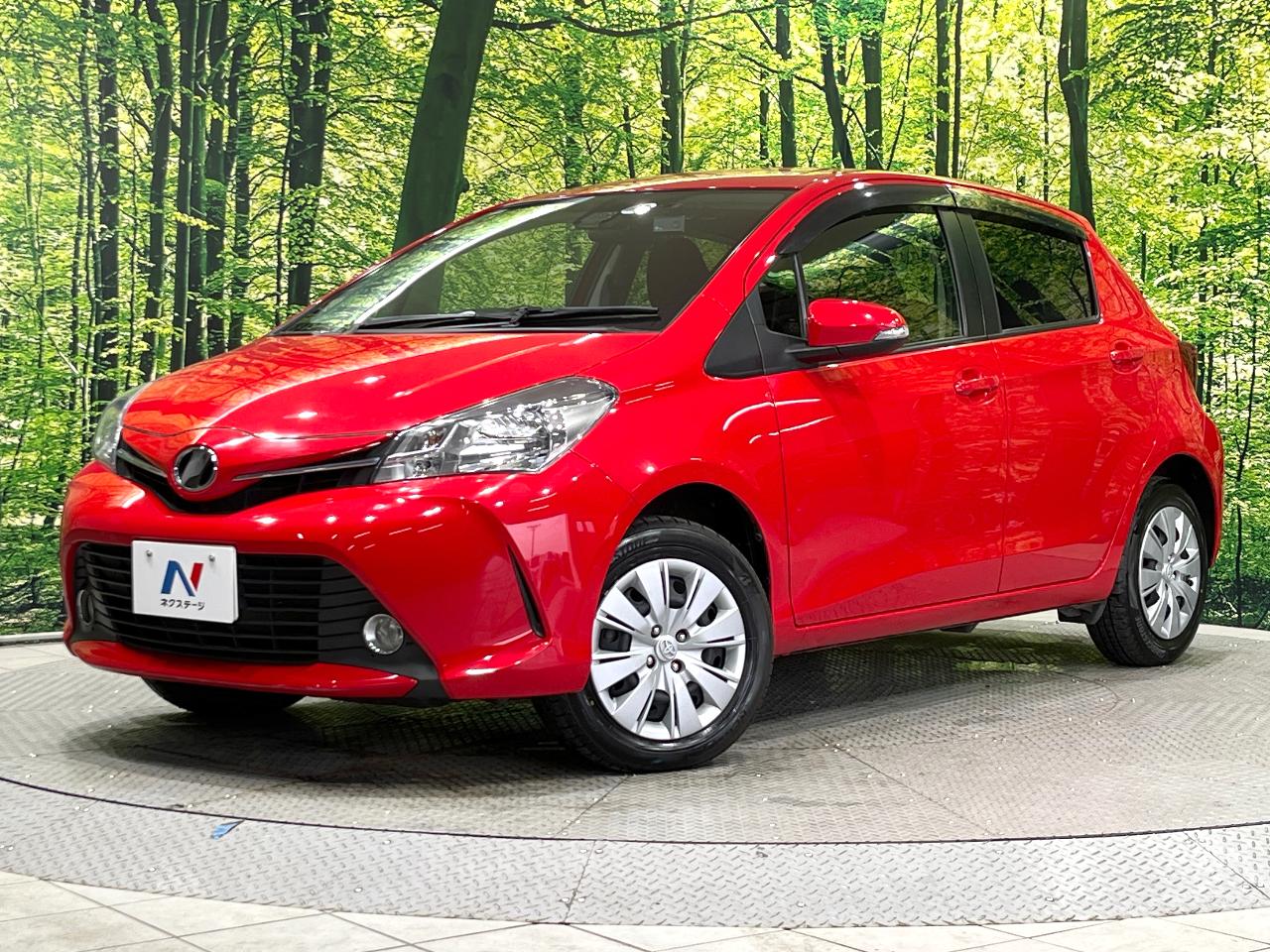
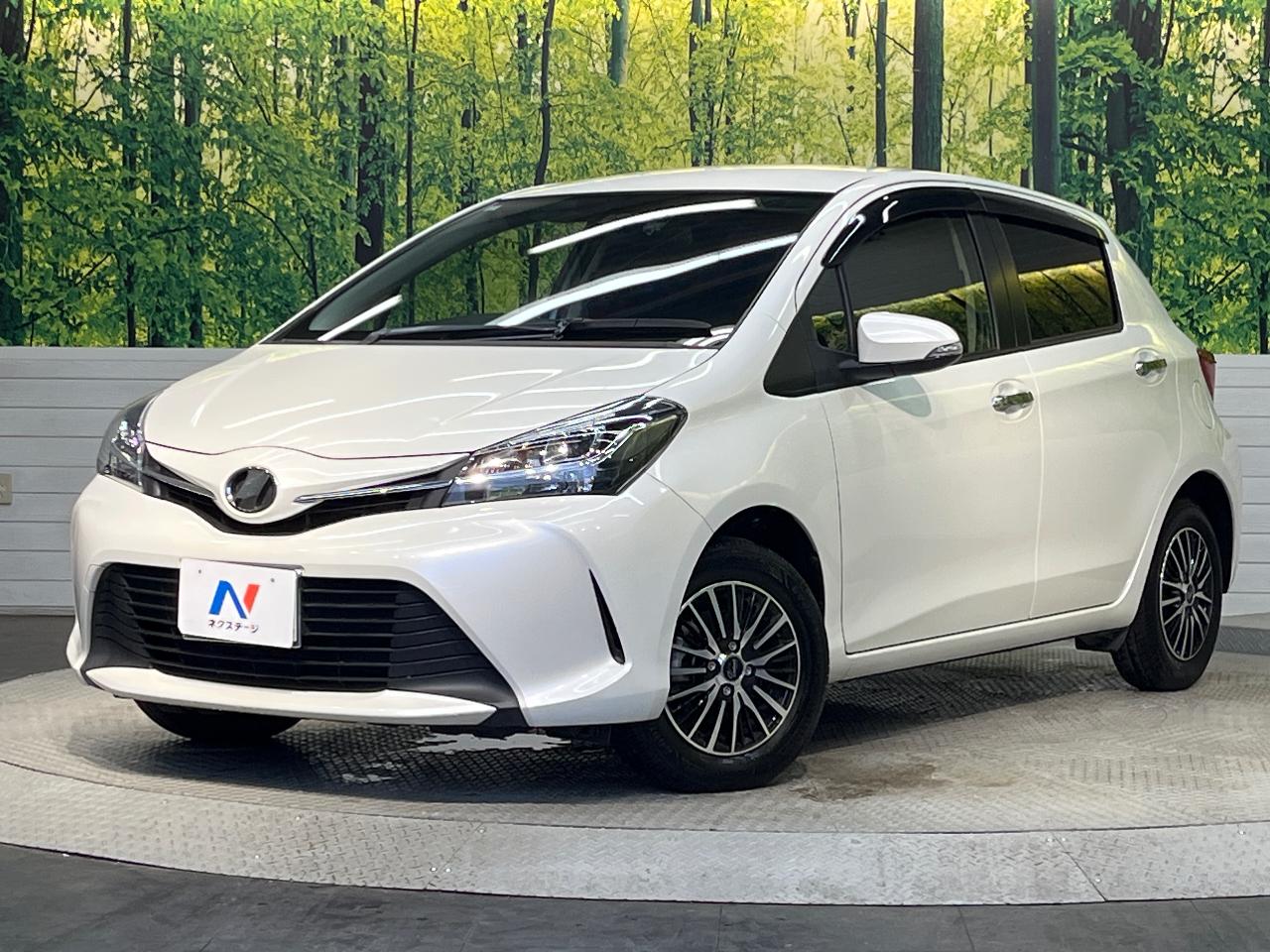
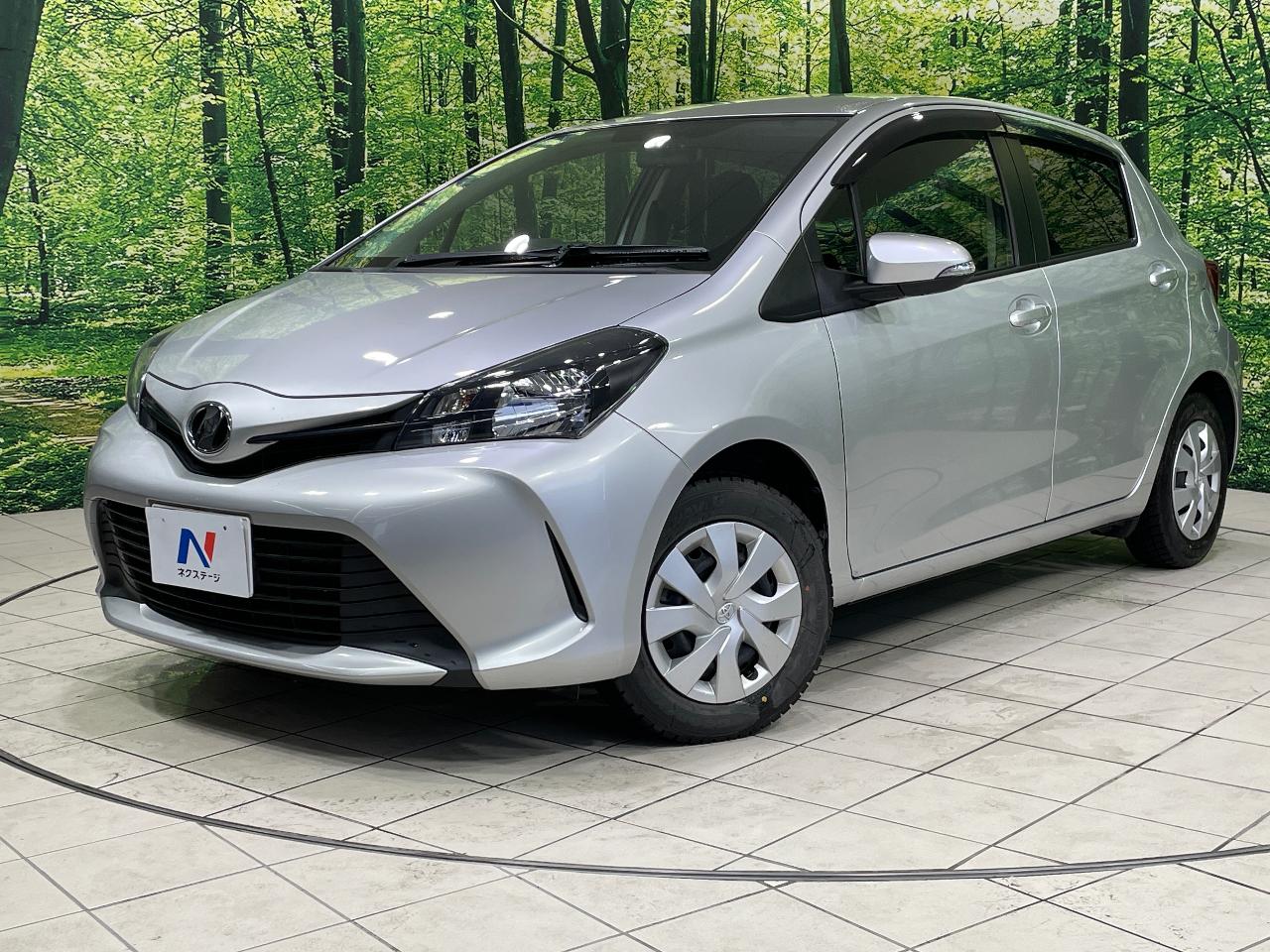
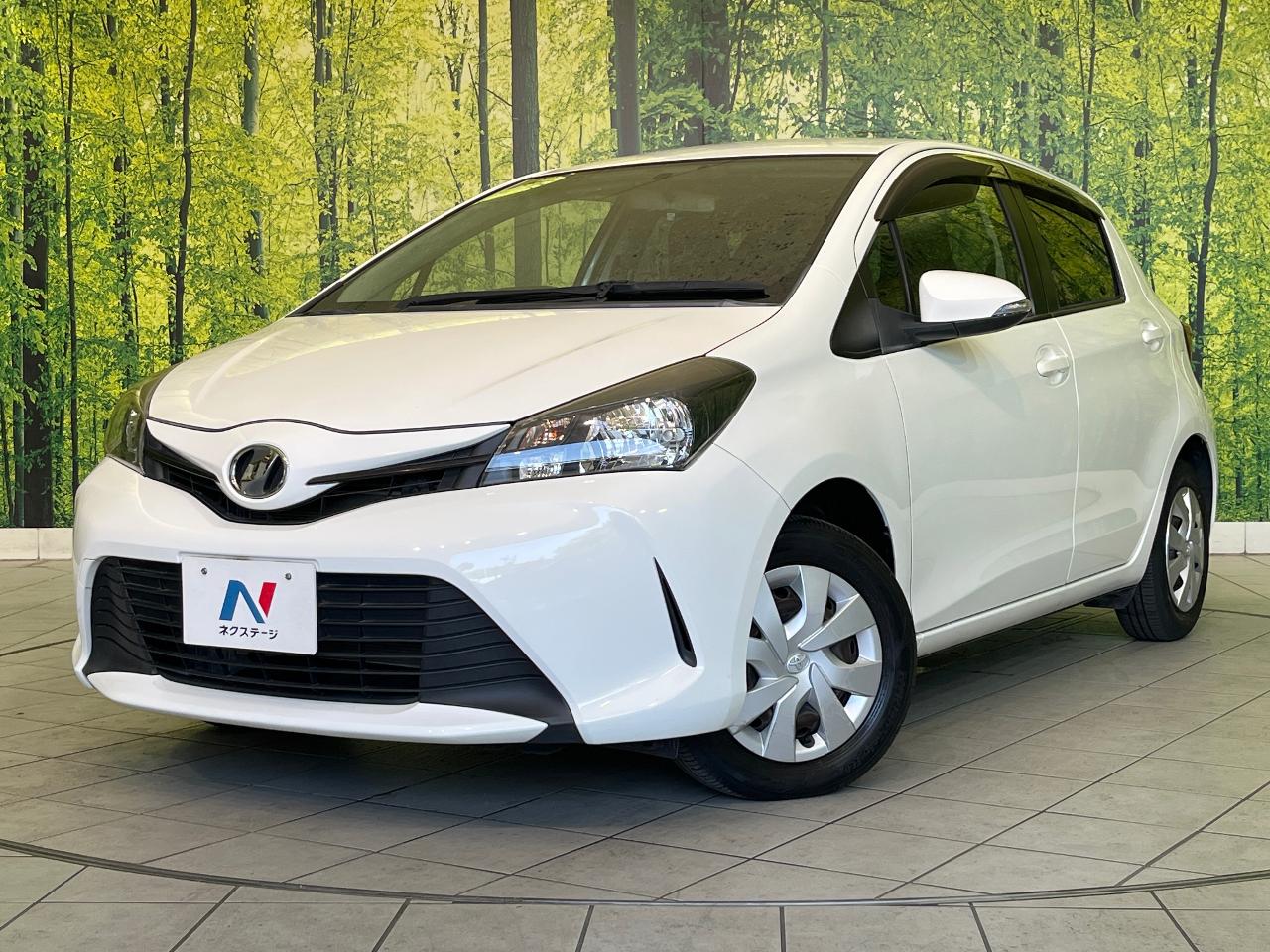
Used 2015 Toyota Vitz cars for sale
Vitz Buying Guide
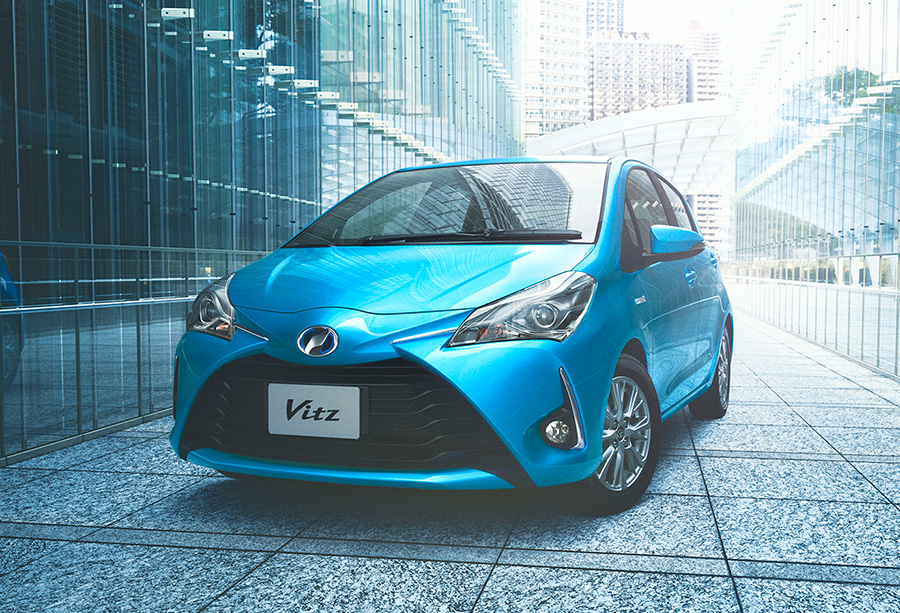
The Toyota Vitz, a B-segment compact hatchback, was sold in Japan from 1999 to 2020. Known as the "Vitz" in Japan, it was marketed as the "Yaris" in many overseas markets. The first generation was introduced in 1999, the second in 2005, and the third in 2010. The first generation was characterized by a lightweight, high-efficiency 1.0L package, the second by a larger body and increased safety and practicality, and the third by expanded rear seating and cargo area, as well as improved fuel efficiency. In Japanese specifications, the latter part of the third generation also added a hybrid variant, making it a model that progressively improved its equipment, safety, and environmental performance despite being a compact car. For our overseas readers, it is easily understood as a quintessential Japanese car, known for being small, durable, and with abundant parts distribution.
First-generation Vitz (XP10) - The original global compact that changed the era with its lightness and packaging efficiency.
The Appeal of the First Generation Vitz
The overwhelming ease of handling in town, brought about by a lightweight body and high-efficiency packaging.
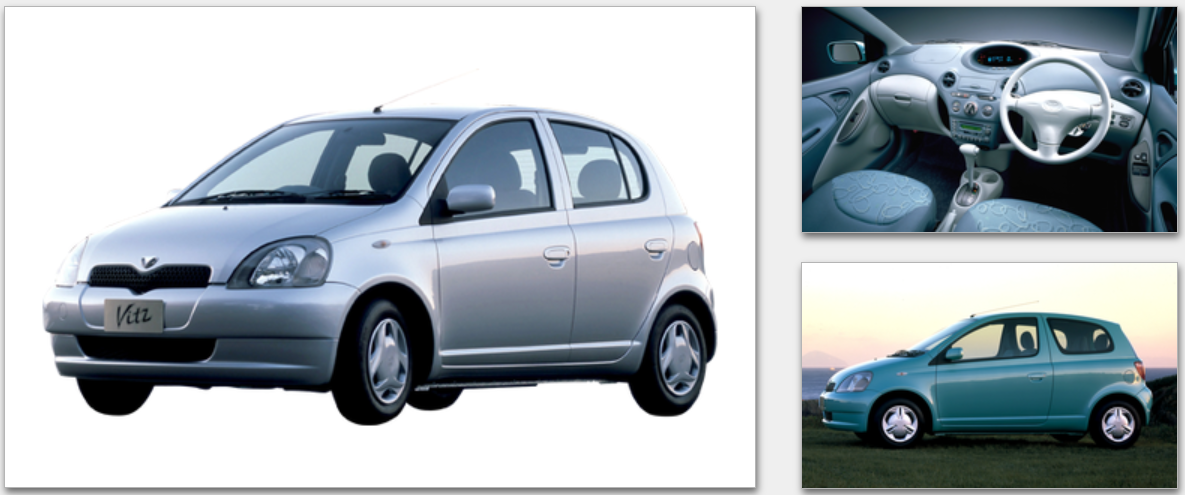
The first-generation Vitz debuted in 1999 as a successor to the Starlet, offering a very advanced package and dynamic style for its time. Despite its small, approximately 3.6m body, it offerings ample cabin space owing to a heightened overall height, achieving a spacious interior for an A-segment car. The quality of the car was feverishly accepted in Europe, and in 2000 it made history by becoming the first Toyota and second Japanese car to win the 'Car of the Year' award in Europe. A major feature of the interior is the 'center meter' located in the middle of the dashboard. The design allows for a broad field of view, making it easy to grasp the situation of the vehicles ahead and the road conditions. On the powertrain front, all SZ and NZ engines used feature a 'timing chain'. The needlessness of belt replacement for every 100,000km of driving is highly valued in the overseas used car market for its 'low-cost, long-life' appeal. The car features a simple, durable 5MT or 4AT transmission, offering excellent ease of maintenance even when compared to recent CVT cars. In Japan, both 3-door and 5-door variants were released, and in addition to the front-wheel drive 1.0L model, a 1.3L 4WD model was also introduced. The car's lightweight, good visibility, and nimbleness are still major attractions today, demonstrating its true value in the narrow streets and parking environments of urban areas.
Cons of the First-Generation Vitz
High-speed cruising and safety equipment are adequate for the times, but not quite suitable for long-distance travel.
The first-generation Vitz's weaknesses are undeniably its comfort and safety features, which are reflective of its era. The 1.0L and 1.3L options are sufficient for city driving, but they lack power when overtaking or climbing long inclines on highways. Cars with 4-speed automatic transmissions tend to run at higher rotations. As the body is light and the car is quite tall, it can be easily affected by crosswinds at high speeds, so don't expect the same straight-line stability or quietness you would from newer compact cars. Of course, it lacks advanced safety features, and its airbags and ABS are bare minimum by today's standards. If you're thinking of buying a used model, it's important to closely inspect the car's suspension bushings, transmission shocks, AC performance, and any undercarriage rust, which is a common issue with older Japanese cars. While this compact car is practical, it clearly falls short in terms of long-distance comfort compared to its successors.
The first-generation Vitz's rival
Honda Fit (First Generation GD series)
The primary competitor of the first-generation Vitz was the Honda Fit, which was introduced in 2001. The Fit, which belongs to the larger B-segment, offered more rear-seat space and a larger luggage room. Thanks to the center tank layout that enhances interior efficiency and the variety of seat arrangements, it dominated the Japanese compact car market. On the other hand, the Vitz was globally recognized for its high-quality even before the Fit's arrival. It is known for its straightforward, nimble city driving capabilities and the reliable, steadfast finish typical of Toyota. While the Fit outperformed the Vitz in cargo space arrangement and back-seat functionality, the Vitz's compact size made it easy to handle, especially for novice drivers and urban users. In the used car market, there are numerous fits available, but the globally high sales volume of the Vitz ensures ample supply of parts. It continues to be in demand as a base car for export. If you value nimble-driving and size, the first-generation Vitz is still an attractive option.
Specs of the First-Generation Vitz
Size: Total length 3,610mm x Total width 1,660mm x Total height approx. 1,500mm Engine: 1.0L 4-cylinder inline gasoline (1SZ-FE), 1.3L 4-cylinder inline gasoline (2NZ-FE / When adding 4WD) Transmission: 5MT, 4AT (Super ECT) Drive system: FF, 4WD Maximum output: Approx. 70ps for 1.0L, approx. 88ps for 1.3L Price range when new: From around 1 million yen to 1.5 million yen bracket.
Second-Generation Vitz (XP90) - Evolving into a 'Versatile Compact' with an Expanded Body and Improved Practicality
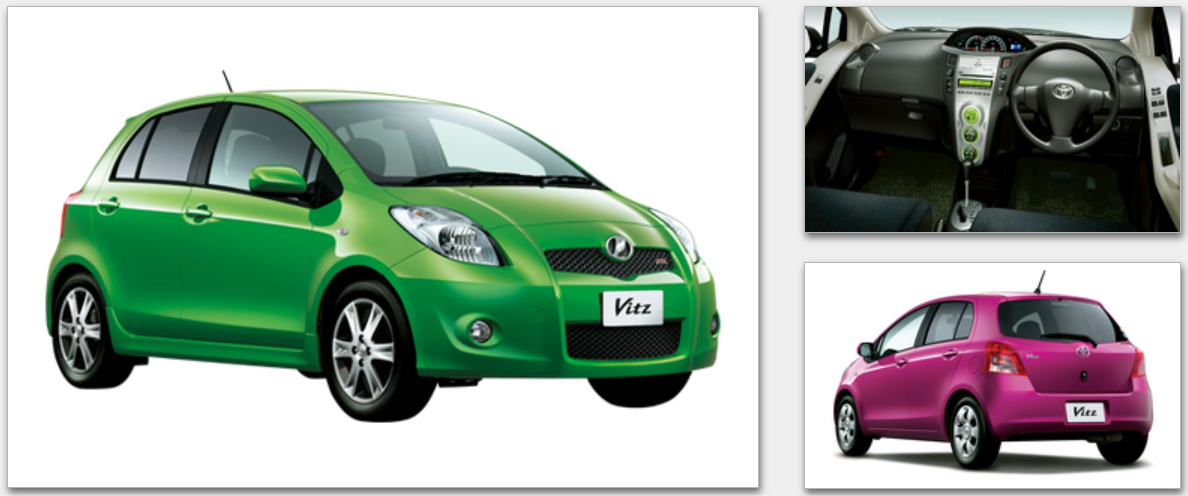
The Charm of the Second Generation Vitz
Safety, interior space, and powertrain options have significantly evolved.
The second generation Vitz was introduced in 2005, retaining the image of the first generation while increasing the body size to enhance collision safety and practicality. It was during this generation that modern conveniences such as smart keys, push start, and auto air conditioning started to become widespread. The engine lineup is extensive, ranging from 1.0L to 1.5L. However, it's worth noting the difference in mechanisms depending on the drive system. Smooth CVTs are adopted for FF cars, while 4WD cars are equipped with the proven "conventional 4AT". The simple and robust structure of the 4WD x 4AT package is especially trusted by users operating in harsh environments. In addition, as all engines employ a durable timing chain system, the maintenance costs can be kept low even after long periods of use. The lineup includes a Daihatsu-made 1.0L 3-cylinder (1KR-FE), a 1.3L 4-cylinder (2SZ-FE), a Toyota-made 1.3L for 4WD (2NZ-FE), and a 1.5L (1NZ-FE), matching CVT, 4AT for 4WD, and 5MT for RS to specific applications. The cabin is more spacious than the first generation, and both the driver's and passenger's seats are equipped with glove boxes ensuring ample storage space. Furthermore, it was pioneering among compact cars of the time in implementing fuel economy measures such as idling stop. The balance of practicality, economy, and reliability is excellent, making it easy to recognize as a reliable Japanese compact car.
Cons of the Second Generation Vitz
Reliable and excellent, but somewhat lacks character in terms of driving feel and texture.
The second-generation Vitz has a high overall performance, but it is somewhat average compared to the agility of the first generation or the full-featured feel of the later 3rd generation model. The CVT is smooth in the city, but there may be times when you're bothered by the unique vibration of the three-cylinder engine and the rubber band feel during rapid acceleration. If you're looking for a more exciting drive, the RS's 5MT may suit you. Also, the interior has a practical appeal, with a stronger impression of durability and cost consciousness than luxuriousness or soft padding. While the safety has improved from the first generation, it does not match modern preventive safety features. In terms of second hand cars, you'll want to check the management of CVT fluid, the condition of the transmission and drivetrain for 4WD cars, and potential wear and tear on the suspension system and around the doors and hatch due to the car's likely heavy usage as a compact model. Although the quality is high, this generation is characterized by a prominence of reliability over excitement.
Rivals of the second-generation Vitz
Mazda Demio (2nd generation DY / early 3rd generation DE)
A suitable comparison for the second-generation Toyota Vitz would be the Mazda Demio (also known as the Mazda2) from the same period. The Demio was popular for its nimble handling and stylish design, particularly among driving enthusiasts. On the other hand, the Vitz offered a variety of powertrain options, ranging from 1.0L to 1.5L, front-wheel drive to four-wheel drive, and continuously variable transmission to manual transmission. Additionally, the Vitz had an advantage regarding availability of parts and ease of maintenance, thanks to its high sales volume. While the Demio may have more character in terms of driving experience, the second-generation Vitz is more of a "standard" choice, considering daily use, maintenance costs, availability, and global popularity. If you're considering maintenance and resale value post-import, the Vitz remains an incredibly solid option.
Specifications of the Second Generation Vitz
Size: Approximate total length 3,750mm x total width 1,695mm x total height 1,520mm Engine: 1.0L inline 3-cylinder (1KR-FE), 1.3L inline 4-cylinder (2SZ-FE / 2NZ-FE), 1.5L inline 4-cylinder (1NZ-FE) Transmission: CVT(Front-wheel drive), 4AT (Four-wheel drive), 5MT (RS) Drive system: Front-wheel drive, Four-wheel drive Fuel efficiency: Over 20km/L for 1.0L/CVT series, lower for 1.5L and Four-wheel drive Price Range When New: From low 1 million yen to about 1.7 million yen.
Third Generation Vitz (XP130) - A mature generation that enhanced rear seats and fuel efficiency, and also acquired a hybrid model.
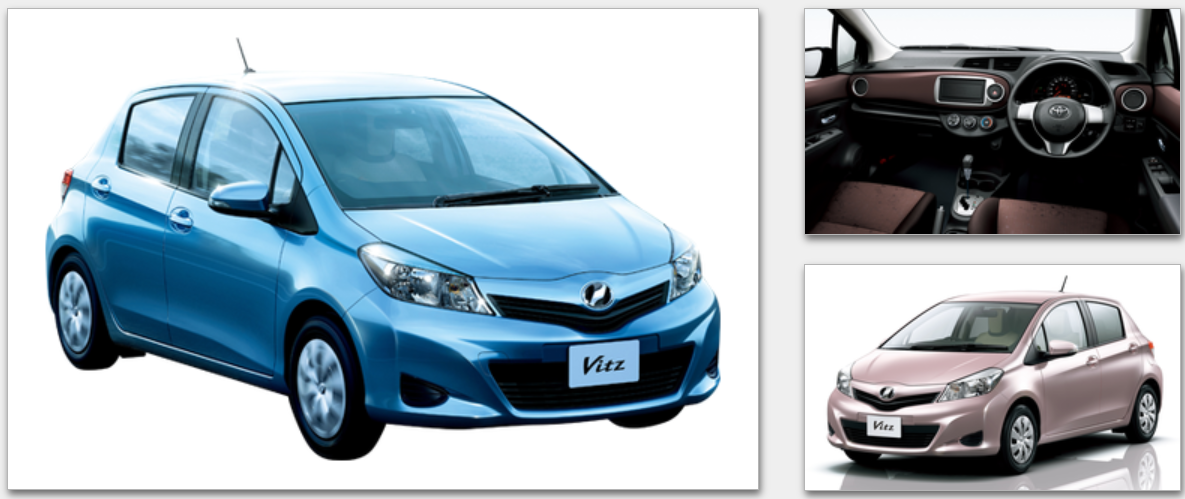
The Charm of the Third Generation Vitz
Expanded interior and improved fuel efficiency, with greatly enhanced safety in later models.
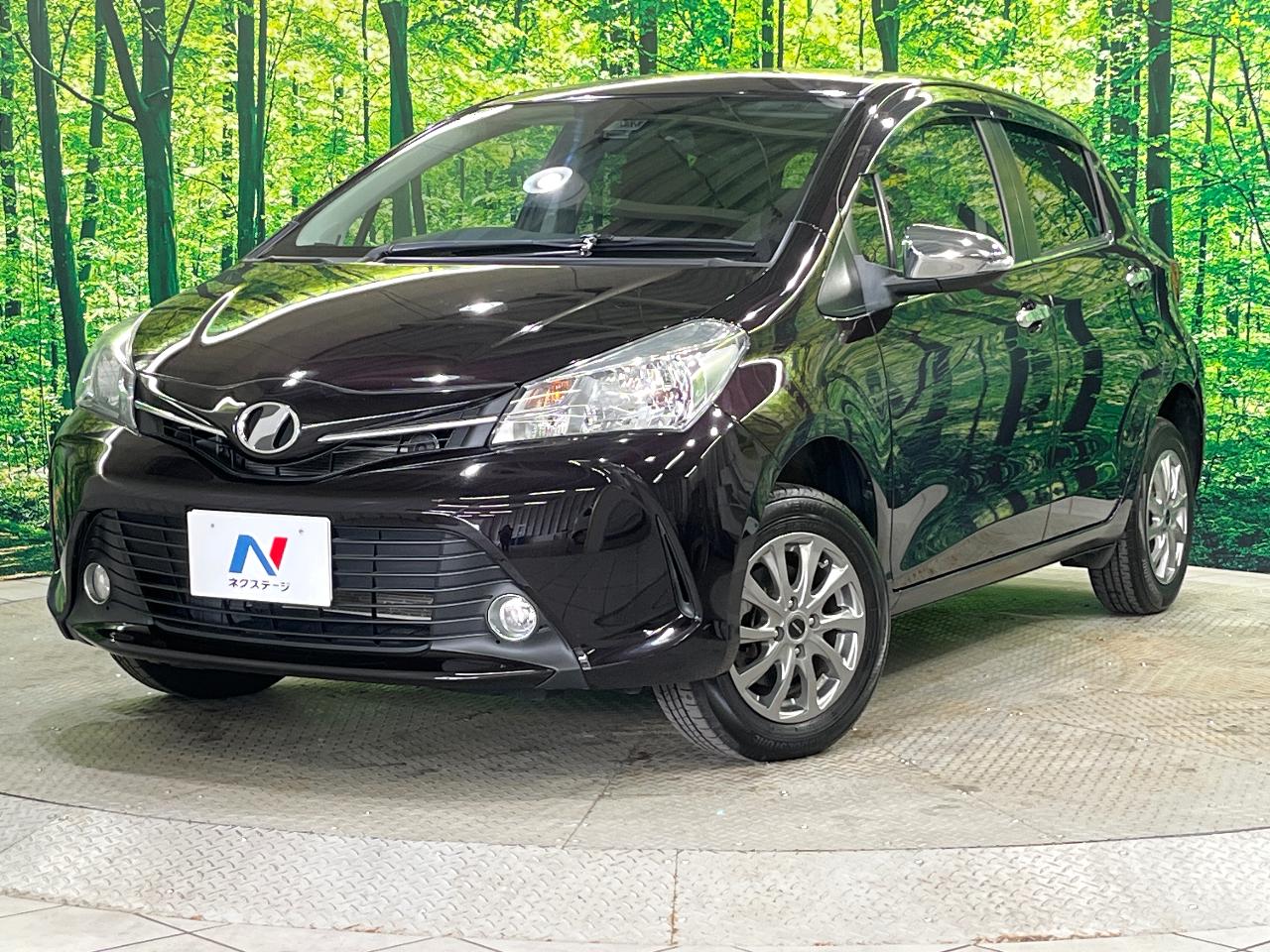
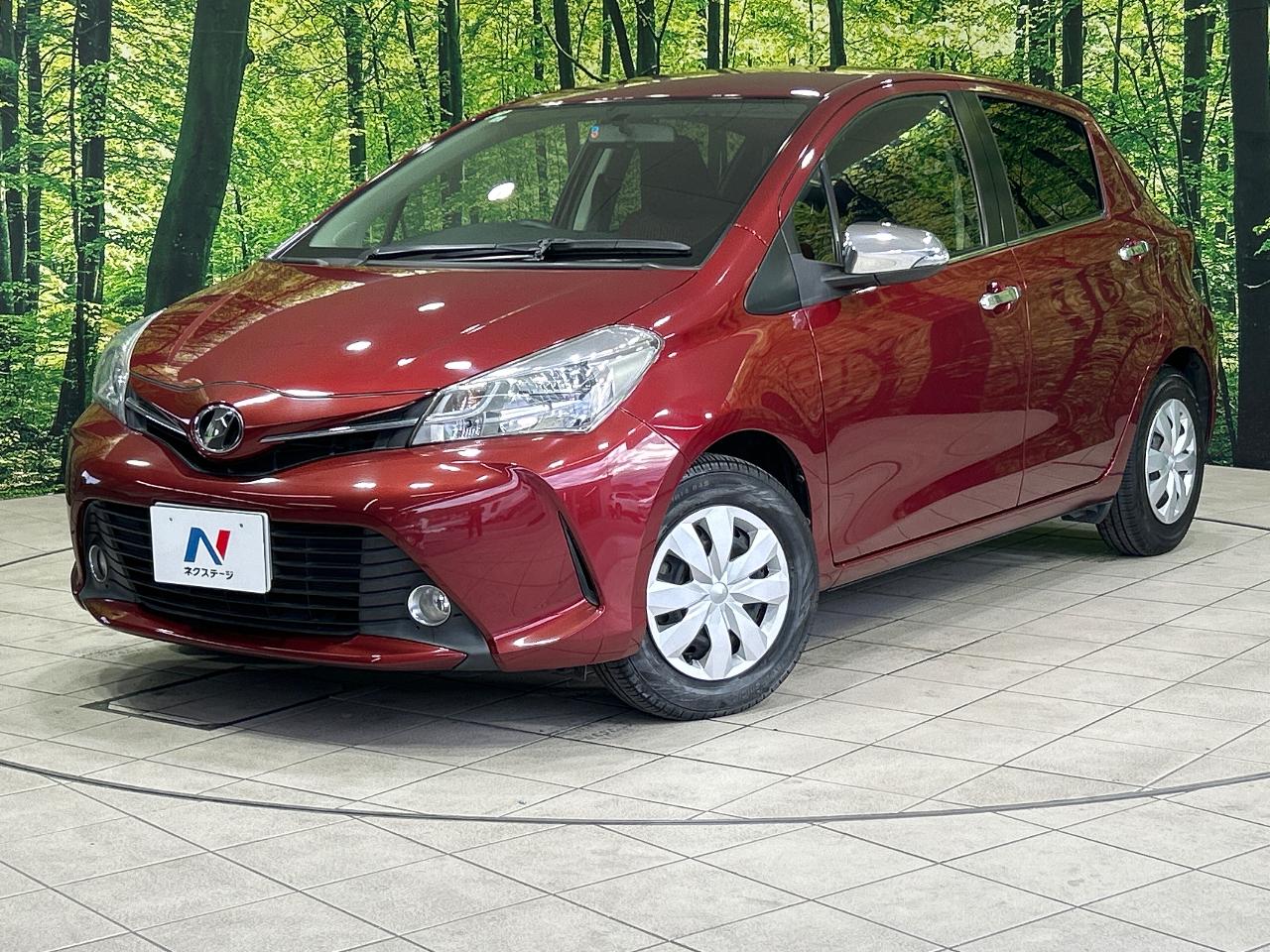
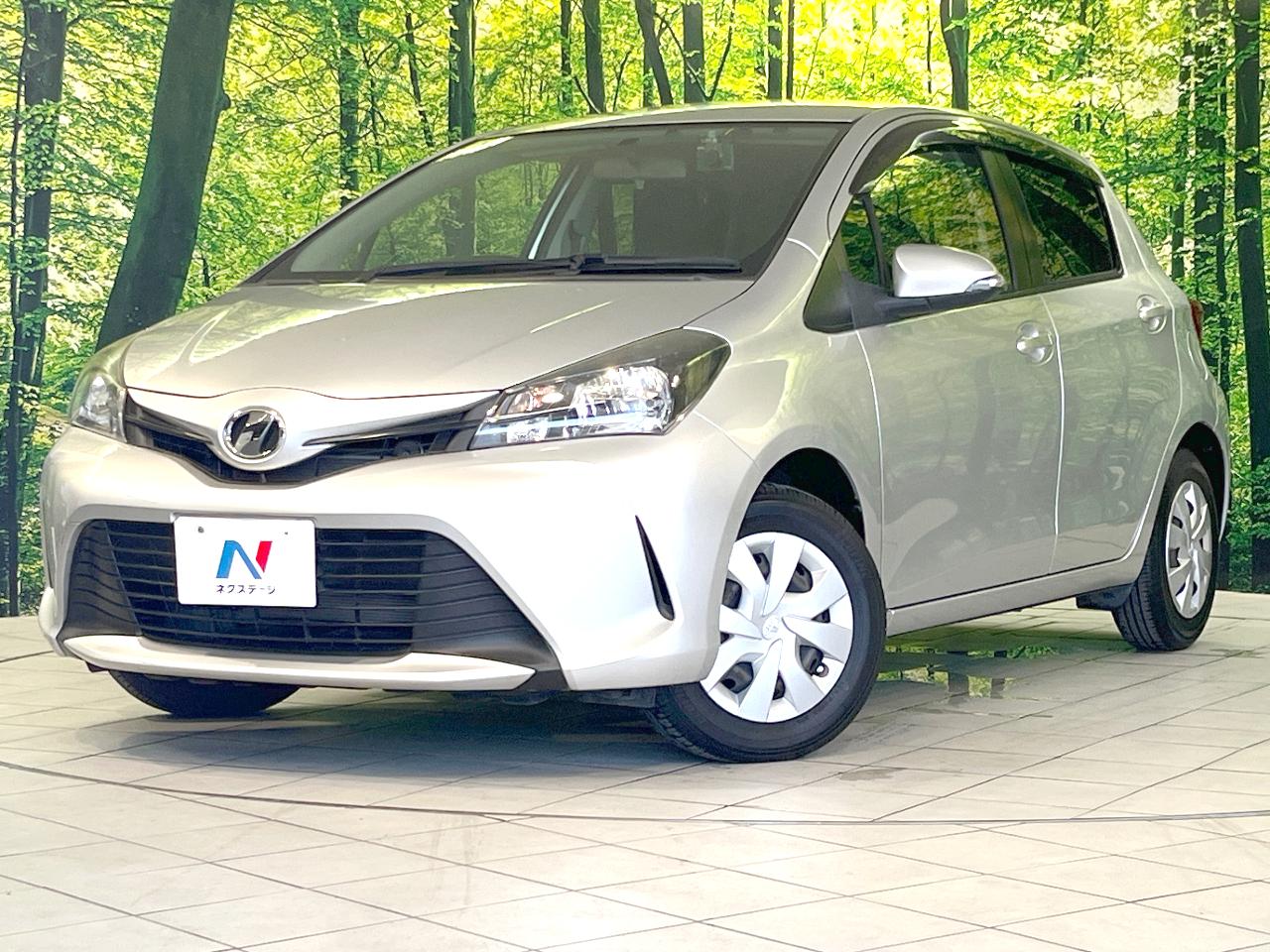
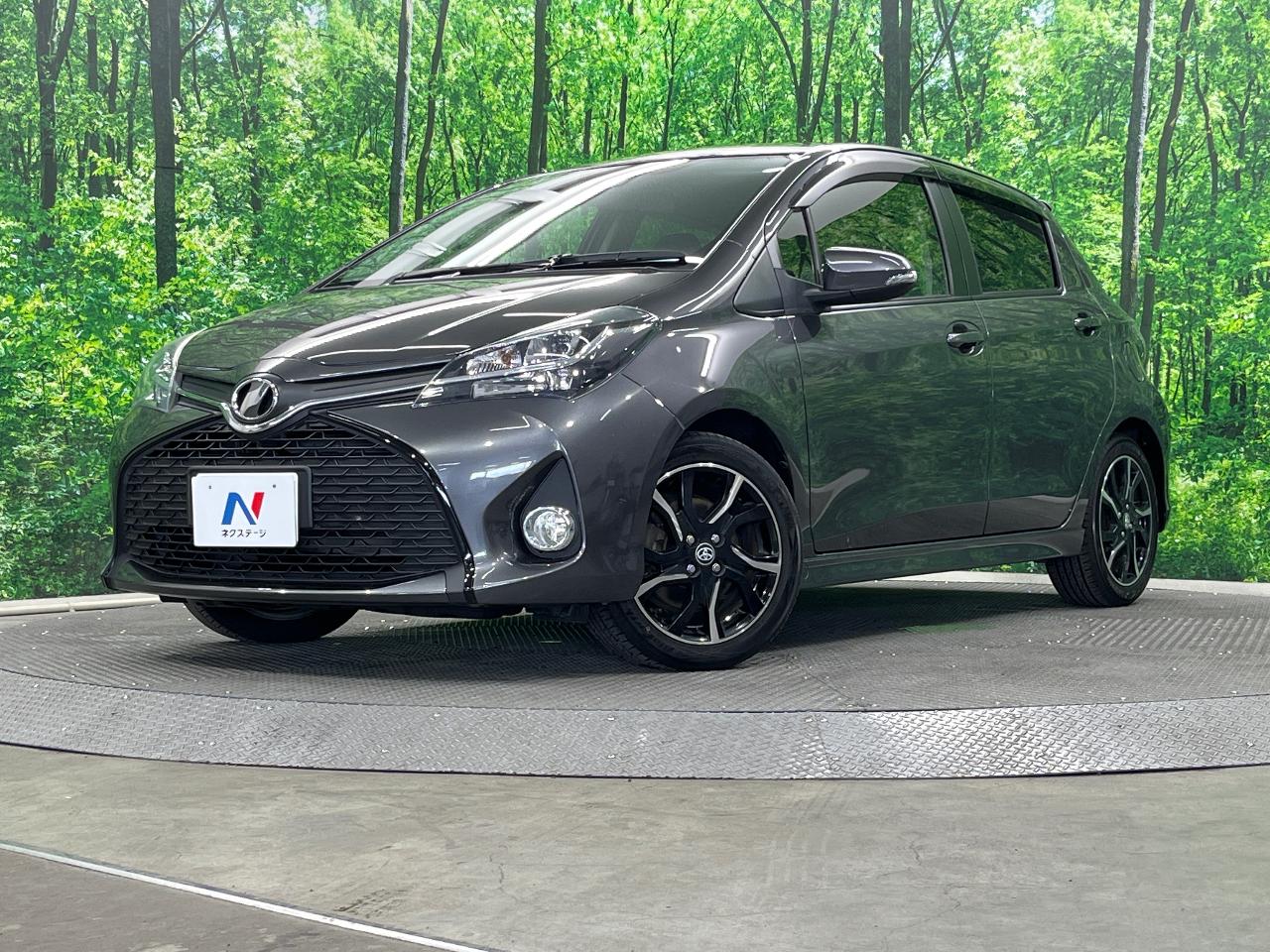
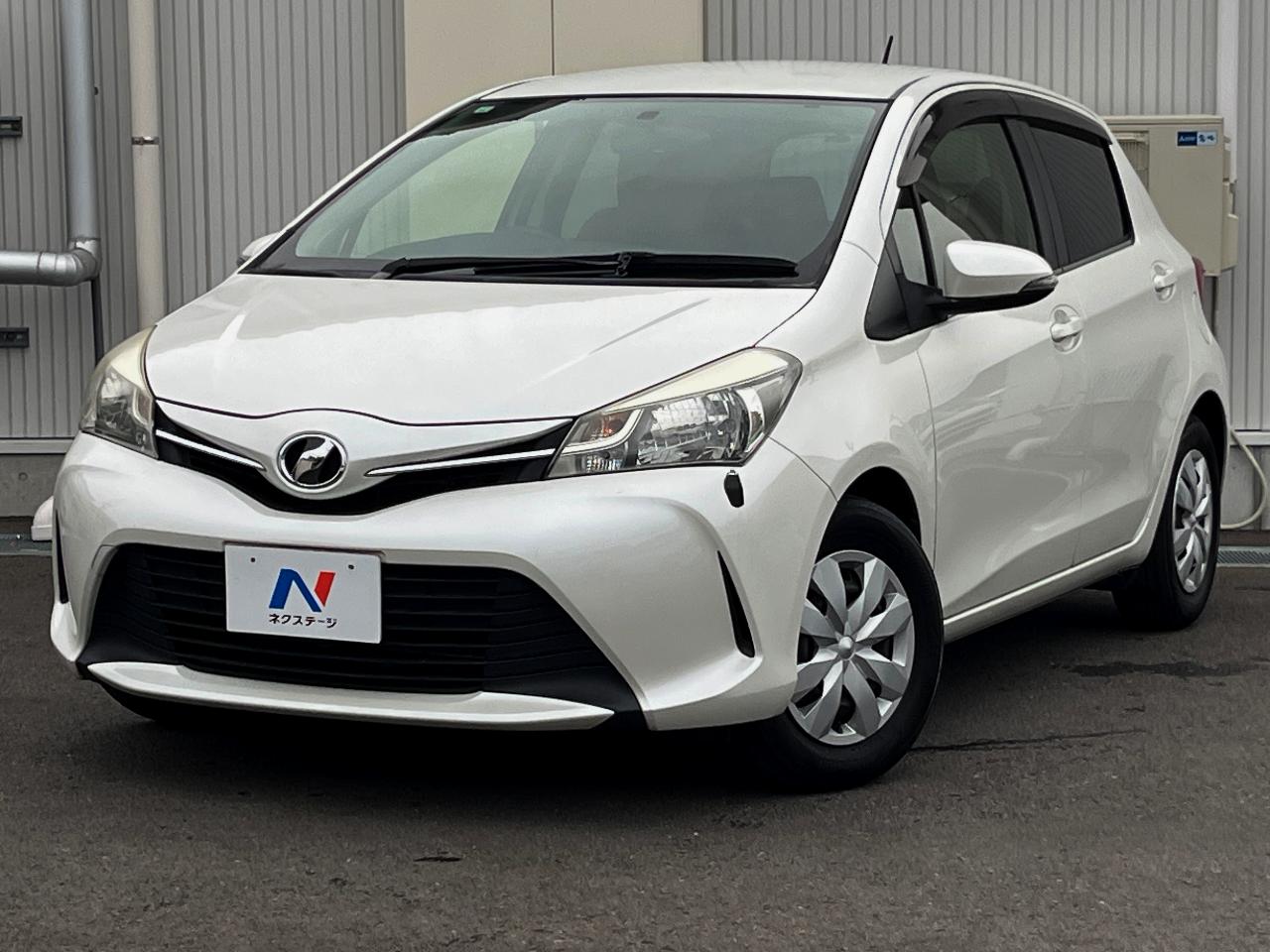
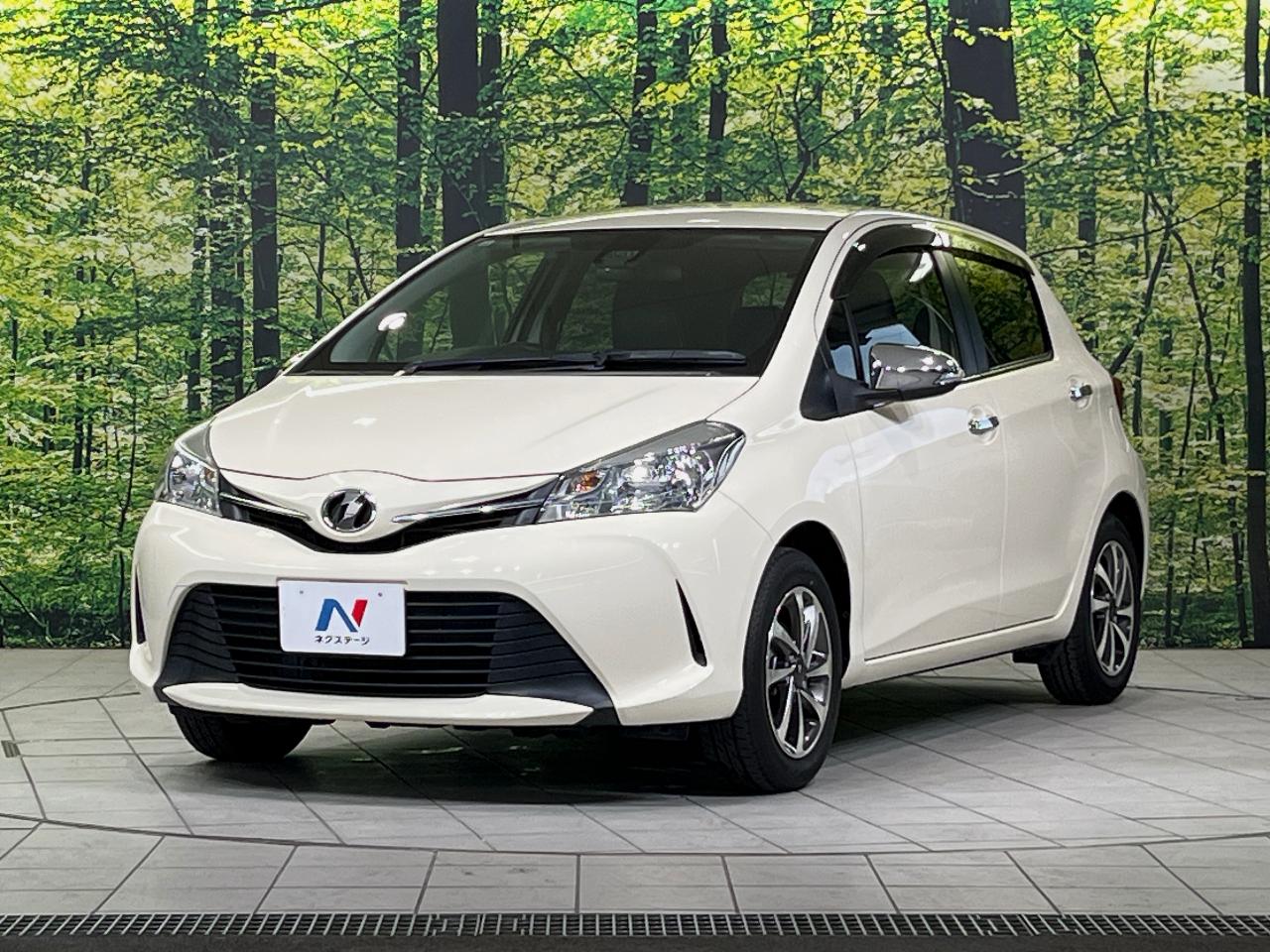
The third-generation Vitz debuted in December 2010, with a 135mm extension in length and a 50mm longer wheelbase, significantly improving rear passenger space and cargo volume. From this generation onwards, the meter panel was moved to a traditional front of the driver position, providing a more orthodox and natural operation feel. In Japan specifications, in addition to the 1.0L 3-cylinder, 1.3L 4-cylinder, and 1.5L 4-cylinder gasoline versions, a 1.5L 4-cylinder hybrid was added in 2017. Particularly for the 1.3L model (post 2014), the efficient 1NR-FKE engine was adopted, achieving fuel efficiency comparable to hybrids. Furthermore, from 2015 onwards, the collision avoidance assistance package "Toyota Safety Sense C" has been offered, catering to the safety-focused needs of overseas customers. The exterior has undergone two significant facelifts in the middle of this generation, creating different looks in the early, mid, and late stages. The used car market presents a vast range of choices, from basic grades meeting the needs of economical "runabout" cars, to the performance-focused "RS", and even the rare, high-performance "GRMN" model drawing attention from enthusiasts worldwide. The adaptability to various needs is a major appeal of this generation.
Drawbacks of the Third Generation Vitz
The differences in features between the first and second half of the model year are significant, so choosing the right grade is crucial.
The third generation is a very diverse generation, as it has been on sale for a long period and includes models of different years and with different improvements. The early models are relatively simple in terms of safety features and are less competitive compared to the later models and the hybrids. The 1.0L model may be sufficient in the city, but on highways and uphill roads, it may feel a bit underpowered. It's safer to go with something 1.3L or more if comfort is a priority. The design also tends to be divisive. The earlier models have a soft, rounded face, while the later models feature a sharp face with a large grille. Compared to the successor model, the Yaris (XP210 series), which prioritizes the enjoyment of driving and has a tighter interior space, this third-generation Vitz places greater emphasis on spacious rear seats and cargo area. This generation may be a particularly good option for users who value having multiple passengers or load capacity. When choosing a used model, it is important to clearly differentiate between the early and late models, safety equipment, and whether it is a hybrid.
Rivals of the third-generation Vitz
Nissan Note (E12 series)
The leading rival of the third-generation Vitz is the Nissan Note (E12 series). The Note, which was developed targeting the domestically popular Fit, holds superiority comparable to the Fit in terms of rear-seat and cargo space, and gained strong appeal with the addition of e-POWER for its novelty in electric power. On the other hand, the Vitz, which has been sold globally for a long time, leans on its accumulated experience in powertrain, parts, and maintenance, and it stands out for its high basic reliability. Moreover, the Vitz also has sporty derivatives like the RS and GRMN, offering more than just practicality. While the Note is attractive for its interior efficiency and advancement, the Vitz remains strong with its manageable size, reliability, and wealth of options. Considering it for export and as a base used car, the third-generation Vitz stands out for "wide price range" and "stable parts supply".
Specifications of the 3rd Generation Vitz
Size: Total length about 3,885mm x Total width 1,695mm x Total height between 1,500mm to 1,510mm, Wheelbase 2,510mm Engine: 1.0L Inline 3-cylinder (1KR-FE), 1.3L Inline 4-cylinder (1NR-FE/1NR-FKE), 1.5L Inline 4-cylinder (1NZ-FE), 1.5L Hybrid (1NZ-FXE) Transmission: CVT, 5MT (RS), Electric CVT (Hybrid) Drive System: FF, 4WD, some Hybrid FF Fuel Efficiency: 20km/L for gasoline, 34.4km/L for hybrid (Japan JC08) Price range for new cars: From early 1 million yen to over 2 million yen.