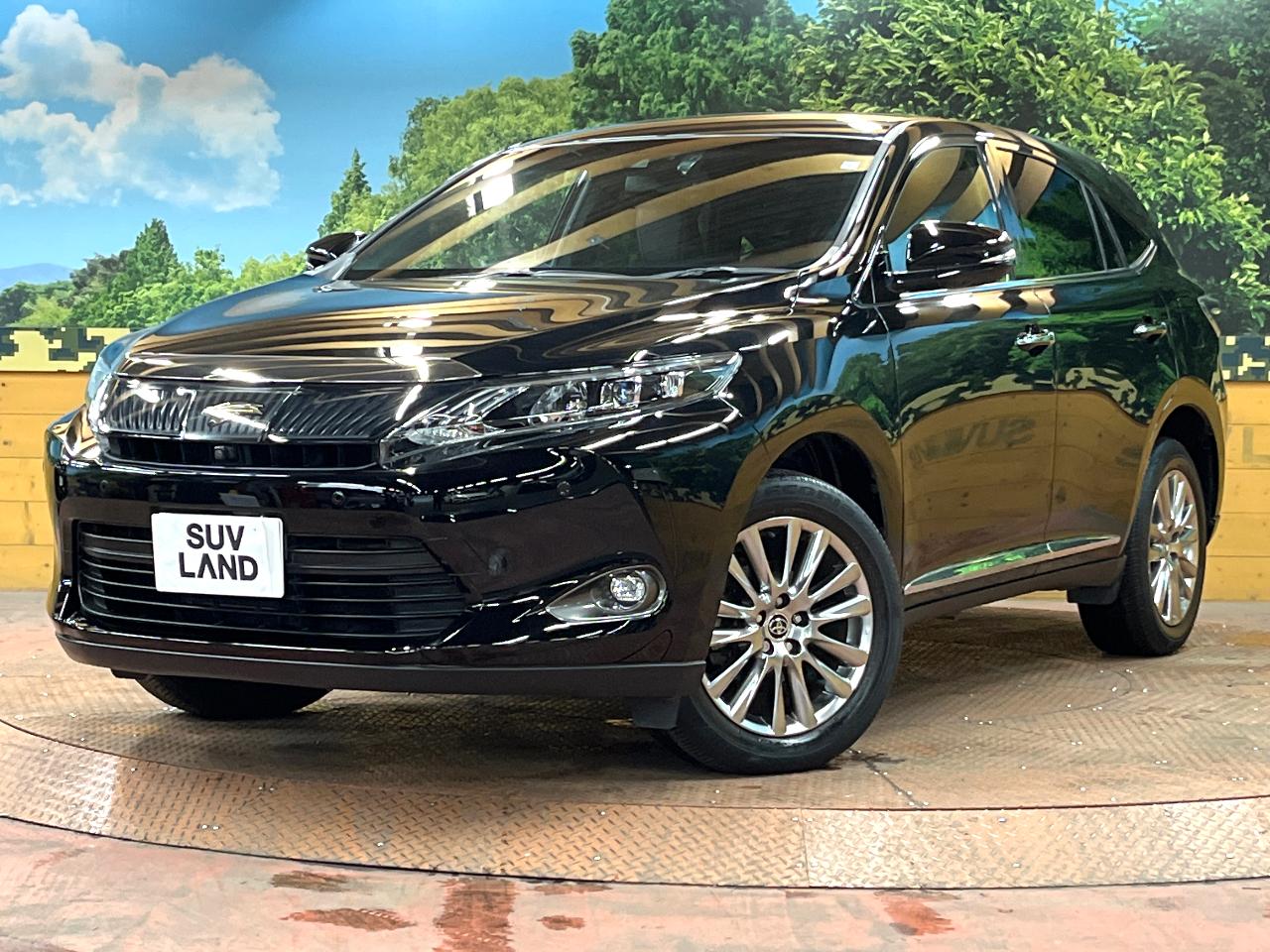
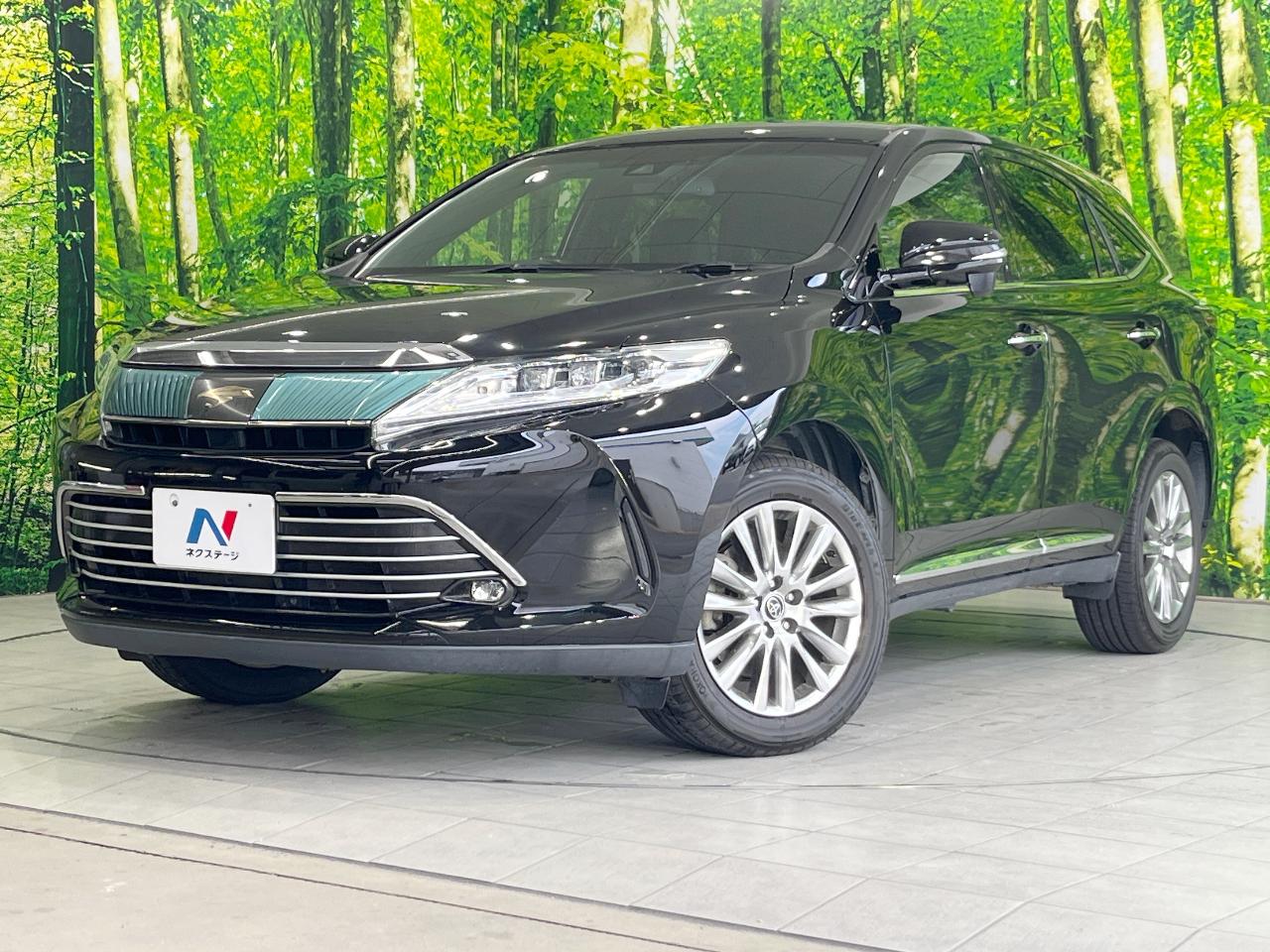
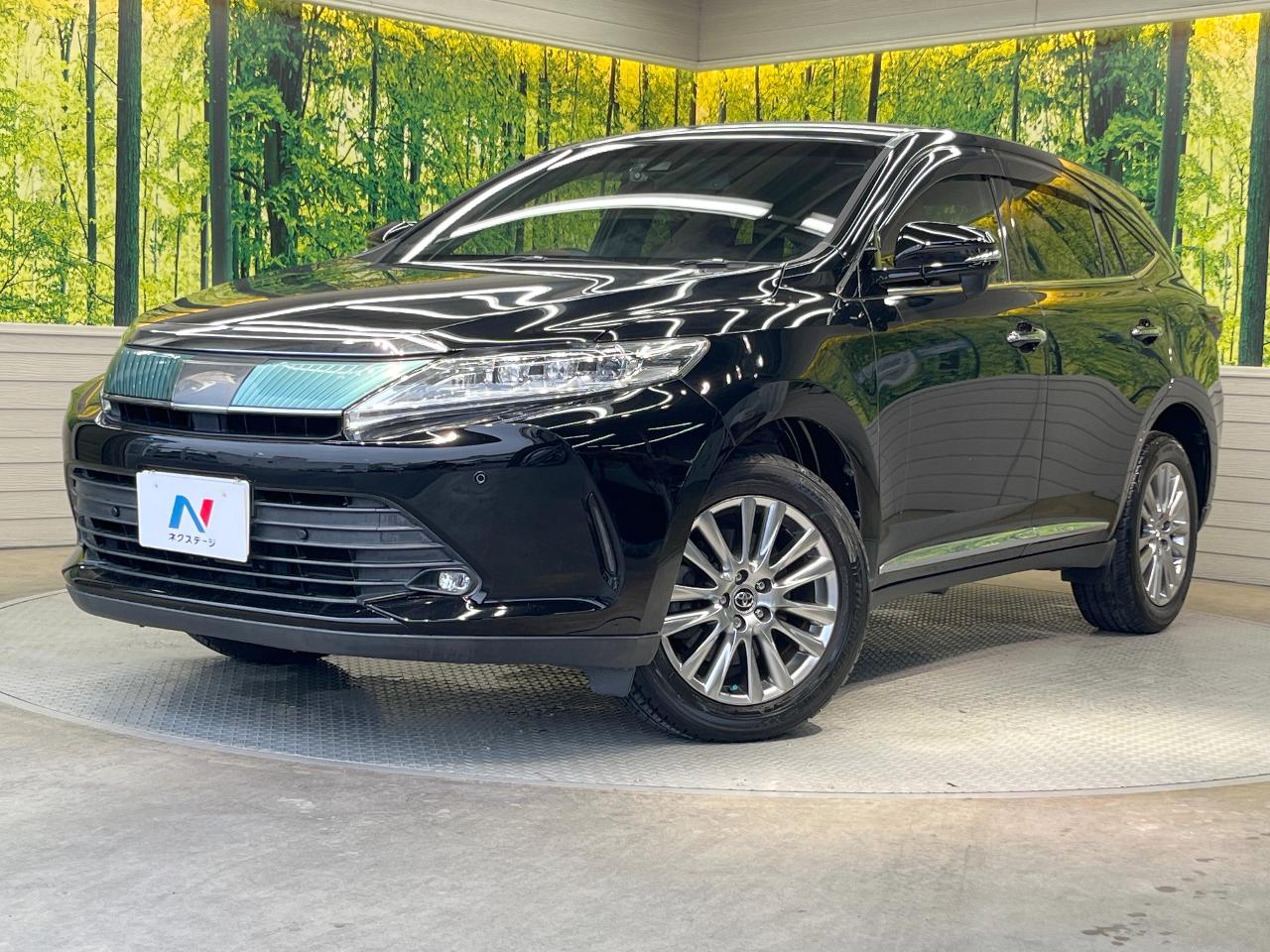
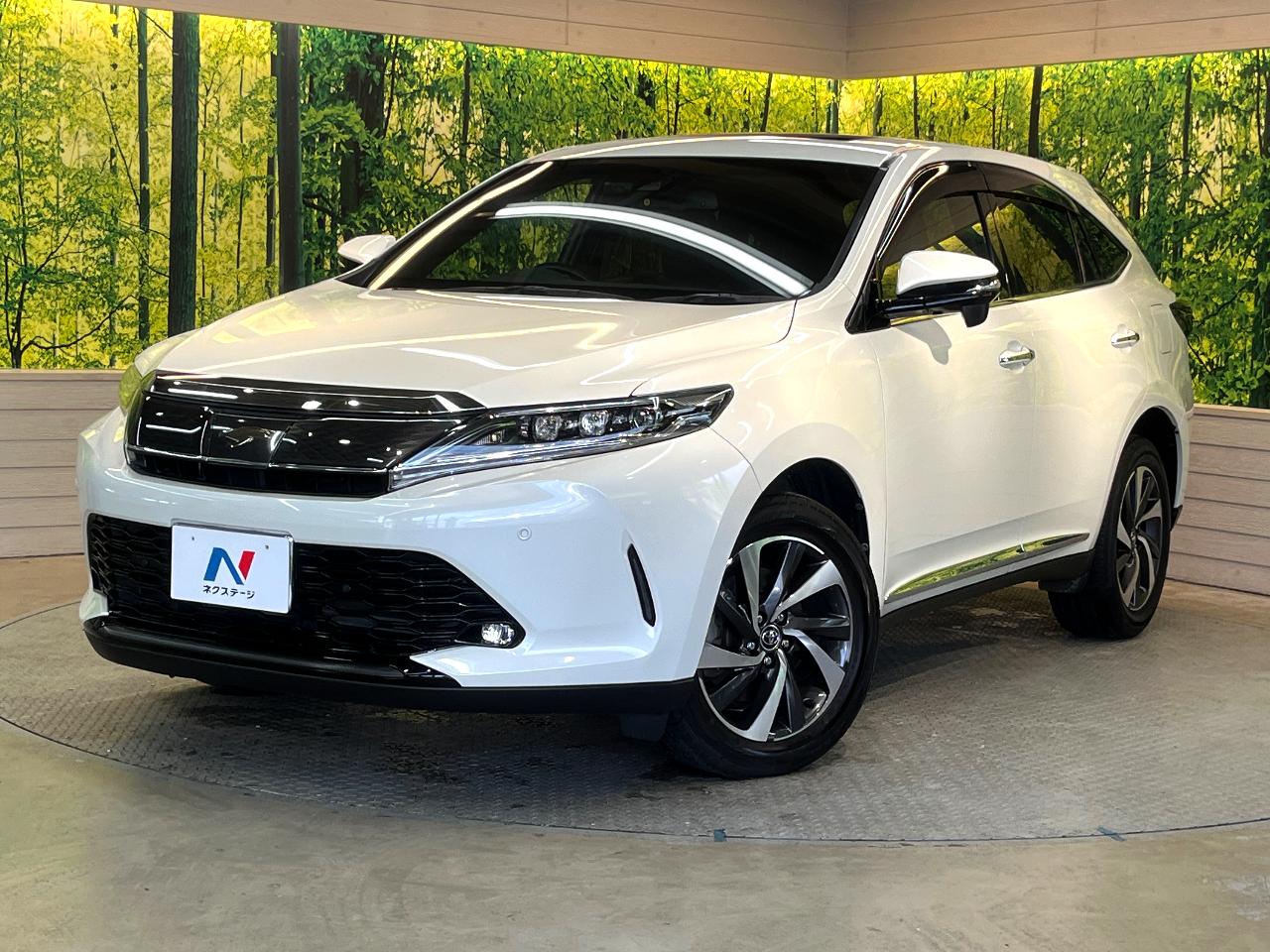
Used 2017 Toyota Harrier cars for sale
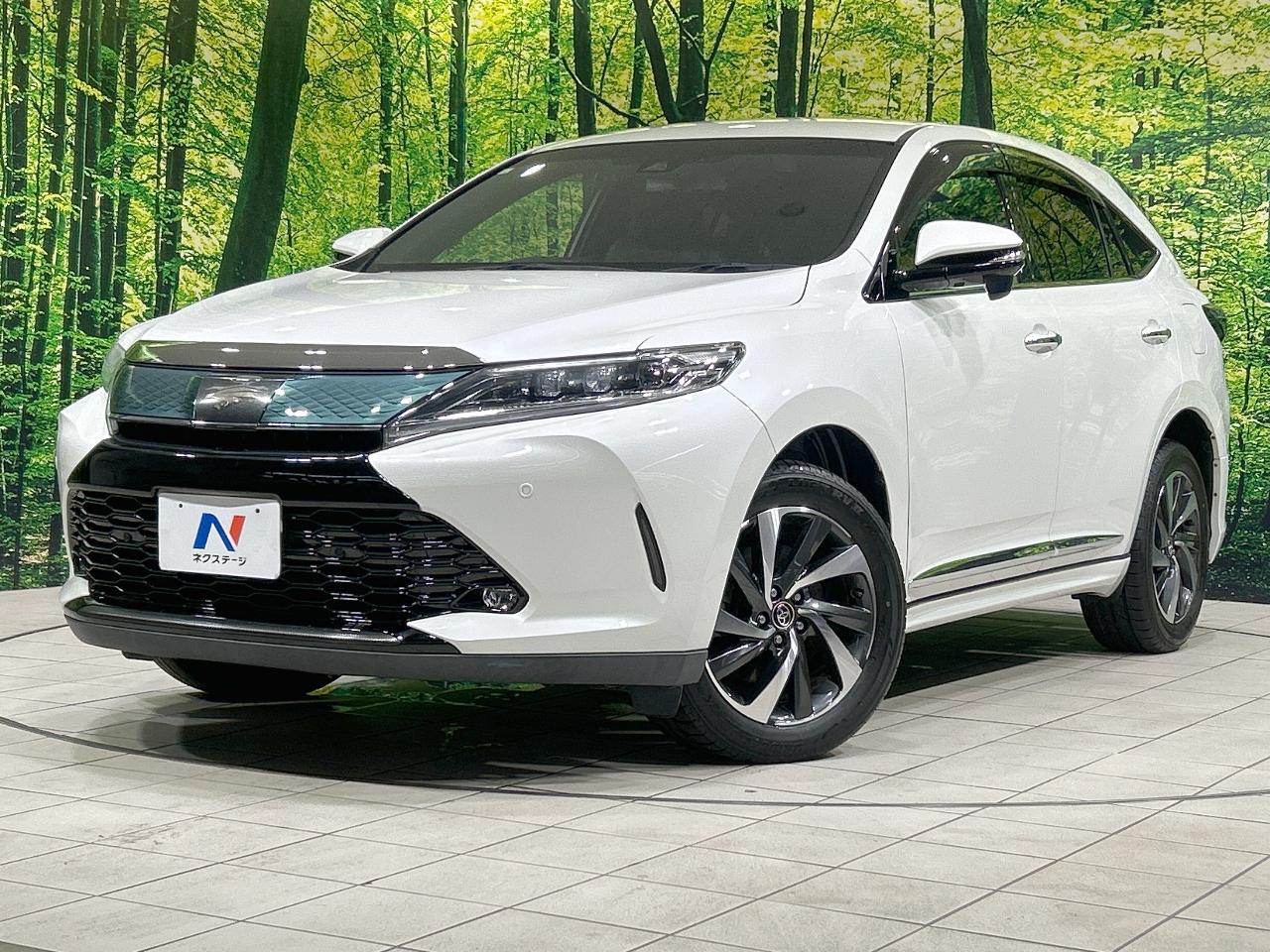
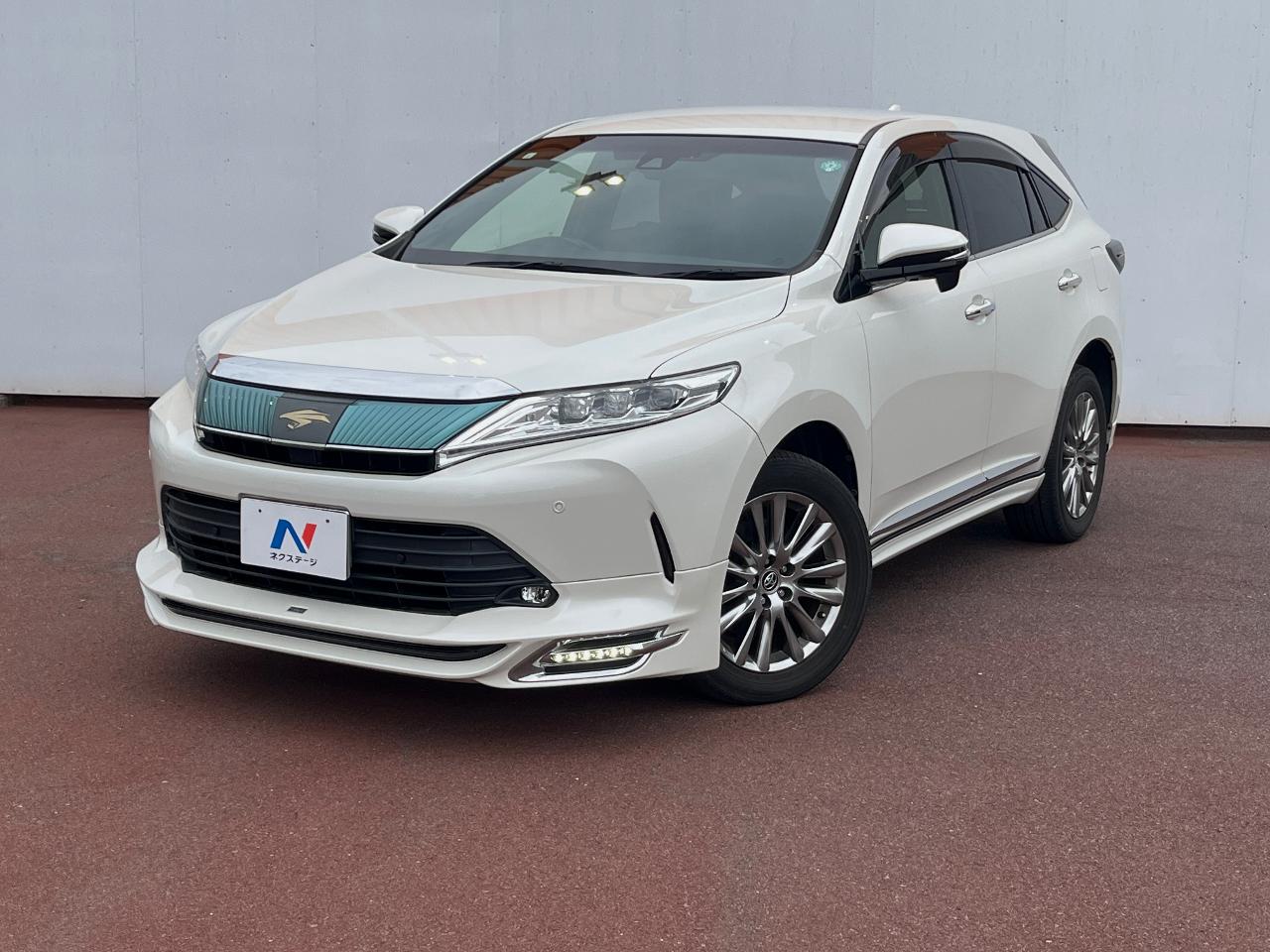
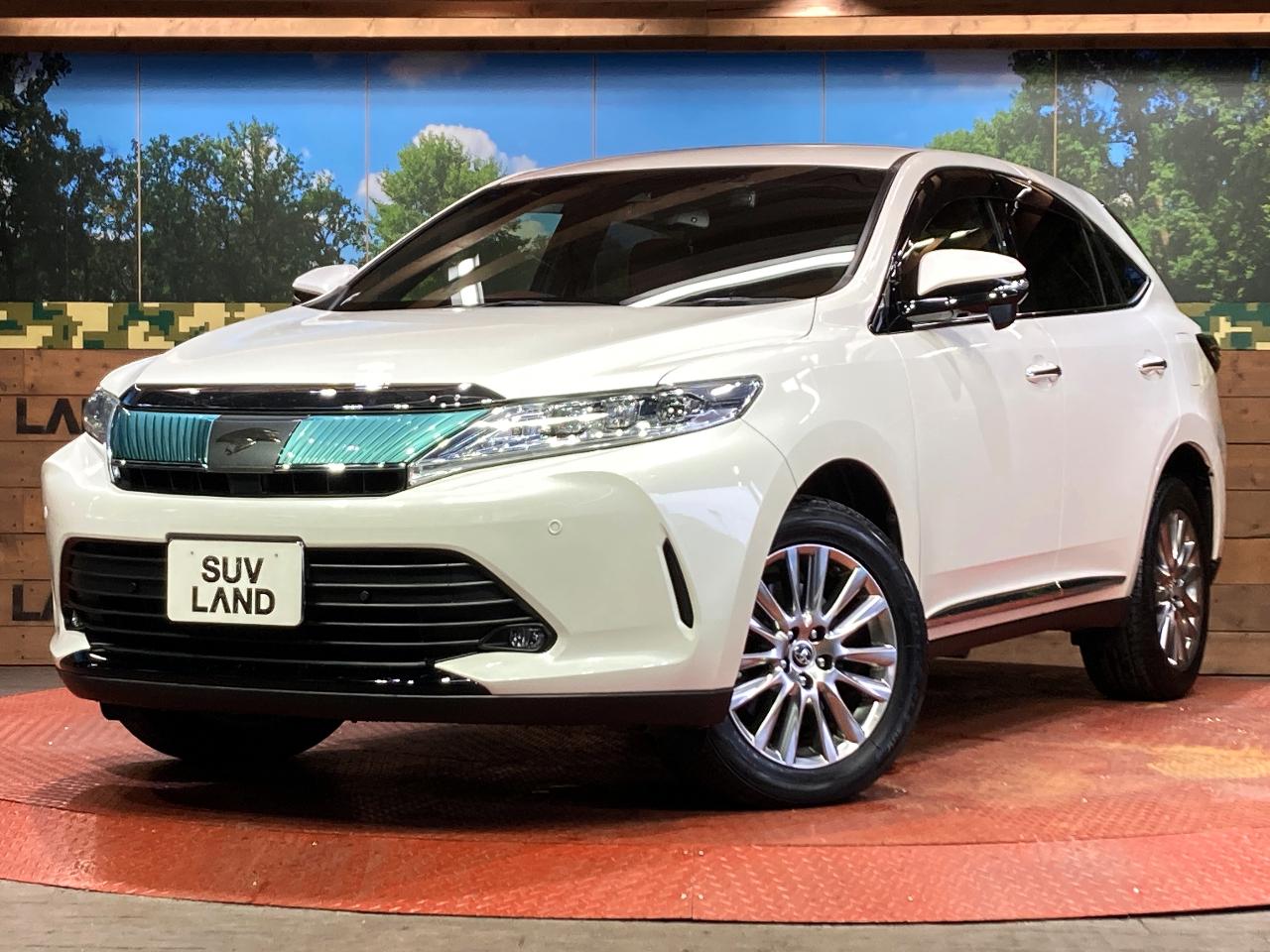
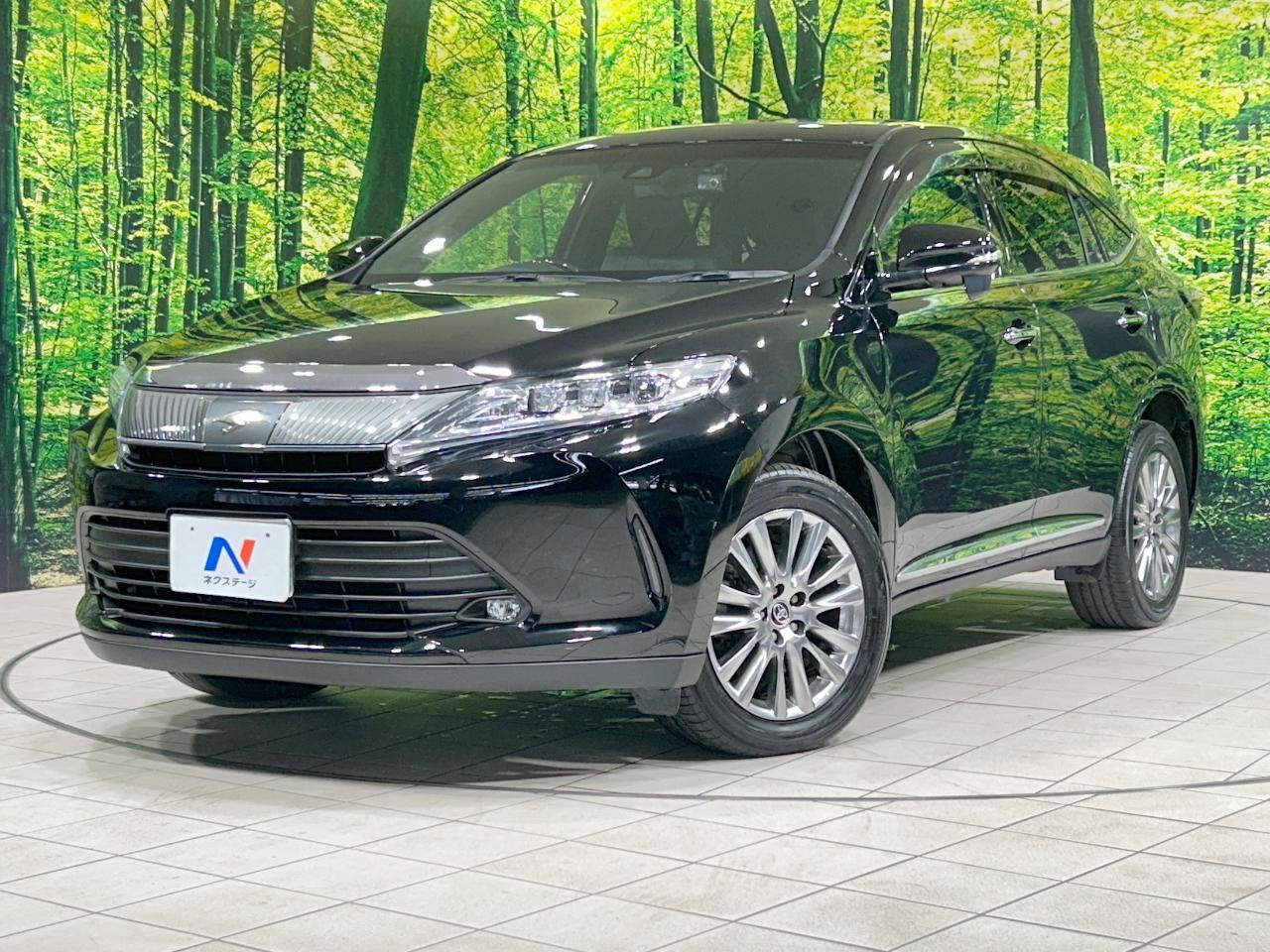
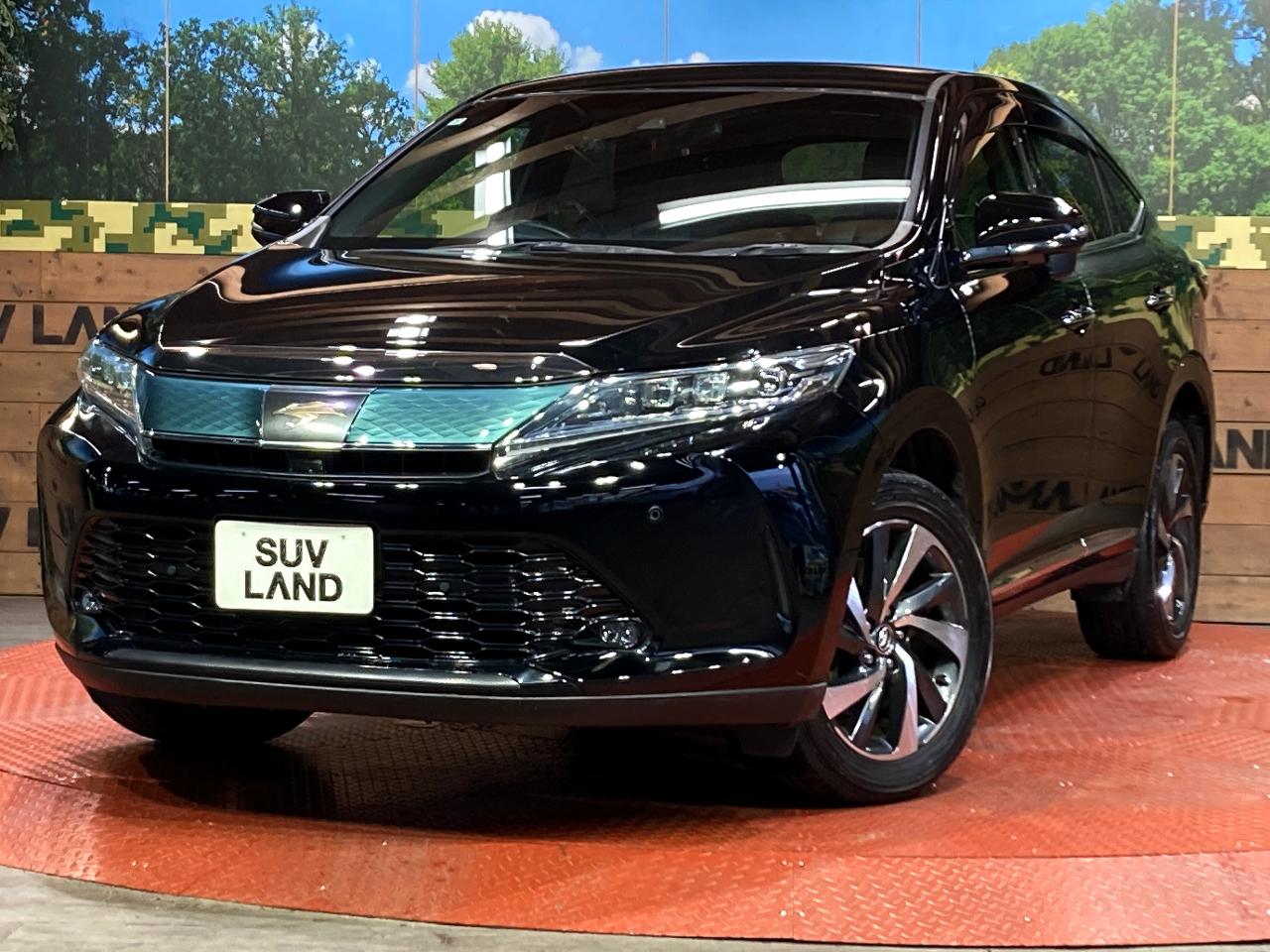
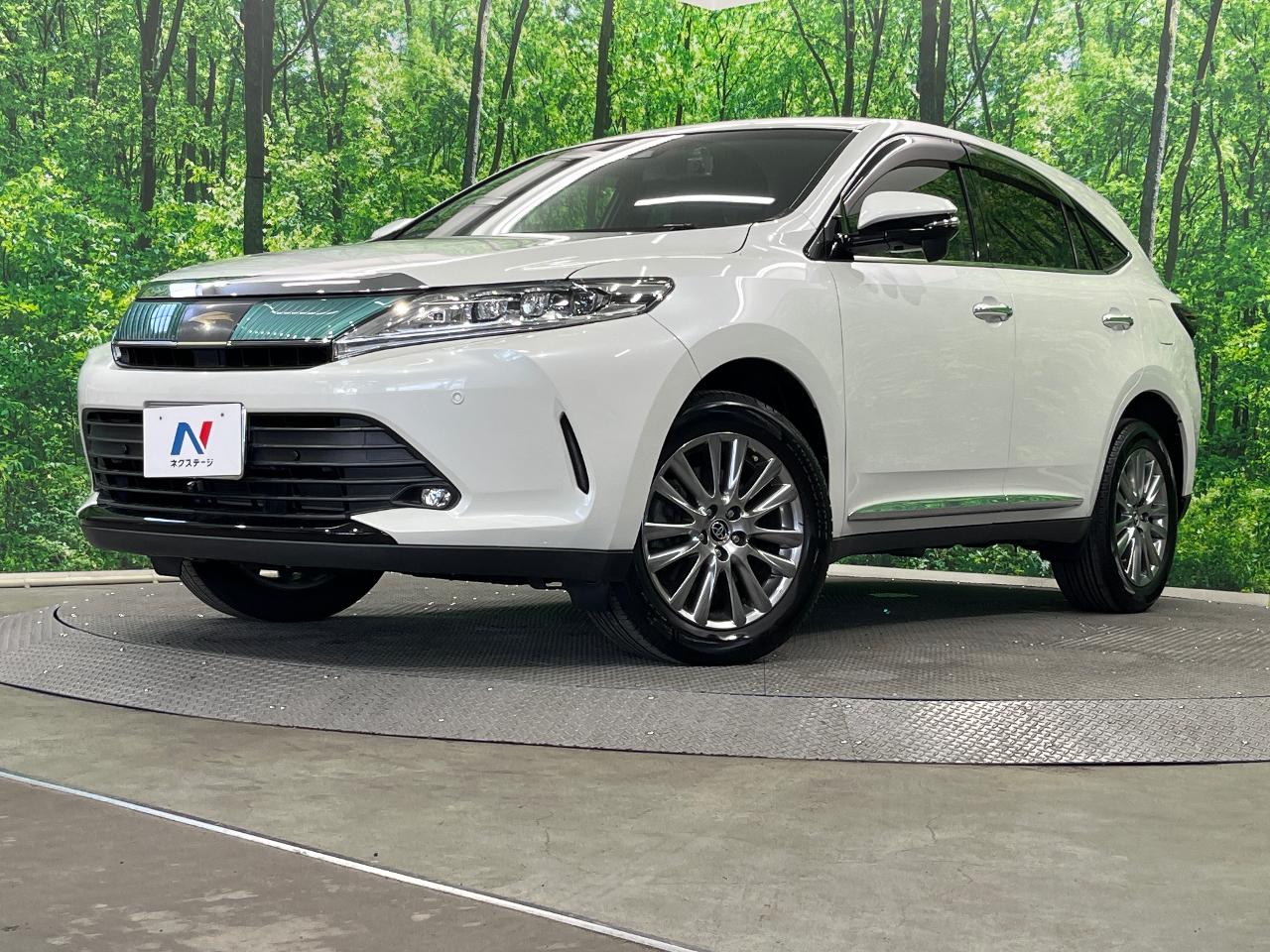
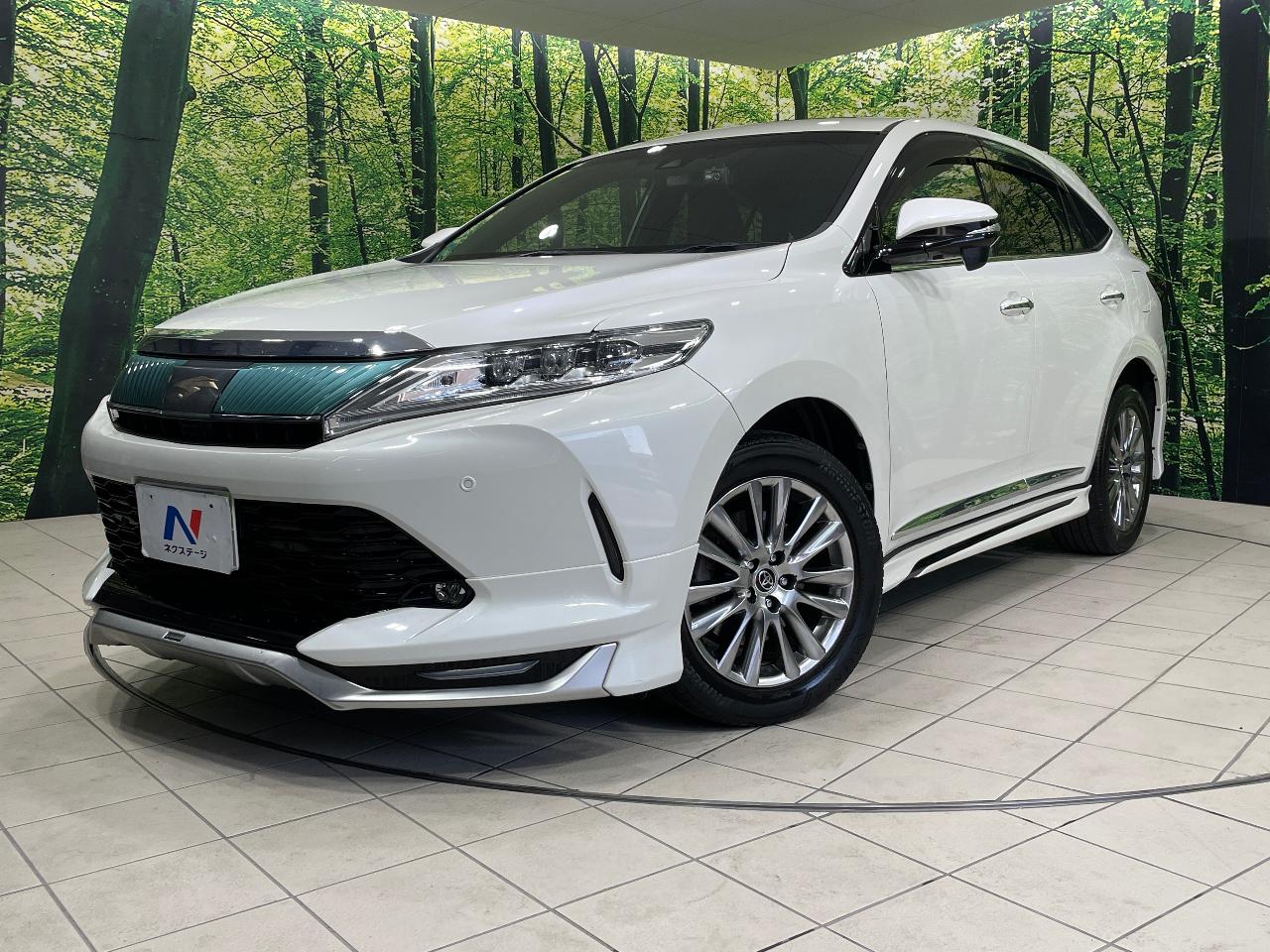
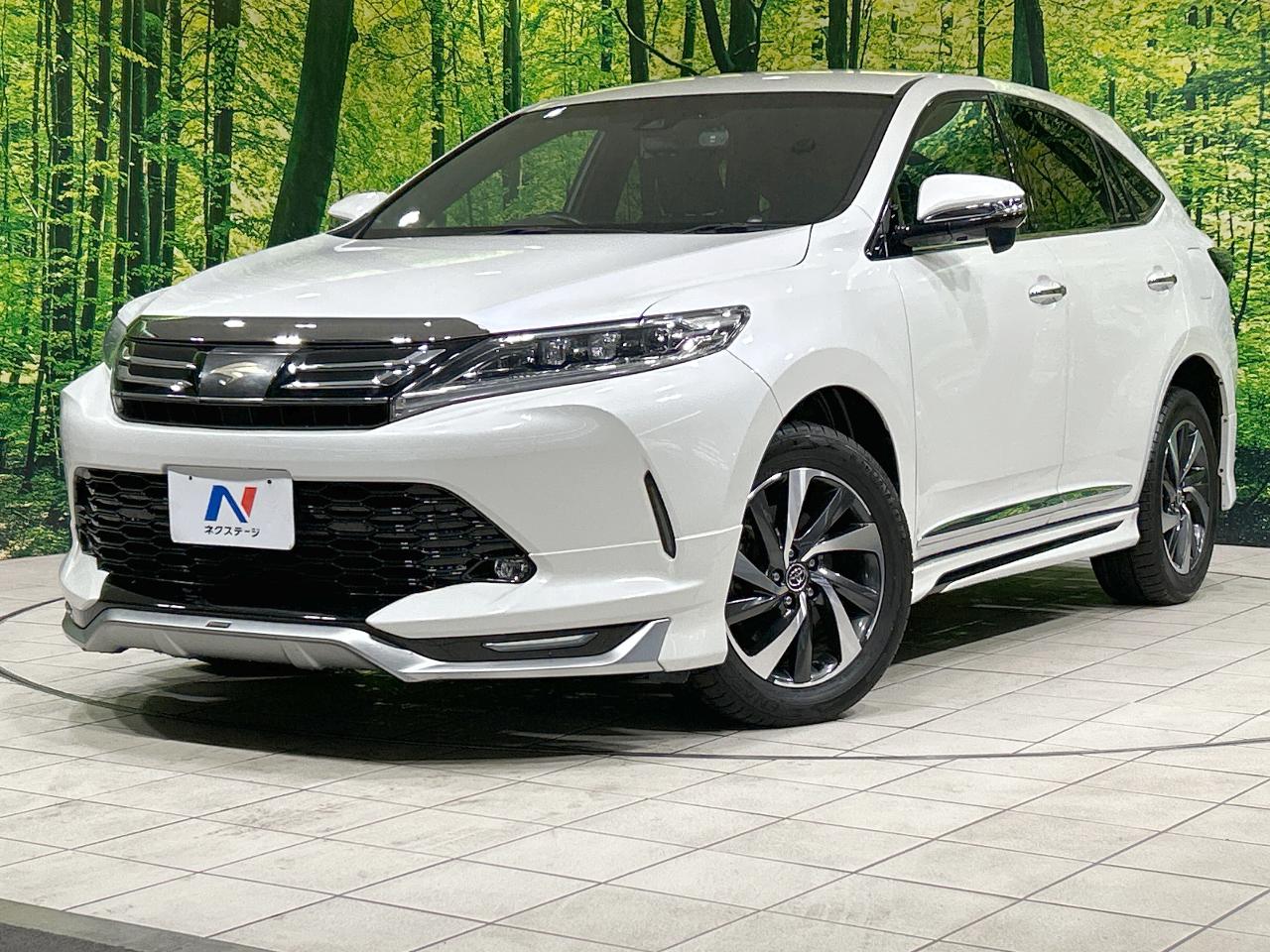
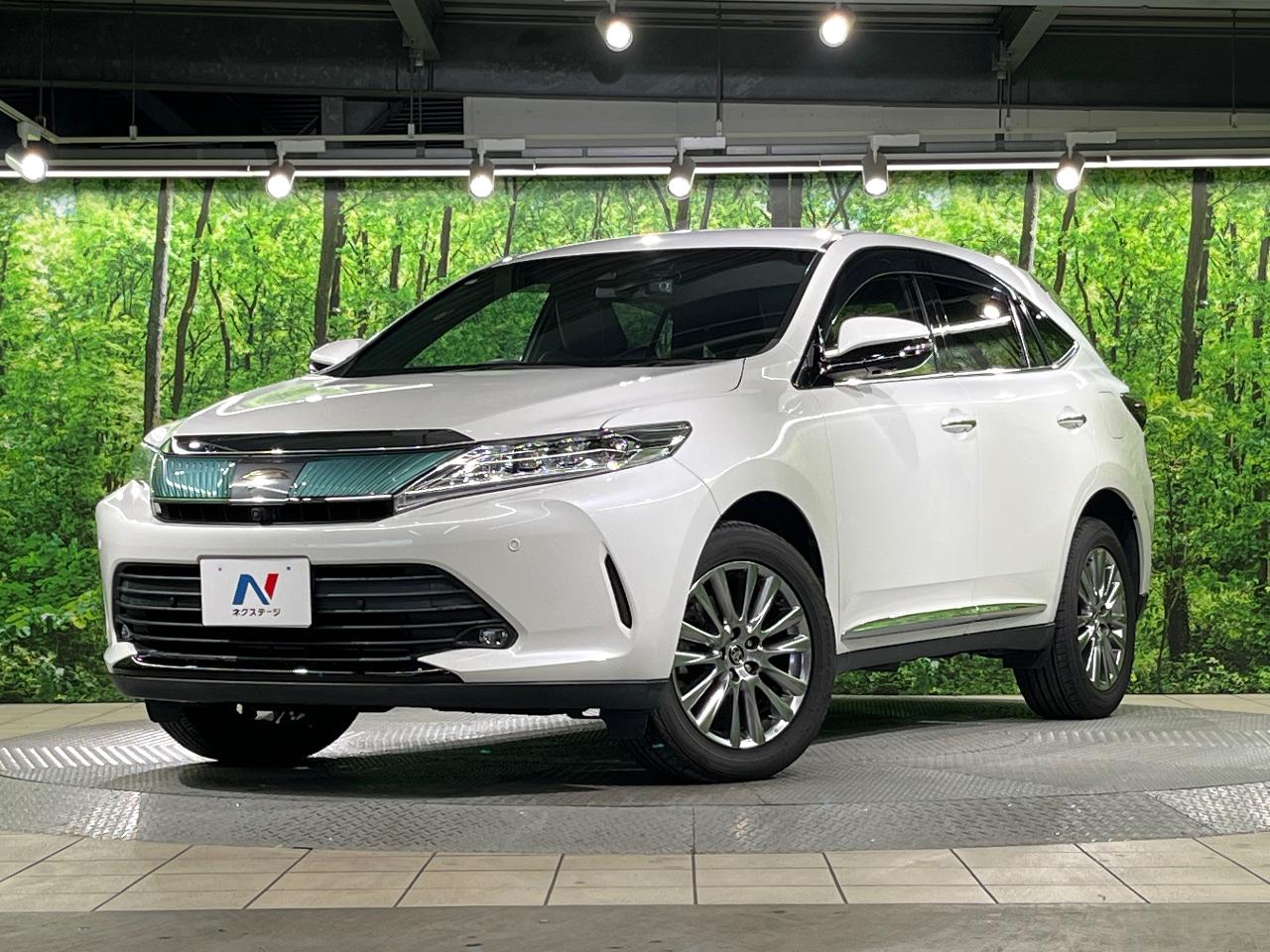
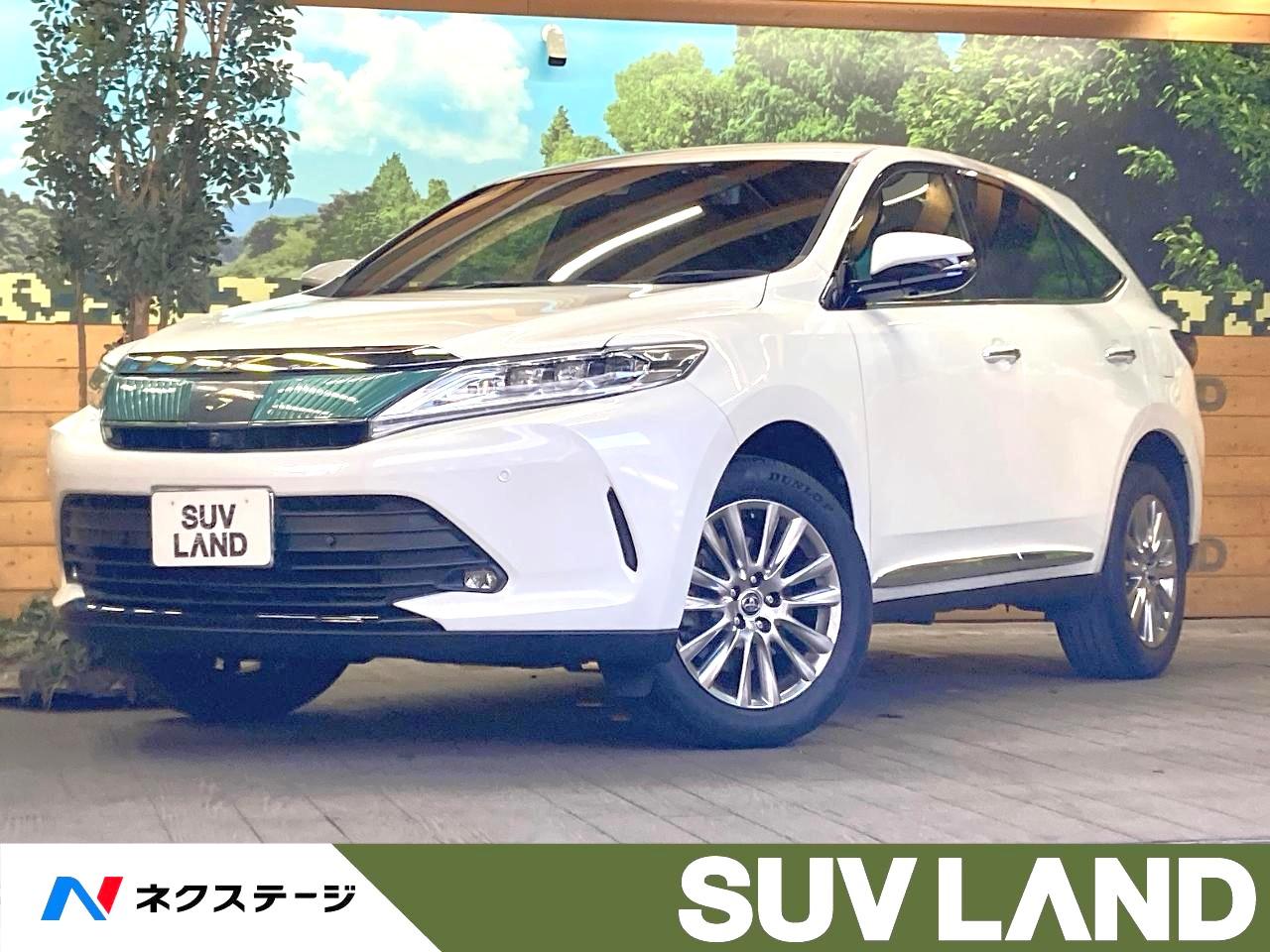
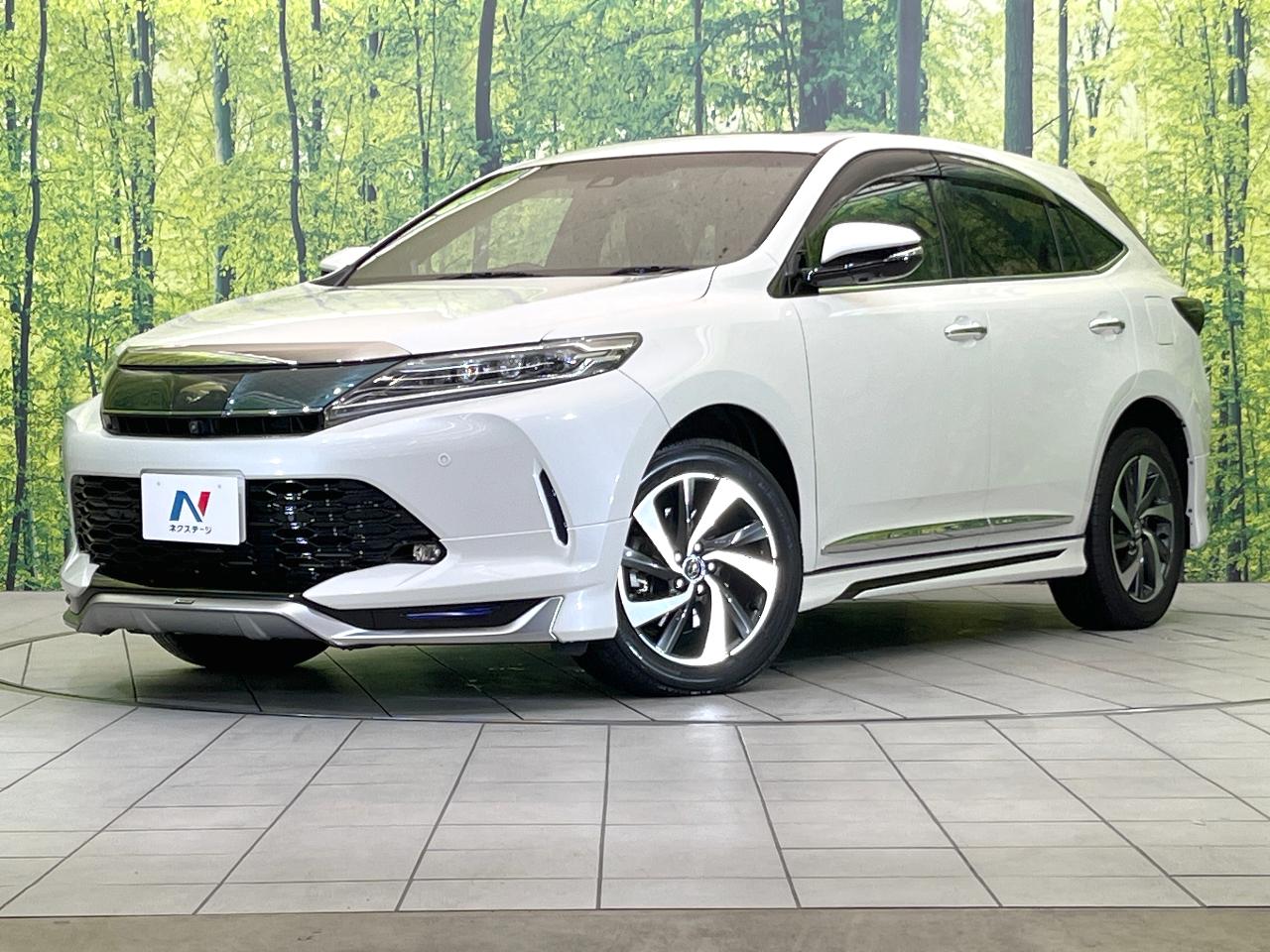
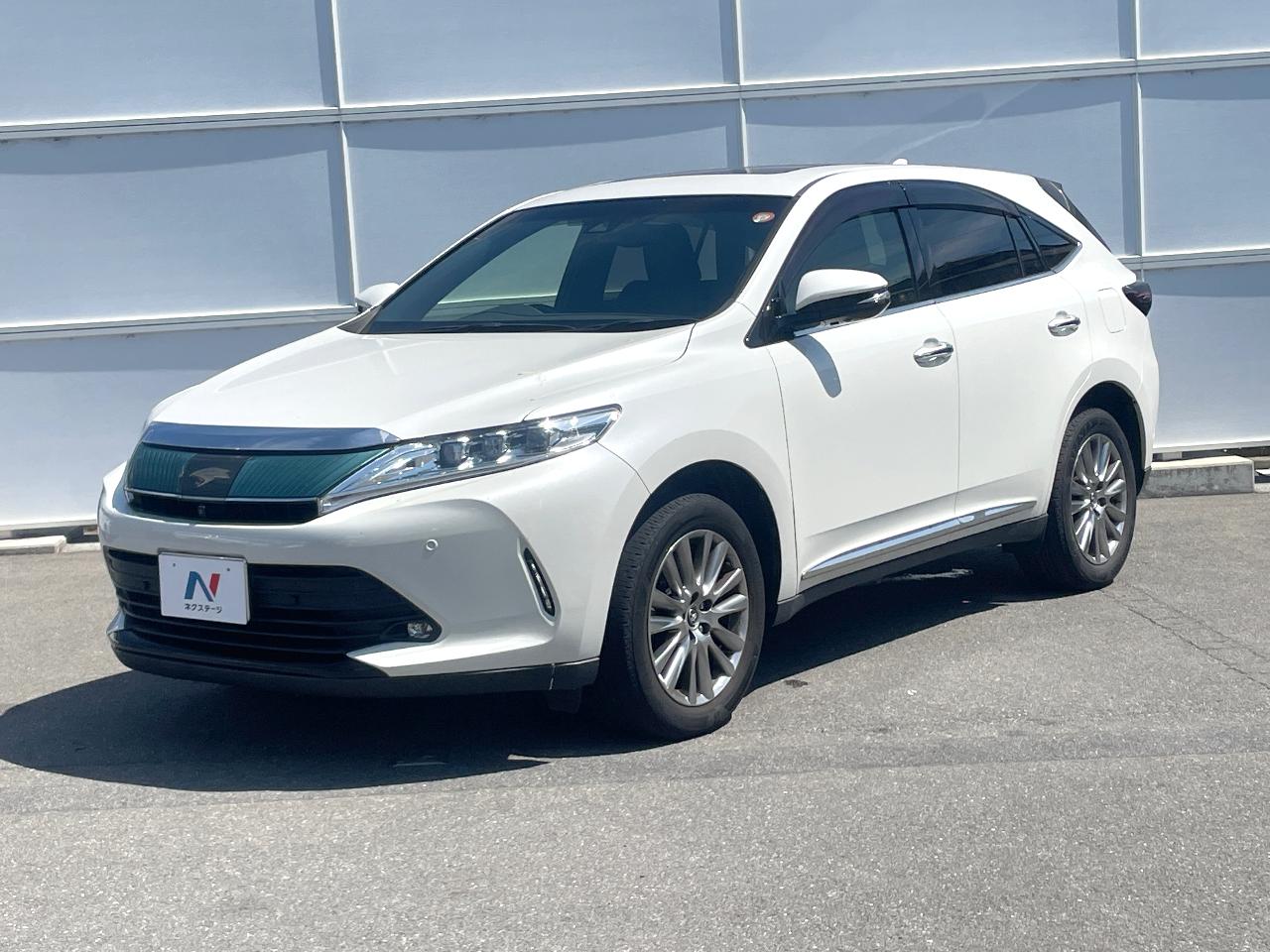
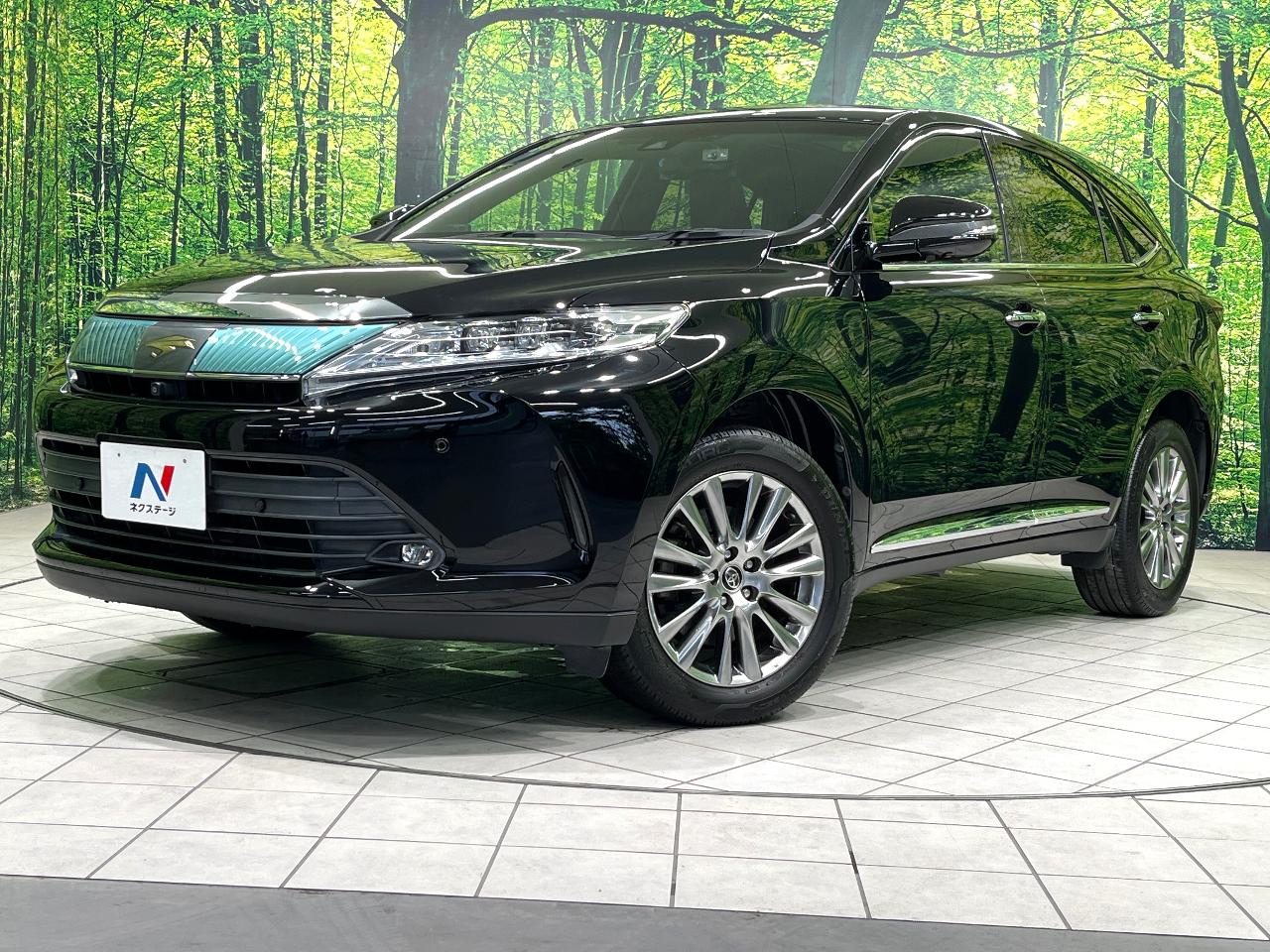
Harrier Buying Guide
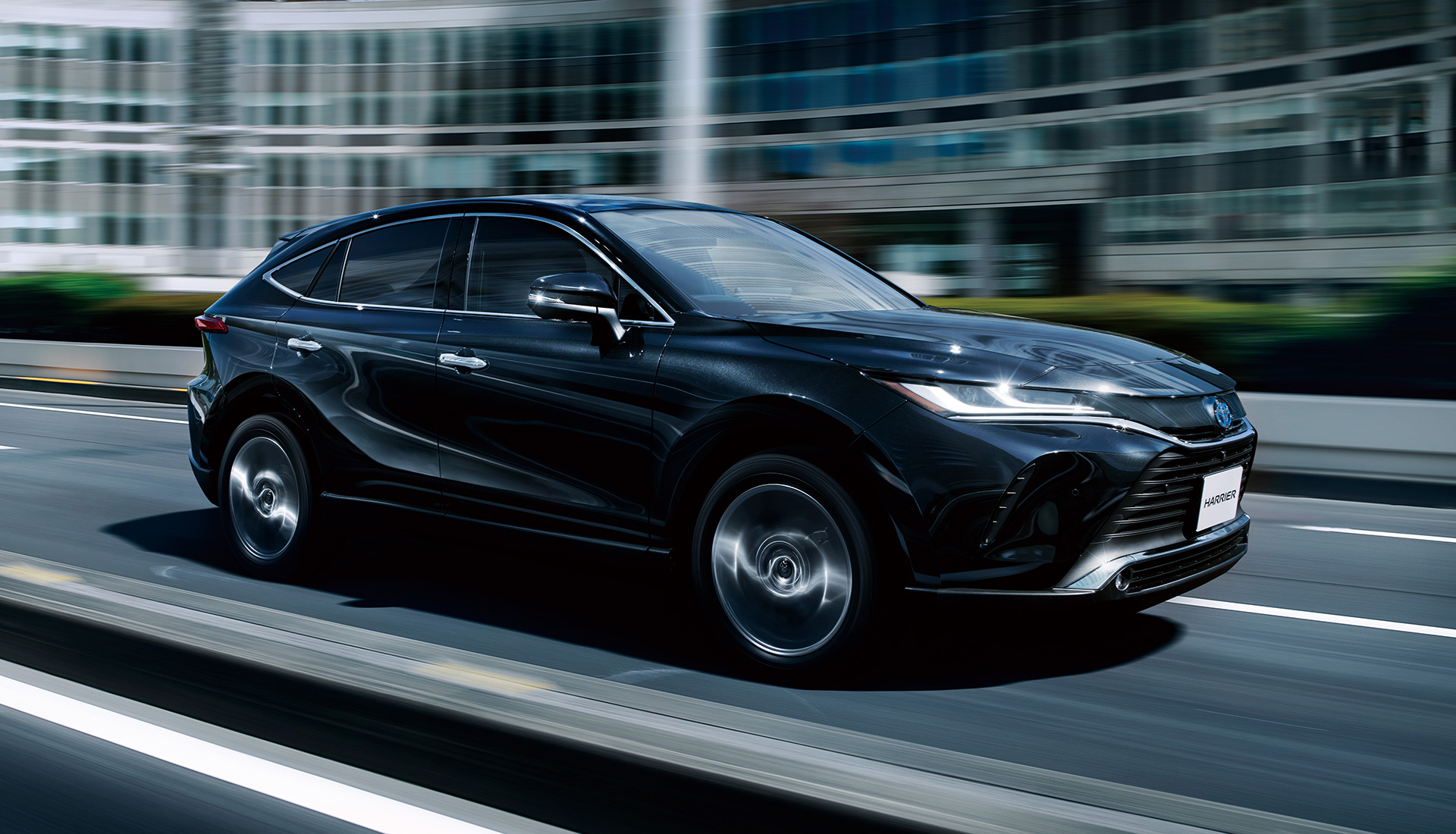
The Toyota Harrier, introduced in 1997, is a leading high-end crossover SUV from Japan. In Toyota's 75-year history, the Harrier has been positioned as a car that pioneered the new genre of "luxury crossover", and the first and second generations were marketed as the Lexus RX in North America. From the third generation, it has evolved independently as a Japan-only model (JDM), and the fourth-gen XU80 has further refined its sleek coupe form and high-quality ride. Across all generations, its rarity of breakdowns and high resale value are among the world's best, making it one of the most trusted SUVs in the used car export market.
First Generation Harrier (XU10 Series, 1997-2003) - The first generation that gave birth to a new market for luxury crossover vehicles.
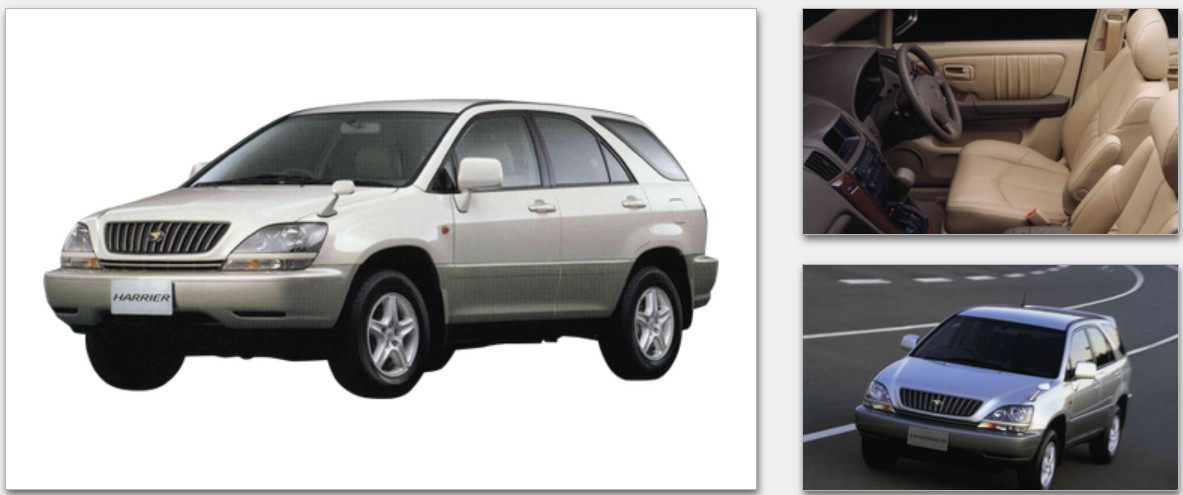
The Charm of the First Generation Harrier
A pioneer that combines the comfort of a sedan with the presence of an SUV.
The first-generation Harrier was launched in December 1997. Known widely as the precursor to the "luxury crossover," it is based on the basic performance of a mid-sized passenger car, boasting high driving performance, quietness, and spacious interior space. Unlike conventional crossover SUVs, its most significant feature was its emphasis on comfort and luxury on the road. Equipped with the very durable 3.0L V6 (1MZ-FE) or 2.2L/2.4L straight-4 engines, it can exceed 200,000km when properly maintained. Its plush interior design, a typical trait of late 90s Toyota where costs were generously spent, still exudes a unique feeling of quality today.
Drawbacks of the First-Generation Harrier
There is a generational gap in safety features and quality by modern standards.
While the first generation Harrier was a groundbreaking model, it now clearly shows its age. In particular, its safety features are not up to modern standards, and compared to later generations, the interior interface and soundproofing capabilities fall short. Additionally, while it was the predecessor of luxury crossovers, multifunctionality and advanced features like those in contemporary SUVs were still under development. When choosing a used model, it's a good idea to anticipate the deterioration of the electrical system, undercarriage, and seals fitting its age. Choosing based only on its appearance might lead to maintenance troubles. Despite this, the value of the first generation Harrier is not merely its high quality, but the fact that it set the direction for the subsequent SUV market.
The rival of the first-generation Harrier.
Nissan Murano/Honda CR-V
When the original Harrier first emerged, the market was still predominantly filled with 'real SUVs'. However, it did have rivals that boasted comfortable driving performances based on passenger cars, such as the Nissan Murano and Honda CR-V. The Murano, in particular, was a direct challenger in the 'luxury crossover' genre that the Harrier had successfully pioneered. Unlike traditional rugged four-wheel-drives, these models all prioritized on-road quietness and sophisticated design. Nevertheless, the Harrier carved out a solid niche for itself early on by adding 'premium' value.
Specifications of the First Generation Harrier
Engine: 2.2L straight-4 (5S-FE), 2.4L straight-4 (2AZ-FE / from 2000), 3.0L V6 (1MZ-FE) Transmission: 4AT Drive Type: Front-wheel drive (FF), Four-wheel drive (4WD) Main Features: High quietness based on passenger car, spacious interior, marketed as Lexus RX300 in overseas.
Second Generation Harrier (XU30 Series, 2003-2013) - A mature generation with heightened luxury and advanced features.
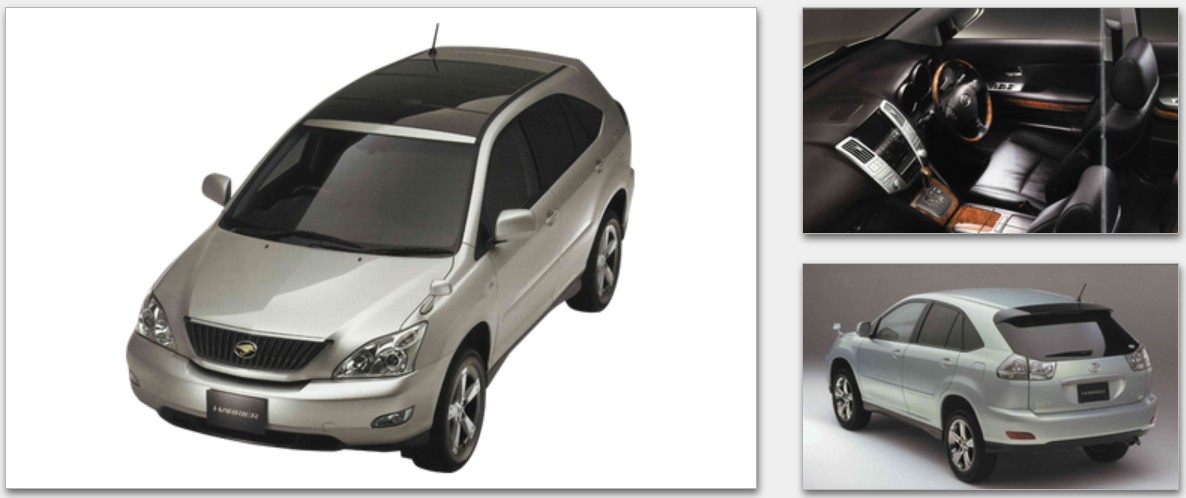
The Charm of the Second Generation Harrier
Significantly improved as a luxury SUV.
The second generation was introduced in February 2003. In the official release, it was described as a model pursuing "handling performance and advanced safety", further evolving the first generation's concept, "an SUV with the basic performances of a luxury saloon". Initially, a 3.0L V6 and a 2.4L straight 4 were available, paired with a 5-speed AT for the V6 and a 4-speed AT for the 4-cylinder. Furthermore, the top-of-the-line "AIRS" adopted an electronically controlled air suspension, achieving a more sophisticated ride. In 2005, the Harrier Hybrid was added, pairing a 3.3L V6 engine with a high-output motor, it achieved both top-class power and fuel efficiency for an SUV at that time. In 2006, the V6 petrol model was renewed to 3.5L (2GR-FE), enhancing its power performance. One of the major appeals of the second generation was not only its comfort, but also the fact that it was clearly a highly complete "premium SUV". With the introduction of the third-generation Lexus RX in Japan in 2009, the Harrier line-up was reduced and there were rumors of model discontinuation. However, due to strong demand from the domestic market, the Harrier continued to be sold, reflecting its growing brand power in Japan.
Drawbacks of the second-generation Harrier
Long period of sale with significant specification differences.
The second generation was a long-lived model for about 10 years, so there are significant differences depending on the year of manufacture. In particular, the driving performance of the 3.0L model (5-speed AT) and the later 3.5L model (6-speed AT) are completely different. Also, as a common issue specific to this generation, there are units prone to dashboard cracks due to aging, so it's essential to check the interior condition. Even after the Lexus RX branched off in 2009, the "240G" series, which was sold concurrently in Japan, is still popular in the export market due to its simplicity and easy maintenance.
Second-generation Harrier's rivals
Nissan Murano First Generation / Mazda CX-7
The direct competitors to the second-generation Harrier were the Nissan Murano, which also gained popularity as an urban luxury SUV, and the Mazda CX-7, which emphasized sportiness. The Lexus RX of this generation was the international version of the Harrier (essentially the same model), so the real competitors in the domestic market were these other brands. The Murano was characterized by its bold futuristic design intended for the North American market, while the CX-7 stood out with its powerful performance due to the turbo engine. In contrast, the second-generation Harrier solidified its throne as a premium SUV with its "luxurious sedan-like interior" and the "Hybrid" added in 2005, showcasing overwhelming advanced features.
Specifications of the second-generation Harrier
Engine: 2.4L (2AZ-FE), 3.0L V6 (1MZ-FE), 3.5L V6 (2GR-FE / from 2006), 3.3L V6 Hybrid (3MZ-FE) Transmission: 4AT (2.4L), 5AT (V6), Electronic CVT (Hybrid) Drive System: Front-wheel drive (FF), Four-wheel drive (4WD / E-Four) Features: Electronic air suspension, addition of Harrier Hybrid (from 2005), Pre-crash safety (limited configurations)
The 3rd Generation Harrier (XU60 series, 2013–2020) - A uniquely evolved urban luxury SUV exclusive to Japan.
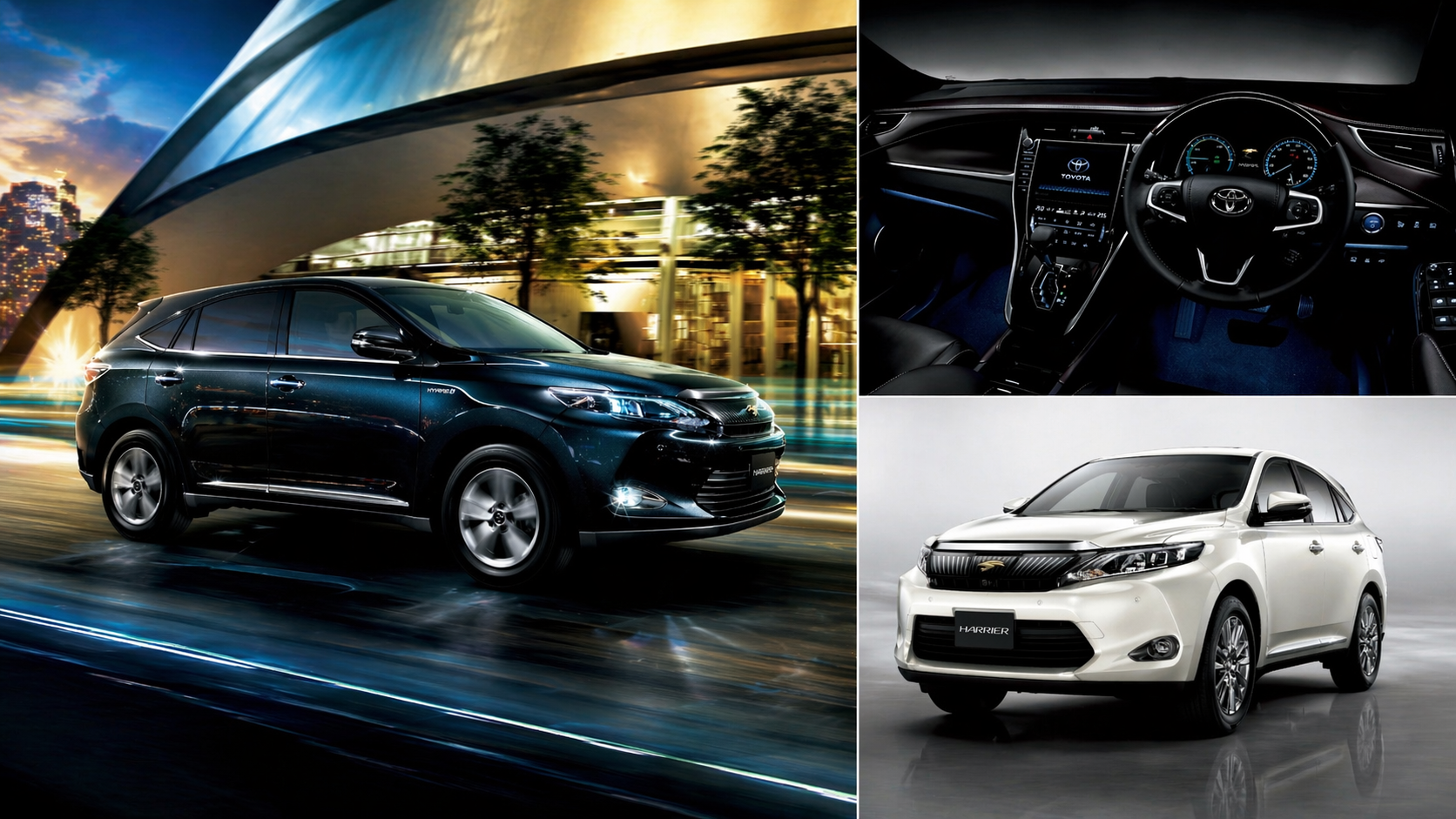
The Charm of the Third Generation Harrier
An elegant SUV polished for the Japanese market.
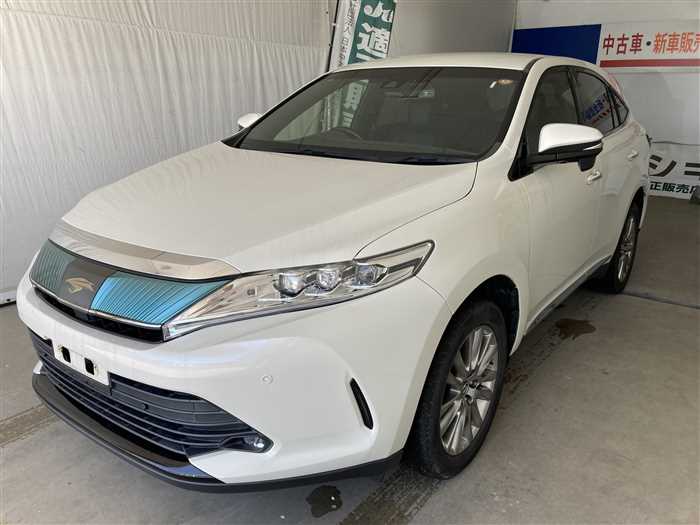
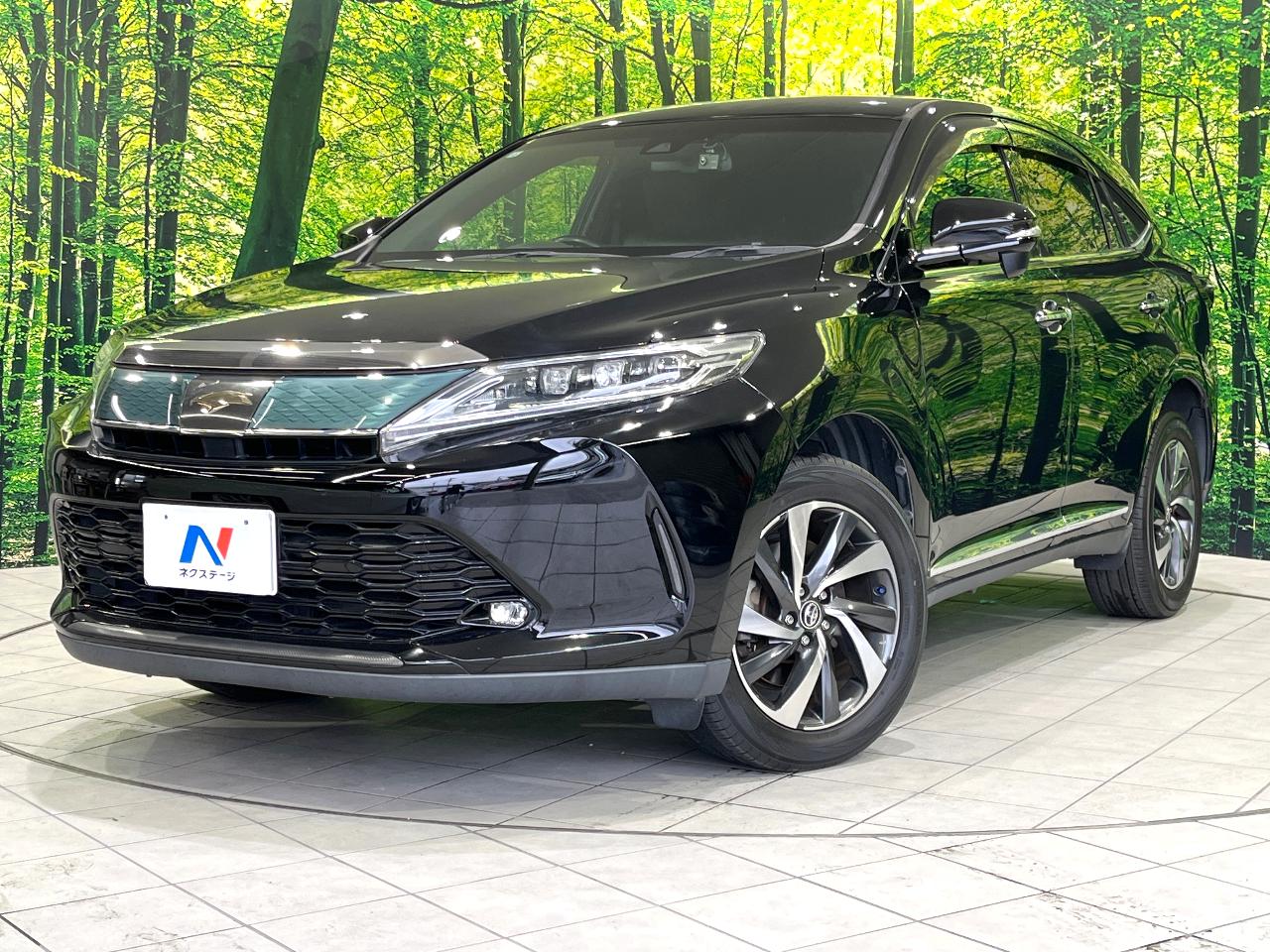
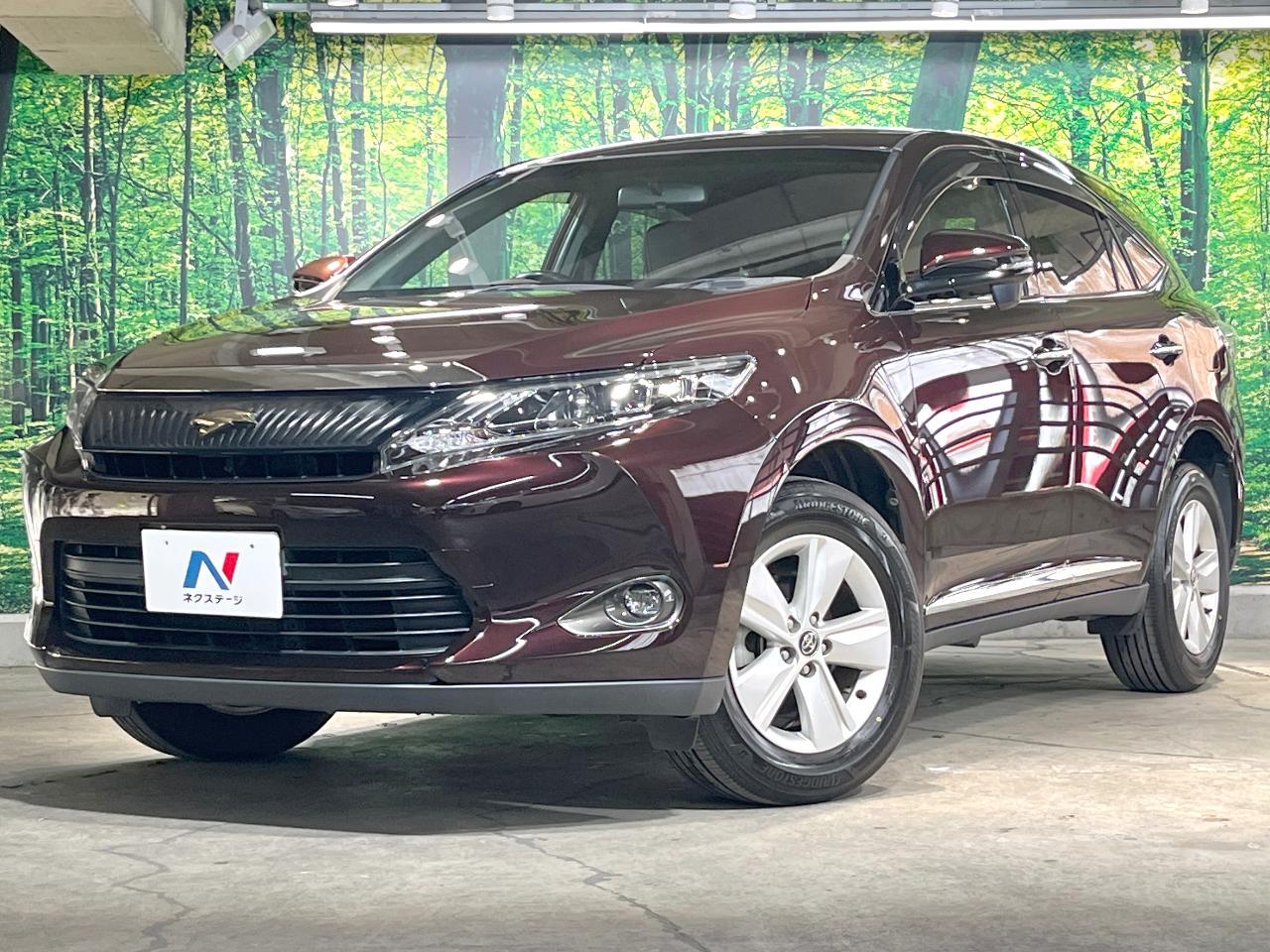
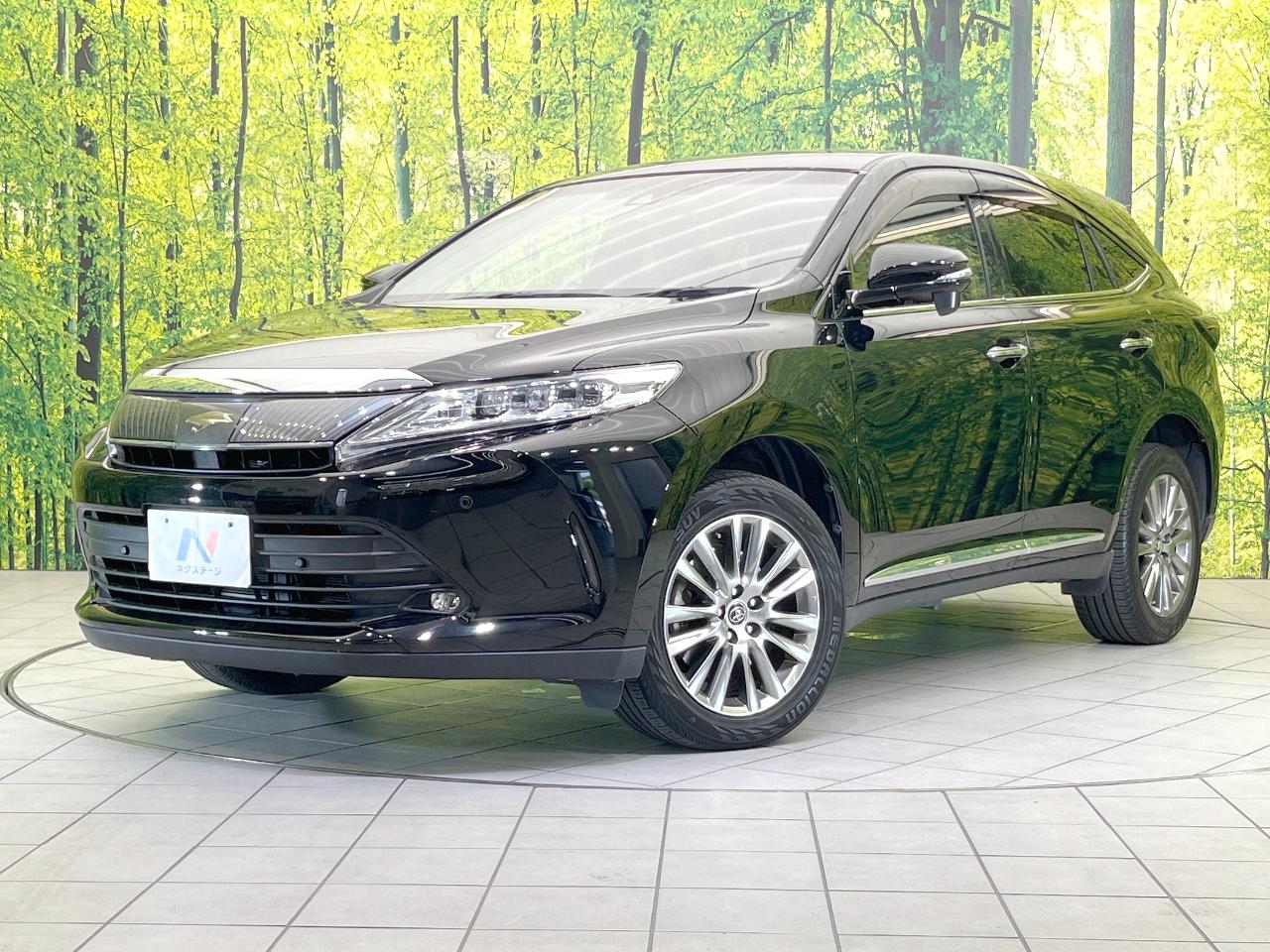
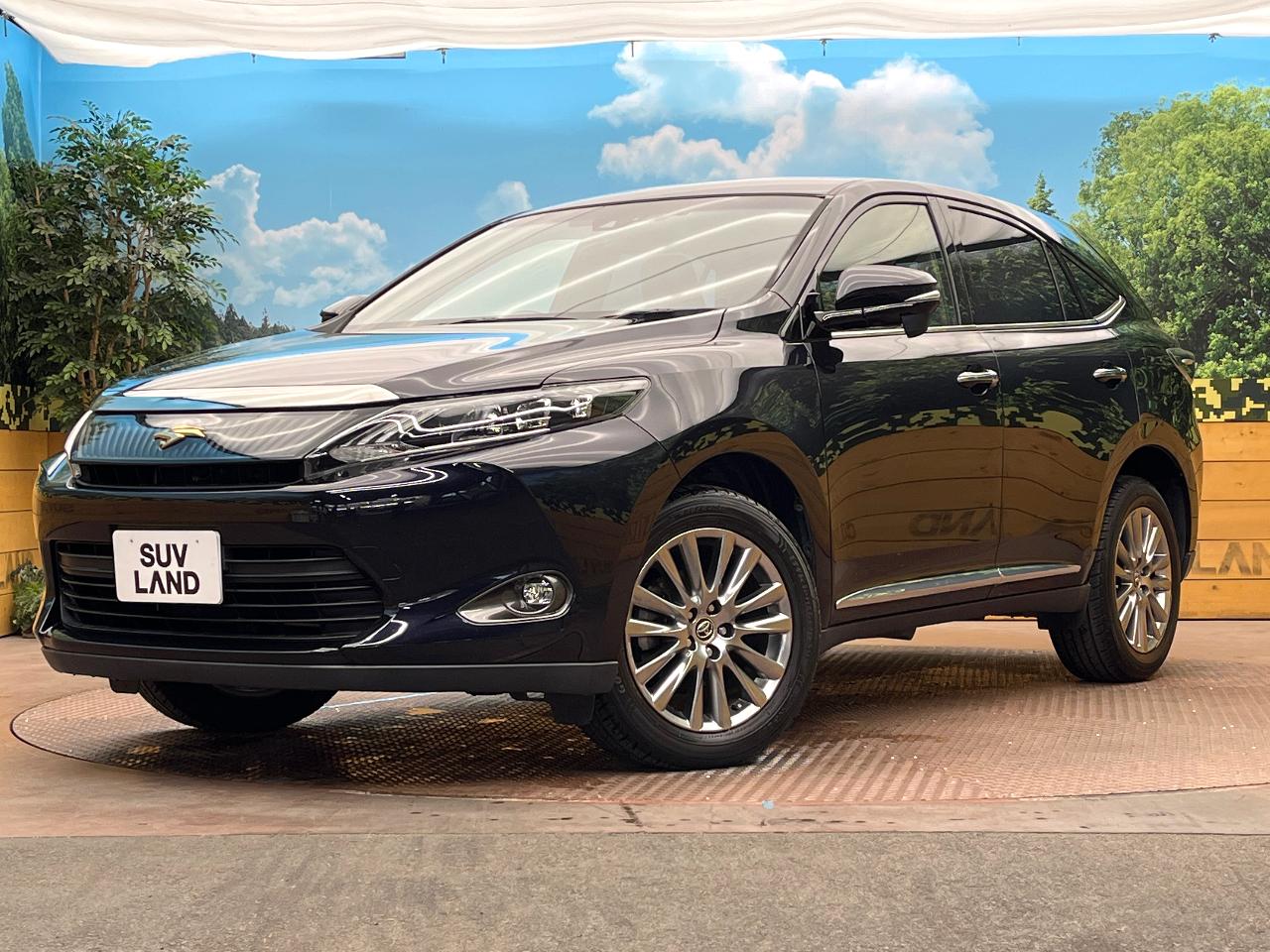
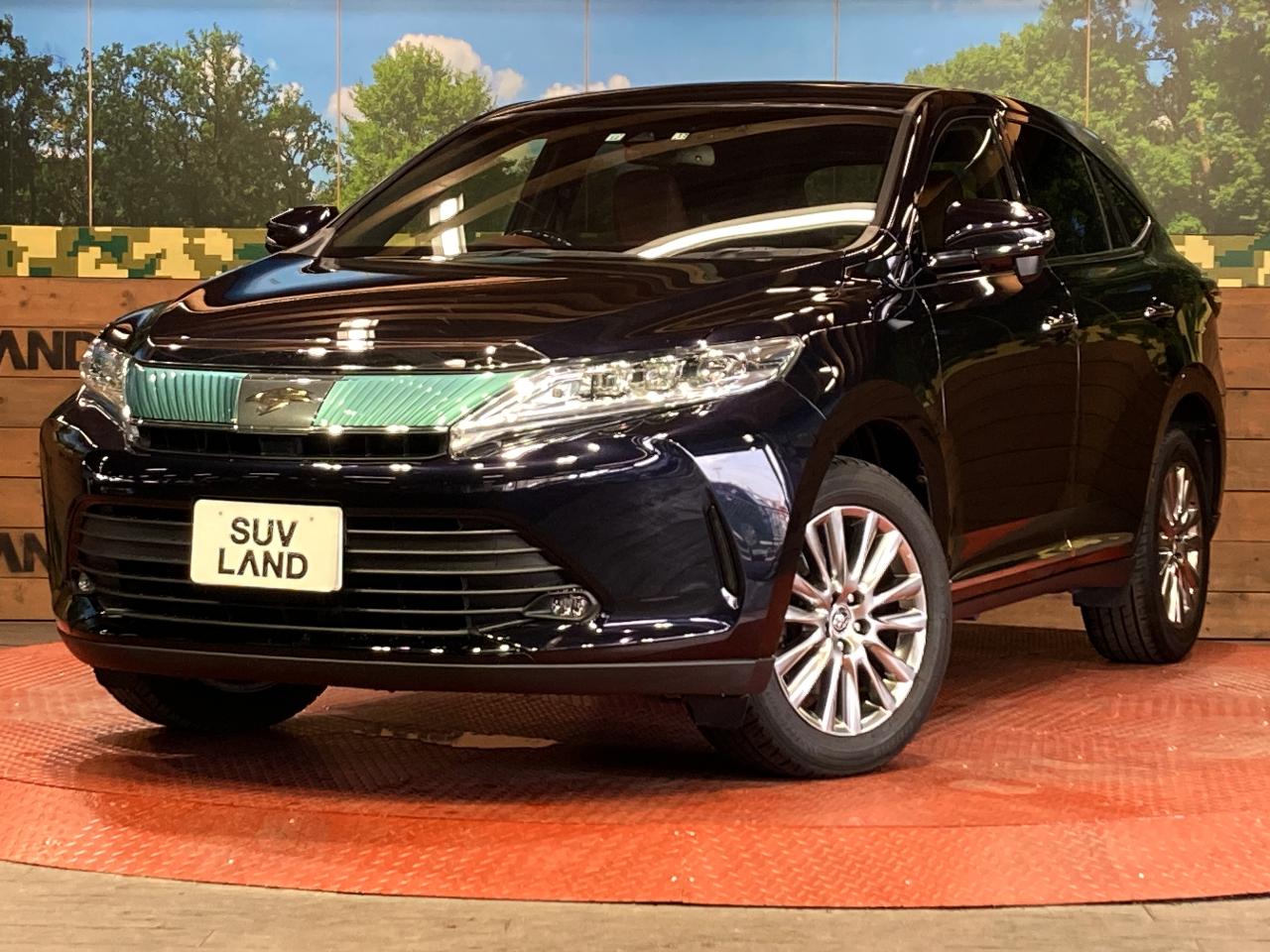
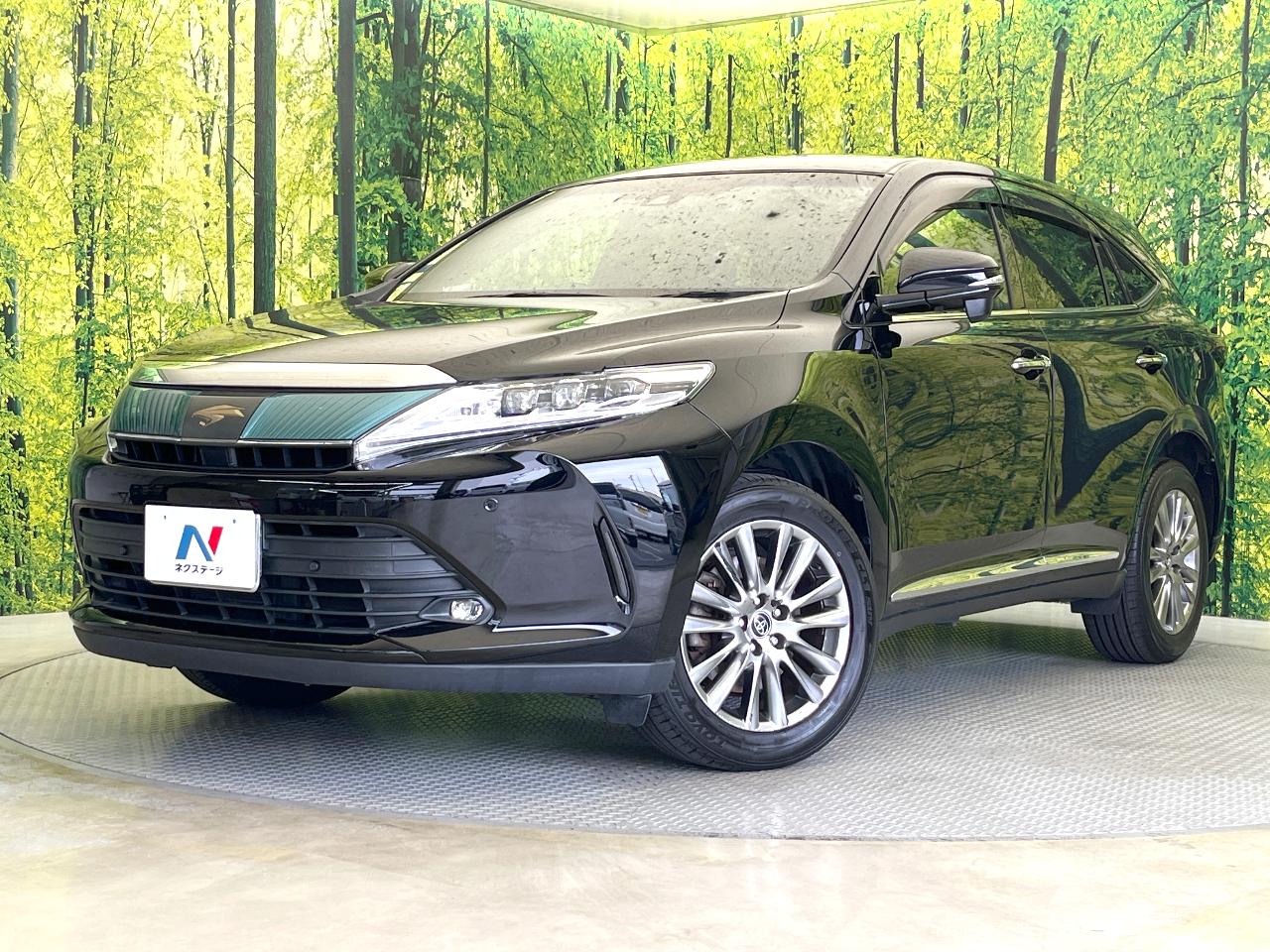
The third generation, bolstered by the enduring popularity of the second generation and based not on the Lexus RX but the fourth generation RAV4 (unreleased in Japan), was launched in December 2013. The exterior became more coupe-like and sleek, while the interior emphasized quality, clearly positioning it not just as a practical SUV, but as a "luxury SUV that shines in the city". In the 2017 minor change, a model equipped with a 2.0L direct injection turbo engine (8AR-FTS) that provides powerful acceleration was added, expanding the choice of driving performance. A hybrid model was added in January 2014, which gained popularity as a model that combines quality with fuel economy. The charm of the third-generation lies in inheriting the "premium feel" of its predecessors, while becoming more design-focused and refined.
Downsides of the Third-Generation Harrier
More oriented towards urban style than a traditional SUV.
The third generation is a refined urban SUV, although it has lost some of its ruggedness and tool-like feel typical of a full-fledged SUV. It's not a model designed for rough terrains, but rather an upscale crossover primarily for paved roads. The third generation has strong Japan-specific colors, which might be slightly confusing to foreign readers and requires clarification that it is different from the Lexus RX. It's quite popular in the used car market, and well-maintained vehicles tend to hold their value relatively well, which could be considered a drawback. Nonetheless, if you value design and luxury, the third generation remains very attractive even today.
Rivals of the third-generation Harrier
Mazda CX-5 First Model / Nissan X-Trail T32
The Mazda CX-5 and the Nissan X-Trail T32 from the same period can be useful comparisons to the third generation Harrier. The CX-5 was attractive for its performance and quality, while the X-Trail was loved for its practicality and outdoor characteristics. In contrast, the third generation Harrier leaned more towards luxury, with strengths in quietness, interior presentation, and the elegance of its exterior design. In other words, this generation makes it easy to understand that if you prioritize functionality, go for the CX-5 or X-trail, but if you value ambiance and superior quality, the Harrier is your choice.
Specifications of the third-generation Harrier
Engine: 2.0L Inline-4 (3ZR-FAE), 2.0L Inline-4 Turbo (8AR-FTS / 2017 onwards), 2.5L Hybrid (2AR-FXE) Transmission: Super CVT-i, 6-Speed AT (Turbo models), Electric CVT (Hybrid) Drive System: Front Wheel Drive (FF), Four Wheel Drive (4WD / E-Four) Features: Model exclusive to Japan, Sequential turn signal lights (2017 onwards), Toyota Safety Sense P (2017 onwards)
4th Generation Harrier (XU80 series, 2020–) – The current generation further enhances sophistication and innovation.
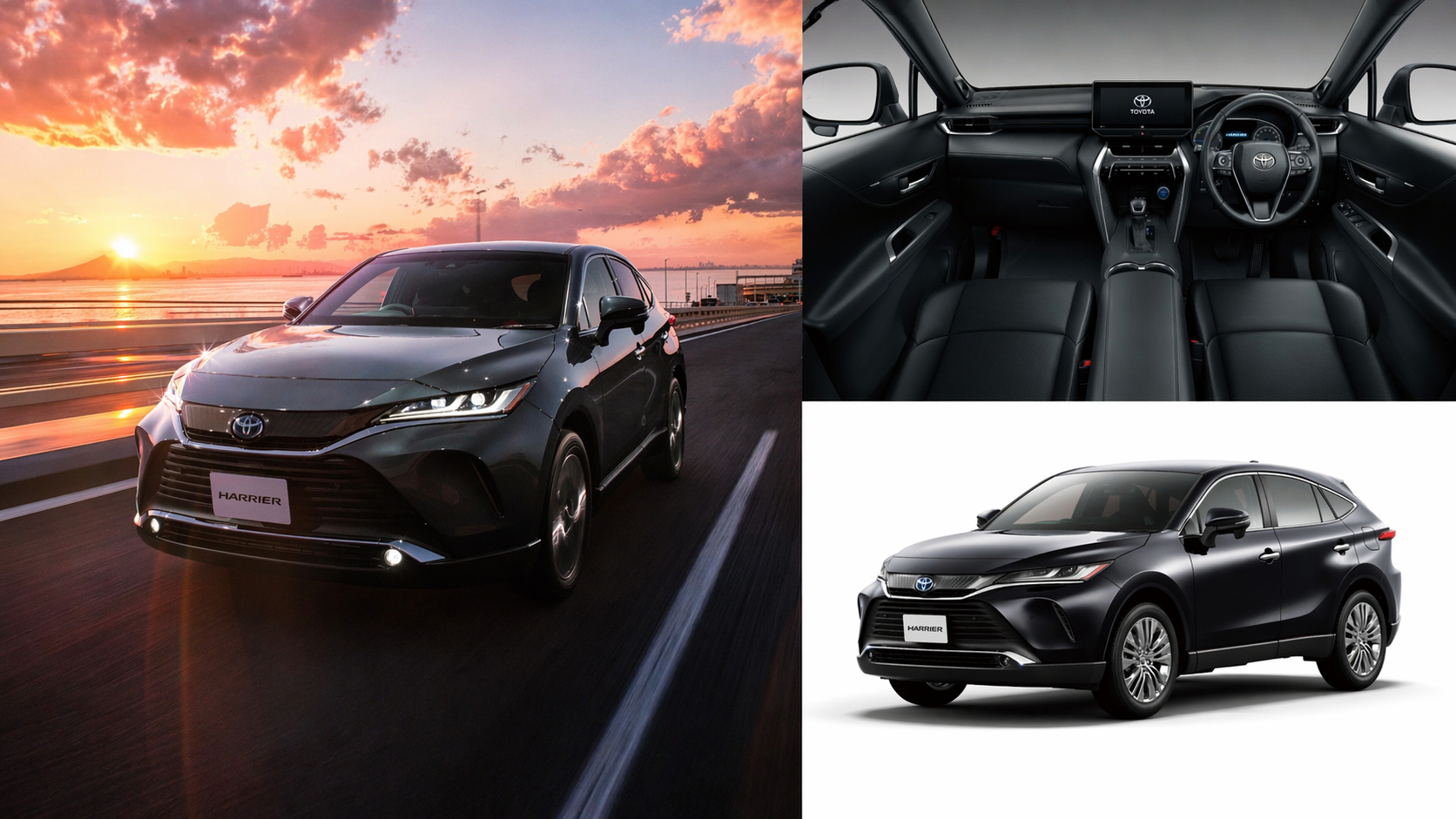
The Charm of the Fourth Generation Harrier
A current model that combines a coupe form with a high-quality ride.
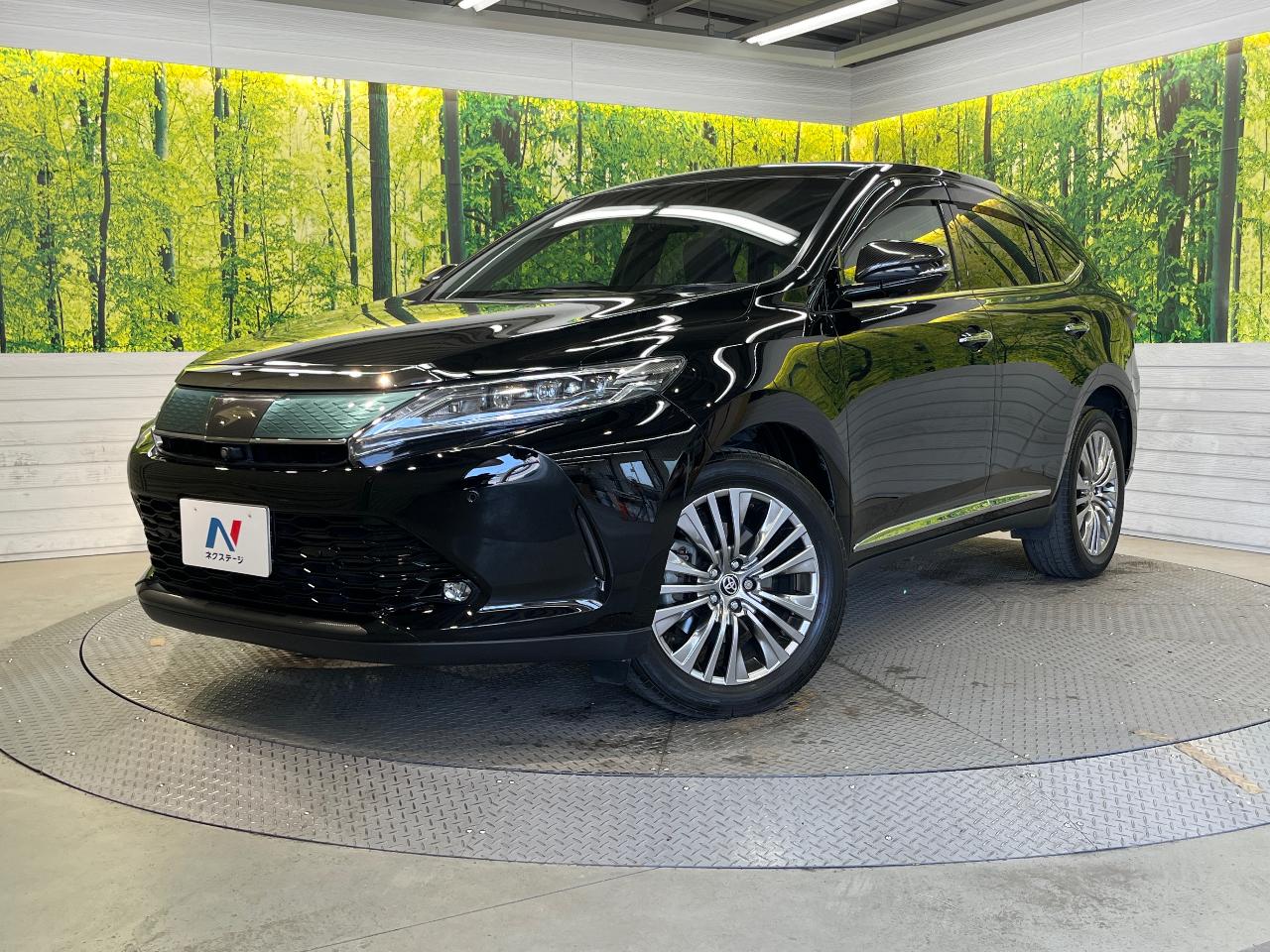
The fourth-generation XU80 was launched in June 2020. While this model is also based on the fifth-generation RAV4, it has regained the signature Harrier physique alongside the RAV4's upscaling. Described as a "new era SUV that transcends the SUV category", key features are its simple yet elegant coupe form, a comfortable high-quality interior, and a refined ride due to the optimized suspension. In October 2022, a plug-in hybrid (PHEV) model boasting exceptional quietness and acceleration performance was added. At the same time, there has been a significant upgrade in digital equipment, such as the adoption of a 12.3-inch full-LCD meter and the latest connected navigation system. Other appealing features of the current model include a dimming panoramic roof and a digital inner mirror, contributing to its advanced and comfortable setup.
Drawbacks of the Fourth-Generation Harrier
A bit more atmosphere-oriented for those seeking a practical SUV.
While the fourth generation boasts a high level of refinement, it isn't a purely utilitarian SUV. Rather than prioritizing cargo and rear seat space, this model emphasizes overall ambience, ride quality, and design. Furthermore, due to its popularity, the used car market price tends to be relatively high, with well-maintained units retaining their value. Essentially, the fourth generation is an SUV chosen not just for practicality, but also for the brand image of the Harrier.
Rivals of the fourth-generation Harrier
Lexus NX / Mazda CX-60
The current Harrier can be easily compared to vehicles like the Lexus NX or the high-end Mazda SUVs. The NX leans more towards the premium brand side, while the CX-60 excels in the diversity of its drive and powertrain. On the other hand, the fourth-generation Harrier stands out for its balance of price and luxury, its elegant styling, and its ease of use in daily life. Not being overly luxurious, but still amply refined, is the unique charm of the current Harrier.
Specifications of the 4th Generation Harrier
Engine: 2.0L Inline-4 (M20A-FKS), 2.5L Hybrid (A25A-FXS), 2.5L PHEV (A25A-FXS / from 2022 onward) Transmission: Direct Shift-CVT, Electric CVT Drive Mode: Front Wheel Drive (FF), Four Wheel Drive (4WD / E-Four) Features: 12.3-inch TFT color multi-information display (updated in 2022), auto-dimming panoramic roof, digital interior mirror