Used 2018 Rover Mini cars for sale







Rover Mini Buying Guide
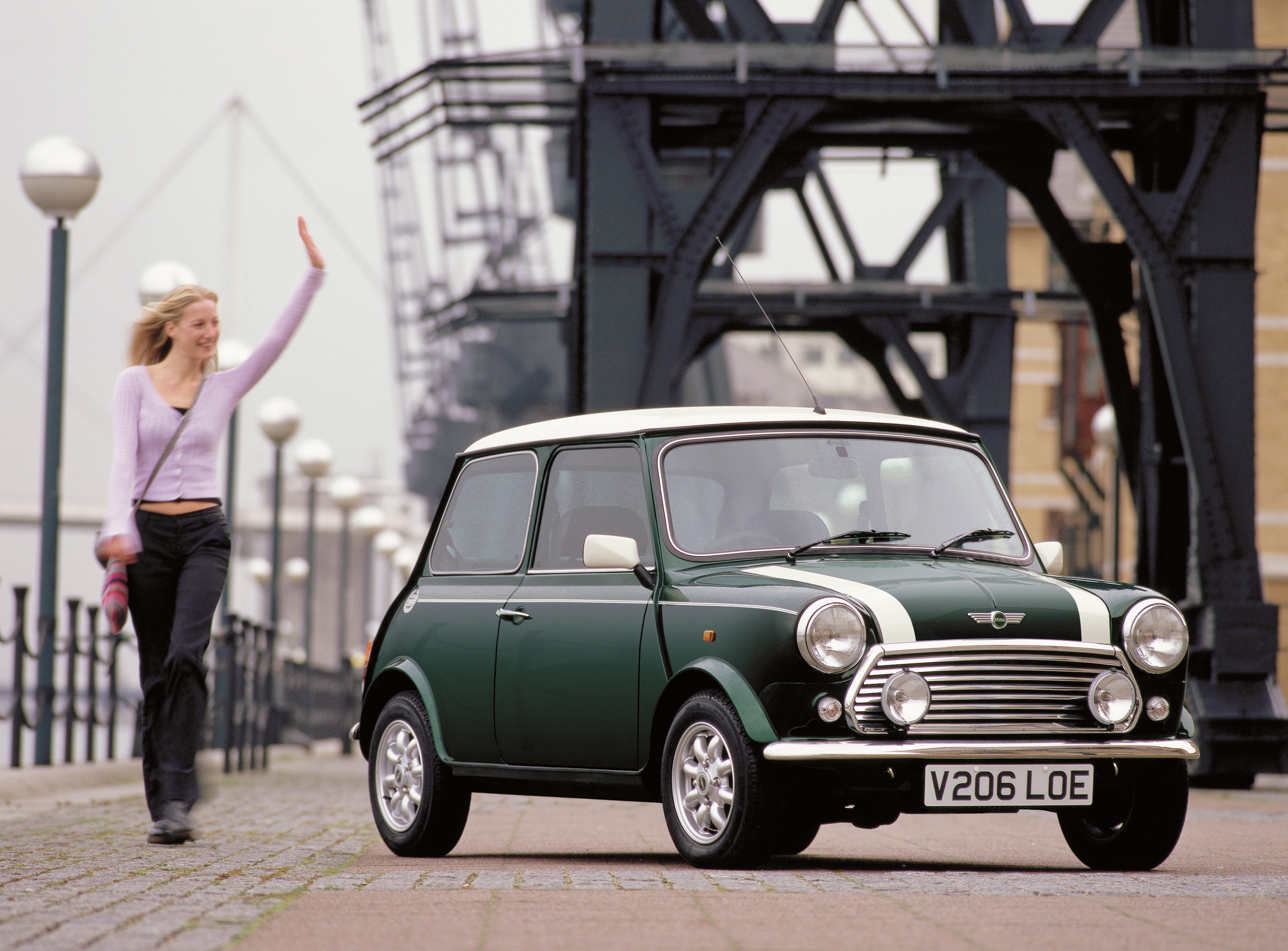
The Rover Mini is a later model that follows on from the classic Mini (BMC Mini) first introduced in 1959. With its small body, transversely mounted engine, front-wheel drive, and four tires positioned at the corners, it achieved a spacious interior and nimble driving experience that exceeded its looks. The Mini from the Rover era gradually adopted features like 12-inch wheels, disk brakes, a 1.3L engine, fuel injection, and airbags, all the while maintaining its classical design until its production ceased in 2000. Nowadays, it is more renowned as a British classic car than a practical vehicle, and it is highly popular worldwide. The classic Mini was produced from 1959 until 2000, and the Rover Group era being highlighted here spans from 1986 to 2000. *Please note that there are differences in the generation classification and model designations of the classic Mini depending on the source document. In this guide, we focus on the late classic Mini of the Rover Group era, and explain it according to the general classifications of Mk V through Mk VII.
Mk V Rover Mini (1984–1990) - The late carburetor generation balanced with classic charm and practical improvements.
The Appeal of the Mk V Rover Mini
Enhanced handling with 12-inch wheeled Classic Mini.
The allure of the Mk V Rover Mini lies in its improvements that make it easier to handle on a daily basis, while still retaining the rustic charm inherent to a classic Mini. During this era, the Mini transitioned from the traditional focus on 10-inch wheels to a specification equipped with 12-inch wheels and front disc brakes. Its appearance remains true to the old-fashioned Mini, but in terms of brake performance and tyre selection, it has become more modern and easy to handle. This era of the Mini is primarily characterized by carburetor type specifications, catering to users who appreciate mechanical simplicity. Its engines prominently feature the A-series type with 998cc and 1275cc, and driving impressions can greatly differ depending upon engine displacement and other specifications. Particularly, the 1275cc series provides abundant torque relative to the small body, giving it a lively ride in city driving. For international readers, the Mk V holds appeal as a "not too old" classic Mini. It is not as electronically controlled as later versions and yet it is easier to handle in terms of braking and suspension compared with the early models. Its retro interior and exterior, low seating position, quick steering, and go-kart-like riding experience offer something not found in modern cars.
Drawbacks of the Mk V Rover Mini
Attention is needed for rust, age deterioration, and carburetor adjustment.
The main downside of the Mk V Rover Mini is that it's quite an old model and the condition of the vehicle can greatly vary. Due to the structure of the Mini, there are many areas prone to rust such as the front panel, lower part of the A-pillar, under the doors, side sills, floor, trunk floor, around the front window, and the vicinity of the rear subframe. Therefore, each of these areas must be carefully inspected. Even if the exterior has been nicely repainted, some vehicles may be rusting on the inside. Moreover, while the carburetor model does have a distinct charm, it requires periodic adjustment. Factors such as temperature, altitude, and fuel quality can affect the starting and idling of the car, so it isn't completely maintenance-free like modern injection vehicles. You should also inspect the car for oil and coolant leaks, and check the condition of the radiator, electrical system, transmission, clutch, hub bearings, and steering rack before purchase. If you're buying abroad, while part supply is usually ample, it's important to be aware of poor quality aftermarket parts and improperly modified vehicles. Although the Mk V has a strong classic appeal, it only has minimal comfort and safety equipment. If you're planning to use it as your daily vehicle, it's extremely crucial to choose a model with clear maintenance history and minimal rust.
Rivals of the Mk V Rover Mini
Fiat 500 (2nd Generation) / Volkswagen Beetle (Type1)
The Mk V Rover Mini has its competition in the form of other classic compact cars such as the second-generation Fiat 500 and the Volkswagen Beetle Type 1. Both are popular classic cars worldwide, known for their charming aesthetics and unique mechanisms. The Fiat 500 is a small Italian car with a rear engine and rear-drive setup, made for those who appreciate its lightness and ambiance. The VW Beetle, one of the best sellers of the 20th century, is also a rear engine, rear-wheel drive with an air-cooled flat-four engine, known for its high durability and has a fan base and parts supply network worldwide. The strength of the Mini lies in its spatial efficiency due to its front-wheel drive and its sharp handling. Despite its small body, it can seat four people and its maneuverability in the city is excellent. If you enjoy driving, the Mini will feel sportier than the Fiat 500 or Beetle. However, the Mini requires attention to rust, water systems, and electric systems, and the ease of maintenance can greatly change depending on its condition. If you prioritize the ambiance of a classic car, the Fiat 500 would be a good choice. If you value long distance durability and simplicity, then consider the Beetle. If you prioritize driving and a British-style uniqueness, the Rover Mini is an attractive option.
Mk V Rover Mini Specifications
Engine: 998cc / 1275cc A-series Inline 4-cylinder Gasoline Transmission: 4MT, 4AT Drive System: FF Features: Later models of the classic Mini, equipped with 12-inch wheels and front disc brakes. The carburetor models are the mainstay, making it an era where you can enjoy the mechanical flavor characteristic of a classic Mini.
Mk VI Rover Mini (1990–1996) - A popular generation modernized with a 1.3L engine and fuel injection.
The Appeal of the Mk VI Rover Mini
Improved practicality with a 1275cc engine and fuel injection.
The charm of the Mk VI Rover Mini lies in its significant improvements in drivability and practicality while maintaining the traditional Mini look. In this generation, the 998cc engine was discontinued and the 1275cc A-series engine became the mainstay. Furthermore, in the early 1990s, Single Point Injection, also known as SPI specification, was introduced, improving start-up performance and emissions compliance over the carburetor generation. The Mk VI, a generation from around 1990 to 1996, is characterized by its upgrade to 1275cc and SPI introduction. The 1275cc engine is more than capable for the compact Mini body. It offers easy starts in the city, and is easier to handle on slopes and highways than smaller displacement models from the Mk V era and earlier. In the Cooper series, the sporty atmosphere is accentuated, and the combination of responsive steering, low center of gravity, and compact body enables you to fully enjoy the unique go-kart feel of the Mini. For overseas buyers, the Mk VI offers a good balance between the "classic Mini atmosphere" and "practicality". It is traditional in appearance and has a simple interior, but the engine and emissions control systems lean more towards the modern side. The SPI specification is an appealing choice for those wanting to avoid the hassle of carburetor adjustments.
Drawbacks of the Mk VI Rover Mini
Pay attention to SPI-specific electrical and fuel system issues.
The Mk VI Rover Mini has improved practicality, but it also has different considerations compared to the carbureted era. Particularly in the SPI specification, issues with the fuel injection system, sensors, ECU, fuel pump, throttle body, and intake system can affect the vehicle's performance. While it tends to start more easily than carbureted models, diagnosis and part replacement may be necessary if problems occur. It's important to check before you purchase whether there's a garage familiar with SPI Minis in your area. Rust on the body is as much an issue with the Mk VI as it is with the Mk V. The Mini is not immune to rust, regardless of its age. Vehicles that have been used for extended periods in Japan or the UK may have been exposed to moisture and deicing salts. Some cars may look flawless due to a new paint job, but it's vital to check the chassis, subframe, floor, sills, and window surrounds. The comfort of the Mini is incomparable to modern cars. The interior is small, and the cooling efficiency can vary between vehicles, even those with air conditioning. Road noise at high speeds, ride comfort, and collision safety are also less favorable compared to today's standards. The Mk VI is a popular model; however, selections should not only be based on price but take into account maintenance history and body condition. In addition, the classic Mini has a unique mechanism where the engine and transmission share the same oil. The 4AT model is particularly sensitive to the degradation and volume of oil, and neglecting regular oil changes (every 3,000 to 5,000km) can lead to fatal automatic transmission failures. It's critically important to check the previous owner's oil maintenance history when purchasing the vehicle.
Rivals of the Mk VI Rover Mini
Citroën 2CV / Renault 4
The Mk VI Rover Mini can be compared with unique European compact cars like the Citroën 2CV and Renault 4. Neither of these prioritize speed or contemporary comforts, but they share similar appeals to the Mini in terms of small size, distinctive design, simple structure, and the enjoyable classic feel for daily use. Both were sold in Japan until around 1990 and, together with the Mini, gained popularity as "cute old European cars". The Citroën 2CV is known for its smooth ride and simple structure, offering a distinctive French car ambiance. The Renault 4 has a more practical nature, with its easy-to-load body, easy-to-handle package and popularity gained by the fact it could be equipped with an air conditioner. On the other hand, the Rover Mini boasts its compact size due to the front-wheel drive and its quick handling. If you value practicality and a soft ride, the 2CV or Renault 4 is for you, while the Rover Mini is more suitable for those wanting a tighter driving sensation and an atmosphere typical of a British car. Neither of these are cars that would meet expectations for comfort and safety like modern cars do, so when purchasing, it's important to check for things like rust, maintenance history, part supply and the availability of shops that can service the car in your area.
Mk VI Rover Mini Specifications
Engine: 1275cc A Series Inline 4 Cylinder Gasoline, Carburetor or SPI Transmission: 4MT, 4AT Drive type: FF Features: The 1275cc engine is central, and the introduction of SPI improved starting performance and emissions response. While maintaining a classic look, this popular generation became easier to use on a daily basis.
Mk VII Rover Mini (1996–2000) - The final model of the Classic Mini, adopted with safety features and Multi-point injection.
The Appeal of the Mk VII Rover Mini
The sense of completion and reassurance unique to the final model.
The Mk VII Rover Mini is the final generation of the classic Mini. Models from 1996 onwards adopted Multi-point Injection, also known as MPi, modernizing engine control and exhaust emission handling. Safety equipment has also been enhanced, including a driver's airbag, seat belt pretensioners, and side impact measures inside the doors. In documentation, the Mk VII is described as the ultimate model from 1996 to 2000, characterized by features such as MPi, a driver's airbag, side impact measures, and a front radiator. The appeal of this generation lies in maintaining the shape of the classic Mini while achieving the highest level of perfection. A full-width dashboard was introduced in the interior, creating a more modern atmosphere than previous models. Attractive final-stage specifications such as the Cooper, Cooper Sport, Classic Seven, and Knightsbridge also exist. The Mk VII is reassuring for overseas buyers as the "newest classic Mini". As it is newer and equipped with fuel injection and safety equipment, it's an easy choice for those who are apprehensive about older Minis. The last classic Mini was produced in October 2000, with a total production of about 5.38 million units. One very important point for overseas buyers is the existence of the Japanese specification (JDM). In the final models of the classic Mini, the presence of a specification for the Japanese market is an important point. The final model of the Japanese specification is different from the MPi of the home and European specifications and continues to combine SPI and side radiators. This unique specification was to secure space for the air conditioning system required in Japan. Therefore, a significant advantage of the Japanese specification is that it offers a "4AT (automatic) car", which does not exist in the final European models.
Shortcomings of the Mk VII Rover Mini
The price is high, and it's crucial to check the condition of the electronic control system.
The downside of the Mk VII Rover Mini is its high popularity, leading to rising used car prices. As it is the last model of the Classic Mini, premium prices can be expected for well-maintained, low-mileage vehicles, limited editions, and Cooper Sports. Even if they look similar, the value can vary greatly depending on the condition and originality. It is advisable to assume that there is a reason for low-priced units. The MPi version is more modern than the carbureted or SPI versions, but this means it's important to check the electronic control system. If there are problems with the ECU, injectors, fuel pump, sensors, cooling fan, airbags, and electrical equipment around the meter, specialist knowledge may be needed for repairs. The radiator layout has also changed in the MPi, so you can't ignore checking the condition of the cooling system. Recently in Japan, some people are converting back to carburetor specifications for maintenance purposes. Even the final version has rust issues. In particular, you'll want to inspect the side sills, floor, front panel, door bottoms, trunk floor, and window surrounds. Though comfort and safety have improved, they are fundamentally different from modern compact cars. This classic car is suitable for those who enjoy regular maintenance. Moreover, as previously mentioned, the Classic Mini has a unique structure that shares the same oil for the engine and transmission. Especially in 4AT cars, it is extremely sensitive to oil degradation and amount. Neglecting regular oil changes (every 3,000 to 5,000 km) can lead to catastrophic automatic transmission failures. Therefore, it is crucial to check the oil management history of the previous owner when purchasing.
Rivals of the Mk VII Rover Mini
BMW MINI R50
The most commonly compared rival to the Mk VII Rover Mini is the BMW MINI R50, which was introduced in 2001. The R50 carries the image of being a successor to the classic Mini, but mechanically, it's an entirely modern car. With superior crash safety, air conditioning performance, quietness, comfort on long drives, and parts supply, the R50 has significant advantages. On the other hand, the Rover Mini Mk VII has authentic classic Mini character. It's considerably smaller than the R50, and everything from the seating position, handling, engine sound, steering response, and thin doors is distinct to the old Mini style. The R50 is a modern, easy-to-use MINI for everyday use, while the Mk VII is positioned as the final evolution of the classic Mini. For overseas buyers who are undecided, the R50 is recommended if you want to use it daily, and the Mk VII if you value hobbyist appeal and classic value. In particular, a well-preserved original Mk VII may retain its value well going forward. However, specialist shops and a source for parts will be necessary for maintenance.
Mk VII Rover Mini Specifications
Engine: 1275cc A-Series Straight 4-cylinder (European specification: MPi / Japanese specification: SPI) Transmission: 4MT (all specifications) / 4AT (only available in Japanese specification) Drive Type: FF Features: The final model of Classic Mini. Features include MPi in the home country specification (SPI continued in Japanese specification), driver's airbag, seat belt pretensioners, side impact countermeasures, and full-width dashboard, making it the most complete and popular generation of Classic Mini.