Used 2020 Nissan JUKE cars for sale
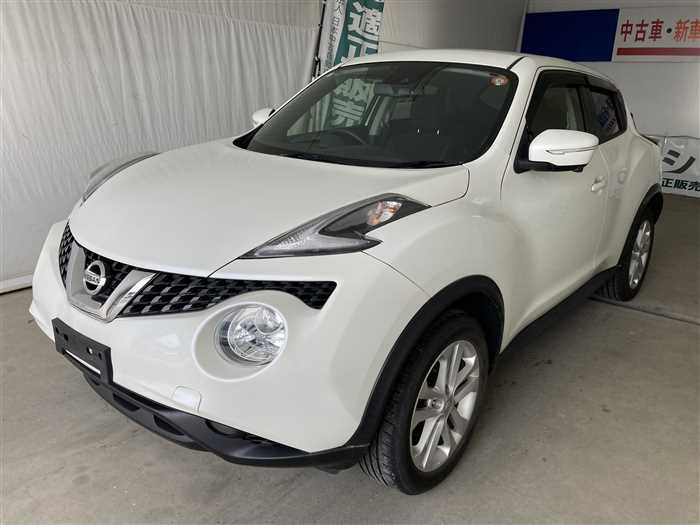
Juke Buying Guide
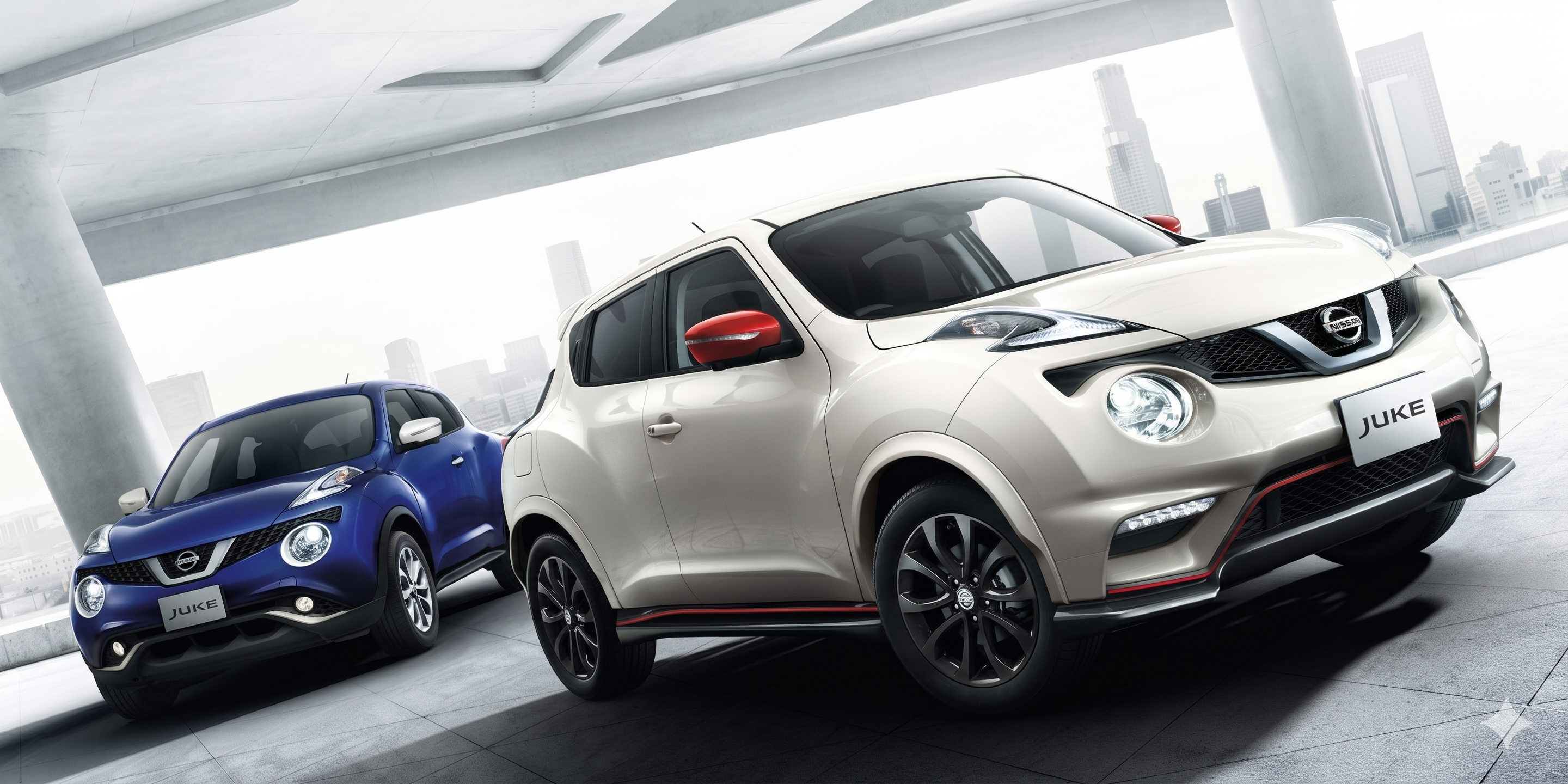
The Nissan Juke is a compact crossover SUV in the B-segment class, introduced in 2010. The first generation F15 model was produced and sold in Japan, gaining fans worldwide for its distinctive look, combining round lamps with high fenders. The Japanese lineup includes the "YF15", a 1.5L NA (naturally aspirated) model suitable for city driving with a total length of 4,135mm and a total width of 1,765mm; the "F15", equipped with a powerful 1.6L direct-injection turbo; and the "NF15", equipped with an advanced 4WD system. These models balance great maneuvrability with a dynamic design. The second generation F16 model (2019 - present) has been primarily marketed in Europe and Australia, greatly improving on practicality and quality. Both generations have adopted the "timing chain" for their engines, ensuring durability that removes the need for belt replacements even for models with over 100,000 km, thus supporting its stable popularity in overseas markets.
First-generation Juke (F15, 2010-2019 Japan) - A unique model shining with its eccentric design and turbo settings.
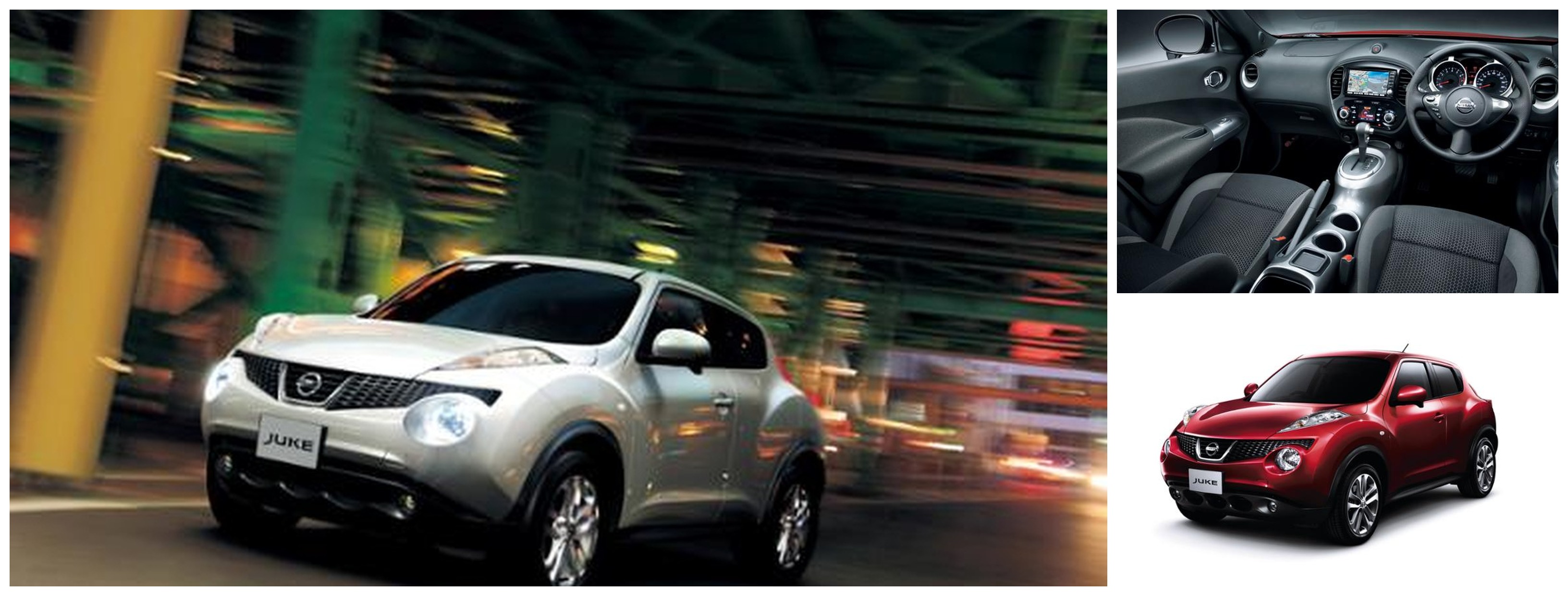
The Appeal of the First-Generation Juke
Not just "chosen by appearance," but also characterized by a powerful turbo and manageable size.
The appeal of the first-generation F15 model lies in its unique styling that is instantly recognizable as the Juke, and it being a compact crossover, which was less common at the time. The high-positioned slim lamps combined with the low-roundhead lamps created an uncommon look among SUVs of that time. However, the Juke isn't just a pretty face. It offers not only a fuel-efficient 1.5L NA (YF15) engine for the Japanese market, but also a 1.6L direct-injection turbo (F15/NF15) that boasts impressive acceleration. Particularly in the 4WD turbo (NF15), it adopted the class's first "Torque Vectoring ALL MODE 4×4-I", which optimally distributes torque to the left and right rear wheels during turns. Together with its compact body size, it enables sharp handling that's hard to believe for an SUV. Its capability of making tight turns with a minimum turning radius of 5.3m makes it easy to handle even in urban areas, making it a perfect combination of practicality and hobby appeal.
Flaws of the First-Generation Juke
The space in the rear seats and cargo area is limited, a consequence of prioritizing design for comfort.
The first-generation Juke doesn't prioritize packaging efficiency. The interior dimensions are tighter than practical hatchbacks like the Note, and particularly the rear headroom and cargo capacity require compromises due to a "design-first" approach. Additionally, its sporty tuning results in a somewhat stiff ride that directly translates the road conditions. The 1.5L NA model is sufficient for city driving, but it lacks power reserve on highways and uphill roads. If you're looking for the powerfulness typical of the Juke, you'll be more satisfied with the 1.6L turbo series (F15/NF15). When choosing a used car, it's important to check the operation of Nissan's unique "Xtronic CVT" and the regular oil management and maintenance record of high-performance 1.6L turbo cars, especially NISMO series. This will be the key to a long and worry-free ownership.
Rivals of the first-generation Juke
Honda Vezel Early Model / Mazda CX-3
The first-generation Juke can be easily compared to compact crossovers like the Honda Vezel or Mazda CX-3. The Vezel boasts the size of its interior and cargo space, while the CX-3 attracts with its quality and diesel option. On the other hand, the Juke competes with its sharply defined design, powerhouse turbo, and the uniqueness of its 4WD turbo, rather than overall practicality. In other words, if you want a universally appealing choice, the Vezel or CX-3 might be safer. But if you value standout looks and character in a compact SUV, the first-generation Juke still has plenty to offer. Particularly in the Japanese market, where it has been sold for a long time and has many NISMO and special editions, there is fun in finding "the perfect car for you" in the used car market.
First-generation Juke Specifications
Size: Total length 4,135mm x total width 1,765mm x total height 1,550~1,570mm Model Example: YF15 (1.5L NA 2WD), F15 (1.6L 2WD), NF15 (1.6L 4WD) Engine: 1.5L Inline 4-cylinder gasoline, 1.6L Inline 4-cylinder direct injection turbo Transmission: Xtronic CVT (Turbo 4WD comes with 7-speed / 8-speed manual mode) Drive Train: 2WD, 4WD (ALL MODE 4×4-i) Seating Capacity: 5 persons Fuel Efficiency: Approximately 18.0km/L (1.5L JC08 mode)
Second-Generation Juke (F16, 2019– ) - A new generation greatly enhancing practicality and quality
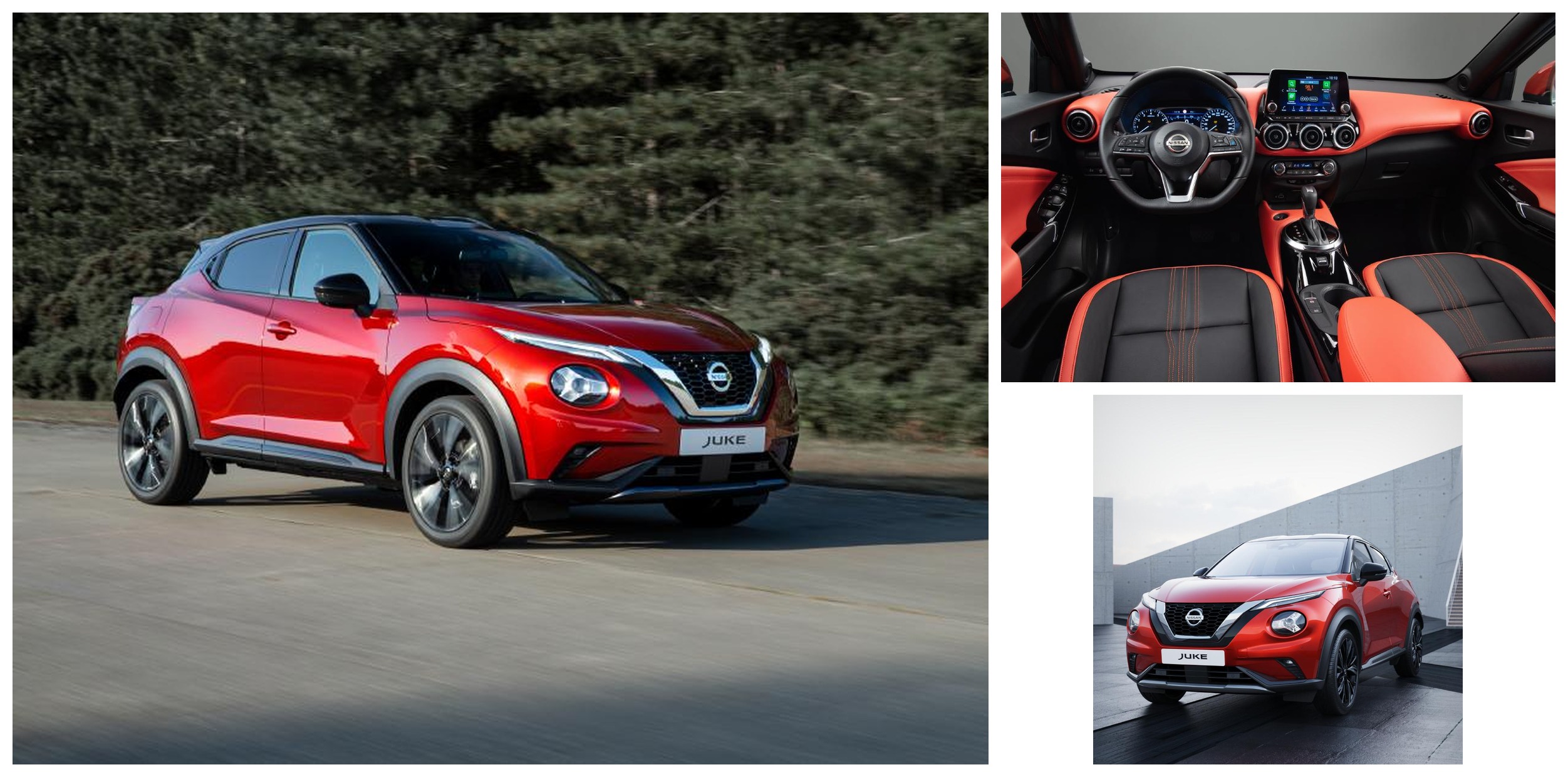
The Charm of the Second Generation Juke
"Maintaining its unique character, we've carefully evolved its rear seats and safety features.
The second generation F16 model has significantly improved interior space while inheriting the iconic design of its predecessor. The rear knee-room has been expanded by about 5.8cm, making travel comfortable even for four adults. The interior design has also evolved, featuring a large display. The highlight is the addition of the hybrid model for the European and Australian markets. This is not Nissan's familiar "e-POWER", but uses Renault's "E-TECH" hybrid system. By combining a 1.6L engine with an advanced multi-mode gearbox, it achieves direct acceleration and excellent fuel efficiency according to European standards. The advanced safety equipment "ProPILOT" has been enhanced, boasting a very high level of completion as a modern compact SUV.
Drawbacks of the second-generation Juke
In Japan, there is no regular distribution, and it's necessary to check on a country-by-country basis for right-hand drive vehicles and parts procurement.
The second generation is not sold in the Japanese market, so you'll need to search for locally distributed units in the UK, Australia, Europe, etc., rather than importing used cars from Japan. Right-hand drive cars (UK & Australia specs) do exist, however, the ease of importation, parts supply, and existence of maintenance facilities vary from country to country. Also, the second generation might feel a bit more tame to those attracted by the first model's striking and raw style. Moreover, gasoline cars predominantly feature a 1.0L 3-cylinder turbo, and may feel somewhat insufficient for those seeking punchy acceleration or a comprehensive 4WD system like the first generation's 1.6L 4-cylinder turbo.
Rivals of the second-generation Juke
Toyota C-HR/Renault Captur
The second-generation Juke competes notably with the popular Toyota C-HR and Renault Captur in the European market. Both are urban crossovers straddling the B-C segment boundary, with strong focus on styling-conscious users. Among these, the distinguishing features of the F16-type Juke include its creatively styled cabin, driver-focused interior, and a futuristic feel that is distinctively Nissan, without overdoing it. While the C-HR has advantages in aspects like its hybrid system and superior ride quality, the Juke stands out for its brisker performance and the noticeable lightness that's characteristic of compact crossovers. Even if it's not as radical as the first-generation model, the second-generation Juke maintains its appeal to those who find ordinary SUVs boring.
Specifications of the second-generation Juke
Size: Total length 4,210mm x Total width 1,800mm x Total height 1,595mm Model example: F16 Engine: 1.0L straight 3 turbo (Gasoline), 1.6L straight 4 + motor (Hybrid) Transmission: 6-speed MT, 7-speed DCT (Dual Clutch), Multi-mode AT (Hybrid) Drive system: 2WD Seating capacity: 5 people Fuel efficiency: Approximately 16.0km/L~20.0km/L (European WLTP mode) Main distribution areas: Europe, UK, Australia (not introduced in Japan)