


Used Mitsubishi Canter for Sale — 77 listed
Set your destination to see the total price including shipping (C&F).
77 Results
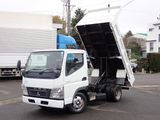
Ref# UW-6a98d881be88b
TOMISHO CO.,LTD
2009 Mitsubishi Canter BKG-FE71BSD
2ton Dump *4M42*
- Mileage
- 43,058 km
- Year
- 2009/12
- Engine
- 2,970cc
- Trans.
- Manual
FOBPrice$7,651.58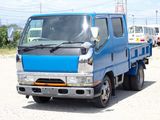
Ref# UW-6a98d8ae34b42
TOMISHO CO.,LTD
1996 Mitsubishi Canter KC-FE517BD
2ton W cab DUMP *4D33*
- Mileage
- 194,138 km
- Year
- 1996/9
- Engine
- 4,210cc
- Trans.
- Manual
FOBPrice$7,982.09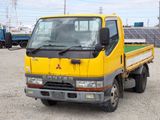
Ref# UW-6a98d8e2d730e
TOMISHO CO.,LTD
1997 Mitsubishi Canter KC-FG507B
2ton *4D33*
- Mileage
- 145,615 km
- Year
- 1997/5
- Engine
- 4,210cc
- Trans.
- Manual
FOBPrice$8,106.81
Ref# UW-6a98d8d0ea3a4
TOMISHO CO.,LTD
1999 Mitsubishi Canter KC-FG507BD
2ton Dump *MT5 / 4D33*
- Mileage
- 227,130 km
- Year
- 1999/3
- Engine
- 4,210cc
- Trans.
- Manual
FOBPrice$8,293.89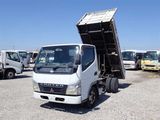
Ref# UW-6a98d8cd91f2e
TOMISHO CO.,LTD
2003 Mitsubishi Canter KK-FE71CBD
2ton Dump *4D33*
- Mileage
- 224,451 km
- Year
- 2003/1
- Engine
- 4,210cc
- Trans.
- Manual
FOBPrice$8,319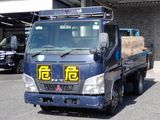
Ref# UW-6a98d8d02861f
TOMISHO CO.,LTD
2004 Mitsubishi Canter KK-FE70CB
2.0t POWER GATE *4D33*
- Mileage
- 236,028 km
- Year
- 2004/3
- Engine
- 4,210cc
- Trans.
- Manual
FOBPrice$8,605.69
Ref# UW-mtv23pceowlb
TOMISHO CO.,LTD
1996 Mitsubishi Canter KC-FG507B
1.6ton Flat truck 4WD *4D33*
- Mileage
- 177,170 km
- Year
- 1996/11
- Engine
- 4,200cc
- Trans.
- Manual
FOBPrice$8,855.13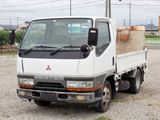
Ref# UW-6a98d8fe17535
TOMISHO CO.,LTD
1997 Mitsubishi Canter KC-FE507B
2ton power gate *4D33*
- Mileage
- 166,390 km
- Year
- 1997/2
- Engine
- 4,210cc
- Trans.
- Manual
FOBPrice$8,855.13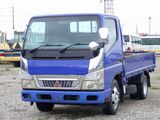
Ref# UW-mume9lyj46dr
TOMISHO CO.,LTD
2004 Mitsubishi Canter KK-FE70CB
Flat body 2Ton *4D33*
- Mileage
- 191,629 km
- Year
- 2004/3
- Engine
- 4,200cc
- Trans.
- Manual
FOBPrice$8,917.49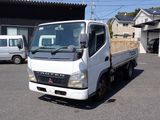
Ref# UW-6a98d90771b41
TOMISHO CO.,LTD
2004 Mitsubishi Canter KK-FE70CB
2.0t POWER GATE *4D33*
- Mileage
- 102,215 km
- Year
- 2004/3
- Engine
- 4,210cc
- Trans.
- Manual
FOBPrice$8,917.49
Ref# UW-6a98d8ca3b2a0
TOMISHO CO.,LTD
2003 Mitsubishi Canter KK-FE70CB
2ton Dump *4D33*
- Mileage
- 238,067 km
- Year
- 2003/6
- Engine
- 4,210cc
- Trans.
- Manual
FOBPrice$8,917.49
Ref# UW-6a98d885af457
TOMISHO CO.,LTD
2003 Mitsubishi Canter KK-FE70CB
2ton POWER GATE *4D33*
- Mileage
- 146,275 km
- Year
- 2003/10
- Engine
- 4,210cc
- Trans.
- Manual
FOBPrice$8,917.49
Ref# UW-mume98269vmp
TOMISHO CO.,LTD
1993 Mitsubishi Canter U-FE307BD
2t Dump *4D33*
- Mileage
- 177,868 km
- Year
- 1993/4
- Engine
- 4,200cc
- Trans.
- Manual
FOBPrice$9,229.29
Ref# UW-mu3d3tf7lu0e
TOMISHO CO.,LTD
2004 Mitsubishi Canter KK-FE70CB
2ton Simple 4-stage crane truck *4D33+MT5*
- Mileage
- 132,703 km
- Year
- 2004/5
- Engine
- 4,210cc
- Trans.
- Manual
FOBPrice$9,229.29
Ref# UW-mtv3vs4k87f7
TOMISHO CO.,LTD
2003 Mitsubishi Canter KK-FE70CB
2ton Flatbed truck *4D33*
- Mileage
- 110,178 km
- Year
- 2003/12
- Engine
- 4,200cc
- Trans.
- Manual
FOBPrice$9,229.29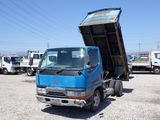
Ref# UW-6a98d8cee99f9
TOMISHO CO.,LTD
1997 Mitsubishi Canter KC-FE517BD
2ton Dump *4D33*
- Mileage
- 209,508 km
- Year
- 1997/1
- Engine
- 4,210cc
- Trans.
- Manual
FOBPrice$9,229.29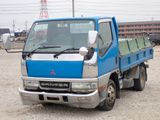
Ref# UW-6a98d9059a023
TOMISHO CO.,LTD
1999 Mitsubishi Canter KK-FE51CBD
2ton Dump *4D33*
- Mileage
- 388,759 km
- Year
- 1999/12
- Engine
- 4,120cc
- Trans.
- Manual
FOBPrice$9,291.65
Ref# UW-6a98d8dba0eda
TOMISHO CO.,LTD
1995 Mitsubishi Canter KC-FE507B
2ton power gate *4D33*
- Mileage
- 99,490 km
- Year
- 1995/11
- Engine
- 4,210cc
- Trans.
- Manual
FOBPrice$9,291.65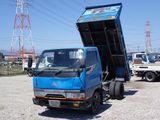
Ref# UW-6a98d8cdb6346
TOMISHO CO.,LTD
1994 Mitsubishi Canter U-FE517BD
2ton Dump *4D33*
- Mileage
- 297,673 km
- Year
- 1994/12
- Engine
- 4,210cc
- Trans.
- Manual
FOBPrice$9,349.51
Ref# UW-6a98d9082775a
TOMISHO CO.,LTD
1995 Mitsubishi Canter U-FE516BC
2ton Dump *4D36*
- Mileage
- 371,067 km
- Year
- 1995/1
- Engine
- 3,560cc
- Trans.
- Manual
FOBPrice$9,416.37
Ref# UW-6a98d8d3294a7
TOMISHO CO.,LTD
1997 Mitsubishi Canter KC-FE507B
2ton POWERGATE *4D33*
- Mileage
- 243,627 km
- Year
- 1997/9
- Engine
- 4,210cc
- Trans.
- Manual
FOBPrice$9,416.37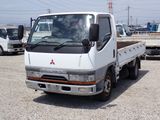
Ref# UW-6a98d8cd5bf15
TOMISHO CO.,LTD
1995 Mitsubishi Canter KC-FE507BT
2ton *4D33*
- Mileage
- 279,722 km
- Year
- 1995/9
- Engine
- 4,210cc
- Trans.
- Manual
FOBPrice$9,416.37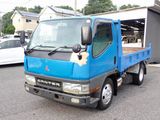
Ref# UW-mu3d3ppr9sb2
TOMISHO CO.,LTD
2000 Mitsubishi Canter KK-FE51CBD
2ton Dump *4D33*
- Mileage
- 121,785 km
- Year
- 2000/3
- Engine
- 4,200cc
- Trans.
- Manual
FOBPrice$9,478.73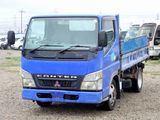
Ref# UW-mtv23sgtrlmq
TOMISHO CO.,LTD
2003 Mitsubishi Canter KK-FE71CBD
2ton Dump *4D33*
- Mileage
- 143,796 km
- Year
- 2003/8
- Engine
- 4,200cc
- Trans.
- Manual
FOBPrice$9,478.73
Ref# UW-6a98d8849adcf
TOMISHO CO.,LTD
2004 Mitsubishi Canter KK-FE71CBD
2ton Dump *4D33*
- Mileage
- 275,176 km
- Year
- 2004/2
- Engine
- 4,210cc
- Trans.
- Manual
FOBPrice$9,539.03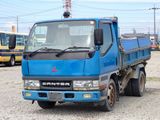
Ref# UW-mume9ohb2jtq
TOMISHO CO.,LTD
2000 Mitsubishi Canter KK-FE51CBD
3-turn dump
- Mileage
- 130,203 km
- Year
- 2000/3
- Engine
- 4,200cc
- Trans.
- Manual
FOBPrice$9,541.09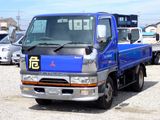
Ref# UW-mume9ndch4u5
TOMISHO CO.,LTD
1998 Mitsubishi Canter KC-FG507B
Flat 4WD
- Mileage
- 174,542 km
- Year
- 1998/3
- Engine
- 4,200cc
- Trans.
- Manual
FOBPrice$9,541.09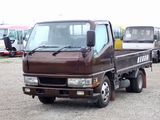
Ref# UW-mu3d3s9org3t
TOMISHO CO.,LTD
2000 Mitsubishi Canter KK-FE51CBT
2ton Flat body*4D33*
- Mileage
- 131,748 km
- Year
- 2000/8
- Engine
- 4,200cc
- Trans.
- Manual
FOBPrice$9,541.09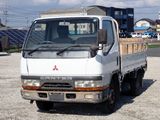
Ref# UW-6a98d8deaa542
TOMISHO CO.,LTD
1996 Mitsubishi Canter KC-FE507BT
2ton power gate *4D33*
- Mileage
- 91,411 km
- Year
- 1996/3
- Engine
- 4,210cc
- Trans.
- Manual
FOBPrice$9,541.09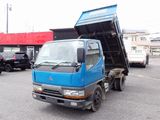
Ref# UW-6a98d8841a73b
TOMISHO CO.,LTD
1998 Mitsubishi Canter KC-FE517BD
2ton 3-way dump *4D33*
- Mileage
- 208,162 km
- Year
- 1998/3
- Engine
- 4,210cc
- Trans.
- Manual
FOBPrice$9,728.17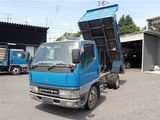
Ref# UW-6a98d8c94c8cf
TOMISHO CO.,LTD
2000 Mitsubishi Canter KK-FE51CBD
2ton Reinforced Dump *4D33*
- Mileage
- 157,844 km
- Year
- 2000/3
- Engine
- 4,210cc
- Trans.
- Manual
FOBPrice$9,838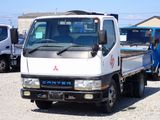
Ref# UW-mume9d5jjf9f
TOMISHO CO.,LTD
2001 Mitsubishi Canter KK-FE51CBT
2ton Flat body*4D33*
- Mileage
- 270,172 km
- Year
- 2001/12
- Engine
- 4,200cc
- Trans.
- Manual
FOBPrice$9,852.89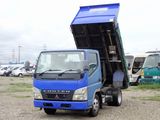
Ref# UW-mtv23qhqj0tf
TOMISHO CO.,LTD
2002 Mitsubishi Canter KK-FE71CBD
2ton Dump *4D33*
- Mileage
- 167,796 km
- Year
- 2002/7
- Engine
- 4,200cc
- Trans.
- Manual
FOBPrice$9,852.89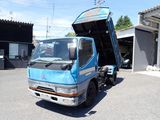
Ref# UW-6a98d90322f67
TOMISHO CO.,LTD
1995 Mitsubishi Canter KC-FE517BD
2ton 3-way dump *4D33*
- Mileage
- 139,790 km
- Year
- 1995/9
- Engine
- 4,210cc
- Trans.
- Manual
FOBPrice$9,852.89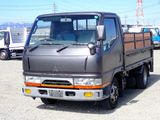
Ref# UW-6a98d89e78b2f
TOMISHO CO.,LTD
1995 Mitsubishi Canter U-FE507B
2ton power gate *4D33*
- Mileage
- 129,722 km
- Year
- 1995/3
- Engine
- 4,210cc
- Trans.
- Manual
FOBPrice$9,852.89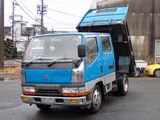
Ref# UW-6a98d89a4c4af
TOMISHO CO.,LTD
1995 Mitsubishi Canter U-FE517BD
2 ton Dump Tuck *4D33*
- Mileage
- 252,110 km
- Year
- 1995/1
- Engine
- 4,210cc
- Trans.
- Manual
FOBPrice$9,852.89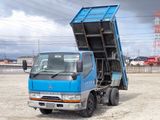
Ref# UW-6a98d8955bb30
TOMISHO CO.,LTD
1997 Mitsubishi Canter KC-FE517BC
2ton Dump *4D33*
- Mileage
- 118,887 km
- Year
- 1997/9
- Engine
- 4,210cc
- Trans.
- Manual
FOBPrice$9,852.89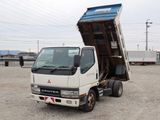
Ref# UW-6a98d891766ee
TOMISHO CO.,LTD
2002 Mitsubishi Canter KK-FE51CBD
2ton Dump *4D33*
- Mileage
- 206,925 km
- Year
- 2002/6
- Engine
- 4,210cc
- Trans.
- Manual
FOBPrice$9,852.89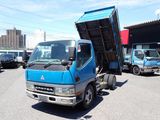
Ref# UW-6a98d90316e37
TOMISHO CO.,LTD
2000 Mitsubishi Canter KK-FE51CBD
2ton Dump *4D33*
- Mileage
- 189,556 km
- Year
- 2000/3
- Engine
- 4,210cc
- Trans.
- Manual
FOBPrice$9,915.25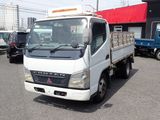
Ref# UW-6a98d88a525ba
TOMISHO CO.,LTD
2004 Mitsubishi Canter KK-FE70CB
2ton POWER GATE *4D33*
- Mileage
- 292,804 km
- Year
- 2004/2
- Engine
- 4,210cc
- Trans.
- Manual
FOBPrice$10,039.97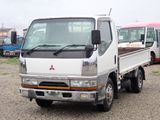
Ref# UW-mtv23rejizro
TOMISHO CO.,LTD
1995 Mitsubishi Canter KC-FE507BT
2ton Flatbed truck *4D33*
- Mileage
- 91,262 km
- Year
- 1995/9
- Engine
- 4,200cc
- Trans.
- Manual
FOBPrice$10,102.33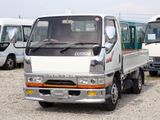
Ref# UW-mume96u4ageq
TOMISHO CO.,LTD
1994 Mitsubishi Canter U-FE507BT
2t flat body *4D33*
- Mileage
- 118,530 km
- Year
- 1994/9
- Engine
- 4,200cc
- Trans.
- Manual
FOBPrice$10,164.69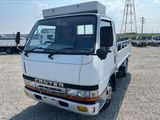
Ref# UW-6a98d8fa11ca2
TOMISHO CO.,LTD
1995 Mitsubishi Canter U-FE507B
*4D33*
- Mileage
- 117,247 km
- Year
- 1995/3
- Engine
- 4,210cc
- Trans.
- Manual
FOBPrice$10,164.69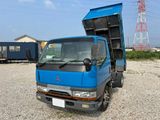
Ref# UW-6a98d8f723a2d
TOMISHO CO.,LTD
1998 Mitsubishi Canter KC-FE517BD
2ton Dump *4D33*
- Mileage
- 145,637 km
- Year
- 1998/10
- Engine
- 4,210cc
- Trans.
- Manual
FOBPrice$10,164.69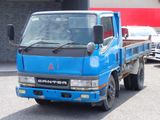
Ref# UW-6a98d87777f0c
TOMISHO CO.,LTD
2000 Mitsubishi Canter KK-FE51CBD
2ton Reinforcement DUMP *4D33*
- Mileage
- 166,877 km
- Year
- 2000/7
- Engine
- 4,210cc
- Trans.
- Manual
FOBPrice$10,164.69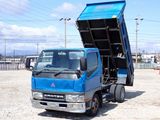
Ref# UW-6a98d8ea3b802
TOMISHO CO.,LTD
2002 Mitsubishi Canter KK-FE51CBD
2ton Dump *4D33*
- Mileage
- 240,079 km
- Year
- 2002/6
- Engine
- 4,210cc
- Trans.
- Manual
FOBPrice$10,170.75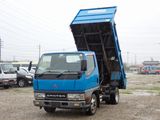
Ref# UW-mtv23wtjhv98
TOMISHO CO.,LTD
2002 Mitsubishi Canter KK-FE51CB
2ton Dump *4D33*
- Mileage
- 79,366 km
- Year
- 2002/8
- Engine
- 4,200cc
- Trans.
- Manual
FOBPrice$10,233.93
Ref# UW-6a98d8e098f38
TOMISHO CO.,LTD
1995 Mitsubishi Canter U-FE507B
2ton *4D33*
- Mileage
- 134,740 km
- Year
- 1995/3
- Engine
- 4,210cc
- Trans.
- Manual
FOBPrice$10,289.41
Ref# UW-6a98d8a21092d
TOMISHO CO.,LTD
2001 Mitsubishi Canter KK-FE51CB
2ton *4D33*
- Mileage
- 44,535 km
- Year
- 2001/3
- Engine
- 4,210cc
- Trans.
- Manual
FOBPrice$10,351.77
Ref# UW-6a98d905da332
TOMISHO CO.,LTD
1997 Mitsubishi Canter KC-FE507BT
2ton *4D33*
- Mileage
- 199,172 km
- Year
- 1997/9
- Engine
- 4,210cc
- Trans.
- Manual
FOBPrice$10,369


Canter Purchase Guide

The Mitsubishi Fuso Canter is a staple model that has consistently achieved a high level of maneuverability in narrow roads, loading efficiency, and body-mounting suitability, centered on its light-duty class cab-over × ladder frame. The 5th generation (1985-1993) elevated its level of completion, and the 6th generation (1993-2002) expanded the safety, comfort, and body-mounting options. The 7th generation (2002-2010) evolved into "modern working tools" with exhaust emission regulations and cab improvements, and the 8th generation (2010-2020) introduced the dual clutch AMT "DUONIC" and the latest exhaust emission treatments. The 9th generation (2020-) has greatly expanded its advanced safety equipment and continues to evolve. Choices directly connected to the application such as flat body/aluminum van/refrigeration/dump/gate, and the abundance of parts supply and maintenance expertise are reasons for its popularity among overseas users.
5th Generation Canter (1985-1993) [FE3・4 model] - "Elevating the level of perfection as a tool"

The Charm of the Fifth-Generation Canter
With a sturdy frame and straightforward mechanics, it demonstrates its true value in daily pick-up and delivery.
Centered around a ladder frame and a simple straight-4 diesel engine (NA / some turbo), it's designed to emphasize low and medium-speed durability. The cab is straightforward in terms of visibility and operation layout, and the small minimum turning radius makes it easy to handle in alleys and when parking. The wide range of wheelbase and cargo bed length variations is a major strength, making it easy to select specifications suited to practical operations, such as standard/wide cab, long body, flat/van/dump. Its minimal electronic control and high maintainability, which helps keep downtime to a minimum, are considerable advantages when operating overseas.
Shortcomings of the Fifth Generation Canter
Comfort and safety are "standards of the time", focus on rust and undercarriage when buying used cars.
Sound insulation and thermal insulation are modest, making its comfort in long-distance and high-speed cruising inferior to later models. Safety features (ABS, airbags) are limited. For used vehicles, special attention should be paid to the corrosion of the frame and the base of the cargo area, leaf springs and bushings, hubs/brakes, and the aging of fuel and cooling hoses. For customized vehicles, it's essential to check the quality of the additional equipment and wiring.
Rival of the 5th generation Canter
Isuzu Elf (N Series)
A staple in its class. Some regions may have an advantage in terms of stock quantity and distribution, but the Canter competes with its price, maintenance, and availability of parts. Consider a comparison based on load capacity, minimum turning radius, and a track record of desired features to avoid any mismatch.
Specifications of the 5th Generation Canter
Body Style: Cab-over, Ladder Frame Engine: Inline 4 Diesel (NA/Some Turbo variants) Transmission: Primarily 5-Speed Manual (Varies based on region and model year) Drive: Rear-Wheel Drive/Some 4×4 (FG Series) GVW Guide: 3.5-7.5 ton class (Depends on specifications) Frame: Flat/Aluminum Van/Refrigerated/Dump and others
6th Generation Canter (1993-2002) [FE5x series / Japan] - "Enhanced Safety, Comfort, and Usability"

The Charm of the Sixth Generation Canter
Enhancing cabin comfort and equipment, reducing driving strain.
Ergonomic redesigns such as steering wheel position, seating, and pedal layout have improved comfort, visibility, and operability. The gradual adoption of safety equipment such as ABS helps mitigate dangerous situations in the city. The engine has been upgraded to a more efficient diesel (NA/turbo), enhancing the balance between low-speed torque and fuel efficiency. With a wide range of customizations options like refrigeration, gates, and trucks with cranes, the appeal of this generation lies in finding a specification that suits your needs.
Weaknesses of the 6th Generation Canter
Appropriate quietness and vibration for its model year, degradation of over-mileage units
Advanced safety features and multi-stage AT are not equipped. Used cars differ significantly in clutch, brake, steering, and chassis conditions due to mileage and loading history. For vehicles equipped with refrigeration units, battery load, operating noise, and maintenance history must be verified.
Rival of the 6th Generation Canter
Hino Dutro (Toyota Dyna Series)
Prices and equipment are competitive. It's practical to choose based on the distance to sales and maintenance bases, residual value, and track record of the desired body/cargo handling equipment.
Specifications of the 6th Generation Canter
Type: Cab-over, Ladder Frame Engine: Inline 4 Diesel (NA/Turbo) Transmission: 5-Speed Manual Transmission centered Drive: FR / 4×4 Settings available GVW Guidance: 3.5 - 7.5 tons class Superstructure: Flat / Van / Refrigerated & Freezing / Dump / Gate, etc.
7th Generation Canter (2002-2010) [FE70/FE80 Series] - "Modernized with Emission Compliance and Cab Improvements"

The Appeal of the 7th Generation Canter
Emphasizing response to regulation enforcement, carburetor improvements, and maintenance of operational efficiency.
In accordance with strengthened emissions regulations, post-processing devices such as EGR and catalysts have been introduced (varies by model year and region). The cab has been improved in terms of sound insulation, storage, and visibility, enhancing its everyday usability. A wide range of options, including wide cabs and long bodies, continue to be available, and we have extensive experience with special equipments like refrigerated and power liftgates. Maintenance accessibility has also been improved, making it easier to maintain operational efficiency with regular maintenance.
Drawbacks of the 7th Generation Canter
The condition of post-processing and electrical systems is crucial; there is a wide range of specifications.
Performance and cost differences can easily occur depending on the condition of the exhaust gas treatment (EGR/catalyst). For vehicles with many additional electric installations, it's essential to check the quality of wiring and fuse systems. Due to the broad equipment difference depending on the year and market, it's imperative to specify the model, GVW, body dimensions, and wheelbase.
Rival of the 7th Generation Canter
Isuzu Elf / Hino Dutro
Neck and neck in terms of regulatory compliance, price, and comfort. The best solution changes by application (frozen goods/building materials/home delivery) and route (hills/traffic/high-speed ratio).
Specifications of the 7th Generation Canter
Form: Cab-over, Ladder Frame Engine: Inline-4 Diesel (Post-processing period) Transmission: 5MT/Partial AT Drive: FR/4x4 GVW Guidelines: 3.5 to 7.5 Ton Class Superstructure: Flat/Van/Refrigerated/Freezer/Dump/Gate etc.
8th Generation Canter (2010-2020) [FBA/FEA・B・C Series: DUONIC equipped, 4P10 Series・BlueTec] - "AMT x Fuel Efficiency x Advanced Safety"

The charm of the 8th generation Canter
Achieve efficiency and operability with DUONIC (Dual Clutch AMT)
The 6-speed AMT 'DUONIC' is included (varies by region). With the efficiency of MT coupling and the operability of an AT, it simultaneously reduces fuel consumption and fatigue in frequent stop-start deliveries. The engine, based around the 4P10 series diesel, combines post-treatment devices such as DPF/urea SCR (BlueTec) to strike a balance between regulations and economy. Safety features like ESC and AEBS (Advanced Emergency Braking System) are gradually being expanded, improving the safety margins in urban areas.
Drawbacks of the 8th Generation Canter
Proper operation of post-processing and AMT is a prerequisite, and specification checks should be thorough.
DPF regeneration and urea replenishment for the SCR are essential steps in maintaining the post-treatment system. Short-distance and low-temperature biases can cause clogging. Managing the clutch, operation oil, and learning values are prerequisites for DUONIC. It's crucial to identify the safety equipment by model year, AT specifications, GVW, body dimensions, and wheelbase for used cars. Choose the right vehicle based on its intended use (refrigerated, construction materials, delivery).
Rival of the 8th Generation Canter
Isuzu Elf "Smoother E" / Hino Dutro "Pro Shift"
Compare AMT's level of refinement (low-speed creep control & acceleration feel) and safety features. Test drives and estimates tailored to route conditions (hills, traffic, high-speed) and average load are effective.
Specifications of the 8th Generation Canter
Type: Cab over, Ladder Frame Engine: Inline-4 Diesel (4P10 Series) + DPF/SCR (BlueTec) Transmission: 6-Speed AMT (DUONIC) / 5MT (partially) Drive: FR/4x4 (FG Series) GVW Guide: 3.5~7.5t Class (varying specifications) Safety and Comfort: ESC, AEBS, Idle Stop and more (depending on the model year) Body Style: Flat/Van/Refrigerated/Cargo Lift/Dump and more.
9th Generation Canter (2020 - Current) [FDA・B/FEC・D/FGA・B Models: Significant Expansion of Advanced Safety Features] ~ "Moving to the Next Stage with Safety Technology"

The Appeal of the 9th Generation Canter
Significant expansion of advanced safety features and the first interior redesign in 14 years.
The current model underwent a full model change in October 2020. In a minor change in February 2024, it fully renewed the interior design for the first time in 14 years, continuing from the eighth generation. With a chic interior color scheme and a sophisticated style, the design flows from the dashboard to the left and right boarding grips, improving accessibility. Safety features have been significantly enhanced, including the standard installation of collision damage mitigation brake 'Active Brake Assist 5' and left-turn wrap prevention feature 'Active Sideguard Assist 1.0' (only for DUONIC 2.0 cars). The option of 'Active Attention Assist' warns of driver fatigue. LED headlights with daytime running lights are standard, improving visibility. The millimeter-wave radar detects vehicles, obstacles, and pedestrians in front, and in case of danger, supports collision avoidance and damage reduction through warnings to the driver and brake operation. The continued adoption of DUONIC 2.0 maintains the balance of fuel economy with direct MT connection and AT operability.
Drawbacks of the 9th Generation Canter
The price range is due to the latest equipment, with used circulation to follow.
Due to the enhancement of advanced safety features, the price range of new cars is rising. As it is a 2020 model, its circulation in the used car market is still limited, and it will take time to broaden the options. Like the eighth generation, the complexity of the post-treatment device (DPF/SCR) and the electrical system requires caution for the risk of clogging in short-distance and low-temperature operation.
Rival of the ninth-generation Canter
Isuzu Elf (latest model) / Hino Dutro (latest model)
Compare the sophistication of advanced safety features, the operability of driving support functions, and price. It's best to verify the actual experience of the safety features and the comfort of daily use with a test drive that matches the route conditions and average load.
Specs of the 9th generation Canter
Type: Cab over, Ladder Frame Engine: Inline 4 Diesel (4P10 Series 3.0L) + DPF/SCR (BlueTec) Transmission: 6-speed AMT (DUONIC2.0) / 5MT (partly) Drive: FR / 4×4 (FG series) GVW Range: 3.5 to 7.5 tons (according to specifications) Safety & Comfort: Active Brake Assist 5, Active Sideguard Assist 1.0, Active Attention Assist (optional), LED headlights, Daytime running lights, Intelligent Headlight Control, Rear view camera, etc. Body type: Flat / Van / Refrigerated / Dump / Gate, etc.